
Namenda (Memantine) – Patient-Friendly Guide (UK)
Namenda contains memantine, a medicine used to treat symptoms of certain long-term (chronic) brain disorders affecting memory, thinking, and daily functioning. This guide explains how Namenda works, how it is usually taken, what to expect, and important safety information—written for patients and carers in the United Kingdom.
Note: Always follow the instructions provided by your healthcare professional and read the patient information leaflet supplied with your medicine.
1) Basic product information
| Item | Details |
|---|---|
| Active ingredient | Memantine |
| Brand name | Namenda |
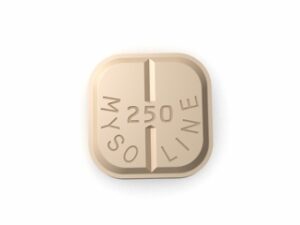
| Medicinal form | Typically supplied as tablets/capsules depending on product strength; your package will specify the exact presentation |
| Medicine class | NMDA receptor antagonist (modulates glutamate activity) |
| How it’s used | Long-term treatment to help manage symptoms in appropriate conditions |
2) What Namenda is used for (typical use and indications)
Namenda is used for the treatment of:
- Moderate to severe Alzheimer’s disease (a progressive condition that affects memory, thinking, and behaviour).
- Sometimes, clinicians may use memantine in specific dementia-related conditions where it is appropriate and supported by clinical guidance.
Important: Namenda is not a cure. It aims to slow symptom worsening and help people maintain daily activities for as long as possible.
3) How Namenda works (mechanism of action)
Memantine works by influencing the brain’s glutamate system. In Alzheimer’s disease, excessive stimulation of certain receptors can contribute to nerve cell stress.
- Memantine is an NMDA receptor antagonist.
- NMDA receptors are involved in learning and memory.
- By regulating NMDA receptor activity, memantine helps prevent overstimulation while still supporting normal signalling.
This balance may help improve or maintain aspects of cognition and everyday functioning in people with moderate to severe Alzheimer’s disease.
4) Pharmacokinetics – how the body processes memantine
Pharmacokinetics describes how the body absorbs, distributes, metabolises, and eliminates a medicine.
- Absorption: Memantine is absorbed after oral dosing. Food does not significantly reduce overall absorption for most people.
- Distribution: It distributes into body tissues including the brain.
- Metabolism: Memantine is not extensively metabolised in the liver.
- Elimination: It is mainly eliminated via the kidneys. Changes in kidney function can affect drug levels.
- Half-life: The medicine has a relatively long half-life, which supports once- or twice-daily dosing depending on the product and prescribed regimen.
Kidney function matters: If you have reduced kidney function, your prescriber may adjust the dose to reduce the risk of side effects.
5) Dosing – what “typical” looks like
Dosing for memantine is often started at a low dose and increased gradually. This helps your body adapt and can reduce side effects such as dizziness or headache.
Common dosing approach (general pattern):
- Start low (first week or initial period)
- Increase gradually over several weeks
- Reach a maintenance dose as advised
How often: Depending on the formulation, prescribers commonly use once or twice daily schedules.
Follow your personal plan: The exact strength, number of tablets/capsules, and schedule should match the instruction on your prescription label and product leaflet.
Missed doses
- If you miss a dose, take it when you remember unless it is close to the next dose.
- Do not take a double dose to make up for a missed one.
- If you miss multiple doses, speak to a pharmacist or prescriber for advice on how to restart.
6) Timing – when to take Namenda
Try to take Namenda at the same times each day.
- With or without food: Many people can take memantine either way.
- Choose a routine: For example, morning and evening with meals if it suits you and reduces nausea or dizziness.
- Keep consistent: Consistency can help reduce fluctuations in symptoms.
If you feel drowsy or dizzy, you may prefer taking the dose in the evening—however, confirm with your healthcare professional before changing the timing.
7) Food interactions
In general, food does not significantly affect memantine absorption for most people.
- Normal meals are usually fine.
- If you experience stomach upset, taking memantine with food may help.
- Stay hydrated, particularly if you are also taking medicines that affect blood pressure or if you have urinary issues.
8) Alcohol and medicine interactions
Alcohol
It is generally advisable to limit alcohol while taking memantine, as alcohol can worsen dizziness, drowsiness, balance problems, and confusion. If you drink, do so cautiously and consider discussing your situation with a clinician.
Medicines interactions (important)
Memantine can interact with other medicines, mainly because kidney function and urine acidity can influence how well it is cleared.
- Medicines that alkalinise the urine may increase memantine levels. Examples include some agents used for certain urinary or digestive conditions.
- Medicines affecting kidney function can change memantine levels and side-effect risk.
- NMDA-relevant medicines or drugs that strongly influence glutamate signalling may increase the chance of side effects.
- Amantadine (used for some conditions) and other related medicines may interact and should be reviewed.
- Other medicines for dementia: memantine is sometimes used alongside other dementia treatments, but the combined plan should be clinician-led.
Always check your full list with your pharmacist or prescriber, including:
- Over-the-counter medicines (OTC)
- Herbal remedies and supplements
- Vitamins or high-dose minerals
- Cold/flu remedies
9) Safety profile – who should be careful
Like all medicines, Namenda can cause side effects. Many people tolerate it well, especially after gradual dose titration.
Common side effects
- Dizziness
- Headache
- Constipation
- Confusion (may occur, particularly in vulnerable people or with dose changes)
- Fatigue
Less common but important side effects
- High blood pressure or changes in blood pressure
- Shortness of breath or fluid-related problems (seek advice)
- Allergic reactions such as rash, swelling, or breathing difficulties (urgent)
When to seek urgent medical help
Get urgent help (NHS 111 or emergency services) if you experience:
- Signs of an allergic reaction: swelling of face/lips, difficulty breathing, severe rash
- Severe or worsening confusion, fainting, or inability to stay awake
- Serious behavioural changes that concern carers or family
Special caution groups
- Kidney impairment: dose adjustment and monitoring may be necessary.
- People taking medicines affecting urine pH or kidney function: review interactions carefully.
- Older adults and people with frailty: increased risk of dizziness and falls.
- History of seizures: discuss with a clinician, especially if symptoms change.
10) Practical use tips (for patients and carers)
Memantine is often used long-term. The following tips may make treatment easier and safer.
- Use a medication organiser (pill box) and check daily.
- Keep a simple routine tied to meals or bedtime.
- Track changes: note sleep, mood, appetite, falls, dizziness, and bowel habits.
- Hydration matters, particularly if constipation occurs.
- Watch for falls: dizziness can increase fall risk—remove trip hazards and use appropriate mobility aids.
- Review other medications: if new medicines are started (including OTC products), ask a pharmacist about interactions.
- Do not stop suddenly without advice—especially if your plan involves dose titration or ongoing monitoring.
Managing constipation and dizziness
- Constipation: increase fluids, fibre intake (if safe for you), and gentle activity as advised; consider speaking to a pharmacist for suitable options.
- Dizziness: rise slowly from sitting/lying positions; sit down if you feel light-headed; report persistent symptoms.
11) Alternative options
Depending on your diagnosis, stage of symptoms, and overall health, clinicians may consider other treatments. These may include:
- Cholinesterase inhibitors (commonly used for mild to moderate Alzheimer’s disease; sometimes also used in combination for later stages depending on individual circumstances).
- Other dementia-support medicines where appropriate.
- Non-drug approaches that support function and quality of life, such as structured activities, cognitive stimulation, sleep routines, and carer support.
Choosing between options depends on response, side effects, other medical conditions, and local clinical guidance. Discuss alternatives with your healthcare professional.
12) UK market and legal context (how it fits into UK care)
In the UK, medicines are provided through regulated supply chains and are overseen by medicines regulators and professional guidance. The availability of Namenda/memantine is typically through pharmacy channels and is subject to standard UK medicines regulations.
Monitoring and standards:
- Quality and licensing of medicines are managed according to UK regulatory requirements.
- Healthcare professionals and pharmacists support safe use, including interaction checks and appropriate counselling.
- For long-term dementia medicines, ongoing review of benefit and tolerability is part of routine care.
Recent guidance: Clinical recommendations for dementia medicines may be updated periodically by professional bodies and health services. If you are starting, switching, or continuing memantine, it can be helpful to ask your clinician or pharmacist how current guidance applies to your situation.
13) Delivery and availability in the UK
Many online pharmacies in the UK can offer convenient ordering and home delivery. Availability can vary by strength and formulation.
- Stock updates: If a particular strength is temporarily out of stock, some pharmacies can offer alternatives (subject to clinical suitability and product form).
- Delivery times: Delivery speed depends on location and courier options. Checkout will usually show estimated delivery dates.
- Packaging: Medicines are typically dispatched in secure, tamper-evident packaging.
- Storage on arrival: Store at the recommended temperature and protect from moisture. Check the packaging for specific instructions.
If you have urgent needs or you are restarting after a break, contact the pharmacy promptly—so they can advise on the best way to avoid missed doses.
14) FAQ
Is Namenda the same as memantine?
Yes. Namenda is a brand name that contains memantine as the active ingredient.
How long does it take to notice an effect?
Some people may notice changes within weeks, while others may show slower or more subtle improvement. Dementia medicines are usually assessed over time for symptom benefit and tolerability.
Can I take Namenda with other dementia medicines?
Sometimes yes, depending on your diagnosis and clinician plan. Because combinations can change side-effect profiles, always check with your prescriber or pharmacist before making changes.
What should I do if my symptoms worsen?
Dementia symptoms can change for many reasons. If you notice a significant worsening, new confusion, falls, or sudden behavioural change, contact your healthcare professional promptly to review your treatment and overall health.
Does Namenda affect driving?
Some people may feel dizzy or tired, which could affect driving ability. If you are unsure, avoid driving and ask your clinician for personalised advice.
Can I stop taking memantine?
Do not stop suddenly unless advised by a healthcare professional. If stopping is considered, discuss a plan to reduce risk and manage symptom changes.
How should it be stored?
Store memantine according to the instructions on the package and keep it out of reach of children. Avoid heat and moisture.
Are there alternatives if I can’t tolerate it?
Your prescriber may consider dose adjustment, switching formulation, or alternative dementia treatments and supportive approaches, based on your specific symptoms and medical history.
Is it safe if I have kidney problems?
People with reduced kidney function may need dose adjustments and closer monitoring. Let your prescriber know about your kidney health history and any recent kidney-related test results.
Can I drink alcohol while taking Namenda?
Alcohol may worsen dizziness, drowsiness, and confusion. If you choose to drink, do so carefully and seek advice if you have concerns or experience side effects.
Always seek professional advice if you have questions about your treatment plan, interactions with other medicines, or side effects. Your pharmacist is also an excellent resource for checking medication safety.