

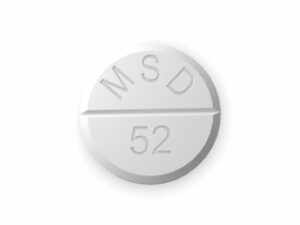
Cyproheptadine (Antihistamine) — Patient Information (UK)
Cyproheptadine is an antihistamine medicine used to relieve symptoms caused by histamine, a natural substance released in the body during allergic reactions. In the UK it is commonly available in tablet form and is also used for certain non-allergic indications, depending on your clinical situation.
This page explains how cyproheptadine works, typical uses, how to take it safely, possible side effects, important interactions (including alcohol and other medicines), and practical tips for getting the best results.
Basic product information
| Category | Typical form(s) | Common uses | Important note |
|---|---|---|---|
| Antihistamine (H1 antagonist) | Tablets (strength varies by product) | Allergic symptoms; appetite-related indications in some cases | Suitable dosing depends on age, diagnosis and other medicines |
What is cyproheptadine?
Cyproheptadine is an antihistamine that blocks H1 receptors (and also has other receptor activity). By reducing the effects of histamine, it can help relieve symptoms such as itching, sneezing, and watery eyes. Depending on how it’s used, it may also help with appetite changes.
In the UK, cyproheptadine is used under established medical practice and may be available as a licensed medicine. Availability can vary by strength and brand.
How cyproheptadine works (mechanism of action)
Cyproheptadine works mainly by blocking histamine’s action at H1 receptors. Histamine is involved in allergy symptoms such as:
- Itching and hives (urticaria)
- Runny nose and sneezing
- Watery eyes and irritation
Cyproheptadine also has additional pharmacologic effects that can contribute to its broader clinical uses. One practical outcome is that some people experience increased appetite and weight gain while taking it—this is why it may be used in selected non-allergic indications.
Pharmacokinetics (how the body handles it)
While individual responses vary, cyproheptadine generally follows these principles after oral dosing:
- Absorption: Taken by mouth, it is absorbed from the gastrointestinal tract.
- Onset of action: Some symptom relief may occur within hours, depending on the condition and dose.
- Distribution: It distributes throughout the body and can cross into the central nervous system, which is one reason it may cause drowsiness.
- Metabolism: It is metabolised in the liver.
- Elimination: Metabolites are excreted mainly via the kidneys and partly via other routes.
If you have liver or kidney problems, your prescriber may advise a tailored approach. Always follow dosing instructions carefully.
Typical uses and indications in the UK
Cyproheptadine is used for conditions where antihistamine activity is helpful, including:
- Allergic symptoms: relief of symptoms such as itching and sneezing associated with allergic conditions
- Urticaria (hives): to reduce itching and hives in selected cases
- Other specialist indications: in some clinical settings it may be used for appetite-related concerns or other conditions where its additional pharmacological effects are beneficial
The exact indication for an individual can vary. If you’re unsure why you’ve been advised to take cyproheptadine, check your medicine label or speak to a healthcare professional.
When and how to take cyproheptadine (timing)
How you time your dose depends on the goal (e.g., daytime symptom control vs. night-time relief) and whether it makes you sleepy. Many people take it at a time that reduces disruption to daily activities.
Practical timing guidance
- For daytime allergy symptoms: start at the lowest effective dose if you’re advised to, and monitor drowsiness.
- For night-time symptoms or itch: taking it in the evening may help you feel more comfortable overnight.
- If it causes drowsiness: avoid driving, cycling on busy roads, or using machinery until you know how it affects you.
If your dose is taken more than once daily, try to keep doses evenly spaced (for example, morning and evening) unless your healthcare professional has specified otherwise.
Dosing (general information)
Dosing varies by age, condition, and the specific product strength. Always follow the dose instructions on your medicine label. Below is general information to help you understand what dosing patterns are commonly used.
Adults (general guidance)
- Dose schedules may be adjusted based on symptom severity and response.
- Some people are started on a lower dose to reduce the likelihood of side effects such as sleepiness.
Children and adolescents (general guidance)
Children’s dosing should be determined carefully and is usually based on the child’s age and clinical needs. Because children may be more sensitive to sedating effects, dosing should not be guessed or changed without medical guidance.
Older adults
Older adults may be more prone to drowsiness and other side effects. Your healthcare professional may recommend a lower dose or closer monitoring.
Missed dose
- If you miss a dose, take it when you remember unless it’s close to the next dose.
- Do not take a double dose to make up for a missed tablet.
Duration of use
For seasonal or short-term allergy symptoms, treatment may be limited to the period of exposure. For longer-term conditions, your healthcare professional will advise how long to use it and when to review its effectiveness.
Food interactions
Cyproheptadine can generally be taken with or without food. However, individual comfort and absorption can vary. If it upsets your stomach, you may prefer to take it with food or after a meal.
- With meals: may reduce nausea for some people.
- Empty stomach: some people may feel it more strongly—especially the sedating effect.
If you’re taking it for itching or allergy symptoms, timing around meals is less important than taking the doses consistently as directed.
Alcohol and interactions with other medicines
Alcohol
Alcohol can increase drowsiness and impair coordination. Because cyproheptadine may also cause sleepiness, combining it with alcohol can make side effects more significant.
- Avoid alcohol or keep it to an absolute minimum until you know how cyproheptadine affects you.
- If you feel unusually sleepy, do not drive or operate machinery.
Other medicine interactions
Cyproheptadine may interact with medicines that also affect the brain or nervous system. Interactions can be additive (for example, increasing sedation) or alter how one medicine works.
Tell a healthcare professional or pharmacist if you take:
- Other sedating antihistamines or medicines for allergies that cause drowsiness
- Sedatives, sleeping tablets or anxiety medicines
- Opioid pain medicines (e.g., strong painkillers), because of increased sedation and breathing risks
- Antidepressants and other mental health medicines (some may increase drowsiness)
- Anticholinergic medicines (which can add to dry mouth, constipation, and urinary retention)
- Medicines that affect the liver, as they can influence cyproheptadine metabolism
If you are taking multiple medicines, double-check with your pharmacist—especially if any are labelled as causing drowsiness.
Safety profile (side effects and warnings)
Common side effects
Not everyone experiences side effects. The most commonly reported effects relate to the sedating and anticholinergic properties of the medicine.
- Drowsiness / sedation
- Dizziness
- Dry mouth
- Constipation
- Blurred vision (in some people)
- Nausea
Less common but important side effects
- Urinary retention (difficulty passing urine), particularly in people with prostate enlargement
- Confusion (more likely in older adults or at higher doses)
- Heart rhythm symptoms (seek urgent advice if you feel palpitations, fainting, or severe dizziness)
Serious allergic reactions
Seek urgent medical help if you experience signs of a serious allergic reaction, such as:
- Swelling of the face, lips, tongue or throat
- Severe rash or hives with breathing difficulties
- Wheezing or persistent shortness of breath
Who should take extra care
Speak to a healthcare professional before using cyproheptadine if you have:
- Glaucoma (especially narrow-angle glaucoma)
- Enlarged prostate or difficulty passing urine
- Severe constipation or bowel obstruction history
- Liver impairment (may require dose adjustment)
- Epilepsy or a history of seizures
- Breathing problems (the sedating effect may be more risky)
Driving and operating machinery
Cyproheptadine can cause drowsiness and reduced alertness. UK advice for medicines that cause sleepiness is to avoid driving if your ability is affected. This is especially important at the start of treatment or after dose changes.
Practical use tips (to get the best results)
- Start low and assess: if you have not used cyproheptadine before, pay close attention to sedation during the first few doses.
- Keep a symptom diary: note itch/sneezing frequency, timing, and how sleepy you feel to help fine-tune the plan.
- Maintain hydration: if you experience dry mouth, drink water regularly and consider sugar-free chewing gum.
- Plan around sleep: if it makes you sleepy, taking it in the evening can improve day-to-day functioning.
- Monitor constipation: increase fibre, fluids and activity if appropriate; consider discussing remedies with a pharmacist.
- Be cautious with other “cold and flu” products: many contain antihistamines that can add to drowsiness.
Missed doses, overdose and what to do
Accidental overdose may increase drowsiness and other anticholinergic symptoms. If you suspect an overdose, seek urgent medical advice.
- In the UK: contact NHS 111 for non-urgent advice, or seek urgent help (for example, call 999) if severe symptoms occur.
- If available, have the medicine pack available when you contact healthcare services.
Alternative options (UK-friendly overview)
Depending on what you are treating, alternatives may include other antihistamines and supportive treatments. The best option depends on your symptoms, age, medical history, and whether you need daytime alertness.
Other antihistamines
- Non-sedating (“second-generation”) antihistamines: often preferred when you need to stay alert (examples include loratadine or cetirizine, depending on local availability and licensing).
- Sedating first-generation antihistamines: may help with itch and night-time symptoms but can cause more drowsiness.
Condition-specific alternatives
- Allergic rhinitis: nasal corticosteroids and saline rinses may be considered alongside or instead of antihistamines.
- Urticaria: regular antihistamine use and trigger management may be recommended; sometimes stronger regimens are considered by clinicians.
If you’re considering switching, ask a pharmacist which option best matches your symptoms and lifestyle needs.
Market and legal context for the UK
In the UK, medicines are regulated by the Medicines and Healthcare products Regulatory Agency (MHRA) and must meet quality, safety and licensing requirements. Product availability, formulation and exact indications can vary by brand and strength.
Some antihistamines are available without a prescription in certain strengths and formulations, while others require professional advice depending on the product and patient group. For online pharmacy supply, eligibility rules and pharmacy checks may apply at the point of purchase.
Recent guidance and clinical considerations
Allergy management guidance in the UK often emphasises tailoring treatment to symptom severity and daily functioning. For many people, non-sedating antihistamines are preferred for daytime symptoms. Sedating antihistamines may be used for night-time relief of itching, or when alternatives are unsuitable.
For chronic urticaria and other ongoing conditions, clinicians generally review response and side effects regularly and may adjust treatment strategy accordingly.
Always check the latest advice from healthcare professionals and use the patient information leaflet supplied with your specific product.
Delivery and availability (UK)
Availability can depend on stock levels and the specific strength or pack size. Many online pharmacies deliver across the UK using standard or tracked delivery services. Dispatch times typically vary depending on:
- Product availability in warehouse stock
- Time of day and order cut-off times
- Public holidays and carrier schedules
- Any required checks during purchase
When ordering, ensure your delivery address is correct and that someone is available to receive the parcel if signature is required.
FAQ
Is cyproheptadine suitable for everyone?
Not necessarily. People with certain conditions (such as glaucoma or urinary retention risk) or those taking interacting medicines may need extra care. Check with a healthcare professional or pharmacist if you have any relevant medical history.
Will cyproheptadine make me sleepy?
It can. Drowsiness is a common effect. Until you know how you respond, avoid driving and machinery and be careful with activities requiring full alertness.
Can I take cyproheptadine with food?
Yes, it can generally be taken with or without food. Taking it with a meal may reduce stomach discomfort for some people.
Can I drink alcohol while taking cyproheptadine?
It’s best to avoid alcohol or keep it to a minimum. Alcohol can increase drowsiness and impair coordination when taken together with cyproheptadine.
What medicines commonly interact with cyproheptadine?
Medicines that cause sedation (for example, sleeping tablets, anxiety medicines, opioid pain medicines) and medicines with anticholinergic effects may increase side effects. Always check with a pharmacist if you’re taking multiple medicines.
How quickly does it work?
Many people notice symptom improvement within a few hours of taking a dose, depending on the condition and individual response.
What should I do if I miss a dose?
Take it when you remember unless it’s close to the next dose. Do not take a double dose.
Are there any dietary or lifestyle tips to help?
Hydration may help with dry mouth. If constipation occurs, consider dietary fibre and fluids where suitable. Avoid alcohol and be cautious with other sedating medicines.
What are the common side effects to watch for?
Drowsiness, dry mouth, constipation, and dizziness are among the more common effects. Seek urgent help for signs of serious allergy.
What if I want an alternative to cyproheptadine?
Depending on the condition, alternatives may include other antihistamines or different treatments (such as nasal steroids for allergic rhinitis). A pharmacist can help you choose an option based on your symptoms and lifestyle needs.
Important patient reminder
Always read the patient information leaflet that comes with your specific product. If you are unsure about how to take cyproheptadine, or if your symptoms worsen or do not improve, seek advice from a healthcare professional.