

Rocaltrol (Calcitriol) – Patient Guide (UK)
Rocaltrol is a medicine containing calcitriol, the active form of vitamin D. It helps control levels of calcium and phosphate in the body and supports healthy bones and muscle function. This guide explains how Rocaltrol works, what it’s used for, how to take it safely, and what to watch out for.
Basic product information
- Active ingredient: Calcitriol (active vitamin D)
- Brand name: Rocaltrol
- What it’s used for: Conditions where the body cannot make enough active vitamin D or where calcium/phosphate balance needs regulation
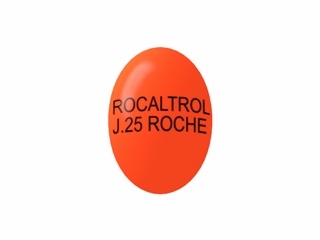
- Available forms: Usually capsules (strengths may vary by product packaging in the UK—your pharmacist can confirm)
- Common packaging: Blister packs or bottle supply depending on manufacturer and strength
Note: Always check your specific pack for the strength (e.g., micrograms per capsule). Your prescribed dose may be different from standard examples in this guide.
How Rocaltrol works (mechanism of action)
Calcitriol is the biologically active form of vitamin D. After it’s absorbed, it binds to vitamin D receptors in the gut, kidneys, and bones. This leads to:
- Increased calcium absorption: It helps the intestine absorb more calcium from food.
- Improved phosphate balance: It can influence phosphate absorption and regulation.
- Support for bone mineralisation: By helping maintain appropriate calcium and phosphate, it supports normal bone strength.
- Modulation of parathyroid hormone (PTH): In some disorders, it helps reduce excess PTH activity, helping to correct abnormal mineral metabolism.
Because calcitriol is already the active vitamin D, it can work more directly than inactive vitamin D forms. This is especially important when kidney function is reduced.
Pharmacokinetics (how the body handles it)
Pharmacokinetics describes how calcitriol is absorbed, distributed, metabolised, and eliminated.
| Aspect | What to expect (overview) |
|---|---|
| Absorption | Calcitriol is absorbed from the gut after oral administration. Food can affect absorption to some extent, so follow your usual dosing routine. |
| Distribution | It circulates in the blood and is transported to target tissues (intestine, bone, kidney). |
| Metabolism | Calcitriol is metabolised mainly in the liver and other tissues into less active metabolites. |
| Elimination | Metabolites are eliminated primarily via bile and faeces, with some renal contribution. |
| Onset and duration | Effects on calcium can begin after dosing and are assessed over days to weeks, depending on the condition and monitoring results. |
Monitoring is essential because the “therapeutic window” (the safe range between benefit and harm) can be narrow—too much active vitamin D can raise calcium levels.
Typical use in the UK
Rocaltrol is typically used to treat disorders related to vitamin D activation problems or calcium/phosphate regulation problems. Common scenarios include:
- Hypoparathyroidism (when the body produces too little parathyroid hormone)
- Postsurgical hypoparathyroidism (after removal of parathyroid tissue)
- Vitamin D resistant rickets/osteomalacia (as determined by specialist assessment)
- Chronic kidney disease-related mineral disorders in selected patients (where calcitriol is clinically appropriate)
Your prescriber decides whether Rocaltrol is suitable based on blood tests (calcium, phosphate, PTH, kidney function) and your medical history.
Indications (when Rocaltrol is used)
In the UK, indications may include:
- Treatment of hypocalcaemia due to hypoparathyroidism
- Control of calcium levels in certain parathyroid-related conditions
- Vitamin D–responsive or related disorders where calcitriol is preferred or required
- Management of mineral metabolism disorders under clinical guidance, including in chronic kidney disease where appropriate
This is a general patient overview. Your local medicines information and clinician assessment will determine the exact indication for your treatment.
How to take Rocaltrol: timing, dose and day-to-day routine
Timing
- Take it at the same time each day to help keep blood calcium levels stable.
- Many people take it once daily, but dosing frequency can vary depending on the condition and blood test results.
Dose (general guidance)
Dosage must be individualised. Below are typical dosing approaches used in clinical practice. Your personal dose may differ.
- Adults with hypoparathyroidism: treatment often starts at a low dose and is adjusted based on calcium and phosphate levels.
- Children and adolescents: dosing is also individualised with careful monitoring, especially for growth and bone development.
- Chronic kidney disease-related mineral disorders: dosing is tailored based on laboratory results and clinician assessment.
Important: If you miss a dose, follow the advice you were given by your healthcare team. Do not take extra doses to “catch up” unless instructed.
Food interactions (what to know about meals)
Calcitriol can be taken with or without food, but food can affect absorption and tolerance for some people.
- Practical approach: Choose a consistent routine (for example, with a meal or at a similar time each day).
- High-calcium diet or supplements: Combining Rocaltrol with high calcium intake or calcium supplements may increase the risk of high calcium levels. Your clinician may adjust diet or supplements accordingly.
- Phosphate-containing foods/supplements: In patients with phosphate imbalance, the healthcare team may advise about phosphate intake or binders.
If you use calcium or vitamin D supplements, discuss the total combined intake with your healthcare team—more is not always safer with active vitamin D.
Alcohol interactions
There is no universally expected “direct” alcohol interaction that affects calcitriol in the way some medicines do. However:
- Alcohol may affect diet and adherence, making calcium management less consistent.
- Regular heavy alcohol intake can influence liver and nutrition status, which may indirectly affect vitamin D metabolism and overall health.
- If alcohol triggers symptoms such as nausea, dizziness, or dehydration, it may be harder to recognise early signs of high calcium.
Safer approach: Keep alcohol intake moderate and stable, and seek advice if you drink heavily or have liver/kidney problems.
Medicine interactions (important to check)
Rocaltrol can interact with other medicines that affect calcium, vitamin D pathways, or kidney function. Tell your healthcare team about all medicines, including over-the-counter products and herbal supplements.
Common interaction categories
- Calcium supplements and other vitamin D products: may increase calcium levels and the risk of hypercalcaemia.
- Thiazide diuretics (e.g., hydrochlorothiazide): can increase blood calcium levels, potentially increasing risk.
- Cardiac glycosides (e.g., digoxin): high calcium levels can increase the risk of heart rhythm problems.
- Magnesium-containing medicines: may complicate electrolyte balance in some conditions.
- Phosphate binders or phosphate supplements: may require adjustments to maintain safe phosphate/calcium balance.
- Medicines affecting vitamin D metabolism: some medicines can alter vitamin D levels (specialist guidance may be needed).
Also consider
- Dehydrating illnesses (vomiting/diarrhoea) can increase the risk of high calcium or kidney stress in some situations. If you become unwell, contact your clinician for advice.
- Kidney function changes can alter how safely you can maintain a dose of active vitamin D.
Always ask your pharmacist if you are unsure whether a specific medicine or supplement is safe to combine with Rocaltrol.
Safety profile: what to watch for
Key safety concern: high calcium (hypercalcaemia)
The major risk with calcitriol is that it can raise calcium levels too high, especially if the dose is too high or if dietary/supplement intake adds extra calcium.
Possible signs of high calcium
- Feeling very thirsty or increased urination
- Nausea, constipation, or stomach pain
- Weakness, fatigue, or confusion
- Muscle aches or bone pain
- In severe cases: dehydration, irregular heartbeat symptoms, or worsening kidney function
What to do
If you experience symptoms suggestive of high calcium, contact your healthcare team promptly for advice. They may ask for blood tests (calcium, phosphate, kidney function) and may adjust the dose.
Other potential side effects
Side effects can vary between individuals. Report new or worsening symptoms to your healthcare professional.
- Common/expected effects: nausea or digestive upset in some patients (often related to calcium levels)
- Electrolyte changes: calcium and phosphate patterns may shift and require monitoring
- Kidney-related complications: long-term imbalance may affect kidneys if calcium control is poor
Regular blood tests are a key part of safe treatment.
Practical use tips (to get the best and safest results)
- Keep up with monitoring: Your clinician will arrange blood tests for calcium and other markers. Attend these appointments even if you feel well.
- Know your target: Ask what your calcium and phosphate goals are and how often you should have tests.
- Be consistent: Take the capsule at the same time each day and keep your routine steady.
- Avoid doubling doses: If you miss a dose, follow your provided instructions rather than taking an extra one.
- Review supplements: Many over-the-counter products contain calcium or vitamin D. Check labels carefully.
- Hydration matters: Drink enough fluids unless you’ve been advised to restrict fluids due to kidney/heart conditions.
- Manage diet thoughtfully: Don’t dramatically change calcium intake or start new supplements without discussing it first.
Alternative options to Rocaltrol (calcitriol)
Alternatives depend on the underlying condition, age, kidney function, and lab results. Options may include:
- Other active vitamin D analogues (used in certain specialist settings)
- Inactive vitamin D (nutritional vitamin D) such as colecalciferol/calcifediol, which may require conversion in the body (often less suitable where kidney activation is impaired)
- Calcium supplements alone may be used in some circumstances, but active vitamin D is often required for control of mineral metabolism
- Specialised regimens guided by a clinician, particularly for complex electrolyte disorders
If you are considering switching therapies, discuss it with your healthcare professional. Changes often require careful monitoring to avoid calcium/phosphate disturbances.
Market and legal context in the United Kingdom
In the UK, medicines containing calcitriol are regulated under UK medicines law. They are available through appropriate medical pathways and pharmacy supply arrangements based on the medicine’s legal classification and local healthcare practice.
- Medicines regulation: Products are authorised and monitored through the UK regulatory framework.
- Pharmacy supply: Dispensing and advice are provided by licensed pharmacies.
- Safety updates: Ongoing pharmacovigilance may lead to updates in advice for healthcare professionals and patients.
This page is a patient-friendly summary and does not replace the official patient information leaflet provided with your medicine.
Recent guidance and monitoring principles (UK-relevant)
Clinical practice in mineral and bone disorders continues to emphasise:
- Regular monitoring of calcium, phosphate, and PTH in conditions affecting mineral metabolism.
- Individualised dosing of active vitamin D based on blood test trends rather than fixed doses.
- Risk minimisation for hypercalcaemia, especially in patients with kidney impairment or those taking additional calcium/vitamin D.
- Reviewing interacting medicines during treatment.
Your clinician may follow national and specialist guidance for chronic kidney disease–related mineral disorders and parathyroid-related conditions, adjusting therapy as your lab values change.
Delivery and availability (online pharmacy)
Availability and delivery options can vary by supplier and by the product strength/pack size. Typically, you can expect:
- Home delivery: Standard and/or express options may be offered depending on location.
- Packaging: Medicines are supplied in tamper-evident packaging with labelling to match the dispensed item.
- Stock updates: If a specific strength is temporarily unavailable, alternative stock or dispatch timing may be communicated by the pharmacy.
- Temperature considerations: Follow the storage instructions on the outer carton; most capsules do not require refrigeration.
If you’re ordering online, ensure your delivery address is correct and someone suitable is available to receive the package, especially if delivery windows apply.
Storage (how to store Rocaltrol)
- Store at room temperature in a safe, dry place, away from excessive heat and direct sunlight.
- Keep out of sight and reach of children.
- Do not use after the expiry date shown on the pack.
- Return unused or expired medicine to a pharmacy for safe disposal, if available in your area.
FAQ
1) What is Rocaltrol used for?
Rocaltrol (calcitriol) is used to treat conditions where the body cannot maintain healthy calcium/phosphate balance, such as hypoparathyroidism and certain vitamin D–related disorders. It is also used in selected cases involving mineral metabolism problems, including in chronic kidney disease under specialist care.
2) When should I take Rocaltrol?
Take it at the same time each day for steady control. Whether you take it with or without food, choose a routine you can stick to and follow your healthcare team’s advice.
3) Will I feel different immediately?
Some people notice improvements in symptoms related to calcium balance, but many effects are assessed through blood tests. Dose adjustments typically happen over days to weeks depending on your results.
4) What happens if I miss a dose?
Follow the guidance provided by your healthcare team or pharmacist. In general, do not take extra capsules to “catch up” unless instructed, because incorrect dosing can increase the risk of high calcium.
5) Can I take Rocaltrol with calcium or vitamin D supplements?
Do not start or change supplements without asking your clinician or pharmacist. Rocaltrol is active vitamin D and combining it with calcium or other vitamin D products can raise calcium levels too high.
6) What should I do if I develop symptoms like nausea, constipation, or confusion?
These can be symptoms of high calcium. Contact your healthcare team promptly for advice and possible blood tests. If symptoms are severe, seek urgent medical help.
7) Are there foods I should avoid?
There are no universal “forbidden” foods, but avoid making sudden large changes to your diet or starting supplements containing high calcium without discussing it. Your clinician may tailor dietary advice based on your blood tests.
8) Is alcohol safe?
Moderate alcohol may be acceptable for many people, but alcohol can affect hydration, nutrition, and adherence. If you drink heavily or have kidney/liver issues, speak to your healthcare team for personalised advice.
9) What blood tests will I need?
Monitoring commonly includes calcium (and often phosphate, PTH, and kidney function). Frequency depends on your condition and how stable your levels are.
10) What are common alternatives if Rocaltrol isn’t suitable?
Alternatives depend on your condition and may include other forms of vitamin D (sometimes inactive forms) or different active vitamin D analogues, along with calcium management strategies. Your clinician will choose based on your lab results and risks.
Always refer to the patient information leaflet included with your medicine. If you have any questions about Rocaltrol, your pharmacist can help you understand how to take it safely and what to monitor.