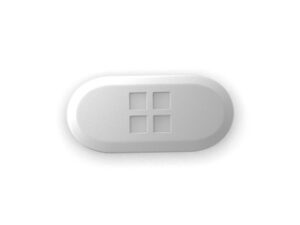
Allegra (Fexofenadine) — Allergy Relief for Adults and Children (UK)
Allegra contains fexofenadine, an antihistamine used to relieve symptoms of seasonal and year-round allergies. It is designed to help with troublesome itching, sneezing, runny nose and watery eyes, as well as hives (urticaria) in people who need ongoing symptom control.
This guide is written for people in the United Kingdom and explains how Allegra works, when to take it, what to watch for, and how it fits within common allergy care. If you are unsure which product strength is right for you (or for a child), speak to a pharmacist.
Basic product information
| Feature | Details |
|---|---|
| Medicinal product | Allegra |
| Active ingredient | Fexofenadine |
| Medicinal class | Non-drowsy (second-generation) antihistamine |
| Main allergy symptoms targeted | Hay fever symptoms (rhinitis) and hives (urticaria) |
| Common dosing forms | Tablets and/or oral preparations depending on age/strength available |
| Typical dosing frequency | Once daily (most common adult dosing) |
How Allegra works (mechanism of action)
Fexofenadine is an antihistamine. When your immune system reacts to an allergen (such as pollen, dust mites, pet dander or mould), it releases histamine. Histamine binds to H1 receptors in the body and triggers symptoms like:
- Sneezing
- Itchy, watery eyes
- Runny or blocked nose
- Itching and raised welts in hives
Allegra blocks H1 receptors, helping to reduce these symptoms. Because it is considered a second-generation antihistamine, it is generally less likely than older antihistamines to cause drowsiness. However, individual responses vary—some people may still feel sleepy.
Pharmacokinetics (how the body handles fexofenadine)
Pharmacokinetics explains what happens after you take a dose: absorption, distribution, metabolism and elimination. While individual factors can affect results (for example, age and kidney function), the key points for fexofenadine are:
- Absorption: Fexofenadine is absorbed from the gut, but its uptake can be reduced by certain foods—especially fruit juices.
- Onset of symptom relief: Many people notice improvement within about 1–2 hours. Full relief may take longer depending on symptom severity and the pattern of exposure.
- Protein binding: Like many antihistamines, it binds to blood proteins to some degree.
- Elimination: It is cleared mainly via the kidneys and through the bile/intestine. Kidney function matters for dosing in some people.
- Half-life: The duration of action is long enough for once-daily dosing for many adults.
What Allegra is used for (indications)
Allegra fexofenadine is commonly used to treat:
- Allergic rhinitis (hay fever) — symptoms such as sneezing, runny nose, itchy nose, and watery/itchy eyes that occur during allergy seasons or with year-round allergens.
- Chronic idiopathic urticaria (hives) — to relieve itching and reduce raised welts (also called hives) when they occur.
Typical timing and how to take it
Most commonly, Allegra is taken . Choosing a consistent time can help you remember and maintain steady symptom control. Consider the following practical approach:
- For hay fever: Start during allergy season or when symptoms begin. Continue through the period of exposure as needed.
- For hives: Use as advised for ongoing control and only change the schedule with guidance from a pharmacist.
- Consistency: Taking it at the same time each day can improve predictability.
If your product pack specifies a different frequency or strength for children, follow the pack instructions and pharmacist advice.
Dosing (general UK guidance)
Dosage depends on the strength of the product and the age of the person taking it. Always check the box/leaflet for the exact dose for your specific Allegra preparation.
Common adult dosing (typical)
- Adults and adolescents: often 120 mg once daily for allergic rhinitis or urticaria.
Children (typical)
- Children’s doses vary by formulation. There are fexofenadine products suitable for children, with age-specific strengths. Use the dose recommended on the pack and discuss with a pharmacist if you are unsure.
Special populations
- Kidney problems: fexofenadine is cleared by the kidneys. People with reduced kidney function may need a lower dose. Seek advice from a healthcare professional or pharmacist.
- Older adults: dosing is often similar, but kidney function should be considered.
Tip: If symptoms persist or worsen after several days, you may need a review of your allergy plan (for example, whether nasal sprays, eye drops, or a different medicine might suit you better).
Food interactions (important)
Food can affect how well fexofenadine is absorbed. The most important interaction involves fruit juices.
- Avoid grapefruit or orange/grapefruit juice: These can significantly reduce the amount of fexofenadine absorbed, reducing effectiveness.
- Drink with water: Taking your tablet with water is typically the safest approach.
- General food: Plain meals are usually fine, but if you notice reduced effect, consider taking the dose consistently with a similar meal pattern or ask a pharmacist.
Alcohol interactions
There is no universally required alcohol restriction for fexofenadine like there may be with some sedating medicines, but alcohol can still increase the chance of feeling tired or slower to react, particularly if you are sensitive.
- If you feel drowsy after taking Allegra, consider avoiding alcohol or reducing intake until you know how your body responds.
- If you plan to drive or operate machinery, be cautious and assess your alertness.
Medicine interactions (drug interactions to know)
Some medicines can interfere with absorption or increase side effects. Discuss with a pharmacist if you take regular medicines, especially:
- Antacids containing aluminium or magnesium: These can bind fexofenadine in the gut and reduce its effectiveness. If you need an antacid, separate it from fexofenadine by a few hours (pharmacist can advise the exact timing).
- Other antihistamines or allergy medicines: Avoid doubling up unless advised, as this increases side-effect risk.
- Kidney-affecting medicines: Because clearance depends on the kidneys, people with kidney disease should seek advice.
For the best safety, check the patient information leaflet and ask your pharmacist about your specific medicines, especially if you have multiple conditions or take long-term treatments.
Safety profile (side effects and when to seek help)
Most common side effects
Many people tolerate fexofenadine well. Common or mild effects may include:
- Headache
- Dry mouth
- Dizziness
- Stomach discomfort or nausea (less common)
Less common but important warnings
Seek medical help urgently if you experience signs of a serious allergic reaction such as:
- Swelling of the face, lips, tongue or throat
- Difficulty breathing or severe wheezing
- Rash with blisters or widespread skin reaction
Who should take extra care
- People with kidney problems: dose may need adjustment.
- People who have had allergy to antihistamines: stop and get advice if symptoms suggest intolerance.
- Children: always use the correct paediatric strength and dose.
Driving and machinery
Allegra is often described as non-drowsy, but everyone responds differently. If you feel sleepy or dizzy, avoid driving and using machinery. Alcohol can worsen alertness for some people.
Practical use tips (getting the best results)
- Start early: If you know your hay fever season begins on a certain date, starting before peak pollen days can help.
- Be consistent: Once-daily dosing works best when taken at a similar time each day.
- Reduce exposure: Close windows on high pollen days, shower after outdoor activities, and keep indoor airflow filtered.
- For itchy eyes: Consider whether you need separate eye drops alongside an oral antihistamine.
- For a blocked nose: An oral antihistamine may help, but nasal steroid sprays often provide stronger relief for nasal blockage. A pharmacist can recommend an appropriate step-up approach.
- Avoid fruit juice: Take with water; avoid grapefruit and orange juice around the dose.
- Separate antacids: If you take indigestion medicines with aluminium or magnesium, spacing doses can protect effectiveness.
Alternative options (if Allegra isn’t right)
Different allergy symptoms respond differently to different treatments. Depending on your pattern of symptoms and preferences, alternatives may include:
Other antihistamines
- Loratadine, cetirizine, levocetirizine (vary in drowsiness potential)
Nasal sprays and eye treatments
- Antihistamine nasal sprays for runny/sneezy symptoms
- Corticosteroid nasal sprays for persistent nasal inflammation and congestion
- Antihistamine or mast-cell stabiliser eye drops for itchy, watery eyes
When to seek further advice
If you have frequent flare-ups, severe symptoms, asthma symptoms, or you are not improving with an appropriate OTC approach, consider seeking advice from a pharmacist or GP. They can help ensure your treatment matches your symptoms and timing.
Market and legal context in the United Kingdom
Allergy medicines such as Allegra (fexofenadine) are widely available in the UK. Availability can differ by:
- Formulation (strengths and whether it is supplied as tablets or oral preparations)
- Age indication (adult versus paediatric packs)
- Regulatory classification (some may be available over the counter, depending on product and strength)
Pharmacist support is available in many settings, especially for choosing correct doses for children, managing interactions, and deciding whether symptoms suggest something beyond typical allergic rhinitis or urticaria.
Recent guidance and practical considerations (UK-focused)
UK allergy guidance commonly emphasises selecting treatment based on symptom type and severity. In practice:
- Oral antihistamines are often used for sneezing, itch and watery eyes.
- For persistent nasal congestion, nasal steroid sprays may be more effective than antihistamines alone.
- For hives (urticaria), regular antihistamine use may be required to control itching and welts.
If your symptoms keep returning or you need antihistamines for long periods, speak to a pharmacist for a tailored plan.
Delivery and availability
Allegra is typically available online through UK pharmacies and may be dispatched quickly depending on stock levels and the selected delivery option. Delivery schedules can vary by location and carrier, especially during periods of high demand.
- Check dispatch times: Our listing may show an estimated dispatch and delivery window.
- Order early: If you are approaching a known hay fever period, ordering ahead can help prevent delays.
- Packaging and temperature: Store medicines as indicated on the outer pack; most antihistamines do not require refrigeration.
Availability of specific pack sizes and strengths may differ. If you’re looking for a particular strength for a child, confirm it before ordering.
How to store Allegra
- Keep in the original packaging to protect from light.
- Store at temperatures recommended on the pack.
- Keep out of the sight and reach of children.
- Do not use after the expiry date on the carton/blister.
FAQ — Allegra (Fexofenadine)
1) Is Allegra non-drowsy?
Fexofenadine is often described as less likely to cause drowsiness than older antihistamines. However, some people may still feel tired or dizzy. If you notice sleepiness, avoid driving and alcohol until you know how you respond.
2) How quickly does Allegra work?
Many people feel symptom relief within 1–2 hours. If symptoms are severe, it may take longer to notice full benefit. Taking it consistently once daily can improve control.
3) Can I take Allegra with food?
Food is generally okay, but interactions can occur with certain drinks. For best absorption, take Allegra with water and avoid grapefruit and orange juice around the time of dosing.
4) Should I avoid alcohol?
There is no strict universal rule, but alcohol can increase tiredness or dizziness in some people. If you feel drowsy after taking Allegra, avoid alcohol or drink less.
5) Can I take Allegra if I’m taking other medicines?
Many people can, but some medicines may affect absorption or increase side effects. In particular, antacids containing aluminium or magnesium may reduce effectiveness. Check with a pharmacist if you take regular medicines.
6) How long should I take it for hay fever?
You can usually take it throughout the allergy season or the period when symptoms occur. If symptoms persist despite treatment, consider asking a pharmacist about a step-up plan (for example, nasal sprays or additional eye treatments).
7) What if I forget a dose?
If you miss a dose, take it when you remember unless it is nearly time for the next one. Do not take a double dose to make up for a missed tablet.
8) Is Allegra suitable for children?
Yes, fexofenadine products include options for children, but the correct dose and formulation depend on age. Always follow the pack instructions and check with a pharmacist if you are unsure.
9) What side effects should make me stop and seek advice?
Seek urgent medical help for signs of an allergic reaction (for example, swelling of the face or throat, difficulty breathing, severe rash). If you experience troubling or persistent symptoms such as severe dizziness or ongoing headache, speak to a pharmacist or clinician.
10) What are the best non-medicine steps for allergies?
Practical measures include reducing exposure to allergens (such as keeping windows closed on high pollen days), showering after outdoor activity, regularly washing bedding, and considering appropriate home air filtration if relevant.
Final notes
Allegra (fexofenadine) can be a helpful option for many people with seasonal or year-round allergy symptoms and for hives. For the best outcomes, take it as directed, avoid juice interactions, and consider complementary treatments if your symptoms are not fully controlled. If you have medical conditions (especially kidney problems) or take other medicines, a pharmacist can help you choose the safest plan.