

Clarinex (Desloratadine) – Patient Guide (UK)
Clarinex contains desloratadine, an antihistamine used to relieve allergy symptoms. It is commonly used for hay fever (allergic rhinitis) and itchy skin conditions such as urticaria (hives). This guide explains how Clarinex works, how to take it, what to expect, and important safety information for people in the United Kingdom.
Quick overview
- Active ingredient: Desloratadine
- Type: Non-drowsy (second-generation) antihistamine
- Common uses: Allergic rhinitis (hay fever), urticaria (hives)
- Typical dosing frequency: Once daily (in most cases)
- Onset: Symptoms may start improving within a few hours
Basic product information
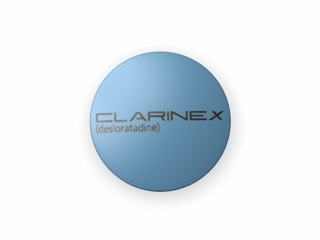
Clarinex is available in the UK in forms designed for different age groups and dosing needs. Your local product pack may contain:
- Tablets (commonly 5 mg)
- Oral solutions (for those who prefer liquid or for children, depending on age/strength)
The exact strength and suitability by age can vary by product presentation. Always check the pack and follow the instructions given for your specific Clarinex formulation.
How Clarinex works (mechanism of action)
Allergy symptoms are driven largely by a substance called histamine. During an allergic reaction, histamine binds to H1 receptors (histamine type 1 receptors) on cells in the body, leading to symptoms such as:
- itching
- sneezing and runny nose
- watery eyes
- red, raised welts (hives) and itch
Desloratadine works by blocking H1 receptors. By blocking these receptors, it helps reduce the effects of histamine and thereby relieves symptoms of allergic conditions.
Because it is a second-generation antihistamine, desloratadine is designed to have less effect on the brain than older “first-generation” antihistamines, meaning it’s usually less likely to cause drowsiness. Individual responses vary.
Pharmacokinetics: how the body handles desloratadine
Pharmacokinetics describes how a medicine is absorbed, distributed, metabolised, and eliminated. For desloratadine:
- Absorption: Absorbed after oral dosing and reaches effective levels relatively quickly.
- Onset: Symptom relief is often noticed within a few hours.
- Distribution: The drug is distributed throughout the body to reach target H1 receptors.
- Metabolism: Desloratadine is processed in the body; it is not the same as being “broken down” into another antihistamine in the way some older medicines are.
- Elimination: Mainly excreted after metabolism, with a long enough duration to support once-daily dosing in typical use.
If you have liver or kidney problems, medicine levels can be affected. You should follow guidance from a clinician or pharmacist and check product instructions for your specific age group and condition.
What Clarinex is used for (indications)
Clarinex is used to relieve symptoms caused by:
-
Allergic rhinitis (hay fever)
Helps relieve symptoms such as sneezing, runny nose, itchy nose, and itchy/watery eyes. -
Urticaria (hives)
Helps reduce itching and the number/size of hives.
It does not “cure” allergies, but it can control symptoms while the trigger is present (such as pollen or dust mites) or while hives are active.
When to take it and timing
Desloratadine is designed for once-daily use in most people. Consistency helps maintain symptom control.
Typical timing
- Once daily: Choose a time that is easy to remember.
- For hay fever: Starting when symptoms begin (or before expected exposure) may help reduce symptoms during the season.
- For hives: Use regularly as directed while symptoms persist.
How quickly it may work
Many people notice improvement within a few hours, with best effect often developing as the course continues. If symptoms are severe, it may still be useful for ongoing daily control, but it should be combined with avoidance measures where possible.
Food interactions
Food is not generally expected to significantly reduce the effectiveness of desloratadine. This means you can typically take Clarinex with or without food.
If your product is a liquid or you are giving it to a child, ensure you measure doses accurately using the provided measuring device (if included in your pack).
Alcohol interactions and practical advice
Because desloratadine is a second-generation antihistamine, it is less likely to cause sedation than older antihistamines. However, alcohol may still increase drowsiness in some people.
- For most people, moderate alcohol is unlikely to cause major problems.
- If you feel sleepy or slower than usual, avoid alcohol and do not drive.
- If you are new to Clarinex, consider testing how you respond before drinking alcohol.
Interactions with other medicines
Desloratadine has a relatively low interaction potential. Still, medicines can affect each other, especially if you take multiple products.
Common practical interaction considerations
- Other antihistamines: Avoid doubling up on antihistamines unless advised.
- Sedatives or sleep medicines: Combining with medicines that cause drowsiness may increase the chance of feeling sleepy.
- Liver-affecting medicines: If you take medicines that strongly affect the liver, check with a pharmacist.
Always tell your pharmacist or healthcare professional about all medicines and supplements you use, including over-the-counter products, herbal remedies, and those used occasionally (e.g., cold and flu combinations).
Dosing: typical schedules for UK use
Dosing depends on the formulation (tablet or oral solution) and the age of the person taking it. Always follow the instructions on your pack and the advice you receive.
General dosing (common UK pattern)
- Adults and adolescents (commonly 12 years and over): typically once daily
- Children: dosing is based on age and may use the oral solution with a measured volume
The exact mg per dose and the minimum age for each strength can vary. Refer to the product packaging or the pharmacy label you receive.
Special situations
- Kidney or liver impairment: You may need a modified approach. Ask a pharmacist for guidance.
- Pregnancy and breastfeeding: Discuss with a clinician if you are pregnant, trying to conceive, or breastfeeding. They can advise on suitability for your individual situation.
Safety profile: what to know
Most people tolerate desloratadine well. However, as with all medicines, side effects can occur. If you experience severe symptoms or signs of an allergy to the medicine itself, seek urgent medical advice.
Common side effects
- dry mouth
- headache
- fatigue (tiredness)
- small gastrointestinal effects (e.g., nausea) in some people
Less common but important symptoms
- palpitations or unusual heartbeat sensations
- severe skin reaction (e.g., blistering rash)
- swelling of the face, lips, or throat (possible allergic reaction)
When to stop and get help
Get urgent advice if you develop symptoms of a serious allergic reaction, such as:
- difficulty breathing
- swelling of the face, tongue, or throat
- severe rash or blistering
Practical use tips
For hay fever symptoms
- Keep exposure low: Shower after being outdoors, consider keeping windows closed during high pollen periods, and use sunglasses outdoors if eye symptoms are troublesome.
- Consistency matters: Taking your dose daily during the season can help prevent symptoms building up.
- Combine measures: If you also use nasal sprays (for example, steroid nasal sprays), follow the recommended schedule—antihistamine tablets help with itch/sneeze while nasal sprays target nasal inflammation.
For hives (urticaria)
- Avoid known triggers: Some people find heat, certain foods, alcohol, stress, or non-steroidal anti-inflammatory drugs (NSAIDs) can make hives worse.
- Look for patterns: If hives keep recurring, note timing and possible triggers to discuss with a clinician.
- Don’t “stop too early”: If hives are ongoing, regular daily dosing often provides steadier control.
How to take it
- Tablets: Swallow with water.
- Oral solution: Shake if instructed and use the correct measure.
- Missed dose: Take it when you remember unless it is close to the next dose. Do not take a double dose.
Alternative options (UK)
There are several other antihistamines and approaches depending on the specific allergy symptoms and individual response. Alternatives include:
- Cetirizine (second-generation antihistamine; some people feel more sleepy than with desloratadine)
- Loratadine (second-generation antihistamine; typically once daily)
- Levocetirizine (second-generation antihistamine; may be more likely to cause drowsiness in some people)
- Fexofenadine (second-generation antihistamine; often considered among the least sedating)
For persistent hay fever, some people benefit from intranasal corticosteroid sprays (e.g., fluticasone or similar) for longer-lasting symptom control, particularly nasal blockage. For itchy eyes, antihistamine eye drops may help.
If symptoms do not improve or you have recurrent hives, a pharmacist can advise on appropriate next steps and whether a different approach may be better.
Market and legal context in the United Kingdom
In the UK, antihistamines like desloratadine are widely used for allergic symptoms. Product availability may vary between pharmacy (P medicines), general sale (where applicable), and other regulatory routes depending on concentration and formulation.
Online pharmacies in the UK typically provide medicines that are legally supplied through appropriate channels and follow UK requirements on:
- accurate product information
- pharmacy verification processes where required
- safe dispensing and labelling
- consumer safety and guidance
Always ensure you buy from a reputable UK-registered supplier and check that the product packaging matches what you ordered.
Recent guidance and practical recommendations (general)
UK allergy guidance commonly emphasises:
- Using non-drowsy antihistamines for symptoms like sneezing, itch, and runny nose
- Considering nasal steroid sprays for moderate to severe hay fever, especially if nasal blockage is prominent
- Reviewing treatment if symptoms persist despite appropriate use
- Minimising unnecessary additional medications to reduce side effects and interactions
For hives, guidance often stresses the importance of regular antihistamine use and reassessment if hives become chronic, unusually severe, or accompanied by systemic symptoms.
Delivery and availability (UK online pharmacy)
Availability can vary depending on formulation and strength, but Clarinex is generally stocked by reputable online pharmacies. Delivery times may differ based on:
- your location within the UK
- order cut-off times
- stock levels and whether the item is held locally
When you order online, you should receive:
- clear product labelling
- usage instructions included on or with the pack
- information about delivery and any tracking options
If you need a liquid form for a child or a specific strength, check the product page carefully to ensure it matches the correct age and dose instructions.
FAQ: Clarinex (desloratadine)
1) Will Clarinex make me sleepy?
Desloratadine is designed to be less sedating than older antihistamines. However, some people still feel tired or sleepy. If this affects you, avoid driving or operating machinery and consider speaking with a pharmacist about alternatives.
2) How long does it take to work?
Many people notice improvement within a few hours. For ongoing allergy symptoms, regular once-daily dosing helps maintain control throughout the day.
3) Can I take Clarinex every day?
If your symptoms require ongoing relief, Clarinex can often be taken once daily for periods during allergy seasons or while hives persist, following the pack instructions. If symptoms do not improve, seek advice from a pharmacist.
4) Can I take it with food?
Yes. Food does not generally significantly affect desloratadine. You can take it with or without meals.
5) Is it safe to drink alcohol while taking Clarinex?
Desloratadine is usually not strongly sedating, but alcohol may increase drowsiness in some people. If you feel sleepy, avoid alcohol and driving.
6) What if I miss a dose?
Take it when you remember unless it is almost time for the next dose. Do not take a double dose to catch up.
7) Can I take other cold and flu medicines at the same time?
Some cold and flu products contain antihistamines or other ingredients that may overlap with Clarinex. Check the labels carefully to avoid duplication. Ask a pharmacist if you’re unsure.
8) What should I do if my hay fever or hives are not improving?
If symptoms remain troublesome after using Clarinex correctly, consider discussing with a pharmacist. For hay fever, a nasal steroid spray may be more effective for nasal blockage. For hives, the pattern and duration may require a reassessment.
9) Who should take extra care with desloratadine?
People with kidney or liver problems, those who are pregnant or breastfeeding, and anyone taking multiple medicines should check suitability and dosing guidance with a pharmacist or clinician.
10) Can Clarinex be used for children?
Clarinex oral solution is available for children, but dosing depends on age. Always use the correct product strength and measure dose accurately as described for that age group.
Summary
Clarinex (desloratadine) is a second-generation antihistamine used to relieve symptoms of allergic rhinitis and urticaria. By blocking histamine’s action at H1 receptors, it helps reduce itch, sneezing, runny nose, and hives. It is usually taken once daily, with food generally not affecting its performance. Most people tolerate it well, but it’s wise to watch for individual side effects such as tiredness or headache and to check for possible interactions if you take other medicines.
If you have any concerns about suitability, dosing for a specific age, or whether it’s the right option for your symptoms, speak to a UK pharmacist.
| Topic | Key information |
|---|---|
| Active ingredient | Desloratadine |
| Type | Second-generation H1 antihistamine |
| Used for | Allergic rhinitis (hay fever), urticaria (hives) |
| Typical dosing | Once daily (varies by age/strength/form) |
| With food? | Usually can be taken with or without food |
| Alcohol | Usually low sedation, but alcohol may increase drowsiness |
| Common side effects | Dry mouth, headache, tiredness (may vary) |