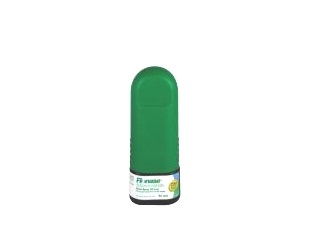
Flonase Nasal Spray (Fluticasone) — Patient Information (UK)
Flonase Nasal Spray contains fluticasone, a corticosteroid medicine used in the nose. It helps reduce inflammation in the nasal passages and can relieve symptoms such as sneezing, blocked nose, runny nose, and itching associated with allergies and some non-allergic nasal conditions.
This guide is written for patients in the United Kingdom and explains how Flonase works, how to use it, when to expect results, and important safety information. Always follow the instructions provided with your product and consult a pharmacist or healthcare professional if you are unsure.
Quick Product Overview
| Category | Details |
|---|---|
| Medicine | Flonase Nasal Spray (fluticasone) |
| Type | Intranasal corticosteroid |
| Common uses | Hay fever (allergic rhinitis), nasal inflammation, and other steroid-responsive nasal symptoms |
| Where to apply | Nose (nasal spray) |
| Onset | Some improvement may be noticed within 12–24 hours; best effect often after several days of regular use |
| Typical frequency | Varies by age and indication; follow the product label or healthcare advice |
What Is Flonase Nasal Spray?
Flonase Nasal Spray is an intranasal corticosteroid. Unlike decongestant sprays that work quickly but wear off, corticosteroid nasal sprays reduce the underlying inflammation. This makes them particularly helpful for symptoms caused by repeated irritation of the nasal lining, such as:
- Hay fever (allergic rhinitis)
- Persistent nasal congestion related to nasal inflammation
- Nasal symptoms that respond to anti-inflammatory treatment
Fluticasone is widely used as a first-line option for many people with allergic rhinitis, including those who need longer-term symptom control during seasonal allergy peaks.
How Flonase Works (Mechanism of Action)
Fluticasone is a corticosteroid. When sprayed into the nose, it:
- Reduces the inflammatory response in the nasal mucosa
- Decreases release of substances that drive itching, sneezing, and swelling
- Helps control nasal congestion by reducing inflammation in the nasal lining
Because it targets inflammation rather than simply narrowing blood vessels, it is most effective when used regularly, especially for seasonal symptoms.
Pharmacokinetics (How the Body Handles Fluticasone)
Understanding pharmacokinetics can reassure patients about why intranasal medicines are often well tolerated.
- Local action: Fluticasone acts mainly in the nasal tissues where it is applied.
- Absorption: A small amount may be absorbed through the nasal lining. Some may be swallowed and absorbed via the gastrointestinal tract, but systemic exposure is generally low when used as directed.
- Metabolism: If absorbed, fluticasone is primarily metabolised in the liver (largely via CYP3A4).
- Elimination: Metabolites are eliminated mainly through bile and faeces, with a small amount via urine.
Practical takeaway: With correct dosing, systemic levels are typically low, which helps limit steroid-related side effects compared with oral steroids.
What Is Flonase Used For in the UK?
Flonase nasal spray is used to treat inflammatory nasal symptoms. Indications may vary slightly depending on the exact product strength and formulation available in the UK. Common uses include:
- Allergic rhinitis (hay fever): sneezing, itchy nose, runny nose, and nasal blockage
- Non-allergic rhinitis: persistent nasal symptoms that may improve with steroid treatment
- Ongoing nasal inflammation related to irritation in the nasal passages
For the most accurate indication for your specific product, check the package leaflet or the information on the outer carton.
When to Start Using It (Timing & Expected Results)
Flonase works gradually. Many people notice improvement within the first day, but maximum benefit often takes longer.
- First effects: Some symptom relief may start within 12–24 hours.
- Full benefit: Best results are typically seen after several days of regular use.
- Seasonal allergies: If you know your pollen season is coming, starting a few days to a week beforehand can help.
Tip: If you stop once symptoms improve, symptoms may return. For ongoing conditions, continue using as advised.
How to Use Flonase Nasal Spray (Practical Instructions)
Correct technique makes a big difference to comfort and effectiveness.
- Prepare the bottle: If using for the first time, or after not using for a long time, you may need to prime the spray (as described in your leaflet).
- Gently blow your nose to clear mucus.
- Shake the bottle if the leaflet recommends it.
- Position the nozzle: Insert the nozzle into one nostril while keeping your head upright.
- Aim slightly outwards (towards the ear), not straight up or towards the centre of the nose.
- Breathe in gently through the nose as you press the pump.
- Repeat for the other nostril if required.
- Wipe the nozzle and replace the cap.
Hygiene: Keep the nozzle clean. If it becomes blocked, do not push hard objects into it. Follow the leaflet for cleaning.
Missing a dose
If you miss a dose, use it when you remember unless it is close to the next dose. Do not double up.
Dosing in the UK (Typical Regimens)
Dose depends on age, the condition being treated, and the specific Flonase product strength. Always follow your label or the guidance on the pack.
Common examples of dosing patterns (for intranasal fluticasone products) include:
- Adults and adolescents: often start with one to two sprays per nostril once daily, depending on product strength and symptom severity.
- Children: dose is typically lower and age-dependent.
Important: Because different strengths may exist, always check the exact dosing instructions printed on your specific Flonase Nasal Spray packaging or leaflet.
If symptoms do not improve after several days of correct use, speak to a pharmacist or clinician for review.
Food Interactions
Flonase is used in the nose, and food does not usually affect how it works. However, if some of the dose is swallowed (common with nasal sprays), digestive factors are not generally expected to cause clinically meaningful interactions.
General advice: You can take meals as normal. There is no specific requirement to avoid food when using Flonase as directed.
Alcohol and Medicine Interactions
Alcohol
Alcohol is not known to have a direct interaction with fluticasone nasal spray. If you drink alcohol, use caution as part of general health considerations. If you experience unusual side effects, seek advice.
Interactions with other medicines
Fluticasone is metabolised mainly by CYP3A4. Medicines that strongly inhibit CYP3A4 may increase fluticasone levels and raise the risk of systemic steroid effects.
Examples of medicines that may interact (not an exhaustive list):
- Some antifungal agents (e.g., ketoconazole or itraconazole)
- Some antiviral medicines used for HIV or hepatitis
- Some antibiotics that affect CYP3A4 (pharmacist can advise based on your exact medicine)
Also consider: If you are using other nasal sprays (e.g., saline rinses, antihistamine sprays, or additional steroid sprays), spacing and technique may matter. Consult your pharmacist for how to combine therapies safely.
Always tell your pharmacist about all medicines and herbal products you use, including non-prescription items.
Safety Profile and Side Effects
Like all medicines, Flonase can cause side effects, although not everyone experiences them. Many nasal side effects are mild and tend to improve as your nose adjusts.
Common side effects
- Nose irritation or burning sensation
- Dry nose
- Nosebleeds (epistaxis)
- Sore throat or irritation after spraying
- Headache (sometimes)
Less common or serious risks
These are less likely with nasal fluticasone when used correctly, but you should seek medical advice promptly if you notice:
- Persistent or heavy nosebleeds
- Signs of nasal infection (worsening pain, fever, unusual discharge)
- Worsening breathing or severe allergic reaction symptoms (e.g., facial swelling, difficulty breathing)
- Eye symptoms or changes in vision if you have risk factors for steroid side effects (especially with high-dose or long-term use)
When to be extra careful
Be cautious and get advice before using if you have:
- Recent nasal surgery or significant nasal injury
- Active nasal infections (unless advised otherwise)
- Glaucoma or cataracts history
- Frequent nosebleeds
- Use of other steroid medicines (including tablets or inhalers)
Practical Use Tips for Best Results
- Be consistent: Use at the same time each day for steady control.
- Use correct aiming: Aim slightly outward to reduce irritation.
- Don’t sniff hard: Gentle inhalation helps the spray reach the nasal area without causing discomfort.
- Manage dryness: If your nose feels dry, consider saline spray or gentle nasal moisturising products (ask a pharmacist).
- Clean the nozzle regularly: A blocked nozzle can change the dose and technique.
- Allow time: If symptoms are severe, continue regularly for several days before judging effectiveness.
- Check for technique: Incorrect use can cause most of the medicine to miss the nasal target area.
Alternative Options (If You Can’t Use Flonase or Need Something Different)
If Flonase isn’t suitable or doesn’t work well enough, there are several alternative approaches commonly used for nasal allergy and inflammation. Your pharmacist can advise based on your symptoms and other medicines.
Other medication options
- Other intranasal corticosteroids: Different fluticasone or budesonide-type sprays may be options.
- Intranasal antihistamines: Can help with allergy symptoms, particularly sneezing and runny nose.
- Oral antihistamines: Useful for overall allergy symptoms, though may be less targeted for nasal congestion than steroids.
- Saline irrigation or saline sprays: Help clear allergens and mucus and can be used alongside medication.
Non-medicine measures
- Allergen avoidance: Where feasible (e.g., keeping windows closed during high pollen times).
- Rinse after outdoor exposure: Saline rinses may reduce allergen build-up.
- Bedroom measures: Wash bedding regularly and consider pollen filtration.
Note: If you are considering adding or switching medicines, ask a pharmacist to ensure appropriate combinations and avoid unnecessary overlap of steroid sprays.
Market & Legal Context in the United Kingdom
In the UK, intranasal corticosteroid sprays such as fluticasone are widely available and commonly used to treat rhinitis symptoms. Depending on the specific formulation and strength, products may be:
- Available from pharmacies as non-prescription treatment options; and/or
- Provided via healthcare services for certain indications or age groups.
Pharmacists play an important role in advising on:
- Correct diagnosis (allergic vs non-allergic symptoms)
- Appropriate dosing by age
- Recognising when symptoms need further assessment
- Ensuring safe use alongside other medicines
Recent guidance (general direction): UK and international clinical practice commonly supports intranasal corticosteroids as a key treatment for persistent allergic rhinitis, with attention to correct technique and follow-up if symptoms do not improve after an appropriate trial period.
How Long Should You Use It?
Many people use Flonase during high-allergy periods (seasonal use) or as ongoing management for year-round symptoms. Duration varies by condition:
- Seasonal allergies: Use during the pollen season, often starting before symptoms begin.
- Year-round rhinitis: Use regularly as advised; some people require continuous treatment.
If you are using it long term, periodic reviews with a pharmacist or clinician may be appropriate, especially if you experience recurrent nosebleeds or any steroid-related concerns.
Delivery and Availability (UK)
Flonase Nasal Spray is generally available through UK pharmacies and online pharmacy services where permitted. Availability can vary by stock level, pack size, and strength.
- Dispatch: Orders are typically processed quickly during opening hours.
- Delivery: Delivery times vary by courier and location; estimated delivery windows are usually shown at checkout.
- Packaging: Medicines are supplied in suitable protective packaging for safe transit.
If you need delivery to a specific location (e.g., work address) or have timing requirements, check the delivery options shown on the product page before ordering.
FAQ — Frequently Asked Questions
1) How quickly does Flonase work?
Some people notice improvement within 12–24 hours. The best effect usually takes several days of regular daily use. If you only use it once or stop early, symptoms may return.
2) Will Flonase cause addiction or stop working?
Flonase is not typically associated with “addiction” in the way that some decongestant sprays can be. However, allergic rhinitis can persist, so stopping may lead to symptom return. Use it as advised for your condition.
3) Can I use Flonase if I have a blocked nose?
Yes, Flonase can help with nasal blockage, but technique matters. Gentle blowing of the nose before spraying and correct aiming can improve results.
4) What if I get nosebleeds?
Mild nosebleeds can occur. Tips that may help include correct aiming, gentle sniffing (not forceful), and avoiding overuse. If nosebleeds are frequent, severe, or persistent, stop using and speak to a pharmacist or healthcare professional.
5) Can I use Flonase with other allergy medicines?
Often, yes—but it depends on what you are using. Some people combine intranasal treatments with oral antihistamines during peak symptoms. Avoid duplicating steroid sprays without advice. Ask a pharmacist about your current medicines.
6) Is it safe to use in pregnancy or while breastfeeding?
Many patients are able to use intranasal corticosteroids during pregnancy or breastfeeding when advised by a healthcare professional. If you are pregnant, planning pregnancy, or breastfeeding, ask for tailored advice from a pharmacist or clinician.
7) Can children use Flonase?
Children can sometimes use intranasal fluticasone products, but dosing depends on age. Use only the product and strength appropriate for the child’s age, and follow the label directions. If unsure, seek pharmacist advice.
8) Does Flonase interact with antibiotics or antifungals?
Some medicines that affect liver enzymes (especially CYP3A4 inhibitors like certain antifungals) may increase fluticasone exposure. Tell your pharmacist about all medicines you are taking so they can check for interactions.
9) Should I stop once my symptoms improve?
For seasonal symptoms, you may stop once the season ends or when symptoms resolve—however, if you have persistent year-round symptoms, you may need ongoing use. Ask your pharmacist for advice based on your pattern of symptoms.
10) What should I do if my symptoms don’t improve?
If symptoms do not improve after several days of correct use, or they worsen, seek advice. You may have the wrong diagnosis (e.g., infection, medication-related rhinitis, nasal polyps), or you may need a different approach.
Important Safety Reminder
This information is designed to help you use Flonase Nasal Spray safely and effectively. If you have any concerns, experience severe side effects, or have symptoms that do not improve, speak to a pharmacist or healthcare professional. Always read the package leaflet provided with your medicine for the full details relevant to your specific Flonase product.