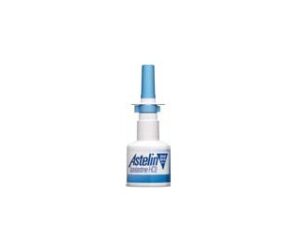
Azelastine (Nasal Spray/Eye Drops) – Patient Guide (UK)
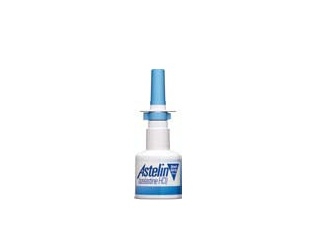
Azelastine is a medicine used to treat allergic conditions, most commonly allergic rhinitis (hay fever) affecting the nose, and allergic conjunctivitis affecting the eyes. In the UK, azelastine is available in different formulations depending on the condition being treated, such as nasal sprays for rhinitis and eye drops for allergic eye symptoms.
This guide explains how azelastine works, how it fits into day-to-day symptom relief, key safety considerations, and what to expect regarding onset of action and practical use. Always follow the specific instructions provided with your medicine and consult a healthcare professional if you are unsure.
Basic product information
- Active ingredient: Azelastine
- Common forms in the UK: nasal spray; eye drops (formulations vary by product)
- Category: antihistamine (antiallergy medicine)
- Typical conditions: allergic rhinitis (nose), allergic conjunctivitis (eyes)
- Availability: Some products are available over the counter (OTC) depending on formulation and strength; others may require a clinician’s advice
Because exact product strengths and dosing schedules can vary, check the label for your specific brand and strength.
How azelastine works (mechanism of action)
Azelastine is a second-generation antihistamine. Histamine is a chemical released during allergic reactions that drives symptoms such as sneezing, itching, a runny nose, watery eyes, and redness.
Azelastine works mainly by blocking histamine H1 receptors (and contributes additional anti-inflammatory effects), which helps reduce:
- Itching and irritation in the nose/eyes
- Sneezing and runny symptoms
- Watery eyes and redness associated with allergy
- Some aspects of the inflammatory response that sustain symptoms
Many people notice relief fairly quickly (particularly with nasal formulations), making azelastine useful for day-to-day symptom management.
Pharmacokinetics (how the body handles it)
Pharmacokinetics describes absorption, distribution, metabolism, and elimination. The details differ between nasal spray and eye drops, but the overall picture is that azelastine exerts its effects locally at the site of allergic inflammation.
- Absorption: Nasal and ocular dosing deliver the medicine locally; some systemic absorption can occur.
- Distribution: After absorption, azelastine can distribute through the bloodstream to different tissues.
- Metabolism: The body metabolises azelastine (primarily in the liver).
- Elimination: Metabolites are removed mainly via urine and also via other routes depending on formulation and patient factors.
When used correctly at recommended doses, systemic exposure is generally limited compared with medicines taken by mouth, but side effects can still occur in some individuals.
Typical use and timing
Typical use
Azelastine is commonly used for:
- Allergic rhinitis: sneezing, itching, runny nose, nasal congestion caused by pollen, dust mites, or other allergens.
- Allergic conjunctivitis: itching, watering, redness, and irritation of the eyes caused by allergy.
When to use it
- During allergy seasons (e.g., spring/summer pollen months) if symptoms are predictable.
- When symptoms flare (for intermittent symptoms) or regularly if symptoms are frequent.
- Before exposure if you can anticipate it (for example, outdoors during high pollen times).
Onset of action (what to expect)
Nasal azelastine can act relatively quickly, and many people feel improvement within hours. Eye drops may also start relieving symptoms relatively promptly. For persistent allergy, consistent use over days can provide more stable control.
If your symptoms are severe or rapidly worsening, consider seeking medical advice—especially if you also have asthma, recurring sinus infections, or complications.
Indications (who it is for)
In the UK, azelastine products are indicated to relieve symptoms associated with allergic conditions such as:
- Allergic rhinitis (hay fever)
- Allergic conjunctivitis (eye allergy)
Your specific product’s “indications” and age approvals depend on the formulation (nasal vs eye drops, and brand strength). Always check the leaflet for:
- Age group(s) the product is suitable for
- Approved dosing schedule
- Any relevant precautions
Dosing: general guidance
Dosing depends on the formulation (nasal spray vs eye drops), strength, age, and severity of symptoms. Below is a general guide; follow the instructions on your product label.
For allergic rhinitis (nasal spray)
- Adults and adolescents: commonly used as one spray in each nostril either once or twice daily depending on the product strength and clinician advice.
- Children: dosing varies by age and product; use only if the product is specifically approved for the child’s age.
For allergic conjunctivitis (eye drops)
- Adults and adolescents: commonly used as one drop in each affected eye multiple times per day depending on the product.
- Children: check age suitability for the exact formulation.
How to apply (timing and technique basics)
- Nasal spray: typically used at set times (morning/evening). Use regularly during exposure periods for best effect.
- Eye drops: use at intervals across the day as directed. Avoid touching the dropper tip to the eye.
If you miss a dose, take it when you remember unless it is close to your next dose. Do not double up.
Food interactions
For most azelastine formulations used in the nose or eyes, food interactions are unlikely to be clinically significant because absorption from these local routes is limited.
However, if you are taking multiple allergy or cold medicines, always check labels for ingredients that may overlap (for example, other antihistamines).
Alcohol and medicine interactions
Alcohol
Azelastine is an antihistamine. Some antihistamines can cause drowsiness in certain people. If you feel sleepy or slowed down, avoid alcohol, which can further worsen this.
If you are unsure how azelastine affects you, take care when driving or operating machinery—especially after starting treatment.
Medicine interactions
There is no universal interaction list that applies to all azelastine products, but it is wise to consider potential additive effects with medicines that cause drowsiness or affect the nervous system.
- Other antihistamines: combining may increase side effects.
- Sedatives or sleeping tablets (and some medicines for anxiety): may increase drowsiness.
- Alcohol-containing products: may add to drowsiness.
- Some antibiotics/antifungals or antidepressants: can interact depending on the medicine and your individual metabolism pathway; check with a pharmacist if you take regular prescription medicines.
Always tell your pharmacist or healthcare professional about all medicines you use, including:
- OTC cold/flu products
- Herbal supplements
- Eye/nasal preparations
- Regular prescription medicines
Safety profile: common side effects and what to do
Most people tolerate azelastine well when used as directed. Side effects are generally related to local irritation or, less commonly, systemic effects.
Common side effects
- Nasal spray: bitter taste, nasal irritation, mild burning/stinging, or dryness in the nose.
- Eye drops: temporary eye discomfort, mild stinging, or irritation after instillation.
- Headache can occur in some people.
- Drowsiness is possible in some individuals, though it may be less common with local use.
Less common but important reactions
Stop using the medicine and seek urgent medical advice if you experience signs of a serious allergic reaction, such as:
- Swelling of the face, lips, or throat
- Difficulty breathing or wheezing
- Severe rash or hives
When to consult a healthcare professional
- Your symptoms do not improve after several days of appropriate use.
- You develop severe nosebleeds, worsening facial pain, or signs of infection.
- You have persistent eye pain, vision changes, or significant eye discharge (which may suggest something other than allergy).
- You are using the medicine frequently beyond what the product instructions recommend.
Practical use tips (to improve effectiveness and comfort)
Nasal spray tips
- Prime the pump if required by your specific brand (often only the first time).
- Blow your nose gently before use.
- Keep your head upright, insert the nozzle carefully, and aim slightly outward (towards the ear, not the centre of the nose).
- After spraying, avoid immediate sniffing hard; try to breathe normally.
- Manage bitter taste: if you notice a bitter taste, tilt your head slightly forward during use and avoid aiming too far back.
Eye drop tips
- Wash your hands before and after application.
- Tilt your head back, pull the lower eyelid gently, and place one drop into the lower eyelid pocket.
- Do not touch the dropper tip to the eye or eyelid.
- Close your eyes gently for about a minute to help the drop spread.
- If you wear contact lenses, check the product leaflet for whether you should remove lenses before use and when they can be reinserted.
Allergy control beyond medicine
Azelastine can reduce symptoms, but you can also improve outcomes by reducing allergen exposure where possible:
- Keep windows closed during high pollen times.
- Shower and change clothes after outdoor activities.
- Use dust-mite control measures if relevant (e.g., allergen covers).
- Clean indoor surfaces regularly.
Alternative options (UK) for allergic symptoms
If azelastine is not suitable, insufficient, or you want another approach, there are several alternatives commonly used in the UK. Options depend on whether your symptoms are mainly nasal, eye-related, or both.
For allergic rhinitis (nose)
- Intranasal corticosteroids (often first-line for persistent symptoms): e.g., fluticasone or mometasone (availability varies by brand and country).
- Other intranasal antihistamines (where available).
- Oral antihistamines (e.g., cetirizine, loratadine, fexofenadine): can help sneezing/itching/runny nose.
- Saline nasal sprays/irrigation: can reduce mucus and allergens.
For allergic conjunctivitis (eyes)
- Other antihistamine/mast-cell stabiliser eye drops.
- Lubricating eye drops (artificial tears) to rinse allergens and reduce dryness.
- Cold compresses can soothe itch and redness.
A pharmacist can help you choose between options based on your symptom pattern (intermittent vs persistent), age, and other medical conditions.
Market and legal context in the United Kingdom
In the UK, azelastine products are regulated under medicines legislation and are marketed in accordance with their product licence (including approved indications, strength, and age limits). Availability may differ depending on whether a product is classed as:
- Over-the-counter (OTC) – purchased directly from pharmacies or reputable online pharmacies when appropriate
- Pharmacy-only – may require advice from a pharmacist
- Clinician-led supply – for certain strengths, formulations, or patient groups
Marketing and advertising must comply with UK regulatory requirements, and product information leaflets provide essential safety details.
Recent guidance (general trends)
Recent allergy management approaches in the UK tend to emphasise:
- Matched treatment to symptom severity (persistent symptoms often benefit from regular nasal corticosteroids, with antihistamine sprays like azelastine as adjuncts in some cases)
- Using correct inhalation/spray or drop technique to ensure effectiveness
- Reviewing comorbid conditions (e.g., asthma, eczema) and seeking advice if symptoms are uncontrolled
- Checking “overlap” products to avoid taking multiple antihistamines unknowingly
Guidance may evolve, so if your symptoms persist or worsen, it is sensible to speak with a pharmacist or GP.
Delivery and availability (UK online pharmacy)
Azelastine availability can vary by formulation (nasal spray vs eye drops), strength, and whether the specific product is OTC. In general, online pharmacies in the UK provide:
- Product pages showing formulation type and strength
- Delivery estimates during checkout
- Packaging and leaflets supplied with the medicine
Delivery times depend on your location and the dispatch schedule. Some products may be dispatched quickly from UK warehouses, while others may require additional handling. When ordering, check:
- Estimated delivery date
- Delivery service used
- Whether the product is in stock
- Return and refund policy
Frequently Asked Questions (FAQ)
Is azelastine suitable for everyone?
Azelastine may be suitable for many people, but suitability depends on the specific product, age, medical history, and whether you have other conditions or take other medicines. Check the product leaflet and speak to a pharmacist if you have any concerns.
How quickly will azelastine work?
Many people experience symptom relief within a few hours after using azelastine (especially with nasal spray). For ongoing allergy, regular use during exposure often provides more consistent control.
Will azelastine make me sleepy?
Drowsiness can occur with antihistamines in some people. If you feel sleepy or light-headed, avoid driving or operating machinery and consider speaking to a pharmacist for tailored advice.
Can I use azelastine with other allergy medicines?
Sometimes azelastine is used alongside other allergy treatments, but it’s important to avoid doubling up on antihistamines without guidance. A pharmacist can advise on safe combinations based on your exact products.
Do I need to avoid certain foods or drinks?
Food interactions are generally not a major concern with azelastine used in the nose or eyes. However, alcohol may increase the chance of drowsiness in some people—so take care, especially when starting treatment.
What should I do if I miss a dose?
If you forget a dose, use it when you remember unless it is close to the next scheduled dose. Do not take extra to make up for a missed dose.
What if my nose or eyes feel worse after using it?
Mild irritation can happen. If symptoms become severe, you develop eye pain, vision changes, or you suspect an infection, stop using the product and seek prompt advice.
How long can I use azelastine?
Duration depends on your symptoms and the product instructions. For seasonal allergy, some people use it throughout the season; for intermittent symptoms, use may be shorter. If you find you need it continuously or symptoms are not controlled, seek advice to review the plan.
Are there any alternatives to azelastine?
Yes. Alternatives include intranasal corticosteroids for persistent rhinitis, other antihistamine treatments (oral or intranasal), and various allergy eye drops or artificial tears for conjunctivitis. Choice depends on your symptoms and preferences.
Summary
Azelastine is an antihistamine medicine used to relieve symptoms of allergic rhinitis and allergic conjunctivitis. It works by blocking histamine-driven allergic responses and can provide relatively rapid relief for many people. While it is generally well tolerated, correct technique and awareness of potential drowsiness are important. If symptoms persist, worsen, or you experience concerning side effects, consult a healthcare professional for tailored advice.
If you would like, tell me whether your need is for nasal spray or eye drops, and your age range, and I can help you narrow down typical dosing and practical tips for that specific use case.