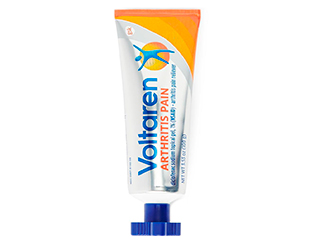
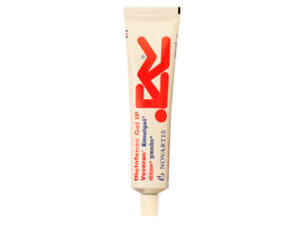
Voltaren Gel (Diclofenac sodium) — Patient Guide (UK)
Voltaren Gel is a topical anti-inflammatory medicine containing diclofenac sodium. It is designed to help relieve pain and inflammation in specific areas of the body, such as muscles, joints, and tendons. Because it is applied to the skin, much of the medicine acts locally where it is needed.
This guide explains what Voltaren Gel is, how it works, when and how to use it, key safety information, and practical tips to help you get the best results. It is written for people in the United Kingdom (UK).
1) Basic product information
| Feature | Details |
|---|---|
| Medicine name | Voltaren Gel |
| Active ingredient | Diclofenac sodium |
| Medicinal type | Topical non-steroidal anti-inflammatory drug (NSAID) |
| How it’s used | Applied directly to affected skin area |
| Common strengths (varies by product) | Available in different pack strengths; follow your specific label |
| Where it may be used | Commonly for joints and areas such as hands, knees, feet, elbows, shoulders, and wrists (depending on indication) |
Note: Product presentations and strengths can differ. Always check the carton and patient leaflet that come with your exact Voltaren Gel pack.
2) What is diclofenac and how does Voltaren Gel work?
Voltaren Gel contains diclofenac sodium, which belongs to the NSAID family. NSAIDs reduce inflammation and pain by affecting chemicals in the body called prostaglandins.
Mechanism of action (simple explanation)
- Diclofenac blocks COX enzymes (cyclo-oxygenase pathways), which helps reduce prostaglandin production.
- That can lead to less inflammation, less swelling, and pain relief at the treated site.
- Because the product is applied to the skin, it aims to deliver medicine locally to the painful area.
3) Pharmacokinetics: what the body does with it
Pharmacokinetics describes how the body absorbs, distributes, and eliminates a medicine.
- Absorption through the skin: Diclofenac can be absorbed from the treated skin into the bloodstream, but generally at lower levels than oral diclofenac tablets.
- Local action: The goal is to concentrate effects where you apply it, especially in superficial tissues and joints.
- Metabolism and elimination: Any absorbed diclofenac is processed mainly by the liver and eliminated by the body through metabolic pathways.
- Systemic exposure depends on use: Using more than recommended, applying to large areas, covering with occlusive dressings, or using for longer than directed can increase absorption.
Practical takeaway: Topical use often lowers whole-body exposure, but safety precautions still matter—particularly if you have a history of stomach ulcers, kidney problems, asthma sensitive to NSAIDs, or cardiovascular disease.
4) Typical uses and indications (UK)
Voltaren Gel is used to relieve pain from inflammation affecting specific joints or soft-tissue areas.
Common indications
- Osteoarthritis pain in specific joints (e.g., hands and knees) — where recommended on product labelling.
- Muscle and soft tissue injuries (e.g., sprains, strains, bruising) and inflammatory pain — depending on the licensed indication.
- Back or shoulder-related pain — only for approved sites and if directed by the patient information included with your pack.
Important: Indications can vary with product strength and formulation. Always follow the instructions on your particular pack.
5) When to use it and timing
Voltaren Gel is typically applied regularly during symptom flare-ups.
Typical dosing interval
- Many Voltaren Gel regimens are taken up to four times a day, spaced across the day (e.g., morning, midday, evening, and bedtime), depending on pack instructions and the affected area.
- After improvement, some people reduce the frequency; however, do not exceed the maximum daily amount stated in the leaflet.
How long to try before reassessing
- For short-term injuries, some benefit may be seen within days.
- For joint conditions such as osteoarthritis, relief may take several days to a few weeks. If you do not notice improvement, consult a healthcare professional or pharmacist.
6) How to apply Voltaren Gel (dosing and administration)
Correct dosing is essential for safe and effective use. The amount you need depends on the size of the area to be treated.
General dosing principles
- Use the amount specified for your body area on the leaflet (often described in measurements such as a strip length).
- Apply to clean, dry skin.
- Gently rub in until the gel is absorbed.
- Wash your hands after applying unless you are treating your hands.
- Allow it to dry before covering with clothing (unless leaflet says otherwise).
Typical application steps
- Check the target area (e.g., knee, ankle, knuckles).
- Squeeze the correct amount of gel (follow the strip-length guidance if provided).
- Apply a thin layer to the affected area and gently rub.
- Leave for absorption and avoid washing the area immediately after application.
- Wash hands thoroughly after use.
Avoid these common mistakes
- Do not apply to broken skin or infected skin.
- Do not use with tight/occlusive dressings unless instructed.
- Do not combine with other NSAID gels on the same area unless advised.
- Do not exceed recommended frequency or total daily dose.
7) Food interactions
Because Voltaren Gel is applied to the skin, food interactions are not usually relevant. Unlike oral NSAIDs, it does not rely on digestion for absorption in the same way.
However: if you are also taking other painkillers or NSAID tablets by mouth, those medications may interact—see the “Alcohol and medicine interactions” section.
8) Alcohol interactions and safety
For topical diclofenac, alcohol interactions are less direct than with oral diclofenac. Still, caution is sensible:
- Alcohol may increase the risk of stomach irritation and bleeding when combined with NSAIDs taken by mouth.
- If you take other NSAID tablets or aspirin, avoid excessive alcohol and seek advice if you have a history of ulcers or bleeding.
Practical advice: Keep alcohol within recommended limits and avoid using oral NSAIDs at the same time unless your clinician or pharmacist has advised it.
9) Medicine interactions (including other NSAIDs)
Even though absorption is lower with topical use, interactions can still occur, particularly if you use high amounts, apply over large areas, or have other risk factors.
Medicines that may interact
- Other NSAIDs (e.g., ibuprofen, naproxen, aspirin) — may increase risk of side effects.
- Blood-thinning medicines (e.g., warfarin) — NSAIDs can affect bleeding risk.
- Antiplatelets (e.g., clopidogrel) — may increase bleeding tendency when combined with NSAIDs.
- Lithium — NSAIDs can raise lithium levels in the body for some patients.
- Methotrexate — NSAIDs can affect methotrexate clearance.
- Diuretics and blood pressure medicines — some NSAIDs can affect kidney function and reduce the effect of certain antihypertensives (risk depends on systemic exposure).
- Other diclofenac-containing products (e.g., tablets or other gels) — avoid doubling up unless advised.
Who should take extra care
- People with a history of stomach ulcers or gastrointestinal bleeding
- People with kidney problems
- People with heart disease or a history of stroke
- People with asthma that worsens with aspirin/NSAIDs
- Older adults (system sensitivity can be higher)
If you take regular medicines, it’s a good idea to discuss Voltaren Gel with a pharmacist, particularly if you use blood thinners or other NSAIDs.
10) Safety profile and side effects
Like all medicines, Voltaren Gel can cause side effects. Many people experience none, but topical NSAIDs can irritate the skin.
Common (local) side effects
- Skin irritation (e.g., burning, stinging, itching)
- Redness at the application site
- Dry skin or mild rash
Less common but important risks
- Allergic reactions (including swelling)
- Worsening asthma in sensitive individuals
- Skin reactions such as rash or blistering (seek advice)
- Systemic effects are uncommon with topical use but can occur, especially with overuse
Stop using and get urgent help if
- You develop signs of a serious allergic reaction: swelling of the face/lips, breathing difficulties, or widespread hives.
- You experience severe or persistent skin blistering.
- You have symptoms suggesting unusual bleeding (especially if on blood thinners).
Long-term use
Use the gel for the shortest time that controls symptoms and follow the dosing schedule on your pack. If you need it continuously beyond the recommended duration, talk to a pharmacist or clinician.
11) Practical use tips for best results
- Apply consistently: Pain relief tends to be better with regular dosing rather than “as needed”.
- Choose the right area: Apply only to the painful joint or soft tissue area indicated on your product information.
- Don’t massage too aggressively: Gentle rubbing is enough; vigorous rubbing can irritate skin.
- Protect from heat: Avoid applying heat packs or heating pads over the gel unless guidance says it’s okay, as this may increase absorption.
- Avoid eyes and mucous membranes: Do not let gel contact eyes, mouth, or private parts.
- Hand hygiene: Wash hands after applying unless you are treating your hands.
- Track improvement: Note whether pain and function improve after about a week (or sooner for acute injuries).
12) Who can use Voltaren Gel? (General UK considerations)
Eligibility depends on age, specific product licensing, and individual risk factors. Always refer to the leaflet for contraindications and age limits.
Extra caution is advised if you have
- History of NSAID sensitivity or aspirin-induced asthma
- Past stomach ulcer or bleeding
- Kidney, liver, or heart conditions
- Recent or planned surgery on the affected joint
Pregnancy and breastfeeding: If you are pregnant, trying to conceive, or breastfeeding, check the leaflet guidance before using. If unsure, speak to a pharmacist for advice tailored to your situation.
13) Alternative options (depending on your condition)
If Voltaren Gel is not suitable or doesn’t provide enough relief, there are other ways to manage pain and inflammation. Options vary by joint and cause.
Non-medicine alternatives
- Exercise and physiotherapy: Strengthening and mobility exercises can help joint pain (especially osteoarthritis).
- Heat or cold therapy: Cold for fresh sprains may reduce swelling; heat may help stiffness.
- Supportive aids: Braces, insoles, or splints may reduce strain.
- Weight management: For weight-bearing joints, even modest changes can reduce stress.
Other medicine options
- Other topical NSAIDs (e.g., similar diclofenac or other anti-inflammatory creams/gels where available)
- Topical analgesics (pain-relief products such as menthol-based options)
- Oral pain relief (e.g., paracetamol), where appropriate—follow label guidance and consider interactions
- Oral NSAIDs if clinically appropriate, noting higher systemic risks than topical treatment
Tip: Do not use multiple NSAID products on the same area at the same time unless a clinician or pharmacist has advised it.
14) Voltaren Gel in the UK: market and legal context
In the UK, medicines are regulated by the Medicines and Healthcare products Regulatory Agency (MHRA) and follow strict labelling requirements. Voltaren Gel is marketed and dispensed according to its licensed indications, strength, and instructions for use.
For over-the-counter availability, products must include:
- Clear directions on dose, frequency, and maximum daily use
- Safety information about contraindications and precautions
- Guidance on when to seek further help if symptoms persist or worsen
Recent guidance and safety focus (UK)
Across Europe and the UK, recent safety emphasis for NSAID-containing products includes:
- Minimising total NSAID exposure (especially when people also take oral NSAIDs)
- Not exceeding labelled doses
- Attention to at-risk groups (history of ulcers, kidney issues, asthma sensitivity, cardiovascular risk)
- Awareness of possible systemic effects even with topical formulations, particularly when used incorrectly or over large areas
Always check the patient leaflet included with your specific Voltaren Gel product for the most accurate, up-to-date instructions.
15) Delivery, availability, and how to buy online (UK)
Voltaren Gel is widely available from UK retailers and pharmacies, often as a convenient option for self-care. When ordering online, you can typically choose home delivery and track your parcel.
What to expect
- Stock availability: Availability may vary by strength and pack size.
- Delivery times: Usually depend on the courier service and your location.
- Packaging: Medicines are generally shipped in appropriate protective packaging.
- Cold storage: Voltaren Gel generally does not require refrigeration—follow the label instructions.
Storage advice: Keep the tube closed, store at reasonable room temperature, and keep out of reach of children. Check the expiry date before use.
16) FAQ — Frequently asked questions
How quickly does Voltaren Gel work?
Some people feel improvement within a few days, especially for acute strains. For osteoarthritis or long-standing joint pain, it may take longer—often a few days to a few weeks. If you see no improvement after a reasonable trial (as described on your product leaflet), seek advice.
Can I use Voltaren Gel on my knee, hand, or shoulder?
It may be suitable for certain joints and body areas, depending on the specific licensed indication for your product. Check the pack instructions for the approved areas and dosing guidance for each site.
Should I cover the area with a bandage or clothing after applying?
Usually, you can allow the gel to dry before covering with normal clothing. Avoid airtight or occlusive coverings unless the leaflet specifically permits it, as this can increase absorption.
Can I use Voltaren Gel with other creams or moisturisers?
You can generally apply other products away from the exact gel application time, but avoid mixing on the same spot unless guidance says it’s safe. If you use moisturisers, allow the gel to absorb first.
What should I do if I accidentally get Voltaren Gel in my eyes?
Rinse immediately with plenty of water and seek medical advice if irritation persists.
Is Voltaren Gel safe for long-term use?
Use for the shortest time that controls symptoms. If you need it for ongoing pain, consult a pharmacist or clinician to ensure it’s appropriate and to review your overall pain management plan.
Can I take oral painkillers at the same time?
Some people use paracetamol alongside topical treatment, but combining medicines can raise the chance of side effects. If you take oral NSAIDs (ibuprofen, naproxen) or blood thinners, talk to a pharmacist first.
Does it interact with food?
Food interactions are not usually expected with topical diclofenac, but medicine interactions can occur with other medicines taken by mouth. Always check your other medications.
Can I drink alcohol while using Voltaren Gel?
Because systemic exposure is lower than with oral NSAIDs, direct interactions are less common. However, if you also use oral NSAIDs, avoid excessive alcohol and follow UK advice for safe alcohol consumption.
What if my pain gets worse or I develop new symptoms?
Stop using the gel and get medical advice if symptoms worsen, if there is swelling, redness spreading, fever, or if you have concerns about an injury or infection.
Always read the patient information leaflet supplied with your product before use. If you are unsure whether Voltaren Gel is right for you—especially if you have other medical conditions or take regular medicines—speak to a pharmacist for advice.