

Prednisolone
Prednisolone is a corticosteroid medicine used to reduce inflammation and calm an overactive immune response. In the UK it is prescribed for a wide range of inflammatory and immune-related conditions, and in many cases it can help symptoms such as swelling, redness, pain, and shortness of breath.
This page explains how prednisolone works, how it’s typically used, important safety information, and practical guidance to help you use the medicine confidently. Information is general and cannot replace advice from a healthcare professional.
Basic product information
- Active ingredient: Prednisolone
- Medicine type: Corticosteroid (glucocorticoid)
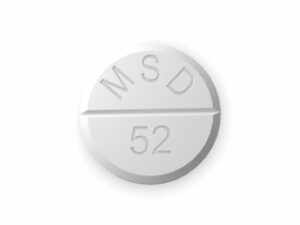
- Common formulations: Tablets (strengths vary by brand), oral solution (where available), and other forms depending on manufacturer
- Common dosing frequency: Usually once daily, or divided doses depending on condition and regimen
- Brand examples in the UK: May vary by manufacturer (your product packaging will confirm the brand name and strength)
How prednisolone works (mechanism of action)
Prednisolone works by mimicking the effects of cortisol, a natural hormone produced by the adrenal glands. It reduces inflammatory processes and modifies the immune response.
Key effects include:
- Lowering inflammation: Prednisolone decreases the release of inflammatory chemicals and reduces swelling in tissues.
- Reducing immune activity: It suppresses or modulates immune cell activity, which can help in autoimmune conditions.
- Stabilising cell membranes: This can reduce tissue damage from inflammation.
- Supporting normal body responses: It affects metabolism and the body’s response to stress.
Because it changes how the immune system and inflammatory pathways behave, prednisolone is often used to bring flare-ups under control quickly. The benefit is symptom relief and prevention of complications, but it is important to follow the correct dose and plan for stopping when needed.
Pharmacokinetics (how the body handles prednisolone)
Pharmacokinetics describes how the body absorbs, distributes, metabolises, and excretes prednisolone.
- Absorption: Prednisolone is absorbed after oral dosing. Food may slightly affect absorption timing, but it does not usually remove the medicine’s overall effect.
- Distribution: Prednisolone circulates in the bloodstream, largely bound to plasma proteins.
- Metabolism: It is metabolised mainly in the liver, with inactive and active metabolites formed.
- Elimination: Prednisolone and its metabolites are excreted primarily through the kidneys (via urine).
The exact profile can vary by patient and regimen (for example, dose level, duration of treatment, and liver function).
Typical uses in the UK
Prednisolone is used for conditions where inflammation or an immune overreaction is causing harm. It may be used for short courses during acute flare-ups or longer courses in chronic disease, depending on your diagnosis.
Common indications
- Allergic and inflammatory conditions (e.g., severe allergic reactions under medical guidance)
- Asthma (often short bursts for exacerbations)
- Autoimmune disorders such as rheumatoid arthritis or other inflammatory rheumatologic conditions
- Inflammatory bowel disease (e.g., ulcerative colitis or Crohn’s disease flares)
- Skin conditions (certain severe inflammatory skin diseases)
- Eye inflammation (where appropriate—sometimes with specialist supervision and other treatments)
- Some respiratory inflammatory conditions under clinician direction
- Adrenal replacement in specific circumstances where steroid therapy is needed
Not all uses apply to every patient. Your healthcare professional will match the medicine to the diagnosis, severity, and expected duration.
Timing and how to take prednisolone
Many people are advised to take prednisolone once daily in the morning. This aligns better with the body’s natural cortisol rhythm and may reduce side effects such as insomnia.
General timing guidance
- Morning dosing: Taking it early (for example, with breakfast) is commonly recommended.
- Multiple daily doses: If your regimen is split, follow the schedule on your instructions.
- Consistency: Try to take each dose at the same time to maintain steadier effects.
If you miss a dose
Follow your clinician/pharmacist’s advice. In general, if you remember soon, take it when you can; if it is near the next dose, skip the missed dose and continue as normal. Avoid doubling doses unless specifically instructed.
If you are unsure, contact a pharmacist for tailored advice based on your strength and dosing schedule.
Food interactions and what to eat
Prednisolone can be taken with or without food, but taking it with food or milk may help reduce stomach irritation for some people.
Food-related considerations:
- Gastrointestinal comfort: If you experience indigestion or nausea, food can help.
- Blood sugar: Prednisolone can raise blood glucose levels, which may matter if you have diabetes or prediabetes. Maintaining a balanced diet and monitoring blood sugar as recommended is important.
- Bone health: Long-term use can affect bone density. A diet that supports calcium and vitamin D intake may be advised (but discuss supplements with a clinician if needed).
Medicines with food: If you take other medicines, try to keep a routine that reduces missed doses and supports tolerability. Your pharmacist can advise on specific timing where relevant.
Alcohol and medicine interactions
Alcohol: While moderate alcohol may be acceptable for some people, corticosteroids can increase the risk of stomach irritation and may affect mood/sleep in certain individuals. Alcohol may also worsen dehydration and interfere with recovery if you are unwell.
General advice:
- Avoid or limit alcohol if you notice heartburn, stomach pain, or sleep disruption.
- If you have liver disease or you are taking other interacting medicines, ask a pharmacist for personalised advice.
Medicine interactions to be aware of
Prednisolone interacts with several types of medicines. Interactions depend on dose, duration, and your overall medicines list. Tell your pharmacist about all medicines and supplements, including over-the-counter products.
Examples of important interaction categories:
- Non-steroidal anti-inflammatory drugs (NSAIDs) such as ibuprofen or naproxen: may increase risk of stomach irritation/ulcers.
- Blood thinners (e.g., warfarin): effects may change and monitoring may be needed.
- Diabetes medicines (insulin, metformin, sulfonylureas): prednisolone may raise blood sugar, requiring adjustment.
- Vaccines: live vaccines may be unsuitable for people on higher doses or long courses.
- Antifungals, antivirals, and antibiotics: some can affect steroid metabolism.
- Enzyme inducers or inhibitors: some medicines can increase or decrease prednisolone levels in the body.
This list is not exhaustive. If you are starting, stopping, or changing the dose of any medicine, check interactions with a pharmacist.
Indications and when prednisolone is considered
In clinical practice, prednisolone is considered when inflammation or immune activity requires suppression. It may be used in:
- Acute flare-ups where rapid symptom control is needed (for example, certain asthma exacerbations or inflammatory relapses).
- Chronic inflammatory conditions where a controlled anti-inflammatory effect can prevent progression.
- Situations requiring immunosuppression under specialist guidance.
Clinicians typically choose prednisolone when they expect benefits to outweigh risks, taking into account your age, medical history, infection risk, and planned duration of therapy.
Dosing (general information)
Important: The correct dose of prednisolone depends on the condition, severity, your response to treatment, and how long therapy is planned. Your dosing should be determined by a healthcare professional.
How dosing is often structured:
- Short courses: Often used for inflammation flare-ups. The dose may be higher at the start and then reduced or stopped according to a taper plan.
- Longer courses: Doses may be reduced gradually to minimise withdrawal effects and to allow the body’s natural adrenal function to recover.
- Tapering: If you’ve used prednisolone for more than a short period, stopping suddenly may not be safe. A gradual reduction is frequently necessary.
Typical dosing frequency: Commonly once daily (especially morning dosing). Some conditions require split dosing; follow your instructions.
If you are unsure about your tapering schedule, do not stop or reduce the dose without professional advice.
Safety profile and side effects
Prednisolone can cause side effects, especially at higher doses and when taken for longer periods. Many side effects are dose-related and improve after dose reduction or completion.
Common side effects
- Increased appetite and weight gain
- Indigestion, stomach discomfort
- Changes in sleep (insomnia) and mood (irritability, mood swings)
- Fluid retention and swelling
- Raised blood sugar levels
- Headache
Potential serious risks (seek urgent advice if needed)
- Infection risk: Prednisolone can reduce your ability to fight infections. Contact a clinician promptly if you develop fever, worsening cough, severe sore throat, or other signs of infection.
- Severe allergic reactions: Uncommon, but seek urgent help for swelling of face/lips, difficulty breathing, or widespread rash.
- Severe gastrointestinal problems: Signs include severe stomach pain, vomiting blood, or black/tarry stools.
- Psychiatric symptoms: Significant agitation, confusion, or unusual behaviour should be assessed urgently.
- Eye problems: With longer use, increased risk of cataracts or glaucoma—report eye symptoms such as blurred vision or eye pain.
- Adrenal suppression: Particularly after prolonged use; tapering reduces risk.
Not everyone experiences side effects. Your risk depends on dose, duration, and personal health factors.
Who needs extra caution?
- People with diabetes or those at risk of raised blood sugar
- People with active or recurring infections
- People with history of peptic ulcers or severe reflux
- People with high blood pressure or heart failure
- People with glaucoma or cataracts
- People taking medicines that increase bleeding risk (e.g., anticoagulants)
- People with osteoporosis or fracture risk
Practical tips for using prednisolone
The following tips can help you get the most benefit while reducing avoidable problems:
- Take it in the morning: Helps reduce insomnia and may follow the body’s natural hormone pattern.
- Take with food if needed: If you get heartburn or stomach upset, consider taking it with breakfast.
- Do not stop suddenly after longer use: Prednisolone may suppress your adrenal glands. A planned taper is often required.
- Check your blood sugar if diabetic: You may need closer monitoring while taking prednisolone.
- Watch for infection signs: Seek medical advice promptly if you feel unwell.
- Support bone health: If you are on long-term therapy, discuss calcium/vitamin D and bone-protective strategies with a clinician.
- Keep a medicine record: Track dose changes and how long you’ve been taking it—useful if you need advice later.
If you experience troubling side effects (such as severe mood changes, persistent vomiting, or sudden shortness of breath), contact a healthcare professional promptly.
Alternative options
“Alternative” depends on what condition is being treated. For inflammatory and immune conditions, clinicians may consider:
- Other corticosteroids (e.g., prednisolone alternatives in different forms or strengths)
- Inhaled or topical steroids for localised inflammation (e.g., asthma, skin conditions)
- Non-steroid anti-inflammatory treatments depending on diagnosis
- Immunomodulating medicines such as disease-modifying therapies for long-term autoimmune conditions (specialist-led)
- Biologic therapies in selected conditions where appropriate
Your best alternative depends on the underlying condition, how severe it is, and your medical history. A pharmacist can help you understand options and suitability.
Delivery and availability in the United Kingdom
Prednisolone availability can vary by brand, strength, and formulation. Online pharmacies in the UK typically supply medicines directly to your home within standard delivery timeframes. Availability may also differ if the medicine is in high demand or temporarily out of stock.
What to expect:
- Product checks: Reputable online pharmacies confirm that items match your selection (strength and formulation).
- Packaging: Medicines are supplied in sealed packaging with clear labelling.
- Delivery: Times vary by carrier and location; tracking may be available where offered.
- Cold chain: Prednisolone tablets or oral solutions typically do not require special temperature-controlled delivery, but always follow the packaging instructions.
If you need prednisolone urgently (for example, during a flare-up), choose a service level that offers the fastest delivery available and check stock status before ordering.
Market and legal context in the UK
In the UK, medicines are regulated to support safe supply. The availability of prednisolone online depends on classification and legal requirements. Online pharmacies may only provide medicines under the rules applicable to the product and the patient’s situation.
Key points for UK customers:
- Medicines must be sourced lawfully and supplied with appropriate labelling.
- Online supply is regulated under UK medicines legislation and related guidance.
- Safety checks may be required (for example, to ensure the medicine is suitable and that interactions or contraindications are considered).
Always use medicines exactly as labelled and follow clinician/pharmacist instructions.
Recent guidance (general NHS/UK practice themes)
While specific recommendations vary by condition and patient profile, current UK clinical practice commonly emphasises:
- Using the lowest effective dose for the shortest effective time where appropriate.
- Planned tapering after longer courses to reduce adrenal withdrawal risk.
- Infection awareness due to immunosuppressive effects.
- Monitoring for glucose, blood pressure, mood/sleep, and bone health when treatment is prolonged.
- Vaccine considerations, particularly for live vaccines and for patients on higher doses or longer courses.
Local NHS guidance may differ by specialty and condition. Your clinician will guide you based on your circumstances.
Prednisolone: product overview
| Topic | What you should know |
|---|---|
| Medicine type | Corticosteroid (glucocorticoid) |
| Main benefit | Reduces inflammation and calms overactive immune responses |
| Common timing | Often once daily in the morning to match natural hormone rhythms |
| Food & drink | Take with food if it upsets your stomach; alcohol may worsen stomach irritation and sleep |
| Key safety issue | Risk of infection and adrenal suppression if used longer term—do not stop suddenly without advice |
| Typical duration | Condition-dependent: short bursts for flares or longer courses with gradual reduction |
| Common side effects | Increased appetite, indigestion, sleep/mood changes, raised blood sugar |
| Interaction watch-outs | NSAIDs, anticoagulants, diabetes medicines, some vaccines and other drug metabolism influences |
FAQ
How long does it take prednisolone to work?
Many people notice improvement within hours to a few days, depending on the condition and dose. Some conditions respond quickly, while others may take longer. If you are not improving or symptoms worsen, seek medical advice.
Can I take prednisolone on an empty stomach?
Yes, it may be possible, but it can cause stomach irritation in some people. Taking it with food or milk can improve comfort.
Should I stop prednisolone suddenly?
Do not stop suddenly if you have been taking prednisolone for more than a short period or at higher doses. Gradual reduction (“tapering”) is often needed to allow the adrenal glands to recover. Always follow professional instructions.
Will prednisolone make me gain weight?
Weight gain can occur, particularly with higher doses and longer courses, partly due to increased appetite and fluid retention. Monitoring diet and weight and discussing long-term plans with your clinician can help manage risk.
Does prednisolone affect mood or sleep?
Yes. Some people experience insomnia, mood changes, or irritability. If you notice significant mood changes, confusion, or severe agitation, contact a healthcare professional urgently.
Is it safe to take prednisolone if I have an infection?
Prednisolone can reduce the body’s immune response. If you suspect an infection (fever, worsening cough, painful urination, or other symptoms), seek prompt medical advice. Your clinician may adjust treatment.
Can I drink alcohol while taking prednisolone?
Moderation is best for many people, but alcohol may increase the risk of stomach irritation and may worsen sleep or mood effects. If you experience side effects, avoid alcohol and speak to a pharmacist or clinician.
What vaccines should I avoid?
Some vaccines (particularly live vaccines) may be unsuitable for people on higher-dose or long-term steroid therapy. Speak to a healthcare professional or pharmacist about your specific dose and treatment length.
Are there alternatives if I can’t tolerate prednisolone?
Depending on your condition, alternatives may include other anti-inflammatory strategies, steroid-sparing medicines, or different corticosteroid routes (topical/inhaled) for certain illnesses. A clinician can advise on the most suitable option.
Where can I get help if I have side effects?
Contact your pharmacist or healthcare team. Seek urgent medical attention for severe allergic reactions, signs of serious infection, severe stomach bleeding symptoms, or significant mental health changes.
Always read the patient information leaflet supplied with your specific prednisolone product and follow the instructions on the packaging. If you have questions about interactions or suitability for your health situation, speak to a pharmacist.