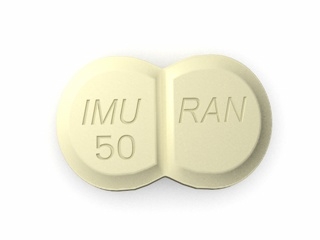

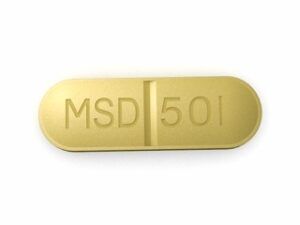
Imuran (Azathioprine) – Patient Information Guide (UK)
Imuran is a brand name for azathioprine, an immunosuppressant medicine used to treat a range of conditions where the immune system contributes to disease. It is taken by mouth and can be used alone or alongside other medicines to help control symptoms, reduce inflammation, and help prevent flare-ups.
This guide is written in a patient-friendly way to help you understand what Imuran is, how it works, how it is usually taken, and what to consider for safety—especially in the UK setting where monitoring and prescribing practices may vary by condition.
Basic product information
| Topic | Details |
|---|---|
| Generic name | Azathioprine |
| Brand name | Imuran |
| Medicine type | Immunosuppressant (antimetabolite) |
| How it’s taken | Oral tablets (typical in the UK) |
| Common monitoring | Regular blood tests (full blood count, liver tests), often thiopurine metabolite checks in selected cases |
| Key risks | Low blood counts, liver effects, increased infection risk; rare severe reactions |
Important: Always follow the schedule set by your healthcare team. Your dose may depend on your condition, your response to treatment, and blood test results.
How Imuran works (mechanism of action)
Azathioprine is a “pro-drug” that is converted in the body into active substances, mainly 6-mercaptopurine (6-MP) derivatives. These active metabolites interfere with the production of certain building blocks needed for DNA and RNA. The end result is a reduction in immune cell activity, particularly the rapid proliferation of immune cells involved in inflammatory and autoimmune processes.
In simple terms, Imuran helps calm down an overactive immune system, lowering inflammation and reducing the likelihood of immune-driven attacks on the body’s own tissues.
Pharmacokinetics (how the body processes it)
Understanding pharmacokinetics can help explain why monitoring is important. Key features include:
- Absorption: Azathioprine is taken by mouth and absorbed through the gastrointestinal tract.
- Conversion to active metabolites: It is broken down and converted to active and inactive metabolites in the liver and other tissues.
- Metabolism: A major pathway involves the enzyme TPMT (thiopurine methyltransferase). Genetic differences in TPMT activity can strongly affect how azathioprine is processed.
- Elimination: Metabolites are cleared mainly via urine and bile.
- Onset and steady effect: Because immune activity takes time to change and because active metabolite levels and immune suppression develop gradually, benefits often take weeks to months to become clear.
Some patients are at higher risk of toxicity due to genetic factors (such as low TPMT activity) or other drug interactions that affect metabolism. This is one reason blood monitoring is standard.
Typical uses in the UK
Imuran is used in conditions where immunosuppression is beneficial. It may be prescribed for:
- Inflammatory bowel disease (IBD): particularly Crohn’s disease and ulcerative colitis, often when long-term control is needed or steroid-sparing treatment is desired.
- Autoimmune conditions: for selected patients where immune overactivity plays a role, based on specialist assessment.
- Transplant medicine: to help prevent organ rejection in certain transplant settings (commonly as part of combination therapy).
- Other immune-mediated diseases: depending on local clinical guidance and specialist decisions.
Your exact indication determines your monitoring frequency, dose targets, and how quickly your healthcare team expects improvement.
When it works and dosing timing
Imuran is not usually a “quick relief” medicine. It is intended for long-term disease control.
- Initial period: Some improvement may be noticed after several weeks, but full effect can take up to 2–3 months (sometimes longer) depending on the condition.
- Steady use: It is typically taken regularly every day, at the same time(s) to maintain consistent levels.
- Missed doses: If you miss a dose, you should generally take it when you remember unless it’s close to the next dose. Follow your prescriber’s advice or pharmacy instructions for your specific regimen.
If your symptoms worsen early on, do not stop the medicine without medical advice—your clinician may adjust other supporting medicines while waiting for azathioprine to work.
Dosing guidance (general principles)
Dosing is individual. Your healthcare team will calculate a dose based on factors such as:
- your condition and treatment plan
- your body weight
- your blood test results (especially full blood count and liver function)
- possible TPMT status (if tested)
- interacting medicines that can affect azathioprine metabolism
In clinical practice, dosing is often weight-based and adjusted gradually. Some regimens are taken once daily; others may split the total daily dose depending on the indication and tolerability.
Do not change your dose without advice. If blood test results show low white blood cell counts or liver enzyme elevation, your clinician may reduce or pause treatment temporarily.
Food interactions and taking Imuran
Food can affect comfort and, in some medicines, absorption. For azathioprine:
- Take it with or after food if it upsets your stomach. Many people find this improves tolerability.
- Consistency helps: try to take your dose the same way each day (with a meal or consistently after food).
- Grapefruit: if you have concerns about fruit-based interactions, discuss them with your pharmacist. (Most advice is based on your overall medication list rather than a single food item.)
If you experience persistent nausea, stomach pain, vomiting, or diarrhoea, contact your healthcare team promptly—especially if it occurs alongside new lab abnormalities.
Alcohol and Imuran interactions
Alcohol may not have a direct chemical interaction with azathioprine, but it can increase strain on the liver and worsen risks such as abnormal liver tests.
- Limit alcohol: moderation is recommended.
- Avoid binge drinking: sudden high alcohol intake may increase liver strain.
- Be cautious if you have liver disease or you’ve previously had raised liver enzymes.
If you are unsure about how much alcohol is safe for you, ask your clinician or pharmacist—especially if your blood tests have shown liver effects.
Medicine interactions (important)
Several medicines can interact with azathioprine by affecting metabolism or increasing toxicity. Always review your full medication list with a pharmacist or prescriber, including over-the-counter products and herbal supplements.
Common interaction themes
- Drugs that affect blood counts: other immunosuppressants or medicines that lower the immune system can increase the risk of infections.
- Drugs that affect metabolism: certain drugs can increase azathioprine levels, raising the risk of bone marrow suppression.
- Drugs that affect liver: additive liver effects can occur with hepatotoxic medicines.
Examples of medicines that often require extra caution
- Allopurinol and febuxostat (used for gout): they may markedly increase azathioprine toxicity risk.
- Warfarin (blood thinner): dose adjustments and monitoring may be needed.
- ACE inhibitors or other medicines associated with liver or blood count effects: may require closer monitoring depending on your overall regimen.
- Ribavirin and certain antivirals: can influence blood cell counts and antiviral plans.
- Cotimoxazole (co-trimoxazole) or other antibiotics that can affect blood counts: may require monitoring.
- Vaccines: live vaccines may be unsuitable while immunosuppressed—discuss vaccination plans early.
This list is not exhaustive. If you start, stop, or change any medicine (including new prescriptions from other services, dentist prescriptions, or supplements), tell your pharmacist or clinical team.
Safety profile: who should be extra cautious?
Azathioprine has a safety profile that requires careful monitoring. Many people take it safely long-term when blood tests and dose adjustments are done appropriately.
Common or notable risks
- Low blood counts (bone marrow suppression): can lead to increased infection risk, bruising, or bleeding.
- Liver effects: mild to moderate increases in liver enzymes may occur.
- Infections: because the immune system is suppressed, infections may be more frequent or more serious.
- Gastrointestinal effects: nausea, reduced appetite, or diarrhoea in some patients.
Less common but urgent symptoms
Seek urgent medical advice if you develop:
- fever, chills, severe sore throat, or signs of infection
- unusual bleeding, dark bruising, or persistent mouth ulcers
- yellowing of the skin/eyes, severe right-sided abdominal pain, or dark urine
- breathing difficulties, swelling of the face, or signs of severe allergic reaction
Genetic and lab considerations (TPMT)
Some people have low or absent TPMT activity. In such patients, standard doses can lead to severe bone marrow suppression. Many clinical teams consider TPMT testing before starting azathioprine.
Practical use tips
- Keep to a routine: take at the same time each day, with or after food if needed.
- Attend monitoring appointments: blood tests are typically required regularly, especially during the first months and after dose changes.
- Use a medication organiser: helps avoid missed doses.
- Record side effects: note timing, severity, and any new medicines started—this helps clinicians adjust treatment safely.
- Infection prevention: practice good hand hygiene and avoid close contact with people who have known contagious illnesses.
- Plan vaccinations early: discuss flu, COVID-19 boosters, travel vaccines, and live vaccines with your healthcare team.
If you ever need temporary treatment changes during an infection (for example, severe infections), your clinician will advise whether to pause or continue azathioprine.
Recent guidance and monitoring expectations in the UK
In the UK, immunosuppressants like azathioprine are supported by specialist care pathways for monitoring safety. Guidance commonly emphasises:
- Regular blood monitoring (full blood count and liver function tests), especially early in treatment.
- Risk assessment for TPMT activity (and sometimes other thiopurine-related assessments) to reduce severe toxicity risk.
- Careful review of interacting medicines (notably drugs affecting thiopurine metabolism and blood counts).
- Infection awareness and prompt evaluation of fevers or suspected infections.
Recommendations can evolve over time and differ by condition and specialist service. Your local specialist team’s monitoring plan will reflect the most current practice for your situation.
Alternative options
The best alternative depends on the condition being treated, disease severity, and your medical history. Some commonly considered options include:
- Other immunosuppressants (selected by your specialist)
- Biologic therapies for certain autoimmune or inflammatory conditions
- Targeted small-molecule therapies (in some diseases and settings)
- Anti-inflammatory medicines (depending on your diagnosis and severity)
If you are thinking about switching, ask your clinician about expected time to benefit, monitoring requirements, and how stopping azathioprine might affect disease control.
Delivery, availability, and UK market/legal context
In the UK, Imuran (azathioprine) is an established medicine and may be available through community pharmacies depending on stock and supply arrangements. Availability can vary by:
- strength and pack size
- manufacturer supply and distribution schedules
- seasonal or demand-related supply constraints
Online pharmacy services typically aim to process orders promptly and may provide tracking once dispatched. Some customers may receive updates if a pack is temporarily unavailable and an alternative pack size or supplier is used (where permitted).
For medicines like Imuran, UK regulation requires that pharmacy supply processes include appropriate patient checks and adherence to legal requirements for safe dispensing. Your pharmacy will follow the necessary steps to ensure you receive the correct product and information.
How to store Imuran
- Store in the original packaging to protect from light and to help identify the medicine.
- Follow the label instructions for temperature conditions.
- Keep out of reach of children.
- Return unused medicine to a pharmacy take-back service when appropriate—do not dispose in household waste or down the sink unless advised.
FAQ
1) How long does it take for Imuran to start working?
It often takes weeks to months for azathioprine to fully control symptoms. Some improvement may appear after several weeks, but a full assessment commonly considers response over about 2–3 months (depending on your condition).
2) Will Imuran make me feel better immediately?
Usually not. Imuran works by gradually reducing immune-driven inflammation. During the early phase, your clinician may use other medicines to manage symptoms while waiting for azathioprine’s effect.
3) What blood tests will I need?
Common monitoring includes full blood count and liver function tests. Frequency is typically higher when starting or adjusting the dose, then may be reduced once stable—based on your clinician’s plan.
4) Can I take Imuran with food?
Many people find taking it with or after food reduces stomach upset. If your medicine causes nausea, discuss strategies with your pharmacist—such as taking it with a meal and maintaining consistent timing.
5) Are live vaccines safe while taking Imuran?
Live vaccines may not be suitable because azathioprine suppresses immune function. Speak to your healthcare team about vaccination plans before receiving vaccines.
6) What should I do if I get an infection or have a fever?
Contact your healthcare team promptly. A fever can be a sign of infection, and your immune response may be altered by immunosuppressive treatment.
7) Can I drink alcohol?
You may be advised to limit alcohol, especially if you have liver concerns. Alcohol can increase liver strain, and azathioprine can also affect liver enzymes in some people.
8) What medicines interact with Imuran?
Interactions are possible, especially with medicines that affect bone marrow or azathioprine metabolism. Tell your pharmacist about all medicines and supplements you use. Extra caution is commonly needed with drugs such as allopurinol and certain anticoagulants and antivirals.
9) Are there safer alternatives?
Alternatives exist for many conditions, including other immunosuppressants and biologic/targeted therapies, but suitability varies. Your specialist can advise based on your diagnosis, severity, and risk factors.
10) Who should not take Imuran or should be closely monitored?
People with certain genetic risk factors (such as low TPMT activity), significant liver disease, or those taking interacting medicines may need additional caution. Your clinician will assess your situation and arrange monitoring accordingly.
If you have questions about Imuran, your pharmacy can help explain how to take it correctly and what to watch for. For urgent symptoms—such as signs of infection or severe allergic reactions—seek medical help immediately.