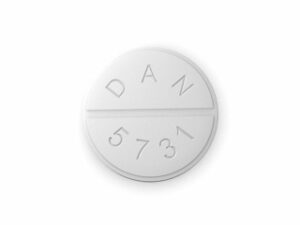
Benemid (Probenecid) — Patient-Friendly Guide (UK)
Benemid contains probenecid, a medicine used to help reduce high uric acid levels in the body. It is commonly prescribed for certain types of gout and for specific conditions involving uric acid. This page explains how Benemid works, how it is usually taken, what to watch for, and key interactions—written in clear, patient-friendly language for the UK.
Quick Product Information
| Category | Details |
|---|---|
| Medicine name | Benemid |
| Active ingredient | Probenecid |
| Common uses | Long-term management of gout with high uric acid (where appropriate); sometimes used to improve antibiotic levels or for specific medical reasons |
| How it’s taken | Oral tablets (swallowed) |
| Typical effect | Increases uric acid removal through the kidneys |
What is Probenecid?
Probenecid is a medicine that helps lower uric acid by reducing how much uric acid the kidneys reabsorb back into the blood. This leads to more uric acid being passed out in urine.
Benemid is often used for people who have chronic gout due to hyperuricaemia (high uric acid). In some situations it may also be used as an “add-on” to help certain antibiotics stay in the body longer—your clinician will advise if this applies to you.
How Benemid Works (Mechanism of Action)
Probenecid works mainly by affecting transport proteins in the kidney:
- It blocks reabsorption of uric acid in the renal tubules (the kidney’s filtering and processing units).
- This increases uric acid excretion in urine.
- Over time, lower uric acid levels may help reduce gout flare frequency and help prevent the formation of urate crystals.
Important: Benemid is not usually used to treat a sudden acute gout attack. It is intended for long-term uric acid control (when appropriate).
Pharmacokinetics (How the Body Handles It)
Pharmacokinetics describes what happens to the medicine in the body—absorption, distribution, metabolism, and elimination.
- Absorption: Probenecid is taken by mouth and is absorbed through the gastrointestinal tract.
- Distribution: It distributes into body tissues and can affect kidney handling of substances, which is why drug interactions can occur.
- Metabolism: Probenecid is metabolised in the body (details can vary by individual).
- Elimination: It is primarily eliminated by the kidneys, including via urine.
Because probenecid acts via the kidney and urine, kidney health and hydration are important for safe, effective use.
Typical Uses in the UK
The most common use of Benemid is to help manage chronic gout by lowering uric acid. It may be used in particular clinical situations depending on kidney function, uric acid levels, and individual medical history.
Indications (When it may be used)
- Chronic gout with high uric acid (in people suitable for urate-lowering therapy based on clinical assessment).
- In selected cases, it may be used to increase levels of certain medicines (for example some antibiotics) by reducing their removal by the kidneys.
Note: Availability and specific prescribing approaches can vary across NHS services and individual circumstances.
When Does Benemid Start Working? Timing and Expectations
Benemid does not usually provide immediate relief of a gout flare. Instead, it works over time.
- Uric acid reduction: typically develops over days to weeks as uric acid excretion increases.
- Long-term benefits: prevention of future flares often takes longer—commonly several weeks to months.
Practical tip: If you start Benemid for long-term gout control, ask your healthcare professional what plan they recommend for flare prevention early in treatment, as urate-lowering changes can sometimes trigger flares in the beginning.
Dosing (How Benemid is Usually Taken)
Dosing depends on your individual condition, kidney function, and your clinician’s judgement. Always follow the dosing instructions on your medication label.
Typical adult approach (general information)
- Starting dose: may be lower initially to improve tolerability.
- Maintenance dose: adjusted to achieve target uric acid levels while aiming to minimise side effects such as kidney stones.
- How often: usually taken in divided doses across the day.
Kidney safety matters: Probenecid relies on kidney function to work effectively and to remove uric acid. It may be unsuitable in people with certain kidney problems. Your clinician may check blood tests and urine analysis.
Missed dose
- Take it as soon as you remember unless it is close to the time of the next dose.
- Do not double the dose to make up for a missed tablet.
Food Interactions: What to Know
Food can affect how some medicines are absorbed and tolerated, but probenecid is generally taken with a consistent approach to meals to reduce stomach upset.
Guidance:
- Many people take probenecid with or after food to improve comfort.
- Try to take it at the same times each day as this helps maintain steady levels and urine effects.
Be mindful of high-purine foods (such as certain red meats, organ meats, and some seafood) if you have gout—diet changes can help lower uric acid alongside medication. However, dietary advice should be tailored to you.
Alcohol and Medicine Interactions
Alcohol can influence uric acid levels and can also worsen gout risk for some people.
Alcohol
- Limit alcohol—especially beer and spirits—if you have gout or high uric acid.
- Even when alcohol does not directly interact with probenecid, it can increase the likelihood of flare-ups.
Medicine interactions (important)
Probenecid affects how the kidneys handle several substances. This means it can change the way other medicines are cleared.
Tell your healthcare professional about all medicines you take, including over-the-counter products.
Examples of medicine classes that may be affected include:
- Certain antibiotics (probenecid can increase antibiotic levels, sometimes deliberately used in treatment, depending on the antibiotic and regimen).
- Uric-acid–lowering medicines (if you use other gout therapies, your clinician will coordinate to ensure safety and effectiveness).
- Medicines that are cleared through the kidneys (timing and dose adjustments may be needed).
- Some anti-inflammatory medicines used during gout flares (interaction risk may vary—check with a clinician or pharmacist).
If you are unsure whether something you take could interact with Benemid, ask a pharmacist. This is especially important for people taking multiple medicines for long-term conditions.
Safety Profile: Who Should Be Careful?
Most people tolerate probenecid reasonably well, but there are important safety considerations—particularly related to the kidneys and urine.
Common side effects
- Stomach upset (nausea, indigestion, loss of appetite)
- Headache
- Dizziness in some people
- Rash (reported in some cases)
Serious side effects—seek urgent medical advice if
- Signs of a kidney stone: severe side or back pain, pain that comes in waves, blood in urine
- Allergic reaction: swelling of face/lips, severe rash, breathing difficulty
- Signs of kidney problems: reduced urine output, severe persistent nausea/vomiting, marked fatigue
- Persistent fever or severe infection symptoms with no clear cause
If you experience concerning symptoms, stop and seek advice promptly as appropriate.
Who may need extra caution
- People with reduced kidney function or a history of kidney stones
- People with dehydration or who struggle to drink enough fluids
- Those taking multiple medicines (interaction risk increases)
Practical Use Tips (How to Get the Best Results)
These practical steps can help improve comfort and reduce risks when taking Benemid.
1) Stay well hydrated
Because probenecid increases uric acid excretion, adequate fluid intake helps reduce concentration in urine and may lower stone risk.
- Aim to drink regularly throughout the day (unless your clinician has restricted your fluids).
- Urine colour can be a useful rough guide: pale yellow often indicates better hydration.
2) Maintain urine dilution
Your clinician may advise measures to keep urine more dilute. Follow personalised advice.
3) Don’t stop suddenly without advice
Urate control typically depends on regular use. Stopping may lead to rising uric acid again over time.
4) Monitor your progress
- Regular blood tests for uric acid may be arranged.
- Kidney function may also be monitored.
5) Understand flare timing
Early in urate-lowering treatment, gout flares can sometimes occur. If you flare, contact your healthcare professional for guidance on treatment rather than stopping the medicine on your own.
Alternative Options (If Benemid Isn’t Suitable)
Depending on your uric acid pattern, kidney health, and other factors, other treatments may be considered. Your clinician will choose the best option based on your individual needs.
Common alternative urate-lowering therapies
- Allopurinol: lowers uric acid production
- Febuxostat: another uric acid production inhibitor (suitable for some patients)
- Uricosuric alternatives (medicines that increase uric acid removal): probenecid is one example; selection varies
During gout flares
Acute flares are often treated with medicines that reduce inflammation and pain. Long-term prevention may include additional strategies tailored to you.
Diet and lifestyle can support treatment: reducing alcohol, limiting purine-rich foods, maintaining healthy weight, and staying hydrated.
Market & Legal Context in the UK
In the UK, medicines are regulated and monitored through established systems. Information below is general and may not reflect individual suitability.
- Regulatory oversight: Medicines in the UK are regulated by the Medicines and Healthcare products Regulatory Agency (MHRA).
- Pharmacovigilance: Suspected side effects can be reported to support ongoing safety monitoring.
- NHS vs private care: Access to particular medicines can depend on local guidance, formularies, and individual clinical circumstances.
Recent guidance (general themes)
UK and international gout guidance commonly emphasises:
- Targeted urate lowering to reduce long-term crystal burden
- Careful initiation and flare prevention strategies
- Kidney-aware prescribing and hydration advice for medicines affecting uric acid excretion
Local practice can vary based on patient factors and clinician judgement.
Delivery and Availability (Online Pharmacy in the UK)
Availability can vary over time due to manufacturing and supply conditions. When ordering online, you can typically expect the following:
- Estimated dispatch times shown at checkout (or in your order confirmation).
- Packaging designed to protect medicines during delivery.
- Tracking options for many deliveries.
Tip: Keep your medicines in a safe place, out of the sight and reach of children, and follow storage instructions on the pack.
If Benemid is temporarily out of stock, your pharmacy may offer alternatives or advise when it is expected back—availability depends on supply.
Frequently Asked Questions (FAQ)
Is Benemid used for acute gout pain?
Benemid is generally used for long-term urate control, not to stop an acute gout flare immediately. For flare treatment, other medicines are commonly used. If you are in the middle of a flare, contact a clinician or pharmacist for advice about the safest options.
How long will I need to take Benemid?
Uric acid control is usually a long-term plan. Duration depends on your uric acid levels, gout history, kidney health, and response to treatment. Your clinician will review progress over time.
What if I get kidney stones while taking Benemid?
Kidney stones are a known risk for medicines that increase uric acid excretion. If you experience severe back/side pain, blood in urine, or symptoms consistent with stones, seek urgent medical advice. Do not ignore symptoms.
Can I take Benemid with other gout medicines?
Sometimes yes, but not always. Because probenecid can interact with other medicines and affects uric acid handling, you must ensure your regimen is coordinated by your healthcare professional.
Does Benemid interact with antibiotics?
Probenecid can affect how some antibiotics are cleared by the kidneys, sometimes increasing their levels. In some treatment plans, this is intentional for certain antibiotics. Always tell your clinician and pharmacist what you take.
Should I avoid certain foods?
If you have gout, it’s helpful to reduce foods that can raise uric acid (for example, very high purine foods). Staying well hydrated is especially important. A clinician or dietitian can offer personalised dietary advice.
Can I drink alcohol?
Alcohol can increase gout risk. It’s generally advised to limit alcohol and avoid binge drinking. If you notice flares after alcohol, discuss this with your healthcare professional.
What monitoring might be needed?
Your healthcare professional may monitor:
- Blood uric acid levels
- Kidney function (creatinine/eGFR)
- Overall symptoms and possible side effects
What should I do if I miss a dose?
Take it when you remember unless it’s close to the next dose. Do not take a double dose to compensate.
Is Benemid safe for everyone?
No. People with certain kidney conditions, history of kidney stones, or those taking interacting medicines may need different treatment. Always check suitability with a healthcare professional before starting.
When to Get Medical Advice
Speak to a pharmacist or clinician promptly if you:
- Develop symptoms suggesting a kidney stone (especially severe pain or blood in urine)
- Experience a rash, swelling, or trouble breathing
- Have persistent severe stomach upset
- Have concerns about interactions with other medicines
This guide is designed to support informed decisions and safe use. For personalised advice, speak to a healthcare professional or pharmacist.