Aczone (Diaminodiphenyl sulfone) — Patient-Friendly Guide (UK)
Aczone contains diaminodiphenyl sulfone, often referred to as dapsone (a sulfone antibiotic/anti-inflammatory medicine). In the UK, Aczone is most commonly used as a treatment option for certain forms of acne, particularly where inflammation plays a key role. This guide explains how it works, how it is used, and important safety and interaction information.
Quick overview
- Medicine name: Aczone (diaminodiphenyl sulfone)
- Medicinal ingredient: Diaminodiphenyl sulfone (dapsone)
- Common uses: Acne (typically inflammatory acne)
- How it works: Anti-inflammatory and antibacterial activity (helps reduce acne-related inflammation)
- How long it takes: Improvement is usually gradual; noticeable benefits often take several weeks
- Key safety considerations: Blood and liver monitoring may be needed; watch for signs of hypersensitivity and blood-related side effects
Basic product information
Aczone is a medicine containing diaminodiphenyl sulfone. It is available in topical formulations for acne in many markets; your specific presentation (strength and form) should be confirmed on your product packaging. The exact dose schedule and monitoring requirements depend on the condition being treated and the product strength.
In the UK, medicines are authorised and supplied according to national regulation and clinical guidance. Your local pharmacy and healthcare professional can confirm your prescribed/dispensed product details, including strength and how to apply it.
Mechanism of action (how Aczone helps)
Aczone works through a combination of anti-inflammatory and antimicrobial effects. While the exact acne mechanism is complex, dapsone’s activity can help:
- Reduce inflammation: Helps lower inflammatory signals within acne lesions, leading to fewer red, swollen spots.
- Act against acne-related bacteria: May inhibit growth of bacteria involved in acne progression.
- Support improved skin clarity over time: As inflammation reduces and lesions heal, the overall appearance of the skin can improve.
Topical dapsone is designed to target affected areas while limiting systemic exposure compared with some oral medicines (though individual absorption varies).
Pharmacokinetics (how the body handles it)
Pharmacokinetics describe how a medicine is absorbed, distributed, metabolised and eliminated. For topical diaminodiphenyl sulfone, the exact profile depends on formulation, application amount, skin condition (including intact vs broken skin), and how much reaches the bloodstream.
- Absorption: Absorption through skin can occur, and it may increase if applied to large areas, broken/irritated skin, or under occlusion.
- Distribution: A small portion may distribute systemically; extent depends on absorption.
- Metabolism and elimination: Dapsone is processed in the body and eliminated mainly via metabolism and excretion pathways.
Because dapsone can have important systemic safety considerations in some circumstances (especially with higher systemic exposure), it is important to use the product exactly as directed and to seek advice if you develop unusual symptoms.
Typical uses in the UK
Aczone is most often used for the treatment of acne vulgaris, especially inflammatory acne. It may be used as part of a treatment plan that can include other acne treatments (depending on severity and skin tolerance).
When it may be considered
- Inflammatory acne with redness, papules, or pustules
- Acne that has not responded adequately to first-line approaches
- Situations where a clinician wants a targeted anti-inflammatory antibacterial option
How to use Aczone: timing and practical approach
A key part of success with acne medicines is consistent use and allowing adequate time for improvement. Your healthcare professional or pharmacist can provide instructions tailored to your product and skin condition.
Typical timing
- Start gradually: Many people begin once daily (or as advised) to gauge skin tolerance.
- Steady routine: Use at the same time each day to improve adherence.
- Allow time to work: Early changes may be seen after a few weeks, but full benefit often takes longer (commonly 6–12 weeks for acne therapies).
Practical tips for application
- Clean, dry skin: Apply to clean, dry areas. Wait until skin is fully dry after washing.
- Use a thin layer: Apply a light amount to affected areas rather than heavy coating.
- Wash hands after use: Unless treating your hands, wash hands to avoid transfer to eyes or mouth.
- Avoid sensitive areas: Do not apply to eyes, eyelids, lips, or corners of the nose/mouth unless instructed.
- Moisturise if needed: If skin feels dry or irritated, use a non-comedogenic moisturiser.
- Sunscreen during the day: Acne treatments can increase sensitivity; use SPF to help protect skin.
Food interactions
If you are using Aczone as a topical product, significant food interactions are generally not expected. However, if your clinician has prescribed oral dapsone (a different route), food and drug interactions can become more relevant.
For topical Aczone: no specific food restrictions are usually required. Still, follow your medication label and local healthcare advice.
Alcohol and medicine interactions
With topical Aczone, alcohol-related interactions are not commonly a major concern for most people. Nevertheless, it’s sensible to consider general medication safety:
- General caution: Avoid excess alcohol if you notice side effects such as headache, dizziness, or unusual fatigue.
- Other medicines: If you take any medicines that affect blood counts, the liver, or oxygen-carrying capacity (or medicines known to interact with sulfone-type drugs), check with a pharmacist.
- Tell your pharmacist: Provide a complete list of medicines, supplements, and herbal products.
Urgent advice: Seek prompt medical help if you develop symptoms such as shortness of breath, severe skin reactions, or persistent yellowing of the eyes/skin.
Indications: what Aczone is used for
In typical UK clinical use, Aczone is indicated for acne vulgaris, particularly where inflammatory lesions are prominent. Your exact indication will depend on your diagnosis and the specific formulation you have been given.
Use Aczone only for the condition it was supplied for. If you are unsure, ask your pharmacist to confirm.
Dosing: how much and how often
Dosing depends on the product strength and your clinician’s instructions. Below are general, patient-oriented dosing principles for topical acne therapy; always follow the directions on your label.
General dosing principles (topical acne treatment)
- Frequency: Often once daily initially, then adjusted based on response and skin tolerance.
- Amount: Apply a thin layer to the affected areas.
- Duration of trial: Acne treatments are not instant—plan for a trial period of several weeks before judging effectiveness.
- If irritation occurs: You may need to reduce frequency or use moisturiser and gentle cleansing strategies; consult your pharmacist if severe.
If your product instructions differ, follow the product-specific schedule. Do not increase the amount or frequency to “speed up” results—this can worsen irritation without improving outcomes.
Safety profile: who should be careful and what to watch for
Like all medicines, Aczone can cause side effects. Most people tolerate topical acne medicines reasonably well, but dapsone/sulfone medicines can have specific risks—especially when systemic absorption is higher. If you are using topical Aczone, still be alert to symptoms and report them promptly.
Common skin-related side effects
- Dryness
- Redness or irritation
- Stinging or burning sensation
- Peeling or mild skin discomfort
Serious side effects (seek medical help urgently)
Contact urgent medical services or seek immediate advice if you develop signs of a serious reaction. Examples include:
- Severe rash or blistering
- Swelling of the face, lips or throat, or difficulty breathing (possible allergic reaction)
- Signs of blood problems such as unusual tiredness, weakness, pallor, or shortness of breath
- Yellowing of the eyes/skin (possible liver/bile-related issue)
- Persistent fever, sore throat, or repeated infections
Monitoring considerations
In some settings, clinicians may arrange blood tests for sulfone medicines to check for effects on blood cells and other parameters. With topical use, systemic exposure is usually lower, but if advised, attend monitoring visits and report symptoms between tests.
Who should be extra cautious
- People with a history of drug hypersensitivity reactions
- People with known blood disorders or low glucose-6-phosphate dehydrogenase (G6PD) activity
- People with liver disease
- Pregnancy/breastfeeding: discuss with a clinician for personalised risk/benefit advice
Practical use tips to improve results and reduce irritation
- Start slowly: If you’re sensitive, begin with fewer applications and build up.
- Use gentle skincare: Choose mild cleansers and avoid harsh scrubs.
- Avoid layering on “strong” actives at first: For example, don’t introduce multiple irritating products at the same time (e.g., strong acids plus dapsone) unless advised.
- Be careful with shaving/waxing: Avoid applying right after hair removal on irritated skin.
- Do not cover with occlusive dressings unless specifically instructed.
- Manage dryness: A non-comedogenic moisturiser can improve comfort and adherence.
- Sun protection: Apply sunscreen daily; acne-prone skin often benefits from gentle hydration and SPF.
Alternative options for acne (UK)
If Aczone is not suitable or not fully effective, there are other acne treatment options commonly used in the UK. Your choice depends on acne type (inflammatory vs comedonal), severity, skin sensitivity, and any past responses.
Common alternatives
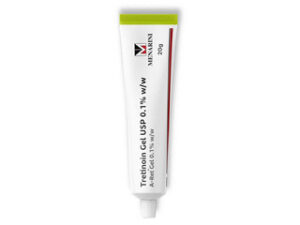
- Topical retinoids (for comedonal and inflammatory acne)
- Benzoyl peroxide (antibacterial and anti-inflammatory; often used to reduce antibiotic resistance when combined with other agents)
- Topical antibiotics (used selectively, often with benzoyl peroxide to limit resistance)
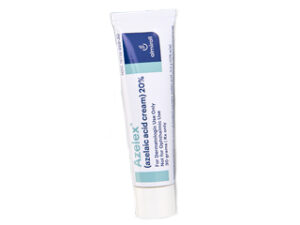
- Azelaic acid (can help with inflammation and pigmentation)
- Oral therapies for moderate to severe acne (specialist-led), which may include hormonal options or systemic antibiotics where appropriate
- Isotretinoin for severe, treatment-resistant acne (specialist monitoring required)
A pharmacist or clinician can help you compare options based on your acne pattern and tolerance. It can also be beneficial to consider lifestyle and skincare habits that support treatment.
UK market and legal context (what this means for you)
In the UK, medicines are regulated under the medicines framework administered by national authorities. Product availability, formulation, and authorised indications are determined by regulatory assessment.
Pharmacy supply follows UK medicines legislation and safety requirements. Depending on the formulation and the clinical pathway, medicines may be available through:
- Community pharmacies for authorised products
- Clinical services for acne management where specialist input is needed
Guidance and prescribing practice for acne generally aims to maximise benefit while limiting harms, including skin irritation and (where antibiotics are involved) concerns about antibiotic resistance. Always follow the dosing schedule on the label and ask for advice if you’re unsure how to combine treatments.
Recent guidance overview (high-level)
Recent UK-focused acne management recommendations emphasise:
- Early, structured treatment for inflammatory acne to reduce progression and scarring
- Use of evidence-based topical therapies
- Prudent use of antibiotics (avoid unnecessary long-term exposure)
- Monitoring for side effects and supporting adherence with skin-friendly regimens
Your clinician may choose Aczone within a broader plan based on your acne severity and response.
Delivery and availability in the UK
Availability can vary by formulation and supplier. Many online pharmacies in the UK offer delivery for authorised medicines. Delivery time depends on:
- Stock availability
- Your postcode area
- Courier service schedules
Before ordering, check:
- Product strength and form match your needs
- Expiry date is sufficiently far in the future
- Storage instructions (e.g., room temperature) are followed
- Delivery policy (returns, damaged parcels, and customer support)
If your treatment plan requires ongoing refills, ask about subscription options or reorder reminders where available.
Storage and handling
- Keep out of sight and reach of children.
- Store at the temperature stated on the packaging.
- Replace the cap/stopper tightly after use.
- Do not use after the expiry date.
FAQ about Aczone (diaminodiphenyl sulfone)
How long does it take for Aczone to work?
Acne improvement is usually gradual. Some people notice changes within a few weeks, but a proper assessment typically requires several weeks of consistent use. If you see no improvement after the expected trial period, speak to your pharmacist or clinician for review.
Will Aczone dry out my skin?
Dryness and irritation can occur, especially early on. Using a gentle cleanser, applying a moisturiser, and adjusting frequency (if advised) can help. If irritation is severe or persistent, seek advice.
Can I use Aczone with other acne treatments?
Often, acne medicines are combined, but it depends on the specific products. Introducing multiple actives at the same time may increase irritation. A safer approach is to add products gradually and confirm combinations with a pharmacist or clinician.
What should I do if I miss a dose?
If you forget an application, apply it when you remember unless it’s close to the next scheduled time. Do not apply extra product to make up for the missed dose.
Can I use sunscreen while taking Aczone?
Yes. Sunscreen is generally recommended, particularly if your acne treatment causes dryness or increased sensitivity. Choose a suitable acne-friendly (often “non-comedogenic”) product.
Is Aczone suitable for sensitive skin?
Some people with sensitive skin tolerate topical acne treatments better than others. Starting gradually, using moisturiser, and avoiding other irritants can improve tolerability. If you have a history of severe skin reactions to medicines, discuss suitability with a healthcare professional.
Are there any food interactions?
For topical Aczone, food interactions are not typically expected. If you use any other dapsone/sulfone formulations by mouth, you should ask about interactions specific to that route.
Can I drink alcohol while using Aczone?
For topical use, alcohol interactions are generally not a major issue. However, if you develop unusual symptoms or you take other medicines that may interact, discuss with your pharmacist.
When should I stop and get medical advice?
Stop using the product and seek prompt advice if you experience a severe allergic reaction (such as swelling or breathing difficulties), a widespread rash, blistering, or symptoms suggesting blood or liver problems (such as persistent yellowing or significant shortness of breath).
Summary
Aczone (diaminodiphenyl sulfone) is an acne treatment option that can help reduce inflammatory lesions over time. Results usually build gradually, so consistent use and patience are important. While topical use often causes mainly skin-related side effects, it’s still important to be aware of rare but serious reactions and to seek advice promptly if you develop concerning symptoms.
If you have questions about how to use Aczone safely alongside your skincare routine or other medicines, your local pharmacist can help you tailor advice to your needs.