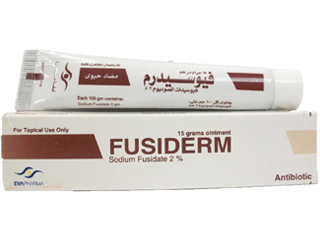
Fusiderm B (Betamethasone + Fusidic Acid) – Patient Guide (UK)
Fusiderm B is a dual-action medicine used on the skin to treat certain infections where inflammation is also present. It combines an antibiotic (fusidic acid) with a corticosteroid (betamethasone), helping to both kill the bacteria and reduce swelling, redness and itch.
This guide explains what Fusiderm B is, how it works, typical uses, how to apply it, important safety information, and practical tips. It also covers possible interactions and common questions.
1) Basic product information
| Feature | What it means |
|---|---|
| Active ingredients | Betamethasone (a corticosteroid) + Fusidic acid (an antibiotic) |
| Medicine type | Topical (skin) combination anti-inflammatory + antibacterial treatment |
| How it’s used | Applied directly to affected skin areas |
| Common goals | Reduce infection and control inflammation and symptoms (redness, swelling, irritation) |
| Availability (UK) | Available through UK pharmacies and online pharmacy services (availability can vary by pharmacy) |
Note: Exact presentation (cream/ointment/formulation strength) and packaging can vary by product and supplier. Always check the label and the accompanying patient information leaflet (PIL) for your specific product.
2) How Fusiderm B works (mechanism of action)
Fusiderm B contains two active ingredients working together:
- Fusidic acid: an antibiotic used against certain bacteria (commonly Staphylococcus aureus). It interferes with bacterial protein production, stopping bacterial growth and helping clear the infection.
- Betamethasone: a corticosteroid that reduces inflammation. It helps calm redness, swelling, itching and discomfort by suppressing inflammatory responses in the skin.
Because it combines an antibiotic with an anti-inflammatory, Fusiderm B is sometimes used when infection and inflammation are both contributing to symptoms. This combination can relieve symptoms faster than antibiotic alone in selected situations.
3) Pharmacokinetics (how the body handles it)
Fusiderm B is applied to the skin, so the medicine mainly acts locally. After topical use, only a small amount is generally absorbed into the bloodstream—particularly when applied to small areas and for short periods. Absorption can be higher under certain conditions (e.g., broken skin, large treatment areas, occlusion, or long use).
- Local action: concentrated at the surface layers of the skin for infection control and anti-inflammatory effect.
- Systemic absorption: typically limited, but can increase with:
- application over large areas
- use on damaged/broken skin
- use under bandages/occlusive dressings
- longer treatment duration
- higher-potency steroid exposure in sensitive areas
- Elimination: any absorbed drug is processed by the body and eliminated mainly via standard metabolic/excretory pathways.
The key clinical point is that topical steroids can, rarely, cause systemic effects if overused or used improperly. Following the directions on the package/PIL helps minimise risk.
4) Typical use and timing
Fusiderm B is commonly used for skin conditions where there is suspected or confirmed bacterial infection along with inflammation. Treatment is usually short-term, with a clear review if symptoms do not improve.
Typical timing (general guidance):
- Apply at the times recommended on your product label/PIL.
- Many topical antibiotic-steroid regimens are applied once or twice daily, but follow your specific instructions.
- Continue for the shortest effective duration—do not use longer than advised.
- If there is no improvement after the recommended review period, seek medical advice and avoid continuing indefinitely.
What to do before applying: Clean gently with mild soap and water, pat dry, and apply only to the affected area. Wash your hands before and after use unless your hands are the treatment area.
5) Indications (when Fusiderm B may be used)
Fusiderm B is intended for topical treatment of certain bacterial skin infections where inflammation is also present. It is commonly used for conditions such as:
- infected eczema or dermatitis (when bacterial infection is present)
- infected wounds or skin lesions where a bacterial infection is suspected and a clinician/pharmacist has advised this product
- selected infected inflammatory skin conditions, based on local guidance and product labelling
Important: Fusiderm B is not suitable for all skin problems. It should not be used for conditions that are not bacterial infections or where a steroid would be unsafe (for example, some fungal or viral skin conditions). Check the warnings in the “Safety profile” section below.
6) Dosing and practical application
Always use the dose and duration stated on the packaging or in the PIL for your specific product. The information below provides patient-friendly, general principles.
How much to apply
- Use a thin layer on the affected skin.
- Apply only to the area that needs treatment.
- Avoid applying to large areas unless specifically advised.
How to apply
- Wash and dry the skin area gently.
- Apply a thin layer of Fusiderm B to the affected area.
- Do not rub excessively; spread evenly.
- Wash hands after application (unless treating the hands).
- If the area is covered with clothing, use breathable fabric and avoid tight friction.
Duration
- Use for the shortest possible time to control symptoms and infection.
- If symptoms worsen, spread, or do not improve within the recommended timeframe, do not keep using without reassessment.
Occlusive dressing (covering) and bandages
Unless specifically instructed, avoid covering treated areas with occlusive bandages/airtight dressings. Occlusion can increase absorption of betamethasone and raise the risk of side effects.
7) Food interactions
Because Fusiderm B is used on the skin and only limited amounts are absorbed systemically, food interactions are not expected. No known clinically relevant food interactions are typically associated with topical betamethasone/fusidic acid preparations.
You can eat and drink normally while using the product. If you take other medicines, focus on medicine-to-medicine interactions covered below and always check the product leaflet.
8) Alcohol and medicine interactions
Alcohol
There are generally no specific alcohol-related interactions expected with topical fusidic acid and betamethasone because systemic exposure is limited. However, alcohol can worsen skin inflammation or delay healing in some people. If you notice flare-ups after drinking, consider reducing alcohol and discuss with a pharmacist or clinician.
Interactions with other medicines
Topical medicines like Fusiderm B usually have fewer interaction concerns than oral treatments, but interactions may still occur indirectly.
- Other topical products: avoid layering many creams/ointments on the same area at the same time unless advised. Some products may irritate skin or alter absorption.
- Other corticosteroids: do not use additional steroid creams on the same area unless directed, to avoid excessive steroid exposure.
- Antibiotics: if you are already taking an oral antibiotic for a skin infection, ask for advice before combining treatments. Fusidic acid resistance is a concern if antibiotics are overused or misused.
- Immunosuppressive treatments: people using immunosuppressants should take extra care and follow professional guidance, as infections may behave differently.
If you are unsure, consult a pharmacist with a list of everything you apply to the skin and everything you take by mouth.
9) Safety profile (side effects and who should be cautious)
Common side effects
Like all medicines, Fusiderm B can cause side effects. Some effects are mild and may improve as your skin settles.
- mild burning, stinging or irritation at application site
- itching or redness
- dryness or peeling
Less common but important reactions
- Allergic contact reactions (worsening rash, swelling, hives)
- Skin thinning or visible blood vessels can occur with corticosteroids, especially with prolonged use or occlusion
- Worsening infection or spread if the condition is not suitable for steroid use
When to stop and seek medical advice urgently
Stop using and seek prompt professional help if you experience:
- rapidly spreading redness, swelling, or increasing pain
- signs of a severe allergic reaction (e.g., facial swelling, difficulty breathing)
- formation of pus, fever, or feeling unwell
- no improvement or deterioration after a short trial period
Who should use extra caution
- Children: topical steroids can have a greater impact on children due to higher skin absorption relative to body size. Use only with professional advice and for limited time.
- Pregnancy and breastfeeding: usually involve careful benefit-risk assessment. Discuss with a pharmacist/clinician if you are pregnant, trying to conceive, or breastfeeding—especially if treating large areas.
- Large areas or damaged skin: increases absorption and side effect risk.
- Skin folds, groin, armpits, face: steroid side effects occur more readily in thinner skin areas.
- Existing skin conditions: ensure the problem is suitable for antibiotic + steroid treatment.
Situations where you should not use (or should ask first)
Steroids can worsen certain infections. Avoid using Fusiderm B without advice if you suspect:
- fungal infections (e.g., ringworm, athlete’s foot)
- viral infections on the skin (e.g., herpes simplex, varicella)
- untreated acne or rosacea flare-ups
- non-infective inflammatory rashes where an antibiotic is not needed
- open or deep wounds unless specifically recommended
When uncertain, ask a pharmacist. Correct diagnosis reduces the risk of treatment failure and antibiotic resistance.
10) Practical use tips
- Don’t share your medicine with others—skin infections may look similar but need different treatments.
- Complete the advised course (as instructed) rather than stopping and restarting repeatedly.
- Avoid unnecessary steroid exposure: do not apply under tight dressings/occlusion unless directed.
- Keep the area clean: gently wash daily or as advised and pat dry before applying.
- Watch for improvement: if there’s no clear improvement within the timeframe recommended on the product leaflet or by a professional, get reassessed.
- Hygiene: wash hands before/after use to reduce spreading infection.
- Resistance matters: topical antibiotics should be used only when appropriate. Overuse can contribute to bacterial resistance.
11) Alternative options (depending on the cause)
The best alternative depends on what’s driving the skin problem (infection type, inflammation pattern, and underlying conditions). If Fusiderm B isn’t suitable, options may include:
- Antibiotic-only topical treatment (for bacterial infection without significant inflammatory flare)
- Moisturisers and anti-inflammatory treatments for non-infected eczema or dermatitis
- Antifungal or antiviral medicines if the cause is fungal or viral
- Oral antibiotics in more significant or spreading infections, as advised by a clinician
A pharmacist can help you understand which option matches your symptoms and appearance—especially because some rashes can look similar.
12) UK market and legal context (high-level)
In the UK, topical antibiotic/steroid combinations are medicines regulated under the Medicines and Healthcare products Regulatory Agency (MHRA). Availability through online pharmacies is subject to UK pharmacy regulation and prescribing/dispensing requirements where applicable.
For guidance and safe use, UK healthcare organisations encourage antimicrobial stewardship: using antibiotics only when needed, applying the right product for the right duration, and avoiding antibiotic overuse. This helps reduce the risk of antibiotic resistance.
Always follow the instructions from your supplying pharmacy and read the patient information leaflet carefully.
13) Recent guidance and antimicrobial stewardship (what to keep in mind)
UK clinical messaging over recent years has highlighted several themes relevant to topical antibiotics:
- Use antibiotics only when infection is likely, not for purely inflammatory rashes.
- Follow short treatment durations and review if not improving.
- Avoid repeated cycles unless guided by professional assessment, as repeated antibiotic exposure can encourage resistant bacteria.
- Consider underlying skin conditions (such as eczema) that may need additional management to prevent re-infection.
If your skin condition keeps returning, it may be helpful to discuss prevention strategies with a pharmacist or clinician (for example, moisturising routines, trigger control, and correct diagnosis).
14) Delivery and availability (UK)
Online pharmacies in the UK typically offer delivery to UK addresses where permitted by regulation and stock availability. Delivery options and timelines vary depending on the supplier, service level, and your location.
- Stock availability: Some formulations may be in high demand. If temporarily unavailable, the pharmacy may offer an alternative within the same ingredient profile (where appropriate).
- Packaging: Your medicine will be supplied in protective packaging with instructions and product labelling.
- Delivery lead times: often 1–3 working days for standard services, but this can vary—check the checkout page for your specific delivery options.
If you’re treating a condition that’s urgent or worsening rapidly, consider seeking same-day pharmacy or urgent clinical advice rather than waiting for delivery.
15) FAQ
How quickly should Fusiderm B start working?
Many people notice symptom improvement within a few days if the infection is suitable for fusidic acid and the inflammation responds to betamethasone. If there is no improvement within the review timeframe stated in the PIL (or if symptoms worsen), stop and get advice.
Can I use Fusiderm B on my face?
Corticosteroids can be more risky on thin facial skin and around eyes. Do not apply to the face unless your prescriber or pharmacist specifically advises it. Avoid using near the eyes.
Is Fusiderm B safe for children?
Children may absorb topical steroids more readily. Fusiderm B should be used only if specifically recommended, for limited time, and on small areas. Always follow the dosing instructions given by your pharmacy or clinician.
What if my rash gets worse after starting?
Worsening may indicate that the condition isn’t bacterial infection, that resistance is present, or that steroid effects are making it worse. Stop using and seek prompt professional advice.
Can I cover the treated area with a bandage?
Avoid occlusion unless specifically advised. Coverings can increase betamethasone absorption and the risk of side effects. If a bandage is needed, ask your pharmacist what type is appropriate.
Can I use other creams at the same time?
It’s usually best not to layer multiple products on the same area simultaneously unless instructed. If you use moisturisers or other topical treatments, apply Fusiderm B as directed and space out other products where practical—ask your pharmacist for a personalised plan.
Is it okay to drink alcohol while using it?
No specific alcohol interaction is expected with topical Fusiderm B. However, alcohol may worsen some skin conditions in certain people. If you notice changes, consider reducing alcohol and monitor symptoms.
Do I need to stop if my skin looks better?
Follow the recommended treatment duration. Stopping early can sometimes lead to incomplete clearance of infection. If you’re unsure, ask your pharmacist.
Can Fusiderm B be used long-term?
No—topical corticosteroid/antibiotic combinations should be used for the shortest duration required. Prolonged use increases risk of skin thinning and other steroid-related effects. If symptoms persist, you need reassessment.
Summary
Fusiderm B (betamethasone + fusidic acid) is a topical combination medicine designed to treat skin infections that also involve inflammation. It works by combining an antibiotic effect from fusidic acid with anti-inflammatory action from betamethasone.
For best results and safety: apply only to the affected area, use a thin layer, avoid occlusion unless advised, and do not use longer than recommended. If symptoms worsen or fail to improve, seek advice rather than continuing.