Prilosec (Omeprazole) — Patient Information (UK)
Prilosec is a medicine containing omeprazole, a proton pump inhibitor (PPI). It is used to reduce the production of stomach acid, helping to relieve symptoms linked with acid reflux and certain stomach conditions.
This page explains how Prilosec works, when it should be taken, common uses, typical dosing, important safety information, interactions (including alcohol and other medicines), and practical tips for getting the best results in the United Kingdom (UK).
Basic Product Information
| Information | Details |
|---|---|
| Active ingredient | Omeprazole (a proton pump inhibitor) |
| What it does | Reduces stomach acid production |
| Common strengths | Often available as 10 mg, 20 mg, or 40 mg (formulation may vary by product) |
| Where it’s used | UK for conditions caused or worsened by stomach acid |
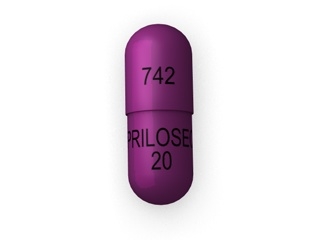
| How it’s taken | Oral capsules/tablets depending on formulation; swallow whole (do not crush) |
Note: Specific product presentation (capsules vs tablets) and strength may vary. Always follow the instructions on the pack and any clinician advice.
How Prilosec Works (Mechanism of Action)
Omeprazole belongs to a class of medicines called proton pump inhibitors. It works by blocking the “proton pumps” in the stomach lining—small structures responsible for acid secretion.
- When the stomach produces acid, the proton pumps release hydrogen ions into the stomach.
- Omeprazole inhibits these pumps, reducing the amount of acid made.
- Less acid helps relieve symptoms such as heartburn and allows irritated tissue to heal.
PPIs like omeprazole are generally most effective when taken correctly with timing (see “When to take Prilosec” below).
Pharmacokinetics (How the Body Handles It)
Understanding pharmacokinetics can help explain why timing matters.
- Absorption: Omeprazole is absorbed in the gut after you take a dose by mouth.
- Activation: PPIs are designed to work best when stomach acid activity is present; they concentrate in the stomach lining and become active there.
- Onset: Many people notice improvement within 1–4 days, though maximum effect can take a little longer depending on the condition.
- Duration: Acid suppression lasts long enough that once-daily dosing is commonly used for many indications.
- Metabolism: Omeprazole is broken down mainly by liver enzymes (including CYP2C19).
- Excretion: Metabolites are cleared from the body, primarily via the kidneys.
Practical takeaway: Because activation depends on active conditions in the stomach, taking it shortly before a meal often improves effectiveness.
Typical Uses in the UK
Prilosec is used to treat conditions where reducing stomach acid helps relieve symptoms and prevent damage.
Common indications
- Gastro-oesophageal reflux disease (GORD) (heartburn and acid reflux)
- Oesophagitis (inflammation of the food pipe due to acid)
- Healing and symptom relief for acid-related stomach issues
- Prevention of stomach ulcers in some people taking medicines that can irritate the stomach (e.g., certain anti-inflammatory medicines), depending on individual circumstances
When Prilosec may be used
- For frequent heartburn/reflux symptoms
- For acid-related discomfort that persists despite lifestyle changes
- For longer-term management in people with recurrent or chronic symptoms, where appropriate
Important: If you are using Prilosec regularly for symptoms, it is sensible to review your treatment with a healthcare professional—particularly if symptoms persist or return quickly after stopping.
When to Take Prilosec (Timing & Practical Steps)
Correct timing is one of the most important factors for PPIs.
Best timing
- Take Prilosec before eating, ideally 30–60 minutes before your first meal of the day.
- This helps ensure the medicine is present when the stomach starts producing acid after waking and before breakfast.
How to take
- Swallow whole with water; do not crush or chew capsules/tablets unless your specific product guidance says otherwise.
- Try to take it at about the same time each day.
If you miss a dose
- Take it as soon as you remember unless it is close to the time of your next dose.
- Do not take a double dose to make up for a missed one.
Food Interactions and Eating Habits
Omeprazole is affected by meal timing rather than specific foods.
- General rule: Food can reduce how well a PPI works if taken at the wrong time.
- Taking it after meals may delay or reduce the acid-suppressing effect.
- If you cannot take it before meals, speak to a pharmacist or healthcare professional for advice specific to your schedule.
Tip: If you have reflux symptoms at night, some people may be advised on dosing schedules. Don’t change your regimen without guidance.
Alcohol and Medicine Interactions
Alcohol
- Alcohol can aggravate reflux symptoms in many people by irritating the oesophagus and relaxing the lower oesophageal sphincter.
- Even though Prilosec reduces acid, it may not fully prevent symptom flare-ups triggered by alcohol.
Practical advice: If you notice your symptoms worsen after alcohol, reducing or avoiding alcohol may improve comfort.
Interactions with other medicines
Because omeprazole is metabolised in the liver and affects stomach acid, it can interact with certain medicines. Some interactions are important for safety and effectiveness.
Medicines that may be affected
- Clopidogrel: Omeprazole may reduce the activation of clopidogrel in the body, potentially lowering effectiveness. Alternatives may be considered depending on the clinical situation.
- Some antifungals (e.g., ketoconazole, itraconazole) and some other medicines requiring stomach acidity for absorption: reduced acid can affect absorption.
- Medicines affected by liver enzyme activity: interactions can occur with drugs that influence CYP2C19.
- Warfarin and other vitamin K antagonists: occasional monitoring may be required if used together.
- Medicines where low stomach acidity changes absorption, such as certain HIV medicines: discuss with a clinician/pharmacist.
Non-prescription medicines and supplements
- Tell your pharmacist about all medicines and supplements you take, including herbal products.
- Antacids may provide quick relief, but they do not replace a PPI’s longer-term effect.
Always check: Interaction risk depends on the specific product, dose, and your personal medicines list. If you’re unsure, ask a pharmacist.
Dosing Information (Typical Regimens)
Dose varies by indication, severity, and whether a short course or longer treatment is needed. The information below is general; always follow the instructions on the product packaging or clinician guidance.
Common adult dosing patterns
- For reflux/GORD: Often 20 mg once daily (sometimes adjusted based on response).
- For more severe symptoms or healing: Doses may be higher (e.g., 40 mg once daily) in some situations.
- Duration: Courses are commonly taken for a limited period; ongoing use should be reviewed if symptoms return.
Children
Use in children depends on age, weight, and the specific diagnosis. Dosing should be determined by a healthcare professional and is often based on clinical guidance.
How long until it works?
- Some people feel relief within the first few days.
- For healing conditions such as oesophagitis, improvement may take longer.
- If symptoms persist after the course or rapidly return, seek advice.
Safety Profile and Side Effects
Most people tolerate omeprazole well. However, like all medicines, it may cause side effects.
Common side effects
- Headache
- Diarrhoea or constipation
- Nausea
- Abdominal discomfort (e.g., bloating)
Less common but important risks
- Allergic reactions (e.g., rash, swelling, breathing difficulties): stop using and seek urgent medical help.
- Infections: acid suppression may slightly increase susceptibility to certain gastrointestinal infections.
- Long-term risks (mainly with prolonged use): possible associations with vitamin/mineral changes and bone fracture risk have been reported. These risks should be balanced against benefits and reviewed with a clinician.
When to seek medical advice urgently
- Chest pain that could be heart-related (especially if pain is new, severe, or associated with breathlessness or sweating)
- Difficulty swallowing, pain when swallowing, or persistent vomiting
- Unexplained weight loss, black stools (tarry stools), or vomiting blood
- Symptoms that do not improve or worsen despite correct use
Important: Persistent or “alarm” symptoms should be assessed promptly. Acid suppression can improve symptoms while underlying conditions still require evaluation.
Practical Use Tips for Best Results
- Take it before your first meal (30–60 minutes ahead) for maximum effectiveness.
- Use consistently once daily, especially during the first treatment days.
- Don’t ignore lifestyle factors: reduce late-night meals, consider smaller portions, and avoid trigger foods if known (e.g., spicy/fatty foods, citrus, tomato-based meals).
- Consider symptom tracking: note what times symptoms occur, what you ate, and any triggers.
- Check your other medicines: ask a pharmacist if you take multiple regular medicines or if you’re on long-term therapy.
- Plan follow-up: if you need PPI treatment beyond the typical course, review whether a longer plan is needed and whether dose adjustments are appropriate.
Alternative Options
If Prilosec is not suitable or symptoms don’t improve, there are alternatives. The best option depends on your diagnosis, symptoms, and other medicines.
Other PPIs
- Other PPIs include lansoprazole, esomeprazole, pantoprazole, and rabeprazole.
- They generally work similarly but may differ in dosing and interaction profiles.
H2 receptor antagonists
- Medicines such as famotidine can reduce acid, typically with less potency than PPIs.
Antacids and alginates
- Antacids can neutralise existing stomach acid for fast, short-term relief.
- Alginate-based products form a “raft” barrier that may reduce reflux symptoms, particularly after meals.
- These may be used alongside PPIs for breakthrough symptoms if advised.
Lifestyle approaches
- Weight management (if relevant), elevating the head of the bed, avoiding late meals, and reducing trigger foods can reduce reflux frequency.
UK Market and Legal/Clinical Context
In the UK, PPIs such as omeprazole are widely used for acid-related conditions. Omeprazole may be available in different forms depending on strength and product category (for example, certain packs may be supplied for self-care). Availability can vary by formulation, brand, and local pharmacy stock.
Clinical approach in the UK: Healthcare professionals typically consider the shortest effective duration and regularly review ongoing treatment when symptoms are recurrent. For people with persistent or severe symptoms, assessment may include referral pathways and further investigations where needed.
Recent emphasis in practice: There has been ongoing focus across healthcare guidance and safety communications on appropriate use of PPIs, avoiding unnecessary long-term therapy, and ensuring review of continued need—particularly in older adults or those at risk of complications.
Recent Guidance (What People Should Know)
While guidance can evolve, common themes in UK practice include:
- Using the lowest effective dose for the shortest duration that controls symptoms.
- Reassessing ongoing treatment if symptoms recur, particularly after stopping or reducing.
- Monitoring long-term risks for patients who require long-term therapy, considering nutritional status and bone health where appropriate.
- Reviewing interactions with other medicines, especially for people on multiple therapies.
If you are considering stopping a PPI after longer use, it can be helpful to discuss a step-down approach with a pharmacist or clinician to reduce rebound symptoms.
Delivery and Availability in the UK
Prilosec/omeprazole may be stocked in different strengths and pack sizes depending on demand and pharmacy arrangements. Online availability can vary.
- Dispatch: Many UK online pharmacies dispatch orders within working days (subject to cut-off times).
- Delivery: Delivery options typically include standard and tracked services where available.
- Stock status: If a strength or pack size is temporarily unavailable, the site may offer alternatives (such as a different strength or a closely related PPI).
Always check the product strength, formulation, and dosing instructions on the pack before use.
FAQ — Frequently Asked Questions
1) Is Prilosec the same as omeprazole?
Yes. Prilosec is a brand name; the active ingredient is omeprazole.
2) How fast will it work?
Many people feel relief within a few days. Full benefit for healing conditions may take longer. If symptoms do not improve after a reasonable course, seek advice.
3) Can I take Prilosec with food?
For best results, take it before meals, typically 30–60 minutes before your first meal. Taking it after food may reduce effectiveness.
4) Can I drink alcohol while taking Prilosec?
Alcohol may worsen reflux symptoms in many people. Prilosec reduces acid, but it may not prevent symptoms triggered by alcohol. If you notice a link, reducing or avoiding alcohol may help.
5) Are there common side effects?
Commonly reported side effects include headache, diarrhoea or constipation, nausea, and abdominal discomfort.
6) Should I stop Prilosec once I feel better?
For many acid-related conditions, a course may be recommended and then stopped. However, if symptoms persist or return quickly, it’s important to review the situation with a pharmacist or clinician rather than simply restarting without assessment.
7) What if my symptoms come back?
Recurrent symptoms can be common, especially with GORD. If symptoms return, discuss with a healthcare professional. Dose and duration may need adjustment, and alarm symptoms should be ruled out.
8) Can I take Prilosec with other medicines?
It may interact with some medicines. Tell your pharmacist about all medications and supplements. Particularly important interactions include medicines such as clopidogrel and others where acid suppression or liver metabolism may matter.
9) Is long-term use safe?
Many people use PPIs long-term when clearly indicated. Long-term use should be regularly reviewed to ensure the lowest effective dose and to consider any potential risks.
10) Who should get urgent medical advice?
Seek urgent help if you have severe chest pain, trouble swallowing, vomiting blood, black/tarry stools, unexplained weight loss, or symptoms that are worsening or not responding.
Summary
Prilosec (omeprazole) is a proton pump inhibitor used to reduce stomach acid and treat conditions such as GORD and acid-related oesophageal irritation. For best results, take it 30–60 minutes before your first meal. Most side effects are mild, but it’s important to be aware of possible interactions and to seek medical advice for “alarm” symptoms or persistent problems.
If you’d like, share your age, main symptoms, how often they occur, and any other medicines you take, and we can help you understand how to use Prilosec safely and effectively.