

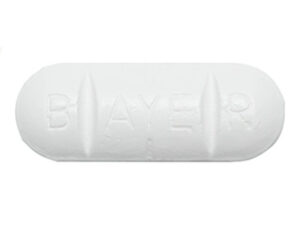
Albenza (Albendazole) – Patient Information for the UK
Albenza contains albendazole, an anti-parasitic medicine used to treat certain worm infections. It works by targeting parasites in the body and helping to clear the infection. This page explains how Albenza works, when it is used, how it should be taken, key safety information, and practical tips—tailored for patients in the United Kingdom.
1. Basic product information
| Feature | Information |
|---|---|
| Medicine name | Albenza |
| Active ingredient | Albendazole |
| Medicine type | Anthelmintic (anti-parasitic) medicine |
| What it’s used for | Selected intestinal worm infections and certain tissue/cystic parasite infections |
| Common forms | Tablets (brand availability may vary by pack) |
| Availability in the UK | Availability depends on indication, formulation, and pharmacy supply |
Note: Exact dosing and duration vary by the type of parasite infection. Always follow the specific instructions given for your condition.
2. How Albenza works (mechanism of action)
Albendazole is a benzimidazole anti-parasitic agent. It works mainly by:
- Disrupting the parasite’s energy production: Albendazole interferes with the way parasites use glucose for energy.
- Blocking microtubule formation: This prevents the parasite from maintaining key cellular structures needed for survival and reproduction.
- Leading to parasite death: Over time, these effects reduce parasite viability and help clear the infection.
In many worm infections, symptoms begin to improve after treatment, but complete clearance may take longer—especially for infections involving body tissues.
3. Pharmacokinetics (how the body handles it)
Pharmacokinetics describe how the medicine is absorbed, distributed, metabolised, and excreted.
- Absorption: Albendazole is absorbed from the gut. Absorption can be improved when taken with food (see “Food interactions” below).
- Metabolism: It is metabolised in the liver. The main active metabolite is albendazole sulfoxide.
- Distribution: Active forms can reach many tissues, which is important for certain tissue-based infections.
- Elimination: Metabolites are eliminated primarily via the liver metabolism and then through urine and bile.
- Drug monitoring: For longer courses, particularly for tissue infections, clinicians may monitor blood counts and liver function.
Practical implication: Because albendazole is processed through the liver, liver health and possible interactions with other medicines are important.
4. Typical use in the UK (what Albenza treats)
Albenza is used to treat infections caused by susceptible parasites. Common indications (depending on diagnosis) include:
- Intestinal worms such as:
- Threadworm (Strongyloides stercoralis)—where albendazole may be considered
- Pinworm (Enterobius vermicularis)—albendazole may be used as an option in appropriate cases
- Hookworm (Ancylostoma duodenale / Necator americanus)
- Roundworm (Ascaris lumbricoides)
- Whipworm (Trichuris trichiura)
- Other parasitic infections such as:
- Giardiasis is not treated by albendazole (different medicines are used).
- Some tissue infections where appropriate, under specialist care (for example, certain forms of neurocysticercosis or hydatid disease), which often require longer courses and additional monitoring.
Important: The correct treatment depends on the exact parasite and the location of infection. If you’re unsure which infection you have, a diagnostic test or clinical assessment may be needed.
5. When to take Albenza (timing)
Timing depends on the condition being treated and the prescribed schedule. In general:
- Take at the same time(s) each day to keep the medicine level steady.
- Follow the number of days or single-dose instructions provided for your specific infection.
- For longer courses, you may be advised to attend follow-up appointments and blood tests.
Can it be taken with food? Many people take albendazole with food to improve absorption. See below for food and interaction details.
6. Food interactions and absorption
Food can affect how well albendazole is absorbed. A common recommendation for improved uptake is to take Albenza with meals (or after a meal), depending on local guidance for the specific product and indication.
- Taking with a meal may increase absorption.
- Try to keep the same approach each time (e.g., always take with breakfast or after dinner).
- If you have nausea or vomiting, talk to a healthcare professional for advice on timing and whether to re-dose if a dose is vomited shortly after taking it.
7. Alcohol and medicine interactions
Alcohol
There is no single rule that all people must completely avoid alcohol, but alcohol may increase the risk of liver stress and can worsen side effects such as dizziness or nausea. Because albendazole is processed by the liver, it’s generally sensible to:
- Limit alcohol while taking Albenza
- Avoid heavy drinking, especially with longer courses
- Seek medical advice if you have liver problems or regularly drink alcohol
Other medicines (drug interactions)
Albendazole interactions can occur, particularly with medicines that affect liver enzymes or liver function. Tell your pharmacist or prescriber about all medicines you take, including:
- Prescription medicines
- Over-the-counter medicines
- Herbal products and supplements
Some medicines may:
- Increase albendazole levels (raising risk of side effects)
- Decrease albendazole levels (reducing effectiveness)
- Increase liver load (increasing risk of liver enzyme elevation)
Examples commonly discussed in interaction checks include treatments such as cimetidine or certain anti-epileptic medicines that can affect metabolism, but the exact interaction risk depends on the individual regimen.
Action point: If you are taking multiple medicines, especially for chronic conditions or if your treatment course is prolonged, ask your pharmacist to perform an interaction check.
8. Indications and suitability
Albenza is indicated for specific parasitic infections, based on diagnosis and parasite type. Suitability depends on:
- Age and body weight (dose may differ for children)
- Type of infection (intestinal vs. tissue)
- Severity and location (tissue infections may need longer treatment and monitoring)
- Liver health (because albendazole is metabolised in the liver)
- Pregnancy status and breastfeeding (see safety section)
If your symptoms are severe, rapidly worsening, or accompanied by neurological symptoms (such as seizures, confusion, or severe headaches), seek urgent medical advice.
9. Dosing (typical adult and child approach)
Dosing for albendazole depends strongly on the infection being treated. Below is a general overview of typical dosing approaches. Your local instructions may differ depending on diagnosis and clinical judgement.
Always use the dosing schedule provided with your specific treatment plan.
General principles
- Dose may be weight-based for children.
- Course length varies: some infections are treated in a single dose or short courses; others require repeated or longer treatment.
- Follow-up may be needed for certain tissue infections or if symptoms persist.
Common dosing patterns (examples)
The following are examples of dosing patterns that are sometimes used:
- Intestinal infections (some conditions): often treated with a single dose or a short course over a few days.
- Repeat dosing may be required in some cases to reduce reinfection and clear remaining parasites.
- Tissue infections: often involve longer courses with close monitoring (including blood tests and liver function checks).
Monitoring during longer treatments
For prolonged regimens, clinicians may monitor:
- Liver enzymes
- Full blood count (to check for low white blood cells or other changes)
- Symptom response and complications
Practical note: If you’re taking Albenza for more than a short course, it’s important not to miss blood tests and follow-up appointments.
10. Safety profile and side effects
Like all medicines, Albenza can cause side effects. Many are mild and temporary, but some require prompt medical attention.
Common side effects
- Headache
- Dizziness
- Nausea or stomach discomfort
- Abdominal pain
- Diarrhoea
- Vomiting
- Raised liver enzymes (more likely with longer courses)
Less common but important side effects
- Allergic reactions (rash, itching, swelling, difficulty breathing)
- Blood count changes (e.g., reduced white blood cells), especially after longer treatment
- Worsening neurological symptoms in some tissue infections (the underlying infection and inflammation may contribute)
Seek urgent medical help if
- You have signs of an allergic reaction: swelling of face/lips, severe rash, or breathing difficulty
- You develop severe abdominal pain, persistent vomiting, or feel very unwell
- You develop unusual bruising, frequent infections, or extreme tiredness during prolonged treatment
- You have yellowing of skin/eyes (jaundice) or dark urine
Who should take extra care?
- Liver disease or a history of abnormal liver function tests
- Blood disorders or previous issues with low blood counts
- Children (dose selection should follow weight/age guidance)
- Older adults with multiple medications or reduced tolerance
11. Practical use tips
- Take with food if advised or if it improves tolerability.
- Use a reminder for scheduled doses, especially if taking multiple days.
- Complete the full course even if you feel better.
- Watch for reinfection (important for household contact infections like pinworm):
- Wash hands thoroughly
- Keep nails short
- Wash bedding and nightwear regularly during and after treatment as advised
- Family members may sometimes require treatment depending on diagnosis
- Hydrate if you experience diarrhoea or stomach upset.
- Keep follow-up appointments if blood tests or re-checks are planned.
If you miss a dose: Take it as soon as you remember unless it is close to the next dose. Do not take double doses. If you are unsure, ask a pharmacist for guidance based on your exact schedule.
12. Alternative options
Depending on the parasite, other anti-parasitic medicines may be appropriate. Alternatives can include:
- Mebendazole (often used for intestinal worms)
- Praziquantel (used for certain flatworm infections)
- Ivermectin (used for certain parasites such as strongyloidiasis in specific regimens)
- Metronidazole or other agents for infections where albendazole is not indicated (e.g., giardiasis)
Which option is best? It depends on the specific infection, severity, affected body system, and your health status (including liver function, pregnancy, and age). A pharmacist can also help compare options once the parasite is known.
13. United Kingdom market and legal context
In the UK, availability and classification of medicines is regulated to support safe and effective use. Anti-parasitic medicines may have different legal classifications depending on product format, strength, indication, and clinical oversight requirements.
What this means for patients:
- Some parastic infections require clinical assessment to confirm the diagnosis and guide the correct regimen.
- Longer courses and tissue infections may require additional monitoring and specialist input.
- Pharmacies may ask for information about symptoms, age, liver health, pregnancy status, and current medicines to ensure safe supply.
Because guidance can evolve, always rely on the most up-to-date instructions provided with your medicine and the advice of qualified healthcare professionals.
14. Recent guidance and public health notes (UK)
Worm and parasite management in the UK may be informed by:
- NHS/UK public health guidance on diagnosis and treatment pathways
- Local prescribing and monitoring practices (especially for tissue infections)
- Travel-related health recommendations if infection was acquired abroad
If you recently travelled, have a history of exposure to contaminated food/water, or symptoms that do not improve, consider seeking medical advice. Correct identification of the parasite improves the chance of successful treatment.
15. Delivery and availability from an online pharmacy (UK)
Availability can vary depending on stock levels and the specific pack size. When ordering online, you can typically expect:
- Secure packaging to help protect tablets
- UK delivery options (timing depends on your postcode and dispatch schedules)
- Tracking for many delivery services
Before ordering: Ensure the product name and strength match what you need for your condition, and check any age/weight restrictions listed for the medication.
16. Frequently Asked Questions (FAQ)
How quickly will I feel better after taking Albenza?
It depends on the type of parasite infection and how severe it is. For intestinal infections, some people notice symptom improvement within a few days. For tissue infections, improvements may take longer and require longer treatment courses and follow-up.
Can I take Albenza on an empty stomach?
Albendazole absorption can be improved when taken with food. Many patients are advised to take it with meals or shortly after eating. Follow the specific instructions provided with your medicine.
Is Albenza safe for children?
Albendazole can be used in children for some parasitic infections, but dosing is often weight-based. A pharmacist or clinician should guide the correct dose and schedule.
What if I am pregnant or trying to conceive?
Pregnancy should be considered carefully before taking albendazole. If you are pregnant, planning pregnancy, or breastfeeding, consult a healthcare professional for personalised advice.
Can I drink alcohol while taking Albenza?
It’s generally wise to limit alcohol—particularly with longer courses—because albendazole is processed by the liver. If you drink regularly or have liver problems, seek medical advice.
What are the most common side effects?
The most commonly reported effects include headache, dizziness, nausea, abdominal discomfort, and changes such as diarrhoea. Mild symptoms usually settle, but contact a healthcare professional if side effects are severe or persistent.
Do I need blood tests?
For short courses, blood tests are often not required. For longer courses or certain tissue infections, clinicians may monitor liver enzymes and blood counts.
How do I avoid reinfection?
Reinfection depends on the parasite. For household pinworm-type infections, hygiene measures are important (handwashing, laundering bedding/nightwear as advised, and treating close contacts when recommended). For other infections, focus on safe food and water hygiene.
What should I do if my symptoms don’t improve?
If symptoms persist after completing treatment—or if they worsen—seek medical advice. You may need the diagnosis confirmed or an alternative treatment chosen based on the parasite type.
Are there alternatives to Albenza?
Yes. Depending on the specific worm/parasite, other options may include mebendazole, praziquantel, ivermectin, or other targeted treatments. The best choice depends on the infection.
Summary
Albenza (albendazole) is an anti-parasitic medicine used to treat selected worm and parasite infections in the UK. It works by disrupting parasite energy use and cellular structures. How the body absorbs and metabolises albendazole can be influenced by food, and longer courses may require liver and blood monitoring. Side effects are usually mild, but serious reactions—especially during prolonged use—should be taken seriously.
If you have questions about suitability, dosing duration, interactions with other medicines, or how to manage side effects, speak to a pharmacist for tailored advice.