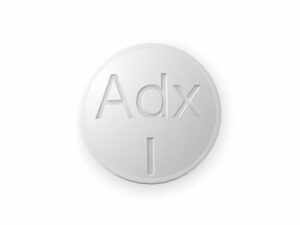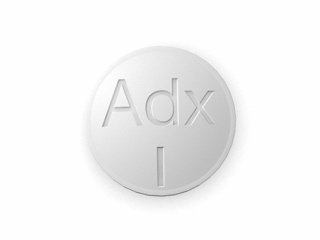


Arimidex (Anastrozole) — Patient Guide (UK)
Arimidex is a medicine containing anastrozole, used in the treatment of certain hormone-sensitive cancers, particularly breast cancer. This guide explains what Arimidex does, how it works in the body, typical uses, how to take it, key interactions, and important safety information. It is written for people in the United Kingdom.
| Product | Details |
|---|---|
| Name | Arimidex |
| Active ingredient | Anastrozole |
| How it’s taken | Oral tablets |
| Typical dose (for most indications) | 1 mg once daily |
| Class | Aromatase inhibitor (AI) |
| Common reason for use | Hormone receptor–positive breast cancer in appropriate patients |
What is Arimidex (Anastrozole)?
Anastrozole belongs to a group of medicines called aromatase inhibitors. Aromatase is an enzyme that helps produce oestrogen (estrogen) in the body. By reducing oestrogen levels, Arimidex helps slow the growth of certain hormone-sensitive cancers.
In breast cancer, the effect is mainly in people whose cancer depends on oestrogen (“oestrogen receptor positive” disease), and for whom aromatase inhibition is an appropriate strategy.
How does Arimidex work? (Mechanism of action)
Arimidex works by inhibiting the aromatase enzyme. This enzyme is responsible for converting androgen-type hormones into oestrogens, particularly in tissues such as fat and muscle.
- Lower oestrogen levels reduce stimulation of oestrogen-sensitive tumour cells.
- Unlike some older endocrine treatments, aromatase inhibitors act by reducing the production of oestrogen rather than blocking oestrogen receptors directly.
Pharmacokinetics: How the body processes it
Pharmacokinetics describes how a drug is absorbed, distributed, metabolised, and eliminated. While individual responses vary, the main practical points for Arimidex are:
- Absorption: Arimidex is absorbed after oral dosing.
- Onset: Oestrogen suppression occurs over time after starting treatment.
- Metabolism: Anastrozole is primarily metabolised by liver pathways (including CYP-related metabolism).
- Elimination: Metabolites are excreted mainly via the urine.
- Steady effect: Because it is taken daily, it helps maintain consistently low oestrogen levels.
Your healthcare team may monitor progress using clinical assessments and, when appropriate, blood tests and imaging. For bone health, additional checks may be recommended.
Typical uses in the UK
Arimidex is used for hormone receptor–positive breast cancer in specific circumstances, commonly:
- Adjuvant treatment (after primary surgery) to reduce risk of recurrence in appropriate patients.
- Extended adjuvant treatment (continuing therapy after an initial course) where clinically indicated.
- Treatment of early breast cancer in appropriate groups based on menopausal status and receptor status.
- Management of advanced (locally advanced or metastatic) breast cancer where oestrogen is a driver of disease and treatment strategy supports aromatase inhibition.
Exact eligibility depends on factors such as oestrogen receptor status, menopausal status, prior treatments, and overall health. Your clinician will select the most suitable option for your situation.
When to take Arimidex (timing)
Arimidex tablets are usually taken . Many people find it easiest to take at the same time each day to help build a routine.
Missed dose guidance
If you miss a dose:
- Take it as soon as you remember if it is not close to the next dose.
- If it is nearly time for the next dose, skip the missed dose.
- Do not take a double dose to make up for the missed one.
If you are unsure what to do, ask your pharmacist or clinician for advice based on your dosing schedule.
Dose and administration
The common dosing regimen for Arimidex is:
- 1 mg by mouth once daily (standard adult dosing for many breast cancer indications).
Some patients may have special considerations depending on the planned treatment duration, other medicines, and overall medical circumstances. Always follow the regimen given to you by your healthcare professional.
Food interactions and what to eat
Arimidex is generally considered to be taken with or without food. For most people, food does not cause clinically significant changes in how the medicine works.
- You can take it with a meal or on an empty stomach.
- If it upsets your stomach, consider taking it with food.
- Stay hydrated and maintain regular meals if you experience nausea or appetite changes.
While there are no “forbidden” foods for Arimidex itself, maintaining a balanced diet is important—especially for bone health (calcium and vitamin D intake, as advised by your clinician).
Alcohol and interactions with other medicines
Alcohol
Moderate alcohol consumption is not known to directly “cancel out” Arimidex. However, alcohol may worsen some side effects such as:
- Hot flushes (in some people)
- Dizziness or fatigue
- Stomach irritation
- Sleep disturbance
If you drink alcohol, consider keeping intake moderate and discuss your personal situation with your pharmacist, particularly if you have liver concerns or take multiple medicines.
Important medicine interactions
Arimidex may interact with other medicines, mainly through liver metabolism pathways. Some medicines can affect anastrozole levels or increase side-effect risk.
Always tell your pharmacist about all current medicines, including over-the-counter products, herbal supplements, and vitamins.
Examples of medicines and substances to discuss
- Hormonal therapies (other endocrine treatments): do not combine without specialist guidance.
- CYP-related medicines: certain medicines may alter metabolism and require review by a clinician.
- Estrogen-containing products (e.g., some creams or hormone therapies): may reduce the effectiveness of an aromatase inhibitor.
- Bone-health supplements (calcium/vitamin D): generally used to support treatment, but dosing should be appropriate.
- Medicines affecting bone or fracture risk: your prescriber may consider overall bone protection.
This is not an exhaustive list. Interaction risk depends on your full medication profile, kidney/liver function, and treatment history.
Safety profile: Common and serious side effects
Like all medicines, Arimidex can cause side effects. Not everyone will experience them, and many can be managed. If symptoms are severe, worsening, or concerning, seek medical advice promptly.
Common side effects
- Hot flushes
- Joint pain or stiffness (often referred to as “aromatase inhibitor–associated arthralgia”)
- Headache
- Fatigue
- Nausea or indigestion (sometimes)
- Reduced bone mineral density over time
- Vaginal dryness or discomfort
- Skin rash in some people
- Swelling (less commonly)
Bone health and fracture risk
Aromatase inhibitors can reduce oestrogen levels, which may contribute to bone thinning and increased risk of osteoporosis and fractures.
- Your clinician may arrange a bone density scan (DEXA) before or during treatment.
- Calcium and vitamin D intake may be recommended.
- Some patients may need additional bone-protecting medication depending on risk factors.
Serious side effects — get urgent medical help if
- Signs of an allergic reaction such as swelling of the face/lips, breathing difficulties, or severe rash.
- Unusual bleeding or severe persistent symptoms that concern you.
- Severe chest pain, shortness of breath, or sudden neurological symptoms.
- Severe bone pain or suspected fracture after minor injury.
- Severe liver-related symptoms (yellowing of skin/eyes, dark urine, marked fatigue).
For any emergency symptoms, contact emergency services or go to the nearest emergency department.
Practical tips for using Arimidex day-to-day
Many people do well on Arimidex, but the following strategies can improve comfort and adherence.
Manage joint pain and stiffness
- Consider gentle daily stretching and low-impact exercise (e.g., walking).
- Ask your clinician about safe pain-relief options if you need them.
- Keep a note of pain patterns—timing, severity, and what helps—to share at follow-ups.
Support bone health
- Discuss calcium and vitamin D targets with your clinician.
- Include weight-bearing activity if suitable for you.
- Avoid smoking; limit alcohol to reduce bone risk.
Combat hot flushes and sleep disturbance
- Keep your bedroom cool and consider breathable bedding.
- Wear layers you can remove quickly during a hot flush.
- If hot flushes disrupt sleep, ask about treatment options.
Vaginal dryness
- Non-hormonal moisturisers and lubricants may help—ask a pharmacist or clinician for options.
- Seek advice if you develop persistent pain, bleeding, or infection symptoms.
Keep up with follow-up
Regular reviews help monitor side effects, bone health, and overall treatment response. Don’t skip appointments, even if you feel well.
Alternative options
Depending on your breast cancer subtype, menopausal status, and prior therapies, clinicians may consider other endocrine treatments. Alternatives can include:
- Tamoxifen (a selective oestrogen receptor modulator, SERM)
- Other aromatase inhibitors such as letrozole or exemestane
- Fulvestrant (an oestrogen receptor downregulator)
- In certain settings, targeted therapies or combination regimens may be considered alongside endocrine therapy (based on tumour characteristics).
The “best” option depends on many factors. Your specialist can explain why one approach is preferred and whether switching is appropriate if side effects occur.
Market and legal context in the UK
Arimidex is an established medicine in the UK medicines landscape and is available through authorised channels. In the UK, medicines are regulated to meet standards of quality, safety, and traceability.
You may see Arimidex supplied in different pack formats depending on supplier availability. Availability can vary over time. Licensed UK pharmacies must follow relevant rules for handling and dispensing medicines, including prescription-related processes where applicable and identity/age checks for certain medicines.
For the most up-to-date safety updates, check official UK sources such as:
- Medicines and Healthcare products Regulatory Agency (MHRA)
- National Institute for Health and Care Excellence (NICE) guidance where relevant
- Your local NHS cancer team or pharmacist
Recent guidance and monitoring (what to expect)
Clinical practice in the UK commonly includes monitoring for common aromatase inhibitor risks, especially:
- Bone density assessment and fracture risk review
- Ongoing evaluation of side effects such as joint pain and cardiovascular risk factors
- Review of medicine interactions and overall medication list at each follow-up
Guidance and recommendations evolve as new evidence becomes available and as cancer care pathways are updated. Always rely on your care team for decisions tailored to you.
Delivery and availability in the UK
Online pharmacies in the UK typically offer delivery to UK addresses, with options that may include standard or express postage depending on the provider. Availability may vary due to supplier stock levels or national supply schedules.
- Check pack size before ordering to ensure you select the right strength and quantity.
- Allow time for dispatch: deliveries are usually handled on working days, excluding bank holidays.
- If a specific pack is out of stock, pharmacies may offer the next available equivalent pack where permitted.
For your convenience, choose a delivery schedule that ensures you won’t run out—especially if you take Arimidex continuously over months or years.
How to store Arimidex
Proper storage helps maintain medicine quality. Follow the instructions on the outer carton or patient information leaflet. In general:
- Store at appropriate room temperature (unless instructed otherwise).
- Keep out of sight and reach of children.
- Do not use after the expiry date shown on the packaging.
- Return unused or expired medicine to a pharmacy take-back scheme when available.
Frequently Asked Questions (FAQ)
Is Arimidex the same as anastrozole?
Yes. Arimidex is the brand name. The active ingredient is anastrozole. The medicine works the same way whether described by brand or generic name, depending on the product supplied.
How long does it take to start working?
Oestrogen suppression begins after starting therapy, and treatment effects are monitored over time. The exact timeline for noticeable clinical benefit varies between individuals and depends on the cancer setting.
Can I stop Arimidex if I feel better?
Endocrine therapies are often taken for extended periods. Stopping early can reduce the intended benefit. If you want to stop or change therapy, speak to your clinician first.
What should I do if I experience joint pain?
Joint pain is relatively common with aromatase inhibitors. Many people find help through gentle exercise, stretching, supportive care, and discussing suitable pain relief options with a clinician or pharmacist. If pain is severe, persistent, or worsening, seek advice.
Can I take Arimidex with other cancer medicines?
Arimidex may be used alongside other therapies depending on tumour characteristics and treatment plan. Your oncology team will decide the safest and most effective combinations.
Does Arimidex affect fertility?
Arimidex reduces oestrogen levels and may affect reproductive hormones. Fertility and family-planning concerns should be discussed with a clinician, especially if treatment is started at a younger age or in unusual circumstances.
Are there any restrictions on driving or using machinery?
Most people can drive and use machinery normally. However, if you feel dizzy, unusually tired, or have other symptoms that affect concentration, avoid driving and seek medical advice.
Can I take herbal supplements or vitamins with Arimidex?
Some supplements may affect metabolism or interact indirectly. Tell your pharmacist about any herbal products (such as St John’s wort) or other supplements you take regularly. Vitamins are usually fine but should still be discussed if you take high doses.
What if I accidentally take more than the recommended dose?
If you take more tablets than advised, contact NHS services or your local urgent care provider for advice promptly. Keep the pack available so healthcare professionals can see which medicine was taken.
Where can I find official information?
You can review the patient information leaflet included with the medicine and consult NHS and UK regulatory resources for updates. Your pharmacist can also provide guidance specific to your supply.
Summary
Arimidex (anastrozole) is an aromatase inhibitor used for hormone receptor–positive breast cancer in appropriate patients. By lowering oestrogen levels, it helps reduce the chance of cancer progression or recurrence, depending on the setting. It is usually taken once daily and can typically be taken with or without food. Because oestrogen reduction may affect bone density and cause symptoms like hot flushes and joint pain, ongoing monitoring and supportive strategies are important.
If you have any concerns about side effects, interactions, or how to manage day-to-day use, speak to your pharmacist or healthcare team for individual advice.