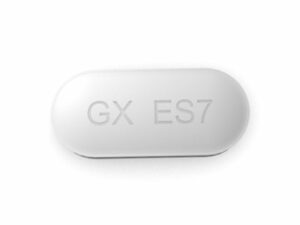


Biaxin (Clarithromycin) — Patient Information (UK)
Biaxin is a brand of clarithromycin, an antibiotic medicine used to treat certain bacterial infections. This page explains what Biaxin is, how it works, how to take it safely, and what to expect regarding side effects and interactions.
Always follow the advice given by your healthcare professional and the information in the patient leaflet that comes with your medicine. If you are unsure about your course of treatment, speak to a pharmacist or clinician.
At a glance
- Active ingredient: Clarithromycin (macrolide antibiotic)
- Used for: Certain respiratory, skin, and other infections caused by susceptible bacteria
- Form: Often available as tablets or granules depending on brand/product
- How it’s taken: Usually by mouth, with a fixed daily schedule
- Key warnings: Potential drug interactions (especially with some heart rhythm medicines), and possible gastrointestinal side effects
Basic product information
Clarithromycin belongs to the macrolide class of antibiotics. In the UK, Biaxin is used for infections where clarithromycin is considered appropriate, such as some chest and throat infections, and in specific regimens for conditions like Helicobacter pylori (H. pylori) infection when combined with other medicines.
Important: Antibiotics only treat infections caused by bacteria. They do not work against viruses like colds and most cases of flu. Using antibiotics appropriately helps reduce side effects and helps protect antibiotics’ effectiveness for the future.
How clarithromycin works (mechanism of action)
Clarithromycin works by blocking bacterial protein synthesis. Specifically, it binds to the 50S subunit of the bacterial ribosome, which stops the bacteria from making essential proteins needed to grow and multiply.
- Outcome: The bacteria stop spreading and are gradually cleared by the immune system.
- Spectrum: Effective against certain Gram-positive and some Gram-negative organisms, and some atypical bacteria depending on local resistance patterns.
Pharmacokinetics (how the body handles it)
Pharmacokinetics describes how the medicine is absorbed, distributed, broken down (metabolised), and eliminated. Understanding this can help explain dosing schedules and side effect patterns.
- Absorption: Clarithromycin is absorbed from the gut after taking by mouth. Food may affect absorption rate, but it is not usually a major reason to avoid taking with meals.
- Metabolism: It is partly metabolised in the liver. A major active metabolite is 14-hydroxyclarithromycin.
- Distribution: It reaches tissues and is present at therapeutic levels in relevant infection sites.
- Elimination: It is removed from the body through both liver metabolism and kidney excretion.
- Half-life: The time it takes for the body to reduce drug levels depends on the patient and formulation. This helps determine the dosing frequency.
What Biaxin is used for (indications)
In the UK, clarithromycin is used for infections that are likely to be caused by susceptible bacteria and where it is clinically appropriate. Your healthcare professional will decide whether it fits your specific situation.
Common indications may include:
- Upper and lower respiratory tract infections (for example, acute bacterial sinusitis, certain throat infections, and some chest infections)
- Skin and soft tissue infections caused by susceptible organisms
- Helicobacter pylori infection in combination regimens to help eradicate H. pylori (the exact combination depends on local guidance)
- Other specific infections depending on susceptibility patterns and clinical judgement
If you are being treated for H. pylori or another condition requiring combination therapy, do not stop or alter doses of any component of the regimen unless advised.
Typical dosing and timing
Doses can vary based on the infection, severity, kidney/liver function, age, and whether the medicine is given as tablets or granules. Always follow your healthcare professional’s instructions and the label directions.
General adult dosing (common practice)
A commonly used adult dosing schedule for immediate-release clarithromycin is twice daily (e.g., morning and evening) depending on the indication.
Course length
The duration of treatment depends on the infection. Many bacterial infections require a full course even if you feel better. Stopping early can allow bacteria to survive and cause relapse or resistance.
Practical timing tips
- Pick consistent times: For twice-daily dosing, try to take doses about 12 hours apart.
- Set reminders: Use phone alarms or a medication box to reduce missed doses.
- If you miss a dose: Take it as soon as you remember unless it is close to the next dose. Do not take a double dose to make up for a missed one.
- Continue the course: Finish the full prescribed/labelled regimen unless advised otherwise.
Should you take Biaxin with food?
Food may affect how clarithromycin is absorbed. In many cases, taking it with food can reduce stomach discomfort for some people. However, your product leaflet may advise whether to take it before or after meals.
- General approach: Take it in the way your pharmacist or leaflet instructs.
- If you experience nausea: Consider taking with a snack or meal (unless your instructions say otherwise).
- Be consistent: Once you choose a routine (with or without food), keep it steady unless told to change.
Alcohol and Biaxin
Clarithromycin does not have the same type of direct “disulfiram-like” reaction seen with some other medicines, but drinking alcohol may still increase the likelihood of side effects such as dizziness, stomach upset, and reduced ability to feel well.
Practical advice
- Limit or avoid alcohol during your course, especially if you notice nausea, dizziness, or diarrhoea.
- Be extra cautious if you have liver disease or are taking other medicines that interact with clarithromycin.
Medicine interactions (very important)
Clarithromycin can interact with several commonly used medicines. Some interactions may be serious, including effects on heart rhythm. Always tell a healthcare professional and your pharmacist about all medicines you take, including over-the-counter products and herbal remedies.
Key interaction categories
- Medicines affected by CYP3A4: Clarithromycin can inhibit certain liver enzymes (notably CYP3A4), which may increase levels of other medicines.
- Heart rhythm (QT prolongation) risk: Combining clarithromycin with certain anti-arrhythmics or some other medicines that affect heart rhythm may raise risk.
- Statins: Some cholesterol-lowering statins can interact. This can increase risk of muscle-related side effects in particular situations.
- Blood thinners: Warfarin interactions may alter bleeding risk; monitoring may be needed.
- Anticonvulsants: Levels of some anti-epileptic medicines may change, depending on the combination.
- Anti-diabetic medicines: Blood sugar levels may be affected with certain treatments.
- Migraine medicines: Some medicines like ergot derivatives have known interaction concerns.
- Other antibiotics and medicines: Some combinations are unsuitable depending on the specific scenario.
Do not start or stop other medicines while taking Biaxin without advice. If you receive a new prescription from another service, remind them you’re taking clarithromycin.
Foods and supplements
Grapefruit and grapefruit juice may increase clarithromycin levels in the body in some situations. If you are advised to avoid grapefruit for interaction reasons, follow that advice. Otherwise, keep grapefruit intake consistent and inform your pharmacist if you consume it regularly.
Safety profile: side effects and what to watch for
Like all medicines, Biaxin can cause side effects. Many people have mild or temporary effects, while others may experience more serious reactions.
Common side effects
- Nausea
- Diarrhoea
- Abdominal pain or stomach discomfort
- Indigestion
- Headache
- Altered taste (sometimes described as metallic taste)
Less common but important side effects
- Rash or itch
- Elevated liver enzymes (may not cause symptoms, but can be detected by blood tests)
- Dizziness
Seek urgent medical help if you develop
- Signs of severe allergy such as facial/lip swelling, breathing difficulties, or widespread blistering rash
- Severe or persistent diarrhoea, especially if watery or bloody, or if accompanied by fever or severe cramps (this can rarely indicate a serious bowel condition)
- Yellowing of the eyes/skin, dark urine, or severe fatigue (possible liver issues)
- Palpitations, fainting, severe dizziness (possible heart rhythm concerns, especially if you have risk factors)
- Muscle pain or weakness with fever or dark urine (more relevant if taking interacting statin medicines)
Who should take extra care
- People with liver impairment and/or kidney impairment
- People with a history of heart rhythm problems or low potassium/magnesium
- People taking multiple medicines with potential interactions
- Pregnant or breastfeeding individuals should discuss suitability with a clinician (risk–benefit assessment applies)
Practical use tips for getting the most from treatment
- Take it regularly: Antibiotics work best when levels remain steady over the course.
- Complete the course: Even if you feel better, finish as instructed.
- Hydrate: If you get diarrhoea, drink fluids to prevent dehydration.
- Check your other medicines: Before starting, review your current medication list with your pharmacist if possible.
- Don’t share antibiotics: Different infections require different medicines and doses.
- Store correctly: Keep tablets/granules at room temperature in a dry place, away from moisture and heat.
Alternative options to Biaxin (clarithromycin)
Alternatives depend on the infection, local antibiotic resistance patterns, allergies, and your medical history. Your clinician may choose different antibiotics or non-antibiotic approaches depending on diagnosis.
Possible alternatives (examples, not a substitute for professional advice):
- Amoxicillin or other beta-lactam antibiotics (where appropriate)
- Azithromycin (another macrolide antibiotic) in some scenarios
- Doxycycline for certain infections where recommended
- Clindamycin or other antibiotics for specific skin/soft tissue infections when suitable
- Combination regimens for H. pylori depending on resistance and prior treatments
If you have previously reacted to clarithromycin or another macrolide, tell your healthcare professional. If you have a penicillin allergy, options may differ as well.
Recent UK guidance and antimicrobial stewardship
UK prescribing is strongly influenced by antimicrobial stewardship principles: antibiotics should be used only when likely to benefit the patient, at the right dose and for the right duration, with attention to local resistance patterns.
Guidance for respiratory and other common infections is periodically updated by bodies such as the National Institute for Health and Care Excellence (NICE) and via clinician-facing antimicrobial recommendations. Local prescribing policies in GP practices and hospitals also guide which antibiotics are preferred.
In many respiratory infections, clinicians may choose different agents based on severity, suspected pathogens, and whether previous antibiotics have been used. If you are not improving as expected, you should contact a healthcare professional.
UK market and legal context (overview)
Biaxin (clarithromycin) is an established medicine in the UK. As with all medicines, availability and supply are governed by UK medicines regulation and pharmacy dispensing requirements. Products may differ by formulation (e.g., tablets vs granules) and strength.
Some antibiotic products may have specific prescribing and dispensing requirements depending on the product format and clinical pathway. Always ensure the medicine you receive is the correct formulation and strength for your needs.
Important: For your safety and to support responsible antibiotic use, antibiotics are typically supplied with clinical oversight. Follow the instructions on how to use the medicine provided with your order.
Delivery and availability (UK)
Availability can vary by local stock levels and demand. If you order online, delivery times typically depend on the courier service and your location in the UK.
- Delivery options: Standard and sometimes express delivery may be available.
- Packaging: Medicines are usually dispatched in protective packaging to prevent damage.
- Temperature sensitivity: Clarithromycin products are generally stable at room temperature when stored properly.
If a product is temporarily out of stock, the pharmacy may offer alternatives or notify you of expected restock dates.
FAQ
1) What is Biaxin used for?
Biaxin (clarithromycin) is used for certain bacterial infections, particularly those involving the respiratory tract, skin/soft tissue, and specific regimens such as for H. pylori when combined with other medicines. The exact choice depends on your diagnosis and local guidance.
2) How long does it take to work?
Many people begin to feel better within 1 to 3 days, depending on the infection and severity. However, you should still complete the full course as instructed. If you are not improving or symptoms worsen, contact a healthcare professional.
3) Can I stop early if I feel better?
No—unless advised. Stopping early can lead to incomplete eradication of bacteria and increase the chance of the infection returning or antibiotics becoming less effective.
4) What should I do if I miss a dose?
Take the missed dose as soon as you remember, unless it’s nearly time for the next dose. Do not take a double dose. If you’re unsure, ask your pharmacist for advice.
5) Can I take Biaxin with food?
Often yes. Food may affect how the body absorbs clarithromycin, and your leaflet may advise specific instructions. If you get stomach upset, taking with food may help—use the routine given on your instructions.
6) Are there alcohol restrictions?
There is not usually an absolute “no alcohol” rule, but alcohol can make side effects such as nausea or dizziness more likely and may worsen how you feel. It’s safest to limit or avoid alcohol during treatment.
7) What are the most important drug interactions?
Clarithromycin has clinically significant interactions with certain medicines, including some used for heart rhythm problems, cholesterol (some statins), blood thinning (e.g., warfarin), and other drugs metabolised by liver enzymes. Always check your full medicine list with a pharmacist.
8) Can Biaxin cause diarrhoea?
Yes, diarrhoea is a common side effect. However, seek urgent help if diarrhoea is severe, watery or bloody, or if you develop fever or severe cramps. These symptoms may indicate a more serious condition that needs prompt assessment.
9) Who should avoid clarithromycin or get extra advice?
People with significant liver problems, a history of abnormal heart rhythm, low potassium/magnesium, or those taking interacting medicines should get individual advice from a healthcare professional.
10) Are there alternatives if I can’t take clarithromycin?
Yes—alternatives may include other antibiotics or adjusted regimens depending on the infection. Your clinician will select the best option based on the likely bacteria, your allergy history, and current guidance.
Summary
Biaxin (clarithromycin) is an antibiotic used to treat specific bacterial infections in the UK. It works by interfering with bacterial protein production and is taken on a set schedule over a full course. Like all medicines, it can cause side effects—most commonly gastrointestinal symptoms—and it has important interactions with other drugs.
If you have questions about timing, side effects, or how clarithromycin may interact with your current medicines, speak to a pharmacist or clinician before continuing.
Quick reference table
| Topic | What to know |
|---|---|
| Medicine | Biaxin (clarithromycin) — macrolide antibiotic |
| Typical use | Certain respiratory, skin, and specific other infections; sometimes combined regimens (e.g., H. pylori) |
| How it works | Blocks bacterial protein synthesis (50S ribosomal binding) |
| When to take | Follow your schedule; often twice daily with consistent timing |
| Food | Food may affect absorption; taking with food can help if you feel nauseated (follow leaflet instructions) |
| Alcohol | Limit/avoid to reduce side effects; seek advice if you have liver issues or symptoms |
| Interactions | Can interact with several medicines, including some affecting heart rhythm, statins, anticoagulants and more |
| Common side effects | Nausea, diarrhoea, abdominal discomfort, headache, altered taste |
| Urgent symptoms | Severe allergy, severe/watery or bloody diarrhoea, jaundice, palpitations/fainting |