Avelox (Moxifloxacin) – Patient-Friendly Guide (UK)
Avelox contains the antibiotic moxifloxacin, belonging to the fluoroquinolone family. It is used to treat certain bacterial infections when appropriate. This guide explains how Avelox works, how it behaves in the body, typical uses, dosing approaches, and important safety information—written for patients in the United Kingdom.
Always follow the instructions provided by your healthcare professional and the information in the patient leaflet supplied with your medicine.
Basic product information
- Brand name: Avelox
- Active ingredient: moxifloxacin
- Medicine type: Antibiotic (fluoroquinolone)
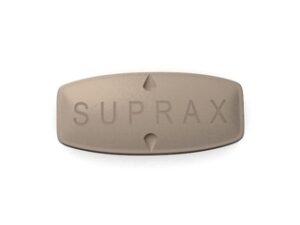
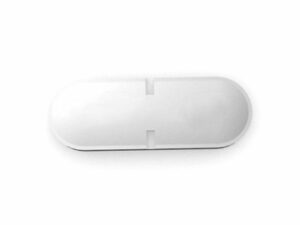
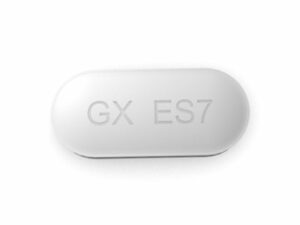
- Common formulations: Tablets and (in some settings) other formulations depending on the indication
- How it works: Kills bacteria by interfering with key bacterial enzymes needed to replicate and repair DNA
- Where it is used (UK): Selected bacterial infections in adults when treatment is appropriate
How moxifloxacin works (mechanism of action)
Moxifloxacin works by blocking two crucial bacterial enzymes: DNA gyrase and topoisomerase IV. These enzymes help bacteria to:
- Unwind and replicate their DNA
- Separate DNA strands during cell division
- Repair DNA damage
By disrupting these processes, moxifloxacin causes bacterial cell death. It is generally considered to have broad activity against a range of bacteria relevant to respiratory and other infections.
Pharmacokinetics: what the body does to Avelox
Pharmacokinetics describes absorption, distribution, metabolism, and elimination. Understanding these points can help you take the medicine reliably and recognise why interactions matter.
Absorption
Moxifloxacin is absorbed after oral dosing. In many patients, it reaches blood levels reliably, and taking it at consistent times can help maintain steady exposure.
Distribution
The medicine distributes into tissues and body fluids, including sites relevant to common infections (for example, the respiratory tract). Penetration into tissues supports its use for certain infection types.
Metabolism and elimination
Moxifloxacin is eliminated mainly via urine and faeces. The body clears the medicine in a way that supports once-daily dosing for many indications.
Half-life (general concept)
A pharmacokinetic “half-life” is the time it takes for the concentration of a medicine in the blood to reduce by half. For moxifloxacin, dosing schedules are designed so effective levels are maintained between doses.
Individual exposure can vary depending on kidney function, other medicines, and patient factors. If you have kidney or liver problems, discuss this with a clinician.
Typical use in the UK (what it treats)
Moxifloxacin is used to treat bacterial infections where it is considered appropriate. It is not effective against viruses (such as colds or flu).
Common areas where fluoroquinolones like moxifloxacin may be considered include:
- Community-acquired pneumonia (certain types)
- Acute bacterial sinusitis (selected cases)
- Chronic bronchitis flare-ups (when bacterial infection is likely)
- Skin and soft tissue infections (selected cases)
- Other bacterial infections as directed by clinical judgement
Because antibiotic choice depends on local resistance patterns and individual patient risk, Avelox may not be suitable for every infection.
Timing and how to take Avelox
General timing
Avelox is commonly taken for many indications. The key is to take it at roughly the same time each day.
With or without food
Moxifloxacin can generally be taken with or without food. This can make it easier to fit into daily routines.
Swallowing tips
- Swallow tablets whole with water.
- Do not crush or chew unless your pharmacist or leaflet says it’s safe for your exact formulation.
- If you miss a dose, take it as soon as you remember unless it’s close to the next dose—then skip and continue your usual schedule. Do not double up.
Complete the course
Even if you feel better, it’s important to finish the course exactly as advised. Stopping early can increase the chance of infection returning and may contribute to antibiotic resistance.
Food interactions: what to watch for
Food does not usually prevent moxifloxacin from working. However, certain products and minerals can reduce absorption of some medicines.
Important: Fluoroquinolone antibiotics can interact with multivalent cations—such as:
- Iron
- Zinc
- Magnesium
- Calcium
- Antacids and some medicines containing these minerals
To reduce interaction risk, allow a gap between moxifloxacin and supplements/antacids containing these minerals. Your pharmacist can advise the best spacing for your specific products. If you take calcium or antacids regularly, it’s especially worth checking.
Dietary habits: Unless you are using mineral supplements or antacids, normal meals are generally fine.
Alcohol and medicine interactions
Alcohol
Many patients wonder about drinking alcohol while taking antibiotics. While there isn’t usually a strict “must not drink” rule for all patients, alcohol can:
- Worsen side effects like dizziness, headache, nausea, and diarrhoea
- Make it harder to stay hydrated
- Delay recovery when you are unwell
As a general precaution, it’s sensible to avoid or limit alcohol during treatment and while you’re still recovering from infection.
Major medicine interactions
Moxifloxacin has important potential interactions with some medicines. Tell your clinician and pharmacist about all medicines you take, including over-the-counter products.
Key interaction topics include:
-
Medicines that affect heart rhythm (QT prolongation):
- Examples can include some antiarrhythmics and certain antipsychotics
- Some medicines can increase the risk of abnormal heart rhythms, especially in people with risk factors
-
Antacids and supplements containing iron, zinc, magnesium or calcium:
- These may reduce absorption if taken too close together
- Spacing helps reduce risk
-
Oral anticoagulants (such as warfarin):
- Some antibiotics can affect clotting control
- Extra monitoring may be needed
-
Diabetes medicines:
- Fluoroquinolones can sometimes affect blood sugar (high or low)
- If you use insulin or tablets for diabetes, ask about monitoring
-
Non-steroidal anti-inflammatory drugs (NSAIDs):
- Using NSAIDs with fluoroquinolones may increase risk of certain side effects in some people
If you’re unsure whether a medicine you take falls into one of these categories, check with your pharmacist.
Dosing: typical adult schedules and what “dose” means
Dosing depends on the type and severity of infection, kidney and liver function, and whether other medicines are being taken. In many adult indications, a common approach is:
- Typical adult dose (common): 400 mg once daily
- Typical treatment duration: varies by indication (shorter courses for some infections; longer for others)
Your exact dose and duration should be those provided with your specific treatment plan. Do not change the dose yourself.
Children and special populations
Avelox is not typically used in children for many bacterial infections because of safety considerations. Use in special populations (for example, pregnancy, breastfeeding, significant organ impairment) requires careful clinician assessment.
Missed dose
If you miss a dose:
- Take it when you remember if it’s not too close to the next scheduled dose.
- If it’s close to the next dose, skip the missed dose.
- Do not take a double dose to make up for a missed tablet.
Indications: when clinicians may choose Avelox
In the UK, antibiotic selection is guided by clinical assessment, local resistance patterns, and national antimicrobial guidance. Avelox may be used for bacterial infections where:
- The likely bacteria are susceptible to moxifloxacin
- Alternative antibiotics are unsuitable (for example due to allergies, previous treatment failure, or specific risk considerations)
- The infection severity and site fit the medicine’s profile
This medicine should be used appropriately to help reduce antibiotic resistance and avoid unnecessary exposure.
Safety profile: important side effects and warnings
Like all medicines, Avelox can cause side effects. Many are mild and resolve during or shortly after treatment, but some require urgent medical attention.
Seek urgent medical help if you develop
- Signs of a serious allergic reaction (for example swelling of the face/lips, difficulty breathing, severe rash)
- Severe or persistent diarrhoea, especially if watery or bloody, or accompanied by fever or abdominal cramps (could indicate a gut-related infection)
- Symptoms of tendon injury (pain, swelling, or difficulty using a tendon—often the Achilles) especially if you are older or use steroids
- New nerve symptoms such as tingling, numbness, burning pain, or weakness
- Heart rhythm symptoms such as palpitations, fainting, or dizziness (particularly if you have known heart rhythm issues)
- Severe skin reactions (widespread rash, blistering, peeling skin)
- Seizures or severe central nervous system effects
Common or possible side effects
- Nausea, vomiting
- Diarrhoea
- Headache
- Dizziness
- Abdominal discomfort
- Changes in taste
- Sleep disturbances
Risk factors worth discussing
The decision to use moxifloxacin considers patient-specific risks. You should inform your clinician if you have any of the following:
- A history of abnormal heart rhythm or QT prolongation
- Low levels of potassium or magnesium (sometimes due to other medicines or illness)
- Significant kidney or liver disease
- A history of tendon disorders or tendon injury
- Diabetes or use of glucose-lowering medicines
- Use of medicines known to interact with moxifloxacin
If you experience side effects, do not stop the medicine without advice—unless the symptoms are severe or suggest a serious reaction. Contact a clinician or pharmacist for guidance.
Practical use tips for patients
- Take at consistent times: Once-daily dosing works best when you choose a time you can maintain.
- Hydration matters: If you’re unwell, drink fluids to help your body recover.
- Know your interacting products: Keep a list of supplements (iron, calcium, magnesium, zinc) and antacids you use.
- Be alert to new symptoms: Pain in a tendon, unusual numbness/tingling, or severe diarrhoea should not be ignored.
- Avoid unnecessary sun exposure: Some antibiotics can increase sensitivity. If you notice unusual skin reactions, seek advice.
- Complete the course: Finishing treatment as advised reduces the chance of relapse.
Alternative options (discuss with a clinician)
Alternatives depend on the infection type, likely bacteria, local resistance patterns, and your medical history (including allergies and drug interactions).
Depending on indication, clinicians may consider alternatives such as:
- Other antibiotics from different classes (for example penicillins, cephalosporins, macrolides, or doxycycline), depending on the suspected organism
- Targeted treatment based on cultures or local guidance when available
- Supportive care for viral illnesses (antibiotics won’t help with viruses)
If you’ve previously experienced serious side effects with fluoroquinolones, discuss this with your healthcare professional. They may choose a different class or adjust the plan.
Market and legal context in the United Kingdom
In the UK, antibiotics are regulated medicines and should be used responsibly under antimicrobial stewardship principles. National guidance encourages:
- Using antibiotics only when bacterial infection is likely
- Choosing the narrowest effective antibiotic where appropriate
- Reviewing treatment when results or clinical response become available
- Limiting unnecessary fluoroquinolone use due to safety considerations and resistance concerns
Moxifloxacin is authorised for specific indications and is subject to UK regulatory oversight. Safety monitoring and prescribing guidance evolve as new evidence becomes available.
Recent guidance (high level)
UK antimicrobial guidance continues to emphasise careful selection of antibiotics, especially for respiratory infections and other common conditions, where watchful waiting or narrower agents may often be appropriate. Fluoroquinolones are generally reserved for situations where they are clinically justified.
Delivery and availability
Availability of Avelox may vary by pharmacy stock and supply chain. When ordering online, delivery times depend on:
- Your location in the UK
- The pharmacy’s dispatch schedule
- Carrier services and stock availability
To help ensure smooth delivery, check:
- That the medicine size and strength match your requirements
- That you can receive deliveries at the expected time
- How to store tablets (typically at room temperature, away from excessive heat and moisture)
If a product is temporarily unavailable, the pharmacy may offer an alternative option or restock notification depending on policy.
Storage and handling
- Store at room temperature, away from direct sunlight and moisture.
- Keep out of reach and sight of children.
- Do not use after the expiry date on the pack.
- Follow local disposal guidance for unused medicines.
FAQ
1) What is Avelox used for?
Avelox (moxifloxacin) is used to treat certain bacterial infections, such as some respiratory tract infections and other specific bacterial conditions where it is considered suitable.
2) How quickly should I feel better?
Some people notice improvement within a couple of days, but this depends on the infection and your health. If you do not improve after a reasonable period, or symptoms worsen, contact a clinician promptly.
3) Can I take Avelox with food?
Yes. Moxifloxacin can usually be taken with or without food. If you take antacids or mineral supplements (calcium, magnesium, iron, zinc), allow spacing to reduce interaction risk.
4) What should I do if I miss a dose?
Take it when you remember if it’s not close to the next dose. If it is close, skip the missed dose and continue your schedule. Do not take a double dose.
5) Are there interactions with vitamins or supplements?
Supplements containing iron, zinc, magnesium, or calcium can reduce absorption if taken too close. Ask your pharmacist how to space doses. Regular multivitamins may also contain minerals.
6) Can I drink alcohol while taking Avelox?
It’s usually best to avoid or limit alcohol during treatment, as alcohol may worsen side effects and make recovery harder.
7) What side effects are most concerning?
Seek urgent help if you have signs of a serious allergy, severe/persistent diarrhoea, tendon pain or rupture symptoms, nerve symptoms (numbness/tingling), severe skin reactions, seizures, or symptoms suggesting an abnormal heart rhythm.
8) Who should take extra care with moxifloxacin?
People with a history of heart rhythm problems (QT prolongation), those taking medicines that affect heart rhythm, people with significant organ impairment, and those with risk factors for tendon injury should discuss suitability carefully with a healthcare professional.
9) Is Avelox effective for all infections?
No. It only works against bacterial infections. It does not treat viruses. Using antibiotics when they aren’t needed can cause harm and contribute to resistance.
10) What are safer options if I can’t take moxifloxacin?
Alternatives depend on your infection and medical history. A clinician may choose a different antibiotic class or an adjusted treatment plan. If you’ve had fluoroquinolone side effects previously, tell them.
Summary
Avelox (moxifloxacin) is a fluoroquinolone antibiotic used for selected bacterial infections in the UK. It works by blocking bacterial enzymes required for DNA replication. It can be taken once daily and generally with or without food, but it may interact with mineral supplements and certain medicines—especially those that affect heart rhythm. While many people tolerate it well, it carries important potential risks, including effects on the heart rhythm, tendon injury, nerve symptoms, and severe diarrhoea. If you experience serious or unusual symptoms, seek medical help promptly.