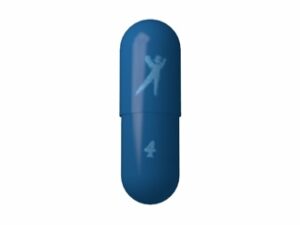
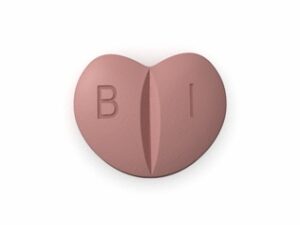
Bisoprolol (Beta-Blocker) – Patient-Friendly Guide (UK)
Bisoprolol is a medicine used to treat several long-term heart conditions and to help reduce the risk of further problems by easing how hard the heart has to work. It belongs to the group of medicines known as beta-blockers. This page explains what bisoprolol does, how it works in the body, when it’s usually taken, and important safety information—written in a clear, patient-friendly way for readers in the United Kingdom.
Basic product information
| Category | Details |
|---|---|
| Generic name | Bisoprolol |
| Medicine type | Beta-1 selective beta-blocker |
| How it works | Slows heart rate and reduces strain on the heart |
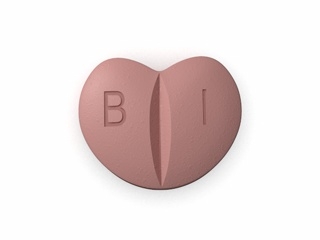
| Common forms | Tablets (including strengths such as 1.25 mg, 2.5 mg, 5 mg, 10 mg—varies by product) |
| Typical dosing pattern | Often once daily (exact schedule depends on your condition and prescriber’s advice) |
Brand names can vary by manufacturer. If you’re unsure about the strength or type you have, check the label and/or ask a pharmacist.
How bisoprolol works (mechanism of action)
Bisoprolol is a beta-1 selective beta-blocker. In simple terms, it reduces stimulation of “beta” receptors mainly in the heart. This leads to:
- Lower heart rate (your pulse may become slower).
- Reduced force of contraction and reduced “workload” on the heart.
- Lower oxygen demand from the heart muscle.
By reducing the heart’s workload, bisoprolol can help relieve symptoms, stabilise heart function, and reduce the risk of complications in certain cardiovascular conditions.
Pharmacokinetics: what happens in the body
“Pharmacokinetics” describes how the body absorbs, distributes, metabolises, and eliminates a medicine. While individual results vary, the key points for bisoprolol include:
- Absorption: Bisoprolol is absorbed after oral administration, with good overall uptake.
- Distribution: It circulates in the bloodstream and acts mainly on beta-1 receptors in the heart.
- Metabolism: The body breaks down bisoprolol through metabolic pathways, with contributions from the liver (and to some extent other routes).
- Elimination: It is removed from the body mainly via the kidneys and through metabolic clearance.
- Half-life (general concept): The medicine lasts long enough for many people to take it once daily, though exact duration can vary.
Your doctor may adjust the dose based on factors such as heart rate, blood pressure, symptoms, kidney or liver function, and the presence of other medical conditions.
Typical uses in the UK
Bisoprolol is commonly used to manage specific cardiovascular conditions, including:
- Chronic heart failure (long-term “stable” heart failure, often as part of a broader treatment plan).
- Angina pectoris (to help reduce symptoms such as chest pain or discomfort from reduced blood supply to the heart).
- Hypertension (high blood pressure) in selected cases.
- After myocardial infarction (heart attack) in some patients, to support long-term cardiovascular protection.
- Some rhythm-related conditions where slowing the heart is beneficial, depending on individual assessment.
The exact reason you’ve been given bisoprolol may differ from the examples above. Always follow the instructions on your medicine pack and any clinical advice you’ve been given.
When and how to take bisoprolol (timing)
Many people take bisoprolol once daily. Taking it at the same time each day can help you remember and keep medicine levels steadier.
- Choose a consistent time: Morning or evening may both be used depending on your routine and symptom control.
- Try to swallow with water: Follow the instructions on your pack.
- Do not change dose suddenly: Abrupt changes can cause problems such as rebound increases in heart rate or blood pressure.
If you miss a dose, do not “double up” automatically. Instead:
- Take the missed dose when you remember if it’s close to the next scheduled time.
- If it’s near the time for the next dose, skip the missed dose and continue as normal.
- If you’re unsure, check the patient information leaflet that comes with the medicine or ask a pharmacist.
Food interactions: can you take bisoprolol with meals?
Bisoprolol can generally be taken with or without food, and food does not usually cause a clinically important interaction. However, individual products and formulations may differ. For the safest approach:
- Follow your pack instructions (some products provide guidance like “with food” or “without food” — most standard tablets are flexible).
- Maintain consistency: If you prefer taking it with breakfast, keep that routine to avoid small day-to-day variations.
Alcohol and medicine interactions
Alcohol can affect blood pressure, heart rate, and dizziness—effects that may be more noticeable when taking a beta-blocker. In practice, many people can drink alcohol in moderation, but it’s wise to be cautious.
Alcohol: what to watch for
- Dizziness or light-headedness: especially when standing up quickly.
- Lower blood pressure: alcohol may contribute to this.
- Increased fatigue: some people feel more tired when combining alcohol with heart medicines.
If you have symptoms after drinking (fainting, chest pain, marked shortness of breath, or a very slow pulse), seek medical advice.
Other important medicine interactions
Bisoprolol may interact with other medicines that affect heart rate, blood pressure, or heart rhythm. Tell a healthcare professional about all medicines you take, including over-the-counter products and supplements.
- Other heart rate–lowering medicines: e.g., certain calcium channel blockers (like verapamil or diltiazem) can increase the risk of slow heart rate.
- Antiarrhythmics: some rhythm medicines can affect heart conduction and may require close monitoring.
- Blood pressure medicines: can add to the “lowering” effect, potentially causing dizziness.
- Diabetes medicines: beta-blockers may mask some symptoms of low blood sugar (like fast heartbeat).
- Non-steroidal anti-inflammatory drugs (NSAIDs): regular use may affect blood pressure control in some people.
- Medicines that affect the liver enzymes: can change bisoprolol levels in the body.
- Clonidine (and similar): if stopped abruptly, it can cause rebound blood pressure problems; any changes should be handled carefully.
Always check with a pharmacist if you’re starting a new medicine, including cold/flu remedies that may contain ingredients affecting heart rate or blood pressure.
Indications: when bisoprolol is considered appropriate
In the UK, bisoprolol is used for cardiovascular management where slowing heart rate and reducing cardiac workload is beneficial. Indications include (depending on your individual clinical situation):
- Chronic heart failure with reduced ejection fraction (commonly alongside other heart failure medicines).
- Angina to reduce frequency and severity of chest pain episodes.
- Hypertension when a beta-blocker is an appropriate choice.
- Secondary prevention after certain heart events to support long-term cardiovascular outcomes.
Your healthcare team will consider your medical history (including asthma, diabetes, heart block, and existing heart rate/blood pressure) before choosing a beta-blocker.
Dosing: common approach and practical considerations
Dosing can vary considerably depending on the condition being treated and how well you tolerate bisoprolol. A common general pattern (especially in heart failure) is:
- Start low and increase gradually (“titration”) to reduce side effects and reach the target dose for that condition.
- Monitor pulse and blood pressure during dose changes.
- Adjust for kidney/liver function if needed.
Important: Use the strength on your medicine label. Do not switch between strengths or brands without checking.
Typical dosing principles (not a personal prescription)
- Once daily: Many regimens are once daily.
- Heart failure: dosing is often introduced slowly, with careful monitoring for worsening symptoms (like swelling or breathlessness).
- Angina/hypertension: dose may be adjusted to control symptoms and achieve the desired blood pressure and heart rate.
If you have questions about your specific dosing schedule, refer to your medicine pack instructions or speak to a pharmacist.
Safety profile: who should be cautious?
Bisoprolol is generally well tolerated when used appropriately, but it can cause side effects—some related to its heart-rate–slowing and blood-pressure–lowering effects. Certain people require extra caution or monitoring.
Common side effects
- Slow heart rate (bradycardia).
- Dizziness, especially when starting treatment or after dose increases.
- Feeling tired or reduced exercise tolerance.
- Cold hands and feet.
- Sleep disturbance or vivid dreams (less common, but reported).
Less common but important effects
- Worsening breathlessness or fluid retention (especially relevant in heart failure).
- Low blood pressure or fainting.
- Digestive upset (nausea, diarrhoea or constipation in some people).
When to seek urgent advice
Contact urgent medical services or seek urgent help if you experience:
- Fainting or severe dizziness.
- Chest pain that is new or worsening.
- Severe shortness of breath or sudden swelling of legs/feet.
- Very slow pulse with weakness or collapse.
Conditions requiring special attention
- Asthma or other breathing problems: Although bisoprolol is beta-1 selective, all beta-blockers can potentially affect the lungs at higher doses. Inform your clinician if you have asthma.
- Diabetes: may mask warning signs of hypoglycaemia (not the blood sugar itself).
- Heart block or very slow resting pulse: may limit use or require ECG monitoring.
- Poor circulation: can worsen cold extremities or symptoms in some people.
Do not stop suddenly
Stopping beta-blockers abruptly can cause rebound effects, such as increased heart rate or chest pain. If discontinuation is needed, it should be done gradually under clinical guidance.
Practical use tips for everyday life
- Check your pulse regularly if advised: especially during dose adjustments.
- Stand up slowly: to reduce dizziness or light-headedness.
- Keep an eye on symptoms: if chest pain, breathlessness, swelling, or faintness occurs, seek advice promptly.
- Use a medication organiser: blister packs and once-daily dosing can make adherence easier.
- Tell other healthcare professionals: including dentists and emergency staff, that you take bisoprolol.
- Before surgery or procedures: ensure clinicians know you’re taking it.
- Track your blood pressure: if you have a home monitor and have been advised to do so.
Alternative options (if bisoprolol isn’t suitable)
If bisoprolol isn’t tolerated or isn’t the right fit, clinicians may consider other treatments depending on the condition being treated. Alternatives could include:
Other beta-blockers
- Metoprolol
- Atenolol
- Carvedilol (non-selective with additional effects)
Non–beta-blocker options
- Calcium channel blockers (e.g., amlodipine for blood pressure; sometimes used for angina—choice depends on heart rhythm and other factors).
- ACE inhibitors/ARBs and diuretics in heart failure (alongside or instead of beta-blockers depending on your situation).
- Other anti-anginal medicines (e.g., nitrates) for symptom relief.
The “best” alternative depends on your diagnosis, heart rate, blood pressure, breathing status, kidney function, and other medicines you take. A pharmacist or clinician can help you understand which options might be considered.
UK market and legal context (how bisoprolol is handled)
In the United Kingdom, medicines are regulated to ensure quality, safety and appropriate use. Bisoprolol is an established prescription-only medicine in the UK medicine supply chain. When buying or receiving medicines, it’s important to:
- Use reputable pharmacies and suppliers.
- Ensure the product strength and form match what you need.
- Check expiry dates and packaging integrity.
- Keep medicines in safe storage conditions, away from heat and moisture.
Online pharmacies serving the UK should operate in line with applicable legislation and professional standards, including identity verification processes and guidance for safe supply.
Recent guidance and clinical considerations (overview)
Cardiology guidance in the UK is regularly updated as new evidence becomes available. While local protocols may vary, common themes include:
- Gradual initiation and titration of beta-blockers in heart failure, with attention to tolerability.
- Review of comorbidities such as asthma/COPD, diabetes, and conduction abnormalities.
- Monitoring of heart rate, blood pressure, symptoms and, where relevant, blood tests and ECG.
- Patient education about not stopping suddenly and recognising side effects early.
Your clinical team may follow national guidance (such as those produced by professional bodies and the NHS) and may tailor treatment to your individual needs.
Delivery and availability (UK online pharmacy)
Bisoprolol tablets are typically available through UK pharmacies, including online services that may offer home delivery. Availability can vary by strength and manufacturer, so delivery timelines may differ.
- Stock depends on strength: some strengths may be more widely stocked than others.
- Dispatch times: many orders are dispatched within business days if items are in stock.
- Packaging: deliveries are usually sent in protective packaging to maintain product integrity.
- Tracking: some online pharmacies provide delivery updates or tracking information.
If you need the medicine quickly, check the listing for estimated delivery times and whether alternative manufacturers/strengths can be supplied.
FAQ
1. What is bisoprolol used for?
Bisoprolol is a beta-blocker used for conditions such as chronic heart failure, angina, and sometimes high blood pressure or after certain heart events—depending on your individual diagnosis and clinical assessment.
2. When should I take bisoprolol—morning or night?
Many people take it once daily at a consistent time. Your best option depends on your symptoms (e.g., dizziness), routine, and your clinician’s guidance. If dizziness occurs, you may find a different time of day helps—ask a pharmacist before changing timing.
3. Can I take bisoprolol with food?
Bisoprolol can generally be taken with or without food. Keep a consistent routine, and follow your pack instructions for your specific product.
4. Will bisoprolol affect my heart rate?
Yes. One of its main effects is to slow the heart rate and reduce cardiac workload. A slower pulse can be expected, but if you feel faint, very unwell, or notice an unusually slow pulse, seek medical advice.
5. What side effects are most common?
Common effects include tiredness, dizziness (often early on), a slower heart rate, and cold hands/feet. Most side effects lessen as your body adapts, especially with gradual dose titration.
6. Is it safe to drink alcohol while taking bisoprolol?
In moderation, many people can drink alcohol, but alcohol may increase dizziness or lower blood pressure. If you notice symptoms after drinking, avoid alcohol and seek advice.
7. What medicines should I avoid or be careful with?
Be careful with other medicines that lower heart rate or blood pressure (for example, certain heart rhythm or blood pressure drugs) and with cold remedies that may contain ingredients affecting heart rate. Always tell a healthcare professional about everything you take.
8. Can bisoprolol worsen asthma?
Because bisoprolol is beta-1 selective, it may be better tolerated than some other beta-blockers, but it can still affect breathing—especially at higher doses. If you have asthma or COPD, discuss this with a clinician before starting or adjusting the dose.
9. What should I do if I miss a dose?
If you remember soon after, take it if it’s not close to the next dose. If near the next dose, skip the missed dose and continue as normal. Don’t double up without advice.
10. Can I stop bisoprolol suddenly?
You should not stop suddenly. Stopping beta-blockers abruptly can cause rebound effects. If discontinuation is needed, it should be done gradually with clinical guidance.
Summary
Bisoprolol is a beta-1 selective beta-blocker widely used in the UK for heart-related conditions such as chronic heart failure and angina. It works by slowing the heart rate and reducing the heart’s workload, helping improve symptoms and long-term outcomes. Most people take it once daily, with or without food, and should avoid sudden stopping. As with any medicine, it’s important to monitor for side effects such as dizziness and slow pulse and to be aware of interactions with alcohol and other medicines.
If you have questions about your specific product strength, how to take it, or whether it’s suitable alongside your other medicines, consult a pharmacist.