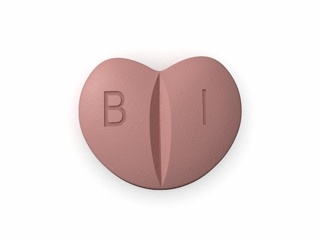
Zebeta (Bisoprolol) — Patient-Friendly Guide (UK)
Zebeta is a medicine containing bisoprolol, a beta-blocker used to treat several heart-related conditions. This page explains what Zebeta is, how it works, how it’s usually taken, important safety information, and practical tips to help you use your medicine more confidently.
Note: Always follow the advice of your healthcare professional and the instructions on your medicine label. If you’re unsure about anything in this guide, speak to a pharmacist.
Quick product information
| Item | Details |
|---|---|
| Medicine name | Zebeta |
| Active ingredient | Bisoprolol |
| Drug type | Beta-blocker (cardioselective) |
| Common uses | High blood pressure, certain heart rhythm problems, angina, heart failure (in suitable patients) |
| How it’s taken | Usually once daily |
| Common forms | Tablets in different strengths (availability may vary) |
| UK context | Used in line with National Institute for Health and Care Excellence (NICE) and other guideline recommendations |
What is Zebeta (bisoprolol)?
Zebeta contains bisoprolol, a medicine that reduces the effect of adrenaline (and related hormones) on the heart and circulation. It is often referred to as a beta-blocker. Bisoprolol is considered cardioselective, meaning it mainly acts on beta receptors found in the heart (though it is not absolutely selective at all doses).
By slowing the heart rate and lowering the force of heart muscle contraction, Zebeta helps the heart work more efficiently—especially in conditions where the heart is under strain.
Mechanism of action (how it works)
Bisoprolol works by blocking beta-adrenergic receptors, leading to:
- Reduced heart rate (slower pulse)
- Reduced “workload” on the heart by decreasing how strongly the heart contracts
- Lowered blood pressure (helpful in hypertension)
- Stabilised heart rhythm in certain arrhythmias
- Improved symptoms and outcomes in suitable heart failure patients when added to appropriate background therapy
In angina, this can reduce oxygen demand by the heart. In some rhythm problems, it can help control the rate.
Pharmacokinetics (how the body processes it)
Pharmacokinetics describes what happens to a medicine after you take it: absorption, distribution, metabolism, and excretion.
- Absorption: Bisoprolol is absorbed from the gut. Food does not normally require you to change the way you take it, but consistency is helpful.
- Onset: Many people notice effects within hours, though full benefit for some conditions may take days to weeks.
- Distribution: It spreads through the body and affects the heart and cardiovascular system.
- Metabolism: It is processed mainly by the liver and, to some extent, by other pathways. The balance can vary between individuals.
- Elimination: It is eliminated via metabolic processes and excreted from the body. Kidney function and liver function can influence levels.
- Half-life: Bisoprolol is designed for once-daily dosing in many cases, although your clinician may tailor your schedule.
Practical meaning: Because bisoprolol stays active for much of the day, missing doses can reduce symptom control. Don’t take extra tablets to “catch up.”
Typical uses in the UK
Zebeta may be used for several conditions. Your doctor will decide which is appropriate based on your medical history, other medicines, and target goals.
Common indications
- High blood pressure (hypertension)
- Angina pectoris (to help prevent chest pain episodes)
- Heart rhythm disorders, particularly where controlling heart rate is important (for example, some supraventricular tachycardias and atrial arrhythmias)
- Chronic heart failure (in selected patients, often as part of a wider heart failure treatment plan)
If you take Zebeta for heart failure, it is typically introduced gradually and carefully monitored.
When to take Zebeta (timing)
For many people, Zebeta is taken , preferably at the same time each day. This helps maintain steady medicine levels.
- Morning vs evening: Either can work, but choose the time you can stick to consistently.
- Heart failure titration: Dosing schedules may be adjusted gradually; follow your plan closely.
- If you forget a dose: Take it when you remember unless it is close to your next dose. Do not take two doses at once.
If you are changing your dose, your prescriber may advise particular timing or monitoring (for example, blood pressure and pulse checks).
Food interactions
Food generally does not require special avoidance with bisoprolol. However, these practical points are useful:
- Take with or without food: Many patients can take Zebeta either way.
- Consistency matters: Taking it the same way each day may help reduce variability in effects.
- GI upset: If you experience nausea, indigestion, or stomach discomfort, consider taking it with food and ask your pharmacist if symptoms persist.
Grapefruit and similar: Unlike some other medicines, bisoprolol is not typically singled out for grapefruit interactions. Still, it’s wise to check with your pharmacist for your full list of medicines and supplements.
Alcohol interactions
Alcohol can affect blood pressure and heart rate. Using alcohol while taking a beta-blocker like bisoprolol may increase the chance of:
- Dizziness or feeling faint (especially when standing up)
- Lower blood pressure
- Reduced tolerance to exertion in some people
Advice: If you drink alcohol, do so in moderation and be cautious the first time you combine it with your dose. Seek medical advice if you notice persistent light-headedness, falls, or palpitations.
Medicine interactions (important)
Some medicines can interact with bisoprolol by affecting heart rate, blood pressure, or how the body processes the drug. Always tell your pharmacist or prescriber about:
- All prescription medicines
- Over-the-counter (OTC) medicines, including cold and flu remedies
- Herbal products and supplements
- Eye drops and inhalers (some can influence heart rate)
Examples of medicines that may interact
The following are common interaction categories. Your exact risk depends on your dose and other conditions.
- Other heart-rate–lowering medicines (for example, other beta-blockers, certain calcium-channel blockers like verapamil or diltiazem): may increase risk of slow pulse or heart block.
- Antiarrhythmics (medicines used to treat abnormal rhythms): combination may affect electrical conduction and rhythm stability.
- Blood pressure medicines (including ACE inhibitors, ARBs, diuretics): may add to blood pressure-lowering effect.
- Medicines that affect heart conduction: may raise risk of excessively slow heart rate.
- Some antidepressants and antipsychotics: may contribute to blood pressure or heart rhythm effects in certain cases.
- Medicines for diabetes:
- Beta-blockers can mask warning signs of low blood sugar (such as fast heartbeat).
- This can be important for people using insulin or medicines that can cause hypoglycaemia.
- Asthma/COPD medicines:
- People with wheeze or breathing conditions should be careful, as beta-blockers can occasionally affect airway tone.
- If you use inhalers, inform your clinician/pharmacist—often cardioselective beta-blockers are still used, but monitoring is important.
- Mefloquine (an antimalarial) and some other uncommon medicines may also be relevant to heart rhythm risk.
Practical tip: Keep a current list of your medicines. If you’re buying OTC products in the UK, ask a pharmacist before taking them—particularly cough/cold products or decongestants.
Dosing: what “typical” looks like
Dosing varies depending on the condition being treated, your heart rate and blood pressure, age, kidney and liver function, and how you tolerate the medicine.
Key principle: Your clinician may start with a low dose and adjust gradually, especially if you have heart failure.
General guidance (not a substitute for your prescription instructions)
- Hypertension / angina / rhythm control: often once daily, with dose adjustments based on response.
- Heart failure: typically involves titration—starting low, increasing stepwise while monitoring pulse, blood pressure, symptoms, and side effects.
Do not stop suddenly: Stopping beta-blockers abruptly can lead to worsening symptoms in some people, including chest pain, abnormal heart rhythms, or increased blood pressure. If you need to stop, it’s usually done by gradual tapering under medical advice.
Safety profile: what to watch for
Most people tolerate Zebeta well, but it can cause side effects. Some effects relate to its expected action (slower heart rate, lower blood pressure).
Common or expected side effects
- Feeling tired or low energy
- Dizziness or light-headedness (especially when standing)
- Slow pulse (bradycardia)
- Cold hands and feet
- Sleep disturbances or vivid dreams (less common but reported)
- Gastrointestinal upset (nausea, diarrhoea)
Less common but more serious symptoms
Contact urgent medical help if you experience:
- Fainting or severe dizziness
- Chest pain that is new or worsening
- Breathing difficulties, wheezing, or sudden shortness of breath
- Markedly slow pulse with weakness or collapse
- Signs of a very low blood pressure episode (confusion, severe weakness)
Who should be extra careful?
- People with asthma or COPD (discuss risk and monitoring)
- People with slow heart rates, certain conduction problems, or a history of heart block
- People with diabetes (watch for hypoglycaemia and don’t rely on “fast heartbeat” as a warning)
- People with poor circulation (e.g., severe peripheral arterial disease)
- Older adults who may be more sensitive to dizziness or falls
Practical use tips (to get the best results safely)
- Measure and record: If you’re asked to, keep track of blood pressure and pulse at home (and bring readings to appointments).
- Take consistently: Use a daily routine (same time each day) to improve steady control.
- Be cautious when starting: Dizziness is more likely early on or after dose changes—avoid driving if you feel unsteady.
- Know your pulse: If you’re monitoring pulse, ask what numbers are “acceptable” for you.
- Don’t skip heart failure checks: Heart failure titration often needs planned monitoring—follow the schedule.
- Tell healthcare professionals: Always inform dentists, emergency services, and other clinicians that you take bisoprolol.
- Cold and flu products: Decongestants (such as certain nasal sprays or oral products) may affect blood pressure and heart rate—check first.
Alternative options (UK context)
There are multiple treatment options for the conditions Zebeta is used for. The “best” choice depends on your diagnosis, other health conditions, and tolerability.
Beta-blocker alternatives
- Metoprolol
- Atenolol
- Carvedilol (often used in heart failure)
- Propranolol
Non–beta-blocker alternatives (condition dependent)
- For blood pressure: ACE inhibitors, ARBs, calcium-channel blockers, and diuretics may be used (alone or combined).
- For angina: other anti-anginal medicines (depending on your profile).
- For rhythm control: rate-control agents or rhythm-specific strategies depending on the arrhythmia type.
If you’re considering switching, discuss it with your clinician rather than changing medicines yourself.
Market and legal context for the UK
In the United Kingdom, medicines like Zebeta are supplied under national medicines governance arrangements. Guidance for prescribing and use commonly aligns with:
- NICE (National Institute for Health and Care Excellence) recommendations
- Local NHS cardiology and hypertension pathways
- SmPC (Summary of Product Characteristics) information and safety updates published for licensed medicines
As with other regulated medicines, Zebeta is expected to be used in line with UK clinical standards and regulatory requirements. Supply, packaging, and product quality are managed through established pharmaceutical distribution systems.
Recent guidance and clinical updates (what to expect)
Clinical recommendations around beta-blockers can evolve as new evidence appears. In recent years, beta-blockers have remained a key option in several cardiovascular conditions. For example:
- Heart failure care: Emphasis remains on using evidence-based therapies and titrating carefully, usually alongside other heart failure medicines.
- Cardiovascular risk management: Ongoing focus on individualised risk, blood pressure targets, and appropriate follow-up.
- Medication safety: Continued attention to monitoring pulse, blood pressure, and interaction risks with other cardiovascular and respiratory medicines.
Your clinician may use updated local protocols, especially for heart failure titration and follow-up schedules.
Delivery and availability (UK online pharmacy)
Zebeta availability can vary by tablet strength and supply chain conditions. When ordering online in the UK, reputable pharmacy services typically:
- Confirm product details (strength and form) before dispatch
- Use UK-compliant packaging and handling
- Provide delivery updates (depending on the service level chosen)
- Offer support if there are stock changes
Delivery times: Dispatch and delivery can differ by location and stock status. If a medicine is temporarily unavailable, some services may offer alternatives (where appropriate) or notify you promptly.
Frequently Asked Questions (FAQ)
1) Is Zebeta the same as bisoprolol?
Yes. Zebeta is a brand name that contains bisoprolol as the active ingredient.
2) How quickly will Zebeta work?
Some effects (like lowering heart rate and blood pressure) may be felt within hours. For conditions like angina prevention or blood pressure control, full benefit can take days to weeks. Heart failure benefits also develop over time, with gradual dose titration.
3) Can I stop Zebeta if I feel better?
Do not stop suddenly unless your healthcare professional tells you to. Stopping beta-blockers abruptly can worsen symptoms or cause rebound effects. If you need to stop, it’s usually reduced gradually.
4) What should I do if I miss a dose?
Take it when you remember unless it’s close to your next dose. Then take the next dose at the usual time. Do not double up.
5) Can I drink alcohol while taking Zebeta?
Alcohol may increase dizziness or low blood pressure. If you drink, keep it moderate and watch how you feel—especially when starting or after dose changes. Seek advice if you get faint or severely light-headed.
6) Does food affect Zebeta?
Food usually does not require a change to timing. Try to take it consistently in relation to meals (with or without food) based on what suits you.
7) Will Zebeta affect my heart rate?
Yes. Zebeta is designed to lower heart rate and reduce strain on the heart. Your clinician may set a target pulse and monitor you, particularly after starting or increasing the dose.
8) Can Zebeta be used if I have asthma or breathing problems?
Some people with asthma or COPD can take cardioselective beta-blockers, but it requires careful assessment and monitoring. Let your doctor and pharmacist know about your inhalers and breathing symptoms.
9) Does Zebeta mask symptoms of low blood sugar?
It can. Beta-blockers may reduce the “warning” signs like fast heartbeat during hypoglycaemia. If you have diabetes, ask about how to monitor and manage low blood sugar safely.
10) What are signs that I should get urgent help?
Get urgent medical advice if you faint, develop severe dizziness, have worsening chest pain, experience significant breathing difficulty, or notice extreme slowing of the pulse with weakness.
Summary
Zebeta (bisoprolol) is a cardioselective beta-blocker used in the UK for conditions such as high blood pressure, angina, certain heart rhythm issues, and selected patients with chronic heart failure. It works by reducing the impact of adrenaline on the heart, helping lower heart rate and blood pressure and improving symptoms for the right patients.
For best and safest results, take Zebeta at the same time each day, be aware of dizziness and slow pulse, and always check interactions—especially with other heart medicines, diabetes medicines, and respiratory treatments.
If you have questions about dosing, timing, or side effects, a pharmacist can help you understand how to take Zebeta safely alongside your other medicines.