
Clotrimazole
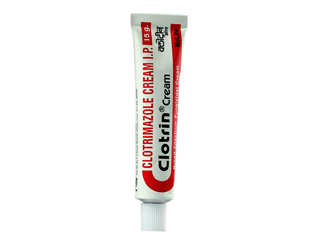
Clotrimazole is an anti-fungal medicine used to treat a range of skin and mucosal fungal infections, including athlete’s foot, ringworm, and fungal infections of the genitals (such as thrush). It works by targeting the fungus directly, helping to relieve symptoms like itching, redness, scaling, and irritation.
This page explains how clotrimazole works, when it’s used, how to apply it, common side effects, and practical tips—tailored for customers in the United Kingdom.
Basic product information
| Field | Details |
|---|---|
| Active ingredient | Clotrimazole |
| Medicine type | Topical (skin and mucosa) antifungal |
| Common forms | Cream, ointment, solution, powder, vaginal pessaries/tablets/creams (depending on product) |
| Who it’s for | People with confirmed or suspected fungal infections of the skin or mucous membranes |
| Typical availability (UK) | Often available from pharmacies for non-prescription treatment; some forms may require pharmacist advice |
| Key benefit | Helps stop fungal growth and supports symptom relief |
How clotrimazole works (mechanism of action)
Clotrimazole belongs to the imidazole group of antifungals. It works mainly by interfering with the fungus’s ability to maintain its cell membrane.
- It reduces the production of a substance called ergosterol (an essential component of fungal cell membranes).
- Without sufficient ergosterol, the fungal cell membrane becomes weak and the fungus can’t grow or survive effectively.
- Depending on the fungus and concentration, clotrimazole may be fungistatic (stops growth) and can also be fungicidal (kills fungi) at higher local concentrations.
Importantly, fungal symptoms may improve gradually—your skin can take time to settle even when the fungus is being treated successfully.
Pharmacokinetics (how the body handles it)
When clotrimazole is applied to the skin or mucous membranes, only a small amount is typically absorbed into the bloodstream. Most of its activity remains local at the site of infection.
- Absorption: Generally low through intact skin; absorption may increase slightly with damaged skin or when used on mucosal areas.
- Distribution: Because systemic absorption is limited, effective action is mainly at the local site.
- Metabolism: Any absorbed drug is processed by the liver.
- Excretion: Metabolites are removed from the body largely through urine and faeces.
For most people using topical clotrimazole correctly, systemic side effects are unlikely because levels in the bloodstream are low.
Typical uses in the UK
Clotrimazole is used for fungal infections caused by susceptible species of dermatophytes, yeasts, and moulds. It’s commonly used for:
- Athlete’s foot (tinea pedis): itchy, red, scaly skin between toes or on the sole
- Ringworm (tinea corporis) affecting the body: ring-shaped or patchy scaly areas
- Jock itch (tinea cruris): fungal infection of the groin area
- Fungal infections of the skin folds where moisture collects
- Oral thrush or fungal infections in the mouth (depending on product/formulation)
- Vaginal thrush (when using a vaginal product, depending on the specific clotrimazole formulation)
- Candidal infections (yeast-related infections), especially when localised
Indications: when clotrimazole is appropriate
Clotrimazole is intended for fungal infections. It is not an antibacterial medicine and won’t treat infections caused by bacteria.
You should consider seeking pharmacist or clinician advice if:
- you’re not sure it’s fungal (e.g., if there’s oozing, significant pain, or blistering)
- symptoms don’t improve after a short period of treatment
- you have recurrent infections
- you’re treating a child or using treatment in sensitive areas and you’re unsure of the correct formulation
Timing and how to use clotrimazole (general guidance)
The exact dosing schedule depends on the product strength and formulation (cream, solution, powder, vaginal treatment, etc.). Always follow the instructions on the pack or the leaflet supplied with your medicine.
In general, the goal is to:
- Apply regularly (often 1–2 times daily depending on the product),
- Apply for long enough to clear the fungus,
- Continue even after symptoms improve,
- treat the surrounding area (as advised) to prevent spread or recurrence.
Many fungal infections improve within a few days, but complete resolution may take longer. Stopping early is a common reason infections return.
Dosing (by condition and formulation)
Because clotrimazole comes in different strengths and forms, the best dosing instructions are those on the specific pack. Below are typical schedules that you may see for over-the-counter topical clotrimazole products in the UK.
Common topical skin dosing patterns
- Athlete’s foot: often applied to affected areas 2 times daily, sometimes for 2–4 weeks depending on the product.
- Ringworm (body): often applied 2 times daily for around 2–4 weeks depending on product instructions.
- Jock itch (groin): often applied 2 times daily for around 2–4 weeks.
Vaginal thrush dosing patterns (if using a vaginal clotrimazole product)
Vaginal products have specific regimens (for example, shorter courses or longer courses) depending on the pack. Use the exact course duration provided with your medicine.
Practical application example (skin cream)
If your product label advises twice-daily application, a typical routine would be:
- Clean and gently dry the affected area.
- Apply a thin layer to the affected skin and a small margin beyond the visible rash.
- Wash hands after application (unless treating the hands).
Do not apply more than recommended, and avoid covering with airtight dressings unless specifically advised.
Food interactions
Topical clotrimazole is absorbed into the bloodstream only to a limited extent, and therefore it is not known for significant interactions with food.
If you are using a vaginal or oral formulation of clotrimazole, check the product leaflet for any specific advice. In most cases, food does not pose a problem for topical use.
Alcohol and medicine interactions
Clotrimazole has limited systemic absorption when used topically, so significant interactions with alcohol are generally not expected.
However, if you’re taking other medicines—especially if you have a complex medical history—ask a pharmacist for advice. Also consider interactions if you are using other topical products on the same area, as overlapping treatments may affect how well clotrimazole works or may irritate skin.
When to be cautious about other topical products
- Avoid applying multiple creams/ointments over the same area unless advised.
- If you’re using a corticosteroid cream, be careful: steroids can sometimes worsen fungal infections if used alone or inappropriately.
- Do not mix medicines in the same container.
Safety profile
Clotrimazole is generally well tolerated when used as directed. Like all medicines, it may cause side effects.
Common side effects
- mild burning or stinging where applied
- skin irritation or redness
- itching or a temporary worsening of symptoms
- dryness, peeling, or mild swelling at the application site
Serious side effects (seek advice urgently)
Stop using the product and seek urgent medical advice if you develop signs of a severe allergic reaction, such as:
- swelling of the face, lips, or throat
- difficulty breathing
- widespread rash or hives
Who should get advice before use
- pregnancy and breastfeeding: ask a pharmacist or clinician for product-specific advice, especially for vaginal preparations
- children: dosing and suitable formulations can differ
- if you have broken skin, open wounds, or extensive infection
- if you have diabetes or poor circulation and foot problems
When to stop and get help
- no improvement after the timeframe stated on the pack
- infection spreads quickly
- signs of bacterial infection appear (e.g., increasing pain, warmth, pus, fever)
- recurrent infections keep returning
Practical use tips (to improve success and prevent recurrence)
Clotrimazole works best when combined with good hygiene and infection control habits.
Application tips
- Clean and dry the area before applying.
- Apply a thin layer (more is not necessarily better).
- Cover the affected area and the surrounding skin as recommended.
- Keep a routine: choose times that fit your day (e.g., morning and evening).
- Wash hands after application (unless treating the hands).
Foot and footwear measures (athlete’s foot)
- Change socks daily (or more often if sweaty).
- Use breathable shoes; alternate shoes to allow them to dry.
- Consider antifungal powders or sprays for shoes if advised.
- Don’t share towels.
Skin-fold and groin measures (jock itch)
- Keep the area cool and dry.
- Wear loose-fitting underwear.
- Avoid tight clothing that traps moisture.
Vaginal thrush measures (if using a vaginal clotrimazole product)
- Follow the exact course schedule provided.
- Use hygienic routines and avoid douching.
- If symptoms persist or recur, consider advice on diagnosis and partner involvement (depending on circumstances).
Alternative treatment options
Depending on the site and type of fungal infection, other antifungal medicines may be used. Alternatives may include:
- Terbinafine (often used for athlete’s foot and some dermatophyte infections; sometimes shorter courses)
- Clotrimazole-related combinations (some products combine antifungal with other soothing ingredients, depending on indication)
- Miconazole (common for skin and vaginal thrush depending on availability)
- Ketoconazole or other azole antifungals (depending on diagnosis and product availability)
- Oral antifungals for severe or recurrent fungal infections (typically clinician-led decisions)
The most suitable option depends on the exact diagnosis (for example, whether it’s yeast vs dermatophyte), the location, severity, and the product regimen available.
Market and legal context in the United Kingdom
In the UK, many topical antifungal medicines such as clotrimazole are available through pharmacies and can be supplied without a prescription for appropriate indications. Availability can vary by formulation (for example, creams versus vaginal preparations) and by strength.
Medicines are regulated by UK authorities, including the Medicines and Healthcare products Regulatory Agency (MHRA). Pharmacy supply may involve pharmacist assessment to ensure the product is suitable for the user’s symptoms, age group, and location of infection.
If symptoms are unusual, severe, or persist, professional assessment is recommended to confirm the diagnosis and to rule out conditions that can resemble fungal infections.
Recent guidance and best-practice advice (UK)
UK clinical advice commonly emphasises:
- Accurate diagnosis (to avoid using antifungals for non-fungal rashes)
- Complete the course even after symptoms improve
- Consider alternative causes if treatment fails (for example, eczema, dermatitis, bacterial infection, or psoriasis)
- Good hygiene and reducing moisture to prevent recurrence
For persistent genital symptoms, especially if recurrent, it’s often recommended to seek advice to confirm whether it is indeed thrush and to consider triggers such as antibiotics, diabetes, irritation, or partner-related factors (where relevant).
Delivery and availability (UK online pharmacy)
Clotrimazole is widely available through UK pharmacies, including online. Delivery options and times vary by retailer and location.
- Availability: Commonly stocked as creams, solutions, powders, and some vaginal products.
- Dispatch: Many orders are dispatched within 24 hours on working days (subject to cut-off times).
- Packaging: Medicines are typically shipped in secure, tamper-evident packaging.
- Storage: Follow the storage instructions on the pack (typically keep at room temperature and away from direct sunlight).
If you need help choosing the correct formulation for your symptoms, a pharmacist can often guide you based on the site of infection and the product you plan to use.
FAQ
1) How long does it take for clotrimazole to work?
Many people notice symptom improvement within a few days, such as reduced itching and redness. However, complete clearance may take longer. Continue treatment for the full course described on the pack, even if you feel better.
2) Should I stop clotrimazole when the rash looks better?
No. Stopping early is a common reason fungal infections return. Use clotrimazole for the full recommended duration.
3) Can I use clotrimazole on broken skin?
It may sting. If the area is open or severely irritated, ask a pharmacist for advice about the most suitable product and whether it should be used on that particular skin condition.
4) Is clotrimazole safe for children?
Children can use clotrimazole products, but the correct formulation and dosing schedule depends on age and the infection site. Check the pack and consider seeking pharmacist advice.
5) What if my symptoms get worse after starting treatment?
Mild irritation can occur. However, worsening—especially spreading, severe pain, pus, fever, or no improvement after the time stated on the pack—should prompt pharmacist or clinician advice to confirm diagnosis and treatment suitability.
6) Can I use clotrimazole with other creams?
Ideally avoid applying multiple products to the same area unless advised. If you’re using emollients or moisturisers, apply antifungal and allow it to absorb before using other products, unless the leaflet states otherwise.
7) Does clotrimazole interact with alcohol?
Significant alcohol interactions are generally not expected with topical clotrimazole because systemic absorption is low. If you are unsure—particularly if you’re using other medicines—ask a pharmacist.
8) Can clotrimazole be used for oral thrush or vaginal thrush?
Specific clotrimazole products exist for some mucosal infections (including vaginal thrush and, depending on formulation, oral thrush). Use the correct product intended for that site and follow its exact course instructions.
9) How can I prevent fungal infections coming back?
Practical steps include keeping the area dry, changing towels/socks regularly, using breathable footwear, avoiding sharing towels, and completing the full antifungal course. Treat household or close-contact sources if advised.
10) When should I seek professional advice?
Seek advice if symptoms do not improve within the recommended timeframe, if the infection is severe, if you have recurrent infections, or if the area shows signs of bacterial infection. For genital symptoms, professional assessment can help confirm diagnosis.
Summary
Clotrimazole is a trusted antifungal medicine used to treat fungal infections of the skin and, in suitable formulations, mucosal areas. It works by damaging the fungus’s ability to maintain its cell membrane. When used correctly—regular application, sufficient duration, and supportive hygiene—clotrimazole can help clear infections and relieve uncomfortable symptoms.
Always follow the instructions provided with your specific clotrimazole product and seek advice if you’re unsure about diagnosis, dosing, or if symptoms persist.