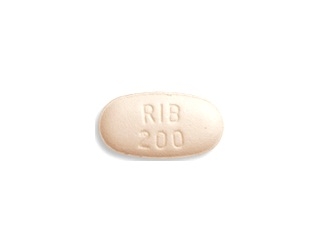
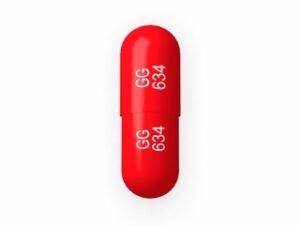
Copegus (Ribavirin) – Patient-Friendly Guide (UK)
Copegus is a brand of ribavirin, an antiviral medicine used in combination treatment for certain viral infections. This guide explains how Copegus works, how it is used, important safety information, and practical tips to help you use your treatment more confidently.
Please note: Ribavirin may cause significant side effects and requires careful monitoring. Always follow the dosing plan provided by your healthcare team and read the patient information leaflet (PIL) supplied with your medicine.
1) Basic product information
- Brand name: Copegus
- Generic name: Ribavirin
- Medicinal form: Oral tablets (commonly film-coated; strength may vary by product)
- ATC code: J05AB04 (ribavirin)
- Class: Antiviral
- How it is used: Typically in combination with other medicines for specific indications
2) How Copegus (Ribavirin) works
Ribavirin is a nucleoside analogue (a “building-block” type of antiviral agent). Its exact mechanism is complex, but it is thought to:
- Disrupt viral replication: Ribavirin interferes with how viruses copy their genetic material.
- Alter viral RNA/DNA processing: It may reduce the accuracy and effectiveness of viral genome production.
- Influence immune responses: It can modulate immune signalling in ways that help control infection.
Important: Ribavirin’s role is strongest when it is part of an appropriate combination regimen for the specific virus and treatment plan.
3) Pharmacokinetics (what the body does to ribavirin)
Pharmacokinetics describes how the body absorbs, distributes, metabolises, and clears a medicine.
- Absorption: Ribavirin is absorbed after oral dosing. Peak blood levels are typically reached within a few hours (exact timing can vary).
- Distribution: It distributes widely throughout the body, including into tissues. Ribavirin is known to accumulate intracellularly.
- Metabolism: Ribavirin is not extensively metabolised in the liver by typical pathways; it is mainly processed through pathways related to nucleosides.
- Half-life: Ribavirin has a long terminal half-life due to intracellular persistence. This means it can stay in the body for weeks after stopping.
- Excretion: Elimination occurs primarily through the kidneys. Kidney function is therefore important.
Why this matters for patients: If you miss doses or stop suddenly, ribavirin may remain in your system for some time. This supports consistent dosing during treatment but also contributes to the need for careful safety planning, especially regarding fertility and pregnancy precautions.
4) Typical use and timing
Copegus (ribavirin) is used as part of an antiviral combination regimen for specific conditions. The exact medicines used alongside ribavirin vary depending on the virus, genotype (if relevant), stage of illness, and national guidance.
General timing guidance:
- Take as directed on your dosing schedule.
- Consistency matters: Try to take each dose at roughly the same times each day.
- With food: Many ribavirin regimens are instructed to be taken with food to improve absorption and reduce stomach upset. Your leaflet or prescriber’s instructions should be followed.
- Do not double up if you miss a dose. Ask your pharmacist what to do based on your schedule.
5) Food interactions and taking Copegus with meals
Food can affect how well ribavirin is absorbed. In many regimens:
- Take with food (unless your healthcare team specifically advises otherwise).
- Avoid sudden changes in your routine meal patterns during treatment.
- If you experience nausea: Taking your dose with a fuller meal may help. If side effects persist, speak to your clinician promptly.
Diet reminders: Good hydration and maintaining balanced nutrition can support overall tolerance, especially if you experience fatigue.
6) Alcohol and medicine interactions
Alcohol
Alcohol can worsen outcomes in some viral infections and may increase the risk of side effects such as fatigue and liver strain—depending on your condition and overall health. It may also interfere indirectly with treatment adherence.
- Best practice: Discuss alcohol use with your healthcare team.
- If you have liver disease: Alcohol is generally discouraged.
Medicines and interactions
Ribavirin can interact with other medicines. Some interactions can affect blood levels, increase side effects, or change how your treatment works.
Tell your pharmacist or clinician about all medicines and supplements you take, including:
- Other antivirals and hepatitis medicines
- Antacids and acid-reducing medicines
- HIV medicines
- Immunosuppressants
- Interferons (when used)
- Any medicines that affect kidney function
- Herbal products and over-the-counter remedies
Special caution: Because ribavirin is cleared through the kidneys, medicines that reduce kidney function may increase exposure and side effects. Your healthcare team may monitor kidney function more closely if you are taking such medicines.
7) Indications (what Copegus is used for)
Copegus (ribavirin) is used for certain viral infections in combination with other antiviral therapy. In the UK, ribavirin has historically been used most commonly in combination regimens for hepatitis C, particularly in situations where specific treatment combinations are recommended based on patient factors.
Because treatment approaches can change with new medicines and updated guidance, your clinician will specify the exact combination and duration that applies to you.
8) Dosing (general principles)
Dosing of ribavirin is often based on body weight and the combination regimen prescribed. The exact dose and schedule can vary, so you should follow your personal prescription instructions and the accompanying PIL.
Common dosing considerations
- Weight-based dosing may be used in many regimens.
- Kidney function matters: If you have reduced kidney function, your dose may need adjustment.
- Haemoglobin monitoring: Blood tests are commonly used to detect anaemia early.
- Duration: Treatment length depends on the regimen and response to therapy.
What to do if you miss a dose
If you miss a dose:
- Check the leaflet: It typically provides advice for missed doses.
- Contact your pharmacist: They can guide you based on your dosing schedule.
Do not double the dose unless your healthcare team tells you to.
Dose adjustments
Many patients require dose adjustments due to side effects, especially anaemia. If blood tests show low haemoglobin or other concerning changes, your clinician may reduce the dose or pause therapy, depending on the situation.
9) Safety profile and important warnings
Ribavirin can cause side effects ranging from mild to serious. Some risks require urgent medical attention.
Common side effects
- Fatigue
- Headache
- Nausea and stomach discomfort
- Dry skin or rash
- Shortness of breath or reduced exercise tolerance (can be related to anaemia)
- Changes in blood counts (often anaemia)
Serious risks (seek medical help promptly)
- Severe anaemia: Symptoms may include unusual tiredness, dizziness, chest pain, or breathlessness.
- Allergic reactions: Swelling of face/lips, severe rash, wheezing, or difficulty breathing.
- Worsening symptoms of heart disease: If you have underlying cardiovascular disease, ribavirin may increase risk due to anaemia.
- Fertility/pregnancy risks: Ribavirin is known to be harmful to an unborn baby. Pregnancy prevention measures are essential during treatment and after stopping.
Pregnancy and fertility precautions (very important)
Ribavirin can cause birth defects and pregnancy loss. The following precautions are generally required for both people who can become pregnant and their partners (details can vary by regimen and local guidance):
- Avoid pregnancy during treatment.
- Use effective contraception during treatment.
- Continue contraception for a period after stopping as advised (ribavirin remains in the body for some time).
- Discuss family planning early with your healthcare team.
If you are unsure about which contraception method is appropriate for you, consult your clinician or pharmacist.
10) Practical use tips
- Take exactly as scheduled: Use alarms or a medication organiser.
- Take with food: This may improve absorption and reduce stomach upset.
- Keep appointment dates: Blood tests and follow-ups are essential for safe treatment.
- Know your “early warning” symptoms: especially symptoms of anaemia (fatigue, breathlessness) and allergic reactions (swelling, wheeze, severe rash).
- Hydration: Drink fluids regularly unless you have fluid restrictions.
- Plan for fatigue: Many people feel tired during antiviral therapy—plan rest and avoid risky activities if you feel light-headed.
- Record side effects: Note when symptoms occur and how severe they are for easier discussion with your clinician.
11) Alternative options
For some viral infections—particularly hepatitis C—there are alternative antiviral medicines that may be used instead of ribavirin depending on the clinical scenario. Options may include:
- Direct-acting antivirals (DAAs) (commonly used in modern hepatitis C regimens)
- Different combination regimens based on prior treatment, genotype (if relevant), liver function, and co-infections
- Supportive treatments to manage side effects such as anaemia (your clinician decides what is appropriate)
Speak to your healthcare team about whether ribavirin is needed for your specific situation and what alternatives are suitable.
12) UK market and legal context (overview)
In the United Kingdom, medicines such as Copegus (ribavirin) are regulated under the Medicines and Healthcare products Regulatory Agency (MHRA) framework, and distributed according to medicines regulations. Treatment recommendations are shaped by national clinical guidance and evidence from ongoing research.
Access and supply: Availability can depend on manufacturing, national prescribing patterns, and specialist treatment pathways. Your pharmacy can advise on current stock and expected delivery times.
Monitoring and safety: Because ribavirin can cause serious side effects (especially anaemia and teratogenicity), it is typically used under structured care with blood test monitoring.
13) Recent guidance and evolving practice
Antiviral care recommendations evolve as new evidence becomes available. In areas like hepatitis C, newer regimens using DAAs have changed standard treatment approaches in many patients. Ribavirin may still be considered in certain scenarios where it is part of a recommended combination, where prior treatment history affects choice, or where specific patient factors apply.
What to do: If you are currently prescribed ribavirin, ask your clinician how your regimen aligns with current national guidance and what monitoring schedule you should follow.
14) Delivery and availability (UK)
Availability of Copegus can vary. Our online pharmacy service aims to provide reliable access to medicines within the UK.
- Stock status: We check availability before dispatch.
- Delivery: Delivery times depend on location and courier service. You will receive delivery updates when your order is processed.
- Cold chain: Ribavirin typically does not require refrigeration, but always store according to the PIL and on-pack instructions.
- Packaging: Medicines are supplied in appropriate packaging to protect the product during transit.
Need help? If you need advice on whether Copegus is suitable for your situation, or you have questions about dosing instructions, please contact our pharmacy team.
15) FAQ
What is Copegus used for?
Copegus contains ribavirin and is used as part of antiviral combination regimens for certain infections (most commonly discussed in relation to hepatitis C). Your clinician will specify the exact regimen and duration for your condition.
How should I take Copegus?
Take it exactly as instructed in your regimen. Many patients are advised to take ribavirin with food to improve absorption and reduce stomach upset. Keep dosing times consistent.
What happens if I miss a dose?
Do not double up. The best approach depends on your schedule and timing of the missed dose. Check the patient leaflet for missed dose instructions or ask your pharmacist for personalised guidance.
Can I drink alcohol while taking Copegus?
Alcohol may worsen liver-related health and can increase strain during treatment. It is best to discuss alcohol use with your healthcare team, particularly if you have liver disease.
Does ribavirin affect fertility or pregnancy?
Yes. Ribavirin can cause harm to an unborn baby and pregnancy loss, so strict pregnancy prevention measures are essential during treatment and for a period after stopping. Use effective contraception and discuss your situation with your clinician.
What side effects are most important to watch for?
Be alert for symptoms of anaemia (fatigue, breathlessness, dizziness) and signs of allergic reactions (swelling, severe rash, wheezing). Seek urgent medical help if severe symptoms occur.
Why do I need blood tests during treatment?
Blood tests help detect anaemia and monitor other safety parameters early, allowing dose adjustments if needed. This is a key part of safe ribavirin use.
Are there alternatives to ribavirin?
Depending on the infection and your clinical situation, alternative antiviral medicines may be available—especially in hepatitis C where modern DAAs are commonly used. Your clinician can advise what is appropriate for you.
How long does ribavirin stay in the body?
Ribavirin can remain in the body for a long time after the last dose because it persists in the body’s cells. This is one reason pregnancy prevention measures are extended after stopping treatment.
What should I tell my pharmacist before starting?
Tell them about:
- Any other medicines you take (including over-the-counter and herbal products)
- Kidney problems or reduced kidney function
- Heart disease
- Any history of allergic reactions to medicines
- Your pregnancy/contraception situation (if applicable)
Storing Copegus
- Follow the storage instructions on the pack/PIL.
- Store at the recommended temperature range and protect from moisture as directed.
- Keep out of the sight and reach of children.
Summary: Copegus (ribavirin) is an oral antiviral used in specific combination regimens. It works by interfering with viral replication and has important safety considerations, especially anaemia and pregnancy prevention. Regular monitoring and careful adherence to dosing instructions help reduce risk and support the best possible outcome.