Dexilant® (Dexlansoprazole) – Patient Guide (UK)
Dexilant® is a medicine that helps reduce stomach acid. It is used for conditions such as gastro-oesophageal reflux disease (GORD/acid reflux) and certain types of acid-related problems. This guide explains how Dexilant works, how it is taken, what to expect, and important safety information.
| Product name | Dexilant® |
|---|---|
| Active ingredient | Dexlansoprazole |
| Medicinal class | Proton pump inhibitor (PPI) |
| How it helps | Reduces acid production in the stomach |
| Common uses | GORD/heartburn, reflux-related inflammation, maintenance in some patients |
| Typical dosing (general) | Once daily; exact dose depends on your condition and doctor’s plan |
What is Dexilant?
Dexilant® contains dexlansoprazole, a proton pump inhibitor (PPI). PPIs lower stomach acid by blocking a key “acid pump” in the stomach lining. Dexilant is designed to provide effects over time, which can be helpful for reflux symptoms that occur after meals or during the night.
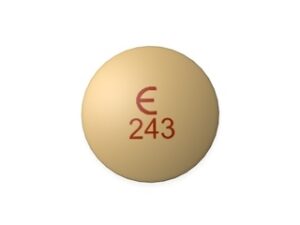
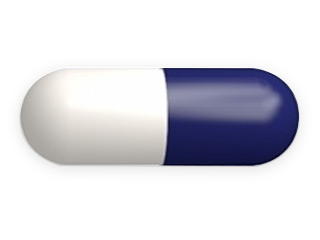
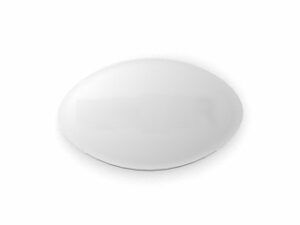
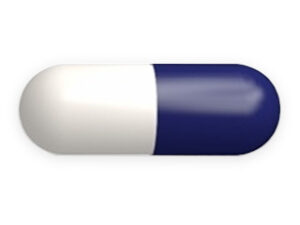
Dexilant is generally available in different strength presentations (commonly 30 mg and 60 mg). Availability may vary by supplier and local market.
How Dexilant works (mechanism of action)
After you swallow Dexilant, the medicine is absorbed and converted into an active form in the stomach. It then binds to proton pumps (H+/K+-ATPase) on the stomach lining. These pumps are responsible for producing stomach acid.
- Blocks acid production, leading to higher stomach pH (less acid).
- Supports healing of the lining where reflux has caused inflammation.
- Helps control symptoms such as heartburn, acid regurgitation, and burning sensations.
Dexilant uses a modified-release formulation that releases the active ingredient in a way intended to provide a longer-lasting acid suppression effect.
Pharmacokinetics (how the body handles the medicine)
Pharmacokinetics describes what happens after you take a dose—how the body absorbs, distributes, metabolises, and eliminates the medicine.
- Absorption: Dexilansoprazole is absorbed after oral administration. The modified release can lead to two peaks in blood levels, supporting sustained acid suppression.
- Onset of effect: Many people notice symptom improvement within the first day or two, but healing of the stomach lining may take longer.
- Metabolism: The medicine is mainly metabolised by liver enzymes (notably CYP2C19, with contributions from other pathways).
- Elimination: It is cleared from the body primarily via metabolism into inactive metabolites, which are then removed through normal bodily processes.
Important: People with reduced activity of certain liver enzymes (for example, some genetic variations affecting CYP2C19) may experience different blood levels, which is one reason clinicians may monitor response or adjust treatment where needed.
Typical uses and indications (what it’s used for)
Dexilant is used for acid-related disorders, particularly those involving reflux of stomach contents into the oesophagus or stomach irritation caused by acid.
Common indications in clinical practice include:
- GORD (gastro-oesophageal reflux disease) – reducing heartburn and other reflux symptoms.
- Reflux-related oesophagitis – inflammation of the oesophagus due to reflux.
- Maintenance therapy in some patients who need ongoing acid control to prevent relapse.
- Other acid-related conditions where a PPI is appropriate (use depends on local prescribing guidance and patient factors).
For the most accurate description of approved indications and strengths for the UK market, always refer to the specific product information supplied with your medicine.
How and when to take Dexilant (timing and routine)
Dexilant is usually taken once daily. The exact dose and duration depend on the condition being treated.
Timing with meals
Dexilant can be taken in relation to food depending on the specific product guidance you are given.
- General approach: Many patients are advised to take it before a meal for best acid control.
- Consistency matters: Try to take it around the same time each day.
- What if you miss a dose? If you remember later, take it when convenient unless it is close to the next dose. Do not take a double dose to make up for a missed one.
Practical tip: Choose a routine that fits your day—many people prefer mornings before breakfast or before their largest meal, depending on personal guidance.
Food interactions
Food and meal timing can affect reflux symptoms and may influence PPI performance indirectly. Dexilant’s modified release may be designed to work across different times relative to meals.
General food-related advice:
- Avoid triggers that worsen reflux (for example, fatty meals, spicy foods, chocolate, peppermint, caffeine, and alcohol).
- Do not overeat; larger portions can increase reflux.
- Stay upright after meals (for example, avoid lying down immediately after eating).
- Maintain hydration—dryness can worsen throat irritation for some people.
If you notice symptoms improve with taking Dexilant at a particular time relative to meals, keeping that routine may help. However, follow the instructions given by your healthcare professional or the package leaflet for your specific product.
Alcohol and medicine interactions
Alcohol can worsen reflux by relaxing the lower oesophageal sphincter and by irritating the oesophagus in some people. Therefore, even if Dexilant reduces acid, alcohol may still trigger symptoms.
Alcohol
- Best practice: Limit alcohol or avoid it if it reliably worsens your heartburn or regurgitation.
- Moderation: If you drink, consider whether symptoms occur after certain drinks, times, or amounts.
Interactions with other medicines
Dexlansoprazole may affect other medicines due to reduced stomach acidity (which can change how well some drugs dissolve and are absorbed). It can also affect metabolism through liver enzyme pathways.
Please tell a healthcare professional or pharmacist about all medicines you take, including:
- Antifungal medicines (for example, ketoconazole, itraconazole) – reduced acid may lower absorption.
- HIV medicines (some products depend on stomach acidity for absorption).
- Some anticancer medicines where absorption is acid-dependent.
- Clopidogrel – PPIs can affect activation of clopidogrel in some cases; clinicians may consider alternatives or monitoring.
- Warfarin – acid suppression and liver enzyme changes may alter bleeding risk; monitoring of INR may be needed.
- Methotrexate (especially high-dose) – PPIs may increase levels in certain scenarios; medical advice is important.
- Medicines that require acidic environment for absorption.
- Magnesium or iron supplements – long-term PPI use can be associated with changes in mineral absorption; your clinician may advise checking levels.
Always check: If you take other medicines regularly, ask a pharmacist to check for compatibility with Dexilant.
Dosing (what strength and how much?)
Dosing depends on the condition being treated, symptom severity, and your response.
- Typical dosing pattern: once daily.
- Strength: common strengths include 30 mg and 60 mg tablets/capsules (depending on product form and indication).
Important: Follow the specific dosage instructions provided with your medicine or by your healthcare professional. Do not change the dose or stop abruptly without advice.
If you feel your symptoms are not controlled, don’t simply increase dose on your own—seek guidance. Reflux symptoms can sometimes have other causes and ongoing symptoms may require review.
Safety profile and side effects
Like all medicines, Dexilant can cause side effects, although not everyone gets them. Most side effects are mild and temporary.
Common or mild side effects
- Headache
- Diarrhoea or constipation
- Nausea
- Abdominal pain or discomfort
- Flatulence (gas)
Seek urgent medical help if you notice
- Signs of an allergic reaction such as swelling of the face/lips, difficulty breathing, or severe rash.
- Severe or persistent watery diarrhoea, especially with fever or blood in stool.
- Unexplained weight loss, vomiting (especially if persistent), difficulty swallowing, or blood in vomit/stool.
Long-term use cautions (general PPI considerations)
Long-term or high-dose PPI use in some patients has been associated with additional risks. These may include:
- Reduced absorption of certain nutrients (for example, magnesium, vitamin B12, and iron in some cases).
- Increased risk of infections such as stomach/intestinal infections (and in some settings, respiratory infections).
- Bone health considerations when used long-term (especially at higher doses), meaning calcium/vitamin D and lifestyle may be considered by your clinician.
These risks do not mean everyone should avoid PPIs, but they are reasons why clinicians aim to use the lowest effective dose for the appropriate duration.
Who should take extra care?
- People with history of severe liver disease or complex medication regimens.
- Older adults who may be more sensitive to side effects.
- People taking medicines with known interactions (see above).
- Anyone pregnant or breastfeeding should seek appropriate medical advice.
Practical use tips (getting the most from Dexilant)
- Give it a fair trial: Acid control can improve symptoms quickly, but full benefit may take several days depending on severity.
- Take at the right routine: Consistency in timing (and how you relate it to meals) often improves results.
- Combine with lifestyle changes: Elevate the head of your bed if night reflux occurs; avoid late meals; reduce triggers.
- Don’t ignore red flags: If you have difficulty swallowing, unexplained weight loss, persistent vomiting, or black/bloody stools, seek urgent medical assessment.
- Be careful with OTC acid reducers: Some people add other acid medicines on top. Check with a pharmacist to avoid unnecessary duplication or interactions.
- Review long-term therapy: If you take a PPI for months, ask your clinician whether you still need it and at what dose.
When Dexilant may not be suitable
Dexilant might not be appropriate for everyone. You should discuss your situation with a healthcare professional if you:
- Have had an allergic reaction to dexlansoprazole, other PPIs, or ingredients in the product.
- Have a history of serious stomach or bowel conditions requiring special management.
- Take medicines known to interact strongly with PPIs.
- Have severe or unexplained symptoms that require further investigation.
Alternative options
If Dexilant is not suitable or symptoms do not improve, there are other options your healthcare professional may consider. Alternatives may include:
Other acid-suppressing medicines
- Other proton pump inhibitors (PPIs): Some people respond better to a different PPI.
- H2-receptor antagonists (H2 blockers): May provide relief for some patients, often with shorter duration than PPIs.
- Antacids for quick, short-term symptom relief: Useful for occasional breakthrough symptoms.
Non-medicine approaches
- Diet and lifestyle adjustments (meal timing, trigger avoidance).
- Weight management if relevant.
- Head-of-bed elevation to reduce night reflux.
- Smoking cessation where applicable.
Choice of alternative depends on diagnosis, symptom pattern, and your overall health. A pharmacist or clinician can help you identify the best strategy.
Market and legal context in the UK
In the United Kingdom, medicines are regulated by the Medicines and Healthcare products Regulatory Agency (MHRA). Product availability and the exact wording of indications and dosing can differ by formulation, marketing authorisation, and supplier.
Many PPIs are commonly used in the NHS, and some may be available through different routes (for example, pharmacy supply depending on local policies and product status). Always follow the instructions provided with the medicine and check the leaflet that comes with your product.
Good to know: For ongoing or complex reflux symptoms, UK guidance often emphasises accurate diagnosis, assessment for warning signs, and using the lowest effective PPI dose for the shortest necessary duration.
Recent guidance (general clinical considerations)
Clinical practice in the UK has increasingly focused on:
- Reviewing the need for long-term PPI therapy where possible.
- Using step-down strategies (reducing dose or stopping if appropriate) after symptom control, under clinical review.
- Ensuring correct diagnosis for persistent symptoms and assessing “alarm” features that may require further investigation.
- Monitoring interacting medicines—especially when patients take drugs with significant absorption or metabolism considerations.
Your pharmacist can help you understand how to manage symptoms safely and when to seek further medical review.
Delivery and availability (online pharmacy considerations)
Dexilant availability in the UK may vary depending on:
- Strength and formulation (e.g., 30 mg vs 60 mg)
- Current stock levels and supplier lead times
- Packaging format and manufacturer batch
When ordering online, check that:
- The strength and quantity match your needs.
- The product packaging and leaflet are included.
- Delivery options and expected delivery times are clearly shown at checkout.
For best results, store your medicine as directed on the packaging (typically at room temperature, away from excessive heat and moisture). Keep out of reach of children.
FAQ about Dexilant
1) How long does Dexilant take to work?
Many people experience symptom relief within a day or two. However, healing of reflux-related inflammation and longer-term symptom control may take longer—often several weeks, depending on the condition.
2) Can I take Dexilant with food?
Follow the timing instructions provided with your specific product. In many cases, PPIs are taken before meals for best effect, but Dexilant’s modified-release profile may support flexibility. If you are unsure, ask a pharmacist.
3) What should I do if I miss a dose?
Take it when you remember unless it is close to the next scheduled dose. Do not take a double dose to compensate.
4) Are there any medicines I should avoid with Dexilant?
Some medicines may interact due to changes in stomach acidity or liver metabolism. Examples include certain antifungals, HIV medicines, clopidogrel, and warfarin. Always let a pharmacist check your medication list.
5) Does Dexilant cure GORD?
Dexilant controls stomach acid and helps relieve symptoms and promote healing. Some people need longer-term or maintenance treatment to prevent recurrence, while others may be able to step down after stability.
6) Can I drink alcohol while taking Dexilant?
You can usually drink in moderation, but alcohol may trigger reflux symptoms in many people. If you notice symptoms worsen after alcohol, consider reducing or avoiding it.
7) What side effects are most likely?
Common side effects include headache, diarrhoea or constipation, nausea, abdominal discomfort, and gas. If you experience severe symptoms, signs of allergy, or persistent diarrhoea, seek medical advice.
8) Is long-term PPI use safe?
For many people, PPIs are safe when used appropriately. However, long-term use should be regularly reviewed. Clinicians aim for the lowest effective dose and the shortest duration that still controls symptoms.
9) When should I seek urgent help for reflux?
Seek urgent medical assessment if you have difficulty swallowing, persistent vomiting, unexplained weight loss, coughing up blood, black stools, or vomiting blood.
10) What are good lifestyle steps to reduce reflux?
Common helpful steps include avoiding trigger foods, eating smaller meals, not lying down after eating, elevating your head at night, and maintaining a healthy weight.
Summary
Dexilant® (dexlansoprazole) is a proton pump inhibitor that reduces stomach acid, helping manage reflux symptoms and promote healing of acid-related irritation. For best outcomes, take it consistently according to the provided instructions, be mindful of food and lifestyle triggers, and review long-term use with a healthcare professional. If symptoms change or red-flag signs appear, prompt medical assessment is important.