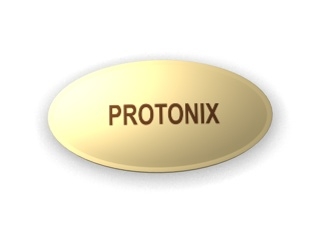

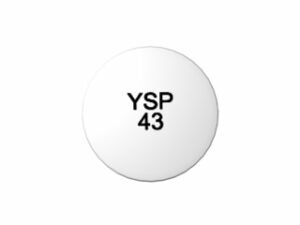
Protonix (Pantoprazole) — Patient Information (UK)
Protonix is a medicine containing pantoprazole, which belongs to a group of medicines called proton pump inhibitors (PPIs). Pantoprazole reduces the production of acid in the stomach and is used to treat conditions caused or worsened by stomach acid, such as acid reflux and inflammation of the food pipe.
This guide is designed to be patient-friendly and helpful for people in the United Kingdom. It explains how Protonix works, when to take it, common side effects, safety points, interactions, and practical tips to get the best results.
1) Basic product information
| Information | Details |
|---|---|
| Active ingredient | Pantoprazole |
| Medicine group | Proton pump inhibitor (PPI) |
| Common strengths (UK) | Typically available as tablets (e.g., 20 mg and 40 mg, depending on product) |
| Availability | May be supplied under different pharmacy/clinical pathways in the UK depending on indication and product |
| Key use | Reduces stomach acid to relieve symptoms and allow healing |
Important note: Different strengths and formulations may exist. Always check the specific strength on your pack and follow the instructions provided with your product.
2) How Protonix works (mechanism of action)
Pantoprazole blocks the “proton pump” in the stomach lining. This pump is responsible for the final step of acid production. By inhibiting it, Protonix:
- reduces stomach acid output
- raises the pH (reduces acidity) in the stomach
- supports healing of damaged tissue in the oesophagus (food pipe) when inflammation is caused by acid
- helps relieve symptoms such as heartburn and acid reflux
Because it affects the acid-producing system, Protonix often works best when taken correctly over several days, especially for healing.
3) Pharmacokinetics (how the body handles pantoprazole)
Pharmacokinetics describes how pantoprazole is absorbed, processed and eliminated. Key points include:
- Absorption: Pantoprazole is absorbed from the gut after you take it.
- Onset: Symptoms may improve within the first day, but full effect and healing usually take longer.
- Peak effect: The medicine reaches peak activity after absorption; it is designed to act within the acidic environment of the stomach lining.
- Metabolism: It is broken down mainly in the liver (metabolised by drug-metabolising enzymes).
- Elimination: Metabolites are mainly cleared from the body through the urine and other routes.
Practical implication: Liver impairment, age, and other medicines may affect how the body handles pantoprazole. If you have liver disease, discuss this with a healthcare professional before starting treatment.
4) Typical uses in the UK
Protonix is used for a range of conditions where reducing stomach acid helps. Common indications include:
- Gastro-oesophageal reflux disease (GORD) (heartburn, reflux symptoms)
- Erosive oesophagitis (inflammation/erosions of the oesophagus caused by acid)
- Long-term management for people who need ongoing acid reduction (as advised by a clinician)
- Prevention of NSAID-related gastric and duodenal ulcers in certain patients, when appropriate
- Zollinger–Ellison syndrome (rare condition with excessive stomach acid production)
For treatment of Helicobacter pylori infection, pantoprazole is sometimes used as part of a combination regimen alongside antibiotics and other medicines. Your local clinical pathway will determine the exact regimen.
5) Timing: when to take Protonix for best results
Timing is important for PPIs because they work on actively acid-producing pumps in the stomach. Many patients get the best results by following these general guidance principles:
- Best time: Take Protonix before food, typically in the morning.
- How to take: Swallow the tablet whole with water. Do not crush or chew unless your specific product instructions allow it.
- Consistency: Try to take it at the same time each day.
- Waiting after eating: If you have missed a dose, follow the instructions on your package leaflet or speak to a pharmacist. Do not take a double dose to make up for a missed one.
How long does it take? Many people notice symptom relief within a few days. For healing of oesophagitis or more severe reflux symptoms, it may take several weeks, depending on the condition and dose.
6) Food interactions
Protonix can be affected by how timing relates to meals. While you can take it with water, the aim is to take it when the stomach is not immediately digesting food. In general:
- Taking before meals improves effectiveness.
- Taking with or after food may reduce how well the medicine suppresses acid at the time it is needed most.
If you are a shift worker or your routine varies, ask your pharmacist or clinician about the best dosing schedule for you.
7) Alcohol and medicine interactions
Alcohol
Alcohol may worsen reflux symptoms (heartburn, regurgitation) in some people. While alcohol does not directly “neutralise” pantoprazole, it can make the condition harder to control. If you have GORD, consider limiting alcohol and observe how your symptoms respond.
Medicine interactions
Protonix can interact with other medicines in a few ways, including effects on stomach pH and liver metabolism. Always check interactions with your pharmacist, especially if you take multiple medicines.
Common interaction themes include:
- Medicines that need stomach acidity: Reducing stomach acid can affect absorption of some drugs (for example, certain antifungals such as ketoconazole/itraconazole, depending on your exact product and regimen).
- HIV medicines: Some treatments may be affected by changes in stomach pH.
- Warfarin (and other anticoagulants): PPIs may, in some cases, affect INR control. If you take warfarin, close monitoring may be needed when starting or stopping pantoprazole.
- Methotrexate: High-dose methotrexate can interact with PPIs and may affect drug levels.
- Clopidogrel: Pantoprazole may reduce activation of clopidogrel in some settings; clinical guidance may prefer alternative PPIs in certain patients.
- Other medicines metabolised by the liver: Because pantoprazole is metabolised in the liver, interactions are possible, although pantoprazole generally has fewer problematic interactions than some other PPIs.
What to do: Keep an up-to-date list of all medicines, including over-the-counter treatments and herbal products, and show it to your pharmacist.
8) Indications (when Protonix is used)
In the UK, Protonix/pantoprazole is used when lowering gastric acid improves outcomes. It may be recommended for:
- Frequent heartburn and reflux symptoms associated with GORD
- Inflammation or erosions of the oesophagus
- Prevention and treatment of ulcers related to acid and certain medication use (e.g., NSAIDs) where appropriate
- Rare acid overproduction conditions such as Zollinger–Ellison syndrome
- Combination therapy regimens (e.g., for H. pylori), as directed
Choosing the right dose and duration depends on your diagnosis, symptom severity, and medical history.
9) Dosing: general guidance
Dosing varies by condition and product strength. The following information is general and may not match your exact instructions.
- Typical adult dosing for GORD/heartburn: often 20 mg or 40 mg once daily, depending on severity and response.
- Erosive oesophagitis: commonly 40 mg daily, sometimes with adjustments based on healing.
- Maintenance/long-term control: may be lower doses or ongoing therapy as advised.
- Zollinger–Ellison syndrome: dose is individualised and may be higher; it requires specialist monitoring.
- H. pylori regimens: pantoprazole is used in combination; dosing is part of a multi-medicine plan.
How to take:
- Swallow the tablet whole with water.
- Take before your first meal if possible.
- If you miss a dose, take it when you remember unless it is close to the next dose—follow your pack instructions.
Duration: Many reflux treatment courses are time-limited, but some patients need maintenance therapy. Your clinician or pharmacist will advise the appropriate length for your situation.
10) Safety profile and side effects
Like all medicines, Protonix can cause side effects, although not everyone experiences them. Side effects are usually mild and temporary.
Common or reported side effects
- Headache
- Nausea
- Diarrhoea
- Stomach pain or discomfort
- Flatulence (wind)
Less common but important reactions
- Skin rash, itching, or swelling (possible allergy)
- Severe allergic reactions (rare)
- Persistent or severe diarrhoea (seek advice, particularly if accompanied by fever or blood)
Long-term safety considerations
PPIs used for long periods may be associated with certain risks. The likelihood varies by dose, duration, and patient factors. Consider discussing ongoing need with a healthcare professional if you plan long-term use.
- Low magnesium (hypomagnesaemia): can occur with prolonged PPI therapy.
- Vitamin B12 or iron deficiency: may be more likely over time, especially if dietary intake is limited.
- Bone fractures: some studies suggest a small increased risk with long-term use; this is not the same as proving cause and effect, but it is a consideration.
- Infections: reduced stomach acid may increase susceptibility to some gastrointestinal infections.
Seek urgent help if you develop signs of serious allergy (swelling of the face/lips, severe rash, breathing difficulties) or if you experience severe symptoms such as vomiting blood, black/tarry stools, or unexplained significant weight loss.
11) Practical use tips (to get the best results)
- Take it consistently: missing doses can reduce effectiveness.
- Take before meals: particularly the morning dose for once-daily regimens.
- Give it time: if symptoms are frequent, a short course may still take days to settle.
- Use lifestyle measures alongside medicine: reflux often improves with dietary and behavioural changes.
- Consider symptom triggers: spicy foods, fatty meals, caffeine, chocolate, peppermint, and late-night eating can worsen reflux for some people.
- Avoid lying down after meals: try to remain upright for at least 2–3 hours after eating.
- Weight and posture: if relevant, weight reduction and elevating the head of the bed can help.
- Review other medicines: some medicines can aggravate reflux (e.g., certain painkillers). Ask your pharmacist if you are unsure.
12) Alternative options
If Protonix/pantoprazole isn’t suitable, or if you need a different approach, alternatives may include:
- Other PPIs: such as omeprazole, lansoprazole, or esomeprazole. Switching may be considered based on your response and tolerability.
- H2-receptor antagonists: such as famotidine or cimetidine (availability varies). These reduce acid but generally are not as powerful as PPIs for healing severe oesophagitis.
- Antacids and alginates: can provide faster, short-term symptom relief for occasional heartburn (e.g., alginate-based products that form a barrier). These are often used “as needed”.
- Lifestyle changes: dietary adjustments, weight management, and timing modifications can reduce reliance on medicines.
Your pharmacist or clinician can guide you towards the best option depending on diagnosis, severity, and medication history.
13) UK market and legal context (pharmacy setting)
In the UK, access to acid-reducing medicines can vary depending on:
- Product type and strength (some are available over the counter in certain strengths or pack formats, while others are supplied through clinical routes)
- Intended use (short-term symptom relief versus ongoing treatment or complicated conditions)
- Your medical history (for example, alarm symptoms may require assessment)
For online pharmacy supply in the UK, reputable sellers follow relevant UK regulations and safety requirements. This typically includes checking that use is appropriate for the individual and ensuring any needed clinical referral pathways are followed.
Always read the pack leaflet and follow instructions specific to the product you receive.
14) Recent guidance and clinical approach (UK)
General UK clinical approaches for reflux and GORD commonly emphasise:
- Correct diagnosis and reviewing alarm symptoms (e.g., difficulty swallowing, bleeding, weight loss, persistent vomiting)
- Using the lowest effective dose for the shortest duration that achieves control
- Periodic review of long-term PPI need
- Optimising timing (taking before food) and addressing contributing lifestyle factors
- Monitoring when risk factors exist (for example, in long-term therapy or with interacting medicines such as anticoagulants)
Local guidance may vary by clinical commissioning areas and evolving best practice. If your symptoms do not improve or worsen, seek medical advice promptly.
15) Delivery and availability in the UK
Protonix/pantoprazole is typically available through UK pharmacies and pharmacy websites depending on the specific product and strength. Delivery options may include:
- Standard delivery (typically a few days)
- Express delivery (where available, for eligible areas)
- Tracking for shipped orders (depending on courier service)
Availability: Stock levels can vary. If a particular strength or pack size is temporarily unavailable, the pharmacy may offer an alternative equivalent or suggest restocking timelines.
Packaging and handling: Store tablets in a cool, dry place, away from direct sunlight, as stated on the pack.
16) FAQ
Can I take Protonix for occasional heartburn?
Protonix is usually designed for conditions where acid reduction is needed consistently. If your symptoms are truly occasional, an alginate or antacid may be more appropriate for fast, short-term relief. If you need regular treatment or symptoms are persistent, pantoprazole may be recommended—ask a pharmacist about the best approach for your pattern of symptoms.
How quickly will Protonix work?
Some people feel improvement within the first day or two. However, for healing of inflammation such as erosive oesophagitis, it can take several weeks. If you don’t notice improvement within a reasonable time, seek advice rather than increasing the dose on your own.
What is the best time of day to take Protonix?
Typically, take it before breakfast (morning) for once-daily regimens. If your schedule is different, discuss an appropriate routine with a pharmacist. The key is to take it before food to maximise effectiveness.
Should I avoid food with Protonix?
You don’t usually need a special diet while taking pantoprazole, but timing matters. Avoid taking the tablet right after meals where possible. You may also find that reducing reflux triggers (spicy foods, late meals, alcohol) improves results.
Is Protonix safe to take long term?
Some people require long-term PPI therapy, but it should be reviewed periodically with a healthcare professional. Long-term use may be associated with certain risks, such as nutrient deficiencies or infections, so clinicians generally aim for the lowest effective dose and regular reassessment.
What if I forget a dose?
Follow the advice in your pack leaflet. In general, do not take a double dose to make up for a missed one. Take the next dose at the usual time.
Does Protonix interact with other medicines?
Yes, interactions are possible. Notable examples include drugs whose absorption depends on stomach acidity, anticoagulants such as warfarin, and some other medicines metabolised by the liver. Tell your pharmacist about everything you take.
Can I drink alcohol while taking Protonix?
It’s not usually prohibited, but alcohol may worsen reflux symptoms. If you notice that alcohol triggers your heartburn, try reducing or avoiding it and see if symptoms improve.
Who should seek medical advice before using Protonix?
Speak to a healthcare professional promptly if you have alarm symptoms such as:
- Difficulty swallowing or pain when swallowing
- Vomiting blood or material that looks like coffee grounds
- Black/tarry stools
- Unexplained weight loss
- Chest pain (especially if not clearly related to reflux)
- Persistent symptoms despite treatment
Are there alternatives if pantoprazole doesn’t help?
Alternatives include other PPIs, H2-receptor antagonists, or short-term antacids/alginates, depending on your diagnosis. If symptoms persist, it may be important to review the diagnosis and whether lifestyle factors or medicine timing are contributing.
Disclaimer: This page provides general information about Protonix (pantoprazole). It does not replace advice from a healthcare professional. If you have questions about suitability, dosing, side effects, or interactions, consult a pharmacist or clinician.