

Flexeril (Cyclobenzaprine Hydrochloride) — Patient Guide
Flexeril is a medicine commonly used to help relieve painful muscle spasms. It belongs to a group of medicines known as muscle relaxants and contains cyclobenzaprine hydrochloride as the active ingredient. This guide explains what Flexeril is, how it works, how it’s taken, what to expect, and important safety information for people in the United Kingdom.
If you have questions about your specific situation—such as other medicines you take, ongoing conditions, or concerns about side effects—speak with a healthcare professional or pharmacist.
Basic Product Information
| Item | Details |
|---|---|
| Brand name | Flexeril |
| Active ingredient | Cyclobenzaprine hydrochloride |
| Medicine type | Muscle relaxant (centrally acting) |
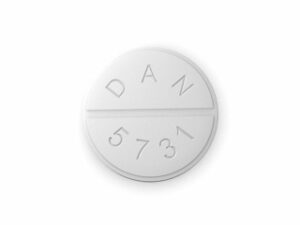
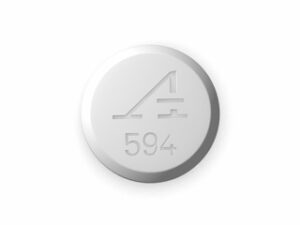
| Typical form | Tablets (strengths vary by product/market) |
| How it helps | Reduces muscle spasm and associated pain |
| Common duration of use | Usually short-term, alongside rest and physiotherapy/exercise advice |
What Is a Muscle Spasm?
A muscle spasm is an involuntary tightening or “cramping” of muscle tissue. It can occur after injury, strain, or overuse and may lead to pain, stiffness, and reduced movement. Flexeril is used to help ease these symptoms while the underlying issue heals.
How Flexeril Works (Mechanism of Action)
Cyclobenzaprine works mainly within the central nervous system. While it is classified as a muscle relaxant, its effect is not simply direct “muscle paralysis.” Instead, it helps to reduce abnormal muscle activity that contributes to spasm.
The exact pathways are complex, but cyclobenzaprine is believed to influence brainstem and spinal cord signalling involved in muscle tone and spasm. The result is typically:
- Less muscle tightness and spasm
- Reduced pain caused by spasm
- Improved comfort and easier movement
Pharmacokinetics (How the Body Handles It)
Pharmacokinetics describes how the body absorbs, distributes, metabolises, and eliminates a medicine. For cyclobenzaprine, these points are especially relevant for understanding dosing timing and side effects.
Absorption
Cyclobenzaprine is absorbed after oral administration. Food may slightly affect how quickly it appears in the bloodstream, but it generally does not stop absorption.
Distribution
It is widely distributed throughout the body and can cross into the central nervous system, which contributes to its muscle-relaxing effects—and also to potential side effects such as drowsiness.
Metabolism
Cyclobenzaprine is primarily metabolised in the liver. People with significant liver impairment may have a higher risk of side effects due to slower clearance.
Elimination
The medicine is eliminated via metabolic pathways. Its active effects may persist beyond the first few doses because of prolonged processing in the body. This is one reason why dosing schedules are typically conservative and short-term.
Half-life (Practical relevance)
Cyclobenzaprine has a relatively long functional presence in the body compared with many other muscle relaxants, which may increase the likelihood of next-day drowsiness.
Typical Use in the UK
Flexeril is used for the relief of painful muscle spasms associated with conditions such as:
- Acute muscle spasm (e.g., after strain or minor injury)
- Back or neck pain where spasm is a prominent feature
- Short-term support while other measures (rest, physiotherapy, gentle movement) take effect
It is generally intended for short-term use as part of a broader plan, rather than as a long-term solution.
When to Take Flexeril (Timing and Routine)
Flexeril is usually taken by mouth according to the dosing instructions provided by a healthcare professional or the product instructions supplied with your medicine.
- Consistency matters: taking doses at similar times each day can help maintain steady effects.
- Drowsiness is common: many people find it helpful to take doses when they can rest.
- Avoid driving if affected: do not drive or operate machinery if you feel sleepy, dizzy, or slow.
How soon might it work?
Some improvement may be noticed within the first day or two, although muscle pain related to spasms can take longer to fully settle. If symptoms do not improve or worsen, seek medical advice.
Food Interactions
Cyclobenzaprine can be taken with or without food in most cases. Food may slightly alter absorption rate, but this generally does not require special timing.
Practical approach
- If the medicine upsets your stomach, taking it with food may help.
- If you take it on an empty stomach and feel nauseated, consider taking with a meal or snack.
Always follow the exact instructions given with your specific Flexeril product.
Alcohol and Medicine Interactions
Alcohol
Avoid or minimise alcohol while taking Flexeril. Alcohol can increase the risk of:
- Drowsiness and delayed reaction time
- Dizziness and imbalance
- Greater impairment of judgement and coordination
Other medicines
Cyclobenzaprine can interact with medicines that affect the brain, the nervous system, or heart rhythm. Tell your pharmacist or healthcare professional about all medicines you use, including:
- Medicines for depression, anxiety, or other mental health conditions
- Some pain medicines, sleeping tablets, or sedatives
- Medicines used for migraines (e.g., triptans)
- Antihistamines that cause drowsiness (e.g., some allergy medicines)
- Medicines that affect heart rhythm or blood pressure
- Other muscle relaxants
In particular, cyclobenzaprine may have safety concerns when used with certain antidepressants (including some selective serotonin reuptake inhibitors, serotonin-norepinephrine reuptake inhibitors, tricyclic antidepressants, and monoamine oxidase inhibitors). Concomitant use may increase the risk of serious side effects.
If you are unsure whether a medicine is likely to interact, ask a pharmacist before combining treatments.
Indications (What Flexeril Is Used For)
Flexeril is indicated for the relief of discomfort associated with acute painful musculoskeletal conditions where muscle spasm is present. It is intended to complement other care such as:
- Rest and gradual return to normal activity
- Physiotherapy or stretching exercises, where appropriate
- Other pain-relief strategies recommended for your condition
It is not typically used for long-term management of chronic muscle pain unless advised by a healthcare professional.
Dosing: How Much and How Often
Dosing depends on individual factors such as age, liver function, other medicines, and symptom severity. Always use the dosing regimen provided by your healthcare professional and follow the label instructions carefully.
Typical adult dosing (general guidance)
In many settings, adults are started on a conservative schedule, sometimes up to a few doses spread across the day, for a short period. Because product strengths and local prescribing practices can vary, your exact dose should come from your prescribed instructions or the medicine pack.
Missed dose
- If you miss a dose, take it as soon as you remember unless it is close to the next dose.
- Do not take a double dose to make up for the missed dose.
Stopping Flexeril
Cyclobenzaprine is usually used for short periods. If your treatment plan changes or symptoms improve, you may be advised to stop. Follow professional guidance for discontinuation.
Special populations (important)
- Elderly: Older adults may be more sensitive to drowsiness and dizziness; extra caution is required.
- Liver impairment: Cyclobenzaprine may accumulate; dose adjustment or avoidance may be considered.
- Other health conditions: Tell your healthcare professional about glaucoma, urinary problems, or heart rhythm issues.
Safety Profile: Side Effects and Warnings
Like all medicines, Flexeril can cause side effects. Not everyone will experience them. Many side effects are related to the medicine’s effects on the nervous system.
Common side effects
- Drowsiness or sleepiness
- Dizziness
- Dry mouth
- Headache
- Nausea
- Constipation
- Blurred vision
Less common but serious risks
Contact a healthcare professional urgently if you experience:
- Signs of an allergic reaction (e.g., swelling of the face/lips, rash, breathing difficulty)
- Irregular heartbeat, fainting, or severe palpitations
- Severe confusion or agitation
- High fever, sweating, stiffness, or unusual muscle symptoms (seek urgent advice)
- Uncontrolled tremor or severe dizziness
Driving and operating machinery
Flexeril may impair mental and physical abilities. Avoid driving and operating machinery if you feel drowsy, dizzy, or otherwise not fully alert.
Risk factors to discuss with your pharmacist/doctor
- History of heart rhythm problems
- Use of other sedating medicines
- Use of antidepressants or serotonin-affecting medicines
- Liver impairment
- Age-related frailty or high fall risk
Practical Use Tips (Making Treatment Easier)
- Plan for tiredness: many people feel sleepy, especially when starting or increasing a dose. Arrange a quiet day or avoid tasks that require concentration.
- Stand up slowly: dizziness can occur—rising gradually can reduce light-headedness.
- Hydrate: dry mouth is common; sip water regularly.
- Gentle movement: follow professional advice. Light mobility and physiotherapy often complement muscle relaxation.
- Heat or cold: some people find heat packs or gentle stretching helpful for spasm-related pain. If you’re unsure, ask a healthcare professional.
- Use as directed: longer or higher doses than recommended can increase the chance of side effects.
Alternative Options
If Flexeril is not suitable or doesn’t help enough, healthcare professionals may consider other approaches depending on the cause and severity of your muscle pain and spasm.
Non-medicine options
- Physiotherapy assessment and guided exercises
- Heat therapy or cold packs
- Gentle stretching and activity modification
- Pain management strategies such as posture support and ergonomics
Medicine options (examples)
Options vary by individual needs and safety profile. A clinician may consider:
- Paracetamol for pain relief
- Anti-inflammatory pain relief (if appropriate for you) such as certain NSAIDs
- Other muscle relaxants, where suitable
The best choice depends on your medical history, current medications, and the pattern of your symptoms.
UK Market and Legal/Clinical Context
In the United Kingdom, access to medicines depends on their classification and your circumstances. Availability and prescribing arrangements can vary, and local regulations may affect how medicines are supplied through pharmacies and online services.
For cyclobenzaprine, rules are designed to support safe use and appropriate patient selection—particularly because of interactions with other medicines and the risk of sedation and other adverse effects.
Recent guidance (general principles)
UK clinical practice for acute low back pain and musculoskeletal spasm commonly emphasises:
- Early advice to stay active within limits
- Reassurance and monitoring for red flags
- Use of pain relief strategies tailored to risk factors
- Short courses of medicines where needed, alongside non-drug measures
If your symptoms persist, worsen, or include concerning features (such as weakness, numbness, or bowel/bladder changes), you should seek urgent medical assessment.
Delivery and Availability
Availability of Flexeril/cyclobenzaprine products can vary by strength, pack size, and supplier. When ordering from an online pharmacy in the UK, you may be asked to complete a short set of safety checks before dispatch, depending on how the medicine is supplied.
What to expect from delivery
- Processing time: some orders may require verification before dispatch.
- Shipping: delivery is typically made to the address you provide during checkout.
- Packaging: medicine packs are normally shipped in secure packaging to protect contents.
For exact delivery timeframes and stock status, refer to the specific product page and checkout options.
FAQ: Flexeril (Cyclobenzaprine)
1) Is Flexeril safe for everyone?
No. Flexeril may not be suitable if you have certain heart conditions, liver impairment, a history of sensitivity to similar medicines, or if you take interacting drugs. Always disclose your full medicine list to your pharmacist or healthcare professional.
2) How long should I take Flexeril?
It is commonly used for short periods for acute painful muscle spasm. Follow your healthcare professional’s advice and avoid extending use without review.
3) Will Flexeril make me sleepy?
Drowsiness is one of the most common effects. Many people feel sleepier—especially at the start of treatment—so driving and machinery use should be avoided until you know how it affects you.
4) Can I take Flexeril with food?
Usually yes. If it upsets your stomach, taking it with food can help. Always follow the instructions provided with your medicine.
5) Can I drink alcohol while taking Flexeril?
It’s strongly advised to avoid or minimise alcohol because it can increase drowsiness, dizziness, and impairment.
6) What should I do if I miss a dose?
Take it when you remember unless it is near the time of your next dose. Do not take a double dose.
7) What interactions should I watch for?
Be especially cautious with other sedating medicines, antidepressants, and drugs that affect heart rhythm. Provide a full medication list to your pharmacist to help confirm compatibility.
8) When should I seek urgent help?
Seek urgent medical advice if you have symptoms such as fainting, severe palpitations, signs of an allergic reaction, marked confusion, or severe muscle stiffness/fever. If you’re worried, it’s better to get help promptly.
9) Is Flexeril suitable for long-term back pain?
Flexeril is typically used short-term for acute spasm-related pain. Persistent back pain should be reassessed to identify the underlying cause and the most appropriate long-term management plan.
10) What can I do alongside Flexeril to improve recovery?
Gentle movement, physiotherapy/exercises if recommended, and staying active within comfortable limits often help recovery. If symptoms are severe or not improving, consult a healthcare professional.
Important Notes
This information is intended to help you understand Flexeril and how it is commonly used. It does not replace medical advice. If you experience side effects or have concerns about interactions, consult a healthcare professional promptly.