

Geodon (Ziprasidone) – Patient Information (UK)
Geodon is the brand name for ziprasidone, an antipsychotic medicine used to treat certain mental health conditions. This page explains how Geodon works, how it is taken, what to expect, and the key safety points for adults in the United Kingdom.
Always follow the advice given by your healthcare professional and read the patient information leaflet supplied with your medicine.
Quick overview
| Feature | What to know |
|---|---|
| Medicine name | Geodon (ziprasidone) |
| Medicine type | Atypical (second-generation) antipsychotic |
| Common uses | Schizophrenia; bipolar disorder (including manic or mixed episodes) in appropriate patients |
| How it’s taken | Usually by mouth, with food as directed |
| Important interaction | Take with food; avoid alcohol; check medicines that affect heart rhythm (QT) |
| Time to benefit | Some improvement may be noticed early, but full effect may take weeks |
Basic product information
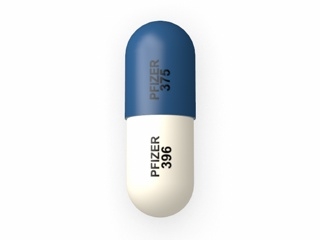
Geodon (ziprasidone) is available in oral capsules (and depending on local availability, other formulations may exist). The exact strength and presentation can vary by market and product pack.
What it’s used for depends on the condition being treated and the patient’s medical history. Ziprasidone works in the brain to help reduce symptoms such as hallucinations, delusions, disordered thinking, severe agitation, and mood instability.
How Geodon works (mechanism of action)
Ziprasidone is an atypical antipsychotic. It acts on several brain receptors involved in mood, thinking, and behaviour. The medicine helps to:
- Block dopamine (D2) receptors, which is important in reducing psychotic symptoms.
- Block serotonin (5-HT2A) receptors, which can influence mood and other schizophrenia/bipolar symptoms.
- Modulate serotonin and other receptor activity that may contribute to its overall clinical effects.
Because it works by affecting neurotransmitter pathways, it may help stabilise symptoms over time.
Pharmacokinetics (how the body handles the medicine)
Pharmacokinetics describes how the body absorbs, distributes, metabolises, and removes a medicine.
- Absorption: Ziprasidone absorption is improved when taken with food (this is clinically important for reaching effective blood levels).
- Peak levels: After taking a dose, blood concentrations rise and typically reach their highest point within a few hours (timing can vary by formulation and individual factors).
- Distribution: Ziprasidone distributes throughout the body and crosses into tissues; it binds to plasma proteins.
- Metabolism: It is metabolised primarily in the liver.
- Elimination: The medicine and its metabolites are removed mainly through the body’s natural processes (including renal and faecal routes). The effective duration of action depends on absorption and clearance in the individual.
Practical takeaway: consistent dosing and taking with food as directed can help ensure predictable effects.
Typical use in the UK
Geodon (ziprasidone) is typically used for:
- Schizophrenia in adults (and in some cases, other age groups depending on local guidance and product licence details).
- Bipolar disorder (for example, manic or mixed episodes) in appropriate patients.
Your clinician may choose ziprasidone based on factors such as symptom profile, previous response to antipsychotics, tolerability, co-existing conditions, and interaction risks (especially those affecting heart rhythm).
Indications (when it may be prescribed)
In the UK, ziprasidone is indicated for specific conditions as described in the licensed prescribing information. In general terms, it is used for:
- Schizophrenia (to help manage symptoms and support maintenance in suitable patients).
- Bipolar disorder (to help manage acute episodes such as mania or mixed states, where appropriate).
Note: Indications and licensed age ranges can vary. Always confirm the intended use with your healthcare professional based on your individual situation.
How to take Geodon: timing and dose schedule
The exact dose depends on your diagnosis, age, other medicines, and how you respond. It’s important to follow your personal dosing instructions exactly.
General timing guidance
- Ziprasidone doses are usually taken twice daily for many patients (for example, morning and evening), though your regimen may differ.
- Take with food: this is a key instruction for achieving adequate absorption.
- Try to take your doses at roughly the same times each day.
Dosing (overview)
Typical starting and adjustment schedules are determined by clinicians and should follow the licensed prescribing information. In many treatment plans:
- Doses may be started low and titrated gradually.
- Adjustments are based on symptoms and side effects.
- Your doctor may perform or request blood tests or monitoring (for example, metabolic parameters and cardiovascular risk checks) depending on your needs.
Important: If you’re unsure about your dose timing, check with your pharmacist or prescriber. Do not change the dose or stop suddenly without medical advice.
If you miss a dose
- Take the missed dose when you remember if it’s close to the next scheduled time and you can take it with food.
- If it’s almost time for the next dose, skip the missed dose and continue as normal.
- Do not take a double dose to make up for a missed one.
Food interactions (very important)
Ziprasidone is one of the antipsychotics where food affects absorption significantly.
- Take Geodon with food (as advised by your healthcare professional).
- Taking it without food may reduce absorption and may lead to reduced effectiveness.
- For best consistency, take it with similar types of meals and at similar meal times each day.
If you have feeding or appetite changes (for example, due to illness, nausea, or dietary restrictions), speak to your pharmacist or prescriber. They can advise how to maintain reliable dosing.
Alcohol and medicine interactions
Alcohol
Combining Geodon with alcohol is generally not recommended.
- Alcohol may increase side effects such as drowsiness or dizziness.
- It may worsen mood and sleep, which can interfere with treatment goals.
Other medicines (interaction highlights)
Ziprasidone can interact with other medications, including medicines that affect heart rhythm (QT interval), and medicines that influence liver metabolism.
Be especially cautious (and tell your prescriber or pharmacist if you use):
- Medicines that prolong QT (some antiarrhythmics, certain antibiotics, some antifungals, and some antidepressants/antipsychotics—your pharmacist can check your specific list).
- Strong inhibitors or inducers of liver enzymes that metabolise ziprasidone (your pharmacist can assess based on your medicines).
- Other medicines that affect the brain (for example, sedatives, opioid pain medicines, or other antipsychotics) due to additive drowsiness.
Non-prescription products: even “over-the-counter” or herbal remedies (including some supplements) can interact. Always share your full list with your healthcare professional.
Safety profile: common and serious side effects
Common side effects
People taking ziprasidone may experience side effects. Not everyone will get them, and severity can vary.
- Drowsiness or fatigue
- Dizziness
- Nausea
- Headache
- Restlessness (akathisia) in some people
- Extrapyramidal symptoms (movement-related side effects), such as tremor or stiffness, though this varies among individuals
Weight and metabolic effects
Like many antipsychotics, ziprasidone can affect metabolic health in some patients. Clinicians may monitor:
- Weight
- Blood sugar (glucose/diabetes risk)
- Lipids (cholesterol and triglycerides)
Heart rhythm (QT) and other cardiovascular risks
Ziprasidone has a known potential to affect heart rhythm, in particular QT interval prolongation. The risk is higher in people who:
- Have existing heart rhythm problems
- Have low levels of potassium or magnesium
- Take other medicines that prolong QT
- Have significant dehydration or other medical stressors
Clinicians may consider an ECG (heart tracing) and review your electrolyte status and interacting medicines, especially at initiation or dose changes.
Seek urgent medical advice
Contact emergency services or seek urgent care if you experience:
- Fainting, severe dizziness, or a very fast/irregular heartbeat
- Severe allergic symptoms (swelling of face/lips, difficulty breathing)
- Signs of neuroleptic malignant syndrome (high fever, severe muscle stiffness, confusion)
- Uncontrolled movements or sudden worsening of severe restlessness
Practical use tips for patients
- Take with food consistently: set a routine around meals.
- Check your full medicine list: include prescription, over-the-counter, and supplements.
- Be cautious with driving or operating machinery if you feel drowsy or dizzy—especially when starting or adjusting dose.
- Stay hydrated: dehydration can affect blood pressure and, in some cases, electrolyte balance.
- Keep follow-up appointments: they help your clinician track symptom changes and side effects.
- Report early: if you notice troublesome restlessness, tremor, severe sleepiness, or heart-related symptoms, contact your healthcare professional promptly.
- Don’t stop suddenly: stopping antipsychotics abruptly can lead to symptom recurrence or withdrawal-like effects; follow medical advice for any changes.
If you miss meals frequently, have nausea, or struggle with regular eating, discuss with your clinician—dose timing may need to be tailored to help you take the medicine reliably with food.
How long until it helps? (timing of effects)
Many antipsychotics start working within days for some people, but meaningful improvement often takes longer.
- Early signs may appear in the first 1–2 weeks (varies by person and condition).
- Full benefit can take several weeks.
- Changes in mood, agitation, or disruptive thinking may progress gradually as the dose stabilises.
If symptoms worsen or new concerning side effects occur, speak to your prescriber rather than waiting.
Alternative treatment options
Depending on your diagnosis, previous response, and individual risk factors, clinicians may consider other options. These can include:
- Other antipsychotics (for example, risperidone, olanzapine, quetiapine, aripiprazole, amisulpride—choice depends on symptom targets and side-effect risks).
- Adjunctive treatments for bipolar disorder (such as mood stabilisers) where appropriate.
- Psychosocial supports alongside medication, such as talking therapies, structured support, and relapse prevention planning.
Antipsychotic choice is individual. If Geodon does not suit you, your clinician can discuss switching strategies and monitoring to help reduce discomfort during transitions.
UK market and legal context (what to expect)
In the United Kingdom, antipsychotic medicines such as ziprasidone are regulated under the medicines framework and typically form part of evidence-based mental health care.
- Prescribing and supply practices follow UK medicines regulations.
- Ongoing safety monitoring is standard practice for antipsychotics, particularly for metabolic and cardiovascular risks.
- Guideline-informed care includes assessment of symptoms, risks, and preferences, with periodic review of whether treatment remains appropriate.
Availability can vary between pharmacies and suppliers. When products are in limited supply, your pharmacy may offer an alternative brand/strength if clinically suitable or advise on ordering options.
Recent guidance and monitoring (general expectations)
Within the UK, mental health guidelines and safety monitoring frameworks commonly emphasise:
- Regular review of symptoms and side effects.
- Metabolic monitoring (weight, glucose, lipids) where clinically relevant.
- Cardiovascular risk awareness, including ECG considerations when risk factors exist or when starting medicines with QT concerns.
- Shared decision-making—your preferences matter, including how you feel about side effects and lifestyle impacts.
Your healthcare professional may tailor monitoring frequency based on your medical history and risk profile.
Delivery and availability (UK online pharmacy)
Online pharmacies aim to provide convenient access to medicines. Availability of Geodon (ziprasidone) can depend on:
- Pack size and strength
- Local stock levels
- Supplier lead times
Delivery typically follows standard UK postal or courier timelines, and you may receive tracking updates. Always ensure:
- You provide correct delivery details.
- You can receive the parcel during delivery windows (if required).
- You store the medicine as instructed on the packaging (commonly at controlled room temperature, away from moisture and direct heat).
Cold-chain: Geodon is generally not a cold-chain medicine, but follow the specific storage instructions in your pack.
Storage and handling
- Store at room temperature unless your pack specifies otherwise.
- Keep in the original packaging to protect from moisture and light where advised.
- Keep out of the sight and reach of children.
- Do not use after the expiry date on the pack.
FAQ
1) What is Geodon used for?
Geodon (ziprasidone) is used for conditions such as schizophrenia and bipolar disorder in appropriate patients. Your prescriber will confirm the specific indication for you.
2) Do I need to take Geodon with food?
Yes. Ziprasidone absorption is affected by food, and it is generally recommended to take it with food as directed. Taking it without food may reduce effectiveness.
3) How quickly will I feel better?
Some changes may be noticed within days, but meaningful improvement often takes several weeks. Consistent dosing helps.
4) Can I drink alcohol while taking Geodon?
It’s generally best to avoid alcohol. Alcohol can increase side effects like drowsiness and may worsen mood and sleep.
5) What medicines should I avoid?
Check with your pharmacist about medicines that affect heart rhythm (QT interval) and medicines that interact with ziprasidone metabolism. Always share your full medication list.
6) Are there any heart-related warnings?
Ziprasidone may affect QT interval. Risk is higher with certain heart conditions, electrolyte imbalances, and interacting medicines. Your clinician may consider ECG monitoring in higher-risk situations.
7) What side effects are most common?
Common side effects can include drowsiness, dizziness, nausea, headache, and movement-related effects in some individuals. Report bothersome or severe symptoms promptly.
8) What if I miss a dose?
Take it when you remember if it’s close to the next dose time and you can take it with food. Otherwise skip it and continue. Do not take a double dose.
9) Can I stop Geodon suddenly?
Do not stop suddenly without medical advice. Stopping can lead to return or worsening of symptoms. If a change is needed, your clinician will advise a safe plan.
10) Is Geodon suitable for everyone?
No. Suitability depends on your diagnosis, age, medical history, current medications, and risk factors—especially heart and electrolyte concerns. A clinician will assess these before starting treatment.
Need more help? If you have questions about how to take Geodon with food, possible drug interactions, or what monitoring you may need, speak to your pharmacist or healthcare professional.