Miconazole: Patient-Friendly Guide (UK)
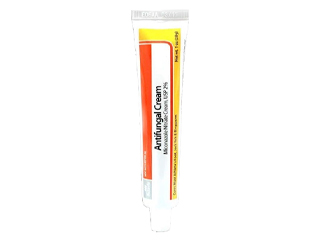
Miconazole is an antifungal medicine used to treat a range of fungal infections of the skin, mouth, and vagina. It works by stopping the growth of the fungus causing the infection, allowing the body’s normal defences to clear it. Miconazole is available in several forms (such as cream, spray, powder, pessaries, and gel), so the right choice depends on the body area and the type of infection.
This guide explains what miconazole does, how it works, how to use it safely, and what to expect during treatment. It is written for people in the United Kingdom and includes general information about availability, practical use, and common questions.
Key Product Information
| Topic | What to know |
|---|---|
| Generic name | Miconazole |
| What it treats | Fungal infections (dermatophytes, yeasts such as Candida, and other susceptible fungi) |
| Common forms in the UK | Skin cream/spray/powder; oral gel for mouth; vaginal pessaries/cream (where appropriate) |
| How it is used | Applied to affected skin/mucosa or taken as a vaginal preparation depending on the product |
| Typical treatment time | Varies by infection site and product; many skin infections improve within 1–2 weeks |
| Availability in the UK | Many miconazole products are available to buy from pharmacies; some require a pharmacist’s advice depending on formulation and strength |
How Miconazole Works (Mechanism of Action)
Miconazole is an antifungal agent in the imidazole group. It targets key steps the fungus needs to survive and reproduce.
- It interferes with fungal cell membrane production by affecting the synthesis of ergosterol, a substance essential for fungal cell structure.
- As a result, the fungal cells become damaged and unable to grow, leading to clearance of the infection.
Important: Miconazole is designed to treat fungi. If your symptoms are caused by a different condition (for example, eczema, psoriasis, bacterial infection, or an allergy), an antifungal may not be enough.
Pharmacokinetics (How the Body Handles It)
Pharmacokinetics describes what the body does with a medicine (absorption, distribution, metabolism, and elimination). The exact pattern depends on the formulation and where it is applied.
- Skin use: Miconazole is mainly used locally. Only a small amount may be absorbed through intact skin.
- Mouth use (oral gel): It acts locally in the oral tissues. Systemic absorption is generally limited.
- Vaginal use: Preparations such as pessaries/creams are used locally. Systemic exposure is usually low, but absorption can vary between individuals.
In most cases, miconazole is cleared from the body mainly via metabolism by the liver and elimination of metabolites via the kidneys and bile. Because absorption is usually limited with local products, side effects related to whole-body exposure are less common.
Typical Uses and Indications (What It’s For)
Depending on the product you choose, miconazole may be used for:
- Skin fungal infections such as athlete’s foot (tinea pedis), ringworm (tinea corporis), and jock itch (tinea cruris).
- Cutaneous candidiasis (yeast infections) in skin folds or areas where yeast commonly grows.
- Oral thrush (oral candidiasis), particularly in those with mouth symptoms consistent with thrush (for example, white patches that may wipe off).
- Vaginal thrush (vulvovaginal candidiasis) for products indicated for this use.
When to seek advice: If you’re unsure whether your symptoms are fungal, if symptoms are severe, or if you’ve had recurrent infections, it’s wise to speak to a healthcare professional or pharmacist.
Dosing and How to Use It Safely (General Guidance)
Dosing varies by formulation and brand. Always follow the instructions on the specific product label or patient leaflet. The sections below provide general guidance about typical approaches.
1) Miconazole for the skin (cream/spray/powder)
- Apply a thin layer to the affected area and a small margin of surrounding skin.
- Frequency: many regimens are once or twice daily, depending on the strength and product instructions.
- Continue treatment: keep using for the full course even if symptoms improve early.
2) Miconazole oral gel (for thrush)
- Use directly in the mouth as directed for your product.
- It is often recommended to apply carefully to affected areas.
- Practice good oral hygiene and follow any age-specific instructions on the label.
3) Miconazole vaginal products (for thrush)
- Use the vaginal preparation as directed for the dose form (pessary/cream) and duration.
- Follow any advice about inserting, wearing, and timing relative to bedtime.
Timing: When to Apply and How Long It Takes to Work
Fungal infections can take time to clear. Symptoms often start to improve before the fungus is fully gone.
- Skin infections: itching and redness may improve within 7–14 days, but a complete course can last longer (commonly 2–4 weeks depending on severity and site).
- Oral thrush: improvement may be seen over several days, but the course should be completed as advised.
- Vaginal thrush: symptoms such as itching and discomfort may ease within days, with treatment continuing for the full recommended period.
Practical tip: If your product says to apply at specific intervals (e.g., morning and evening), try to keep the routine consistent for the duration of treatment.
Food Interactions (and What to Expect)
For skin miconazole, food interactions are not usually relevant because absorption is limited and the medicine works locally.
For oral miconazole gel, certain foods and drinks may affect comfort and adherence to the gel, but direct “food interactions” in the same way as some tablets are not usually the main concern.
- Avoid very hot foods and drinks if they make symptoms worse.
- If the gel affects taste or causes mild irritation, follow the product instructions on whether to eat or drink immediately after applying.
General advice: If your mouth is sore, choosing soft, cool foods can be easier while treatment works.
Alcohol and Medicine Interactions
With miconazole used locally (skin, mouth gel, vaginal preparations), alcohol is not typically expected to cause a direct interaction.
However, miconazole may be part of a broader treatment plan in some cases, and your risk can change depending on your other medicines and your health status.
- Avoid unnecessary alcohol if you have oral thrush with mouth soreness, as it can irritate tissues.
- If you’re taking other medicines, check the label and ask a pharmacist if you’re unsure.
Note: Some antifungals can interact with other medicines, but the risk depends on formulation and degree of absorption. This is one reason it’s helpful to check the leaflet of your specific product.
Safety Profile and Side Effects
Most people tolerate miconazole well when used as directed. Side effects are usually local and mild.
Common/possible local effects
- Skin irritation, redness, or burning where applied
- Itching or mild stinging
- Dryness or irritation of surrounding skin
- For oral use: mild mouth irritation or taste changes
- For vaginal use: local irritation or discomfort
Seek prompt advice if
- You develop signs of allergic reaction (for example, swelling, rash spreading quickly, wheezing, severe itching)
- Symptoms worsen rapidly or do not improve after the recommended time
- You have severe pain, fever, or spreading redness
- You are pregnant, breastfeeding, very young, or have significant medical conditions and are unsure which product is appropriate
Using on damaged skin
Avoid applying to large areas of broken or very inflamed skin unless the product instructions advise it, as this can increase irritation and absorption.
Practical Use Tips (How to Get the Best Results)
Correct use can make a big difference. The following practical tips are designed to improve success rates and reduce recurrence.
For skin infections
- Clean and dry the area before applying (especially in skin folds).
- Wash hands before and after application unless the medicine is for the hands themselves.
- Apply to both the visible rash and a small surrounding area.
- Wear breathable clothing and keep the area dry (for athlete’s foot, change socks regularly).
- Don’t share towels or clothing with others.
- After treatment, continue good hygiene to reduce the chance of recurrence.
For thrush in the mouth
- Keep dentures and mouth appliances clean if relevant.
- Use the gel exactly as instructed and avoid eating immediately if the leaflet advises waiting.
- If symptoms persist, consider reviewing risk factors such as inhaled corticosteroids and oral hygiene.
For vaginal thrush
- Follow instructions on timing (many people prefer using at bedtime).
- Use during the full recommended course even if symptoms improve.
- Consider avoiding irritants (scented soaps, fragranced products) while symptoms settle.
- If you have partners with symptoms, or if symptoms recur frequently, ask a pharmacist or clinician for tailored advice.
When Not to Rely on Miconazole Alone
Miconazole is helpful for fungal infections, but some conditions can look similar.
- Non-fungal rashes (such as eczema) may worsen if the wrong treatment is used.
- Bacterial skin infections often require different treatment.
- If there is pus, marked swelling, heat, spreading redness, or severe pain, seek medical advice urgently.
- If you have recurrent thrush or fungal skin infections, you may need a review of triggers (for example, diabetes, immune conditions, antibiotic use, or moisture/skin conditions).
Alternative Options for Fungal Infections
If miconazole isn’t suitable (for example, due to intolerance, product availability, or the required formulation), other antifungals may be considered depending on the infection site.
Common alternatives (examples)
- Clotrimazole (imidazole class; available as creams/gels/pessaries in some places)
- Terbinafine (often used for athlete’s foot and some skin ringworm types; formulations vary)
- Fluconazole (oral medicine used in some settings; typically requires clinician/pharmacist guidance depending on UK product access)
- Nystatin (sometimes used for oral candidiasis and other yeast infections, depending on availability)
Choosing the right option: The best medicine depends on the type of fungus, the area affected, the severity, and any personal factors (age, pregnancy/breastfeeding, other conditions, and other medicines).
UK Market and Legal/Regulatory Context (General)
In the United Kingdom, medicines are regulated under the UK medicines framework and are supplied through pharmacies and other authorised channels. Availability depends on product classification and formulation.
- Some miconazole products are available without prescription through pharmacies, based on their indicated use and strength.
- Other products may be supplied with additional pharmacist guidance depending on risk and the specific formulation.
- Packaging, patient information leaflets, and product instructions are designed to help you use the medicine safely.
Important: Always check the specific product you plan to buy, because dosing and instructions differ by form and strength.
Recent Guidance and Practical Recommendations
While guidance can evolve, common practical recommendations for antifungal treatment remain consistent in the UK:
- Confirm the likelihood of fungal infection before treating, especially for recurrent symptoms.
- Complete the full course even when symptoms improve.
- Address contributing factors (e.g., keeping skin dry, managing diabetes if applicable, reviewing recent antibiotic use, and ensuring dentures are clean in oral thrush).
- Seek medical advice if symptoms persist, spread, or recur quickly after treatment.
If you are treating a sensitive area (such as the vagina or mouth) or symptoms are severe or recurring, it can be helpful to speak to a pharmacist for advice on the most appropriate formulation and duration.
Delivery and Availability (UK)
Online pharmacies commonly stock a range of miconazole products, and availability can vary by formulation (cream, spray, powder, oral gel, vaginal preparations). Delivery times depend on the courier service, stock status, and your location in the UK.
- Availability: In-store and online stock can change; some products may be more common than others.
- Delivery: Many UK online pharmacies offer tracked delivery. Dispatch may occur the same day or the next working day depending on cut-off times and availability.
- Cold chain: Most miconazole topical products do not require special temperature handling, but you should store them as stated on the label (often at room temperature).
Tip: If you have specific needs (for example, oral thrush vs vaginal thrush), ensure you select the correct formulation before ordering.
Storage and Disposal
- Store miconazole according to the product label (commonly at room temperature and away from direct sunlight).
- Keep medicines out of the sight and reach of children.
- Check the expiry date on the packaging. Do not use beyond the expiry date.
- Do not dispose via household waste unless instructed by the product guidance; follow local pharmacy take-back or disposal advice where available.
FAQ: Common Questions About Miconazole
1) How quickly should I feel better?
Many people notice improvement in itching and discomfort within a few days for some infections. However, skin fungal infections often need 1–2 weeks (or longer) to fully clear, depending on the site and severity. Continue the treatment for the full course.
2) Can I use miconazole if the rash is in a skin fold or groin area?
Yes—many miconazole products are intended for fungal infections in those areas. The key is using the correct formulation and applying it carefully to the affected area as instructed. If the skin is very broken or very irritated, consider pharmacist advice.
3) What if my symptoms don’t improve after using it?
If you don’t see improvement after the recommended treatment period, or if symptoms worsen, stop and seek advice from a pharmacist or healthcare professional. The cause may not be fungal, or the diagnosis may need review.
4) Is it safe to stop early once I feel better?
It’s best not to stop early. Stopping too soon can allow the fungus to remain and symptoms to return. Follow the full course stated on your product instructions.
5) Can I use miconazole alongside other creams or moisturisers?
You can often apply moisturisers to non-affected areas, but avoid layering multiple antifungals or strong products on the same area unless the leaflet or a pharmacist advises it. For sensitive skin, spacing applications may help reduce irritation.
6) Does miconazole affect pregnancy or breastfeeding?
If you are pregnant or breastfeeding, check the specific product leaflet and speak with a pharmacist for personalised advice. Safety information can vary by formulation and how much is absorbed.
7) Is miconazole safe for children?
Many products have age guidance. Use only as directed for the child’s age and the product’s indications, and seek pharmacist advice if you are unsure.
8) Can I drink alcohol while using miconazole?
With most locally acting miconazole products, alcohol is not usually expected to cause a direct interaction. Still, alcohol may irritate the mouth if you’re using oral gel for thrush or may worsen discomfort.
9) Will miconazole treat all types of fungal infections?
Miconazole treats a range of fungi, but not every condition. Correct diagnosis and the right formulation matter. If symptoms keep returning, a review may be needed to identify the trigger and confirm the diagnosis.
10) What are good prevention steps after treatment?
- Keep affected areas dry and change socks/underwear regularly.
- Avoid sharing towels or clothing.
- Clean footwear and consider breathable materials.
- For oral thrush, maintain oral hygiene and clean dentures properly.
Summary
Miconazole is a trusted antifungal medicine used to treat fungal infections such as athlete’s foot, ringworm, oral thrush, and vaginal thrush (depending on the specific product). It works by disrupting fungal cell membrane formation, leading to the fungus being unable to grow. Results typically improve within days, but completing the full course is important to prevent recurrence.
If symptoms are severe, persist, or keep coming back, it’s best to seek advice from a pharmacist or healthcare professional to confirm the cause and choose the most suitable treatment.