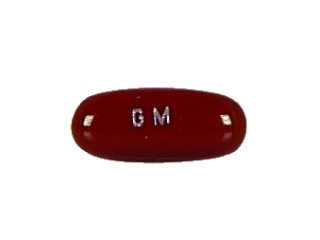


Lamprene (Clofazimine) – Patient Information (UK)
Lamprene contains clofazimine, a medicine used for certain chronic bacterial infections. This guide is written to help you understand how clofazimine works, how it is usually taken, what to expect, and when to seek medical advice. It is intended as general information for patients in the United Kingdom.
1. Basic product information
| Feature | Details |
|---|---|
| Medicine name | Lamprene |
| Active ingredient | Clofazimine |
| How it is taken | Oral (by mouth) – tablets |
| Typical use | For certain mycobacterial infections (commonly leprosy/leprosy reactions, depending on regimen) |
| Availability | May be supplied through specialist channels depending on stock and treatment plan |
Clofazimine is also known under other brand names in some countries. In the UK, Lamprene is generally supplied via specialist prescribing and dispensing arrangements for appropriate indications.
2. How Lamprene works (mechanism of action)
Clofazimine is an anti-bacterial medicine belonging to the riminophenazine group. It works against certain organisms by:
- Interfering with cellular processes needed for the bacteria to survive.
- Generating reactive species and affecting energy production inside susceptible bacteria.
- Reducing inflammation associated with some disease reactions, which can help symptoms even when the infection is treated as part of a longer course.
In leprosy (Hansen’s disease) and related conditions, clofazimine is commonly used as part of a combination regimen to reduce the risk of treatment failure and resistance.
3. What to expect: pharmacokinetics (how the body handles it)
Pharmacokinetics describes how the medicine is absorbed, distributed, metabolised, and eliminated.
- Absorption: Clofazimine is absorbed slowly and may vary between individuals. Taking it regularly helps maintain consistent exposure.
- Distribution: It accumulates in many tissues, including skin. This contributes to well-known side effects such as skin colour changes.
- Metabolism: It is metabolised to a limited extent.
- Elimination: Clofazimine has a long half-life and remains in the body for a significant time after stopping. This means effects and side effects can persist for weeks or months.
Because it persists in the body, adherence to the planned course and careful monitoring are important.
4. Typical uses in the UK
Lamprene (clofazimine) is used for specific mycobacterial infections, most notably leprosy (Hansen’s disease) and certain complications or reaction states as directed by specialist guidance and treatment protocols.
Clofazimine is generally used as part of a combination regimen. Combination treatment reduces the risk of bacteria developing resistance.
Indications (general)
- Leprosy – as part of multi-drug therapy for treatment and/or management of reactional states, depending on the overall regimen.
- Other specialist-directed mycobacterial conditions – where clofazimine is considered appropriate based on culture, resistance patterns, and clinical judgement.
If you are unsure whether Lamprene is right for you, ask your clinician or pharmacist. Specialist centres often tailor treatment to the exact diagnosis and severity.
5. How to take Lamprene: timing and dosing basics
Dosing is determined by your diagnosis, severity, age, weight, other medicines, and how you respond to treatment. The information below provides typical dosing principles; your own regimen may differ.
Typical dosing approaches
Clofazimine regimens can involve different phases (e.g., initial higher dosing followed by a lower maintenance dose) depending on the condition and local protocol.
- Adults: Doses vary by indication and regimen phase (commonly once daily in many protocols, but dosing schedules may differ).
- Children: Dosing is usually weight-based and adjusted carefully.
- Renal impairment: Because elimination is not primarily through the kidneys, dose changes may be less pronounced, but clinical monitoring is still essential.
- Liver impairment: Close monitoring is recommended; your clinician will consider risks and benefits.
Important: Follow the dosing schedule you are given. Do not change the dose or stop early without medical advice, because clofazimine is used over prolonged periods and stopping can allow disease to return.
When to take it (timing)
- Once daily: Many regimens are taken once daily.
- Consistency: Take it at roughly the same time each day to help keep levels steady.
- Missed dose: If you miss a dose, take it when you remember on the same day. If it is nearly time for the next dose, skip the missed dose and continue your regular schedule. Do not take a double dose.
6. Food interactions and what you should know
Food can influence how some medicines are absorbed and tolerated. For clofazimine:
- General advice: You can usually take Lamprene with or without food. If it upsets your stomach, taking it with meals may help.
- Absorption variability: Taking it consistently in relation to meals can reduce day-to-day variation.
- Fat-containing meals: Some patients find that taking with food improves tolerability. Specific interaction effects are individual.
If you have digestive symptoms (e.g., abdominal pain, nausea), ask your pharmacist for practical guidance on timing with meals.
7. Alcohol and medicine interactions
Alcohol
There is no single rule that fits everyone, but alcohol may worsen side effects such as:
- stomach upset
- fatigue or dizziness
- liver strain (depending on your overall health and other medicines)
If you use alcohol, keep it moderate and discuss with your clinician—especially if you have liver disease, drink heavily, or notice symptoms such as jaundice (yellow eyes/skin), dark urine, or severe abdominal pain.
Interactions with other medicines
Clofazimine can interact with other medicines. Tell your healthcare professional about all medicines you take, including over-the-counter products and supplements.
Common interaction themes to discuss include:
- Medicines that affect the skin or immune system (because clofazimine can change skin appearance and influence inflammation).
- Medicines that can affect the heart rhythm (your clinician may check suitability depending on your overall regimen and risk factors).
- Medicines processed by the liver (your clinician may review liver function and potential interaction risks).
If you develop new symptoms after starting another medicine—such as worsening rash, severe diarrhoea, breathlessness, fainting, or palpitations—seek prompt advice.
8. Safety profile: key side effects and warnings
Like all medicines, Lamprene can cause side effects. Some are relatively common (but often manageable), while others require urgent medical review.
Common side effects
- Skin discolouration: Clofazimine commonly causes reddish-brown or brown staining of the skin.
- Dryness and itching: Dry skin or itch may occur.
- Changes to sweat or bodily fluids: Discolouration may affect tears, sweat, or other fluids.
- Digestive upset: Nausea, abdominal discomfort, or loss of appetite may occur.
Skin changes may persist even after treatment stops because clofazimine remains in the body for a long time.
Less common but important side effects
- Gastrointestinal problems: Severe stomach pain, persistent diarrhoea, or vomiting may indicate an adverse effect and should be reviewed urgently.
- Inflammation or bowel changes: Rarely, serious intestinal complications may occur—particularly if symptoms become severe or ongoing.
- Blood or liver effects: Clinicians may monitor blood counts and liver function depending on duration and your health status.
- Eye or visual symptoms: Report any persistent blurred vision or eye pain promptly.
Seek urgent medical help if you notice
- severe or worsening abdominal pain
- bloody diarrhoea or severe persistent diarrhoea
- yellowing of the skin/eyes, severe fatigue, dark urine (possible liver issues)
- chest pain, fainting, severe shortness of breath, or irregular heartbeat symptoms
- severe rash, facial swelling, or breathing difficulties
9. Practical use tips (UK-friendly)
Managing skin discolouration and dryness
- Expect gradual skin colour changes—especially in areas previously affected.
- Moisturise regularly with fragrance-free emollients if your skin becomes dry.
- Sun protection: Discoloured skin may be more noticeable in sunlight; use SPF and cover up where possible.
- Don’t panic if colour persists after stopping—because the medication leaves the body slowly, changes can take time to fade.
Reducing stomach side effects
- Try taking Lamprene with food if nausea or stomach discomfort occurs.
- Stay hydrated, and eat small, regular meals if appetite is affected.
- If diarrhoea occurs, monitor severity and duration and contact your healthcare team if it is persistent or severe.
Medication adherence for long treatment courses
- Use a daily reminder (phone alarm or pill organiser).
- Keep a record of any side effects so your clinician can adjust care appropriately.
- Don’t stop suddenly—ask about what to do if you miss doses or feel unwell.
10. Monitoring and follow-up
Your healthcare team may carry out monitoring depending on your condition and length of treatment. This can include:
- Clinical review of symptoms and treatment response.
- Blood tests (e.g., liver function and full blood count) if appropriate.
- Assessment of reactions in leprosy—your team may adjust supportive treatments for inflammation.
Attend follow-up appointments and report any new symptoms early.
11. Alternative options
Treatment choices depend heavily on the exact diagnosis, disease severity, culture results, and local guidelines. If Lamprene is not suitable (e.g., due to side effects, intolerance, or resistance), specialist teams may consider alternatives such as:
- Other anti-mycobacterial agents used in combination regimens for the relevant condition.
- Supportive treatments for inflammation/reaction states (for example, medicines to control immune reactions) alongside antimicrobial therapy.
- Adjustments to the regimen rather than stopping entirely—because clofazimine may be part of a multi-drug balance.
Only a healthcare professional can decide whether an alternative is appropriate for you. If you are struggling with side effects, contact your clinician—there may be ways to manage symptoms while continuing essential therapy.
12. UK market and legal context (availability and healthcare pathways)
In the United Kingdom, clofazimine (Lamprene) is used within specialist-led care pathways for conditions where it is indicated. Availability can vary depending on:
- current manufacturer supply
- stock levels held by wholesalers
- specialist treatment protocols
- the medication strength and pack size requested
Online pharmacy suppliers typically aim to process orders promptly and may require verification of eligibility and appropriateness for safe dispensing in line with UK regulations and medicines supply standards. Your pharmacist will provide guidance if anything needs clarification.
Recent guidance (high-level)
- Combination treatment remains standard for appropriate mycobacterial infections.
- Safety monitoring and patient counselling are emphasised to improve adherence and detect adverse effects early.
- Care is increasingly tailored to patient risk factors, reaction severity, and tolerance.
Guidance may evolve over time and differs by condition; your specialist team will follow the most current local and national recommendations.
13. Delivery and availability (how online orders may work in the UK)
Delivery options depend on the pharmacy provider’s operations and local regulations. In general, patients can expect:
- Order processing: Orders may be processed quickly, but specialist medicine orders sometimes require additional checks.
- Dispatch times: Dispatch may vary with stock availability.
- Delivery service: Most UK orders are delivered by a tracked courier.
- Packaging: Medicines are delivered in protective packaging to help prevent damage.
If a pack is temporarily out of stock, the pharmacy may offer alternatives such as a different pack size (where clinically appropriate) or an estimated restock date. Your pharmacist can confirm what is available at the time of order.
14. Frequently Asked Questions (FAQ)
How long does clofazimine stay in the body?
Clofazimine has a long-lasting effect in the body. It may take weeks to months for levels to fall after treatment stops. This is why skin discolouration can persist even after finishing therapy.
Why does Lamprene change skin colour?
Clofazimine commonly deposits in skin. It can cause reddish-brown or brown discolouration and may also affect other visible areas. This is a known effect and does not always mean your treatment is failing—however, any severe or unexpected symptoms should be discussed with your clinician.
Can I take Lamprene with food?
Usually yes. If you experience nausea or stomach upset, taking the dose with a meal may improve tolerability. Try to keep a consistent routine day to day.
What should I do if I miss a dose?
Take the missed dose when you remember, unless it is close to the next scheduled dose. If it is nearly time for the next dose, skip the missed dose. Do not take two doses at once.
Are there warning signs I should not ignore?
Seek urgent medical advice for severe abdominal pain, persistent severe diarrhoea, signs of liver problems (yellowing, dark urine), chest symptoms (fainting, palpitations), or signs of a serious allergic reaction (swelling, trouble breathing, widespread rash).
Does alcohol affect Lamprene?
Alcohol may increase the chance of stomach upset and can affect the liver. If you drink alcohol, keep it moderate and discuss with your clinician—especially if you have liver issues or other health conditions.
What if Lamprene makes my skin itchy or dry?
Use gentle, fragrance-free moisturisers and consider sun protection. If itching is severe, worsening, or accompanied by rash or breathing problems, contact your healthcare team promptly.
What are common medicine interactions?
Interactions depend on your specific medicines. Always provide a full list of what you take (including supplements and non-prescription products). Your pharmacist can check for interaction risks and advise you on safe scheduling.
Is Lamprene ever stopped because of side effects?
Sometimes, but decisions are individual. If side effects are troublesome or severe, contact your clinician. Stopping without advice may worsen underlying infection or complications.
How can I make the treatment easier to manage day-to-day?
A pill organiser, consistent timing with meals, moisturising for dryness, and tracking any symptoms can all help. If you struggle with adherence or side effects, reach out early—support is often available.
Important patient note
This information is a general guide to Lamprene (clofazimine). It does not replace advice from your clinician or pharmacist, who can tailor instructions to your condition, health history, and other medicines.
If you have concerns about side effects, drug interactions, or how to take your tablets, speak to a healthcare professional promptly.