Sporanox (Itraconazole) – Patient Information (United Kingdom)
Sporanox contains itraconazole, an antifungal medicine used to treat a range of fungal infections. This page explains what Sporanox is, how it works, how it is taken, important safety information, and practical tips to help you get the best results. It is written to be patient-friendly and UK-focused.
| Topic | Summary |
|---|---|
| Active ingredient | Itraconazole |
| Medicine type | Systemic antifungal (azole) |
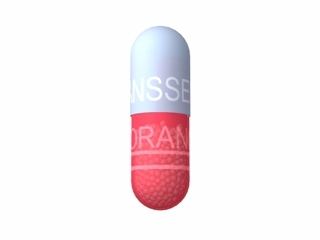
| Common forms | Capsules / oral solution (availability can vary) |
| Where it acts | Targets fungal cell membranes |
| Typical uses | Infections caused by susceptible fungi, including some serious fungal infections |
| Key cautions | Drug interactions; heart failure risk; absorption changes with acid-reducing medicines |
Basic product information
Sporanox is a brand of itraconazole, an antifungal medicine. Itraconazole works against many fungi by interfering with an important step in fungal growth. Depending on the infection, your clinician may choose different dosing schedules.
In the UK, availability and formulation can vary over time. If you are unsure whether you have capsules or an oral solution, check your packaging. The way you take it may differ slightly, especially regarding food and timing.
How Sporanox works (mechanism of action)
Itraconazole belongs to the azole antifungals. It reduces fungal growth by blocking the fungal enzyme lanosterol 14α-demethylase. This enzyme is involved in producing ergosterol, a key component of the fungal cell membrane.
Without enough ergosterol, the fungal cell membrane becomes weak or dysfunctional, leading to fungal death or inability to multiply.
Pharmacokinetics (how the body handles itraconazole)
Understanding pharmacokinetics can help explain why timing, food, and interactions matter. Itraconazole is absorbed from the gut and then distributed to tissues, where it can persist for some time.
Absorption
- Formulation matters: the capsules and oral solution have different absorption characteristics.
- Acidity affects absorption: medicines that reduce stomach acid can reduce absorption, particularly for the capsule formulation.
- Food effects: taking itraconazole in the presence of food can improve absorption for certain formulations.
Distribution and persistence
- Itraconazole distributes into tissues and may remain for a period even after stopping treatment.
- Different tissues may clear the medicine at different rates, which can influence treatment duration.
Metabolism and elimination
- Itraconazole is metabolised mainly in the liver.
- It is eliminated through metabolism and biliary/renal routes depending on the metabolites formed.
Typical uses and indications in the UK
Itraconazole is used to treat fungal infections caused by susceptible organisms. The exact choice of antifungal depends on the fungus type, infection site (skin, nails, lungs, systemic), severity, and patient factors.
Common categories of indications may include:
- Fungal infections of the skin and nails (where itraconazole is appropriate).
- Vulvovaginal candidiasis (in selected cases, depending on local guidance and individual circumstances).
- Invasive or systemic fungal infections, including some that may be life-threatening.
- Other specific fungal infections as guided by clinical assessment and susceptibility testing where relevant.
- Treatment may also be considered where other options are unsuitable or failed.
Because fungal infections vary, it is important to confirm the diagnosis and avoid self-treatment of undiagnosed symptoms. If symptoms worsen, spread, or do not improve, seek medical advice promptly.
Dose and timing: what to expect
The dose and schedule of Sporanox depend on the infection type, severity, and the itraconazole formulation (capsules vs oral solution). Treatment durations can range from short courses to longer regimens for certain infections.
Important: Always follow the dosing instructions provided with your medicine and talk to a healthcare professional if unsure.
Typical dosing patterns (general guidance)
- Daily dosing for some skin infections.
- Pulse dosing for certain nail infections (taking medicine in “cycles” separated by breaks).
- Longer courses for systemic infections under close supervision.
When to take it during the day
- Try to take your dose at the same time each day to help maintain consistent levels.
- If taking more than one dose per day, space them evenly (for example, morning and evening), unless your clinician instructs otherwise.
- Continue for the full course, even if you start feeling better early.
Duration: why it may take time
Fungal infections often improve gradually. Nail infections in particular can take months because nails grow slowly. For systemic infections, clinicians may use repeat tests and symptom monitoring to guide duration.
Food interactions: what you should know
Food can affect how much itraconazole your body absorbs, especially for capsules. The key rule is: follow the instructions that match your formulation.
General food advice
- Capsules: absorption may be improved when taken with food (particularly for adequate stomach conditions).
- Oral solution: absorption can differ; it may be recommended to take with/without food depending on the product instructions.
Acid-reducing medicines (very important)
Medicines that reduce stomach acid can significantly reduce itraconazole absorption, especially for capsule formulations. Examples include:
- Proton pump inhibitors (PPIs) (e.g., omeprazole, esomeprazole, pantoprazole)
- H2-receptor antagonists (e.g., famotidine)
- Antacids (e.g., aluminium/magnesium hydroxide)
- Some antacidity/indigestion products (including some buffered preparations)
If you take any of these, speak with a healthcare professional or pharmacist to check whether spacing, formulation choice, or alternative antifungals are needed.
Alcohol and medicine interactions
Itraconazole can be metabolised in the liver. To reduce risk of liver-related side effects, it’s generally advisable to limit alcohol during treatment, particularly if you have liver disease or abnormal liver blood tests.
Alcohol
- Moderation is recommended. Heavy or binge drinking may increase risk of side effects.
- Stop alcohol and seek advice urgently if you develop symptoms of liver problems such as yellowing of the skin/eyes, dark urine, unusual tiredness, or severe nausea/vomiting.
Major medicine interaction themes
Itraconazole has a high potential for drug interactions because it can affect liver enzymes involved in metabolism of many medicines. Some combinations can cause unsafe levels or reduce effectiveness.
Common interaction categories include:
- Heart medicines: some rhythm medicines and other drugs may interact and affect heart function.
- Cholesterol-lowering medicines (statins): certain statins can interact; dose adjustments or alternatives may be needed.
- Immunosuppressants: drug levels may increase, requiring monitoring.
- Anticoagulants: warfarin-type medicines may be affected; monitoring is often required.
- Diabetes medicines (some types) and other long-term treatments.
- Anticonvulsants: some seizure medicines can reduce itraconazole levels, risking treatment failure.
- HIV medicines and some tuberculosis medicines may interact.
- Inducers and inhibitors: some medicines change itraconazole blood levels.
Bring a list of all your medicines (including over-the-counter products and herbal supplements) to your pharmacist or clinician. Particularly mention any medicines that affect liver enzymes (for example, some epilepsy medicines, rifampicin, and St John’s wort).
Safety profile: important precautions
Like all medicines, Sporanox (itraconazole) can cause side effects. Many people tolerate itraconazole well, but some reactions require urgent medical attention.
Common side effects
- Nausea, indigestion, stomach discomfort
- Headache
- Dizziness
- Abdominal pain
- Changes in taste
- Rash
Serious side effects (seek urgent advice)
- Signs of liver problems: yellow skin/eyes, dark urine, severe fatigue, persistent nausea/vomiting.
- Serious allergic reaction: swelling of face/lips, breathing difficulty, widespread rash with fever.
- Worsening heart failure or new breathlessness/leg swelling: itraconazole has important heart-related cautions.
- Severe skin reactions (rare): blistering, peeling skin, painful mouth sores.
Heart failure caution
Itraconazole may be associated with an increased risk of heart failure in some people. If you have a history of heart failure, or symptoms such as breathlessness at rest, new swelling in the legs/ankles, or sudden weight gain, seek urgent medical advice.
Liver monitoring
Because itraconazole is processed by the liver, clinicians may consider baseline or follow-up liver blood tests for longer courses or in higher-risk individuals (for example, those with pre-existing liver issues or interacting medicines).
Pregnancy and breastfeeding
If you are pregnant, planning pregnancy, or breastfeeding, discuss itraconazole with a healthcare professional before use. Fungal infections in pregnancy need careful selection of treatment options.
Children and older adults
Dosing and safety can differ for children and older adults. Extra caution is often needed due to higher likelihood of co-existing conditions and multiple medicines (increasing interaction risk).
Practical use tips
- Take exactly as directed: do not change dose or stop early if you start to feel better.
- Choose the right formulation: capsules and oral solution can have different food and timing requirements.
- Use the same routine: set a daily reminder; taking consistently improves effectiveness.
- Check interactions: review your full medication list and ask a pharmacist if unsure.
- Avoid unnecessary antacids/acid reducers unless advised, because they can affect absorption.
- Watch for side effects: particularly signs of liver issues or allergic reactions.
- Protect your skin and nails: keep affected areas clean and dry as advised. For nail infections, trimming and hygiene measures can reduce fungal spread and discomfort.
- Don’t share towels or footwear if you have a contagious fungal infection (such as athlete’s foot).
Alternative antifungal options
Alternatives to itraconazole depend on the infection type, site, and susceptibility. Common alternatives may include:
- Fluconazole (an oral antifungal; often used for certain yeast infections)
- Terbinafine (commonly used for dermatophyte infections such as some nail and skin fungal infections)
- Voriconazole (used for certain serious invasive fungal infections under specialist care)
- Posaconazole (for specific invasive fungal infections in specialist settings)
- Topical antifungals (e.g., terbinafine or azole creams) for some skin-only infections
- Other targeted treatments based on the organism and infection site
Your clinician or pharmacist can help decide the best option based on diagnosis, location of infection, liver/heart considerations, and interaction risk.
UK market and legal context (overview)
In the United Kingdom, medicines are regulated under the Medicines and Healthcare products Regulatory Agency (MHRA) framework. Availability, product strengths, and prescribing/dispensing rules can differ by formulation and clinical indication.
Guidance on antifungal use is typically aligned with evidence-based clinical practice (including local NHS and professional recommendations). Because itraconazole has significant interaction potential, pharmacists and prescribers carefully check suitability for each patient.
Recent guidance and evolving practice (general update)
Antifungal prescribing practices in the UK continue to emphasise:
- Accurate diagnosis where feasible (to avoid unnecessary antifungal exposure).
- Consideration of drug–drug interactions (including heart and liver risks).
- Appropriate selection of antifungal based on likely pathogen and site of infection.
- Monitoring when treatment is prolonged, particularly with systemic antifungals.
Local protocols and specialist guidance can evolve; always rely on the latest information provided by your healthcare professional.
Delivery and availability in the UK
Delivery times vary depending on stock availability and your location. On an online pharmacy, you may see options such as standard or express delivery. Availability can also depend on the specific product form (capsules vs oral solution) and strength.
What to check before ordering:
- Product form and strength listed on the website
- Expiry date and packaging details
- Delivery options and estimated dispatch time
- Customer service details in case of substitution or stock changes
If your treatment requires a specific formulation, ensure the product name and form match what you were previously given.
Frequently asked questions (FAQ)
1) What is Sporanox used for?
Sporanox (itraconazole) is used to treat infections caused by certain fungi. The exact indication depends on the type and location of the infection and the likely fungal species.
2) How long does it take to work?
Improvement may begin after a few days, but complete clearing can take longer—especially for nail infections, where growth takes months. For systemic infections, response is monitored closely by clinicians.
3) Should I take it with food?
It depends on your formulation. Capsules may need to be taken with food to improve absorption. Oral solution instructions can differ. Check the directions for your exact product, and ask a pharmacist if you are unsure.
4) Can I take antacids or indigestion remedies?
Some antacids and acid-reducing medicines can reduce itraconazole absorption. If you need treatment for reflux or indigestion, speak with a pharmacist about how to time it or whether an alternative antifungal is better.
5) What medicines commonly interact with itraconazole?
Itraconazole can interact with many medicines, including some heart rhythm medicines, statins, anticoagulants, immunosuppressants, anticonvulsants, and certain other antifungals or antibiotics. Always provide a full medication list when seeking advice.
6) Is it safe to drink alcohol while taking Sporanox?
It’s usually best to limit alcohol during treatment, since itraconazole is metabolised by the liver. If you have liver problems or abnormal liver tests, avoid alcohol and seek medical advice if you notice warning signs.
7) What should I do if I miss a dose?
Take the missed dose when you remember unless it is close to the next dose. Do not take a double dose to make up for a missed one. If you are unsure, contact a pharmacist for advice.
8) Can I stop early once my symptoms improve?
It’s important to complete the full course. Stopping early can lead to incomplete eradication and recurrence of infection. If side effects occur, contact a healthcare professional rather than stopping without advice.
9) Who should be extra cautious?
Extra caution is needed if you have a history of heart failure, liver disease, or you take multiple medicines with potential interactions. Also seek advice if you are pregnant, breastfeeding, or treating children.
10) Are there alternatives to itraconazole?
Yes. Alternatives may include fluconazole, terbinafine, or other antifungal medicines depending on the infection. The best choice depends on the fungus type, infection site, and your personal risk factors.
When to seek urgent help
Contact emergency services or seek urgent medical attention if you develop signs of a serious allergic reaction (such as facial swelling, breathing difficulty), severe skin reactions, chest pain, or severe breathlessness. Also seek urgent advice for symptoms suggestive of liver injury (yellowing skin/eyes, dark urine, severe fatigue).
If you have concerns about interactions, side effects, or the correct way to take Sporanox, speak with a qualified healthcare professional or pharmacist.