Nizoral Shampoo (Ketoconazole 2%) – Patient Information (UK)
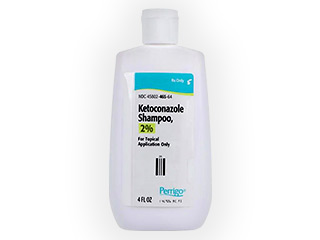
Nizoral Shampoo contains ketoconazole 2%, an anti-fungal medicine used to treat certain scalp conditions. It is commonly used for conditions linked to yeast (fungus) on the skin, such as dandruff and seborrhoeic dermatitis. This page explains how it works, how to use it, what to expect, and important safety information for adults and adolescents in the United Kingdom.
Always follow the instructions provided in the medicine’s pack or by your healthcare professional.
Basic product information
| Item | Details |
|---|---|
| Medicine name | Nizoral Shampoo |
| Active ingredient | Ketoconazole |
| Strength | 2% (w/w) |
| Dosage form | Shampoo for scalp use |
| How it’s used | Applied to the scalp, left briefly, then rinsed |
| Typical conditions | Dandruff, seborrhoeic dermatitis, pityriasis versicolor (off-label scalp use may be discussed by clinicians) |
What ketoconazole does (mechanism of action)
Ketoconazole belongs to the group of medicines called azole antifungals. It works by disrupting the production of ergosterol, an important component of fungal cell membranes. When ergosterol production is impaired, fungal cells cannot function properly and are inhibited.
On the scalp, this helps reduce the yeast-like organism associated with dandruff and seborrhoeic dermatitis. By reducing fungal growth and related inflammation, it can help lessen:
- Flaking and scaling
- Itching
- Redness and irritation
- Greasy or dry-looking flakes
Pharmacokinetics (how the body handles it)
Ketoconazole in shampoo is primarily intended for local action on the scalp. Because it is applied topically and not taken by mouth, only small amounts are expected to enter the bloodstream under normal conditions.
Key points (general understanding):
- Absorption: Minimal systemic absorption is expected when used as directed.
- Metabolism: Any absorbed ketoconazole (if present) is handled by the body’s metabolic pathways (mainly in the liver).
- Excretion: The small amount that may be absorbed is eliminated from the body over time.
If you have a large area to treat, use occlusive dressings, or apply more frequently than recommended, absorption could theoretically increase. For most people using the shampoo on the scalp as directed, systemic exposure is low.
Typical uses in the UK
Nizoral Shampoo is used for scalp conditions where a yeast/fungal component is involved. Common approved and widely used indications include:
- Dandruff (also known as seborrhoea of the scalp)
- Seborrhoeic dermatitis of the scalp (redness, scaling, itch)
- Recurrent dandruff to help prevent flare-ups (maintenance use may be discussed)
Sometimes, healthcare professionals may also recommend azole antifungal shampoos for similar conditions. If you are unsure whether your symptoms match these conditions, seek advice from a pharmacist or clinician.
How to take / use Nizoral Shampoo (timing and routine)
Nizoral Shampoo is for use on the scalp only. It is usually used in cycles of several weeks depending on the condition and severity.
Typical adult and adolescent dosing (guidance)
Follow the directions on your pack. The usual approach is:
- Dandruff / seborrhoeic dermatitis: Apply to the scalp and leave for about 3–5 minutes before rinsing.
- Frequency: Often 2 times per week for about 2–4 weeks, then reduced to once weekly (or as symptoms require) for maintenance.
Some people may need a slightly different schedule based on response. If you do not see improvement after the initial course, or if symptoms worsen, consult a healthcare professional.
Step-by-step practical application
- Wet the scalp thoroughly.
- Apply a sufficient amount of shampoo to cover affected areas.
- Massage gently into the scalp using fingertips.
- Leave it on for the recommended time (commonly 3–5 minutes).
- Rinse well.
- If needed, repeat only if the pack instructions advise it (most people do not need a second application per session).
What about hair and styling products?
- If you use hair gels, oils, or sprays, try to keep the scalp product-free before the shampoo.
- After rinsing, you can use your usual conditioner and styling products unless your scalp becomes irritated.
- Avoid applying medicated products and harsh chemicals at the same time unless advised.
Timing tip: Use at a time when you can leave the shampoo for a few minutes before rinsing. Many people use it during their regular shower routine.
Food interactions
Because Nizoral Shampoo is used on the scalp and not swallowed, food interactions are not expected. If any very small amount is swallowed accidentally, it is unlikely to cause dietary-related issues when used as directed.
If you notice nausea, stomach upset, or other unexpected symptoms after using the shampoo (for example, from accidental swallowing), speak to a pharmacist.
Alcohol interactions
There are no well-established alcohol interactions specific to ketoconazole shampoo when used topically. However:
- Try to avoid heavy alcohol use if your skin is already irritated or inflamed.
- For people taking other ketoconazole medicines (not shampoo), interactions may be relevant—discuss this with a healthcare professional if you are unsure.
Interactions with other medicines (including alcohol-related considerations)
Nizoral Shampoo has low systemic absorption for most people. This means interactions with tablets or capsules are unlikely when used as directed.
That said, it is still important to consider medicine interactions if:
- You have widespread skin involvement or apply more frequently than recommended
- You have broken skin (which may increase absorption)
- You are also using other ketoconazole products (including oral medicines)
General interaction safety checklist:
- Tell a pharmacist about all medicines you use, including scalp treatments, antifungals, steroids, and shampoos.
- If you use topical steroid scalp products, you may need a plan to avoid overuse and to prevent irritation. A pharmacist can guide you on spacing and sequencing.
- Check labels for ingredients that may increase sensitivity (e.g., strong fragrances or exfoliants).
Note on ketoconazole tablets/certain systemic medicines: Ketoconazole taken by mouth can have important interactions with some medicines and may affect the liver. Nizoral Shampoo is different because it is applied to the scalp, but if you are taking oral ketoconazole or other medicines that interact with it, consult a pharmacist or healthcare professional.
Safety profile and side effects
Most people tolerate ketoconazole shampoo well. Side effects are usually mild and related to the skin or scalp.
Common side effects
- Scalp irritation (mild burning or stinging)
- Itching or dryness
- Redness
- Dry or oily hair feel
Less common but important
- Allergic reactions (rare): swelling of face/lips, rash, wheezing, difficulty breathing
What to do if you get side effects
- If you develop mild irritation, stop using the product and seek advice from a pharmacist—especially if it persists.
- If you suspect an allergic reaction (such as facial swelling or breathing problems), seek urgent medical help immediately.
Who should be extra cautious
- People with a history of skin sensitivity or eczema flare-ups
- Anyone with broken, inflamed, or oozing skin on the scalp
- Children and teenagers: use only if the product is suitable for their age group per the pack guidance or professional advice
Pregnancy and breastfeeding: Topical ketoconazole exposure is expected to be low. However, discuss use with a pharmacist or clinician if you are pregnant or breastfeeding, especially if you need prolonged treatment or have widespread scalp inflammation.
Practical tips to get the best results
- Be consistent: Antifungal shampoos work best when used regularly, not just once.
- Leave it on long enough: Leaving the shampoo for the recommended minutes improves effectiveness.
- Use the right amount: You need enough to reach affected areas, not just a quick lather.
- Continue a little after improvement: Stopping too early can lead to recurrence.
- Don’t over-scrub: Gentle massage is enough; aggressive scrubbing can worsen irritation.
- Watch for product build-up: If you use heavy hair oils, you may need to wash more thoroughly initially.
- Comb hygiene: Clean combs and brushes regularly, and wash hats/helmets if relevant.
If symptoms return: Dandruff is often chronic and may flare. Maintenance use (such as once weekly) is commonly used for prevention, but follow pack instructions and seek advice if it keeps recurring.
Alternative options for dandruff and seborrhoeic dermatitis
If Nizoral Shampoo isn’t suitable or doesn’t fully control your symptoms, other treatments may include:
Other antifungal shampoos
- Selenium sulfide shampoos
- Other azole antifungal shampoos (where available)
Anti-inflammatory and anti-itch options
- Topical corticosteroid scalp treatments for short periods (for inflammation)
- Moisturising scalp products if dryness is prominent
Keratoregulators (help reduce scaling)
- Salicylic acid or similar ingredients that help lift scales
Your pharmacist can help you compare options based on your symptoms (greasy flakes vs dry flakes, itch level, severity, and how often it returns).
Market and legal context in the UK
In the United Kingdom, medicines are regulated by the Medicines and Healthcare products Regulatory Agency (MHRA). Products like Nizoral Shampoo are manufactured and marketed in line with UK regulatory requirements, including quality standards and patient information leaflets.
Whether you buy Nizoral Shampoo online or in a pharmacy, you should expect:
- Accurate labelling of active ingredient and strength
- Clear instructions for scalp use
- Patient-facing safety information
Note: Local availability can vary by supplier. If you are unable to find it, your pharmacist may suggest equivalent antifungal shampoos with similar actives/strengths (where appropriate and available).
Recent guidance and practical advice (UK-focused)
Advice for dandruff and seborrhoeic dermatitis commonly emphasises:
- Regular scalp cleansing with an appropriate medicated shampoo during flare-ups.
- Adherence to the leave-on time to maximise antifungal effect.
- Maintenance strategies (e.g., reduced frequency) because the condition often recurs.
- Seeking medical advice if symptoms do not improve after an initial course, if plaques become thick and persistent, or if there are signs of infection.
If you have extensive scalp involvement, bleeding, oozing, painful patches, or hair loss, it is advisable to get professional assessment to rule out other conditions that may look similar (such as psoriasis, eczema, or bacterial infection).
Delivery and availability (online pharmacy)
Nizoral Shampoo is typically available for purchase online from licensed UK pharmacies and selected retailers. Delivery options may include standard and tracked services, depending on your location and the retailer’s fulfilment network.
When ordering:
- Check the strength (2%) and active ingredient (ketoconazole).
- Confirm the product size (e.g., bottle capacity) and whether it is the shampoo formulation.
- Look for delivery estimates and packaging/handling information.
Availability can change due to supplier stock levels and distribution timing. If your preferred size is out of stock, you can ask the pharmacy about alternatives or compatible options.
FAQ: Nizoral Shampoo (Ketoconazole 2%)
1) How long does it take to work?
Many people notice reduced itching and flaking within 1–2 weeks. For others, it may take up to 4 weeks of regular use for best results. Continue with the recommended course even if symptoms improve early.
2) Can I use it every day?
Usually, no. Typical schedules are 2 times per week for treatment. Using it more often than recommended may increase the chance of irritation. If you feel you need more frequent treatment, speak to a pharmacist for advice.
3) Can children use Nizoral Shampoo?
Suitability depends on the age guidance in the product pack and the child’s skin condition. Ask a pharmacist to confirm the safest option for your child.
4) Should I use conditioner as well?
Often yes. After rinsing the shampoo, you can apply conditioner to hair lengths rather than the scalp if your scalp is prone to irritation. If your scalp feels worse, reduce conditioner contact with the scalp.
5) Is Nizoral Shampoo safe for colour-treated or chemically straightened hair?
Ketoconazole shampoo itself is not specifically known to remove hair dye, but any shampoo can affect treated hair over time. If you have chemical processing, consider using conditioner and avoiding aggressive rubbing.
6) What if I miss a dose?
If you’re treating dandruff or seborrhoeic dermatitis on a twice-weekly schedule, just use it at the next scheduled time. Do not double up.
7) Can I combine it with other medicated shampoos?
It may be possible but is not always necessary and can irritate the scalp. For example, alternating medicated shampoos can be considered, but it’s best to ask a pharmacist about a safe plan—especially if you also use steroid scalp treatments.
8) Will it stop my dandruff permanently?
Dandruff can be chronic and may return. Nizoral Shampoo often controls symptoms effectively, and maintenance use (for example, once weekly) can help reduce recurrence.
9) What should I do if there is no improvement?
If you do not see meaningful improvement after 4 weeks of correct use, or if symptoms worsen, seek advice from a pharmacist or clinician. You may need a different treatment approach or a different diagnosis.
10) Is this product only for men?
No. Dandruff and seborrhoeic dermatitis affect people of all genders. Nizoral Shampoo can be used by anyone who meets the product guidance and for whom the condition is appropriate.
When to seek medical advice
Contact a healthcare professional promptly if you experience:
- Severe scalp redness, pain, or swelling
- Oozing, crusting, or signs of infection
- Rapidly worsening symptoms
- Hair loss or thick plaques that do not respond to treatment
- Signs of an allergic reaction (e.g., facial swelling, breathing difficulty)
Summary
Nizoral Shampoo 2% (ketoconazole) is a targeted antifungal shampoo used for scalp conditions such as dandruff and seborrhoeic dermatitis. It works by inhibiting fungal growth and helps reduce inflammation linked to yeast on the scalp. When used consistently—typically leaving it on for 3–5 minutes and following the recommended schedule—it can improve flaking, itch, and irritation. If symptoms persist or worsen, seek advice to confirm the diagnosis and consider alternative options.