Ketoconazole: Patient-Friendly Guide (UK)
Ketoconazole is an antifungal medicine used to treat fungal infections. In the UK, ketoconazole is available in different forms (such as tablets, and also as shampoos or creams depending on the brand). This guide explains what ketoconazole does, how it works in the body, how it’s usually taken or applied, key safety points, and what to expect regarding interactions and availability in the United Kingdom.
Key Product Information
| Feature | Details |
|---|---|
| Active ingredient | Ketoconazole |
| Common uses | Antifungal treatment for certain fungal infections (form-dependent) |
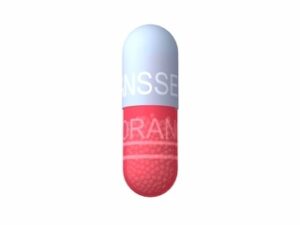
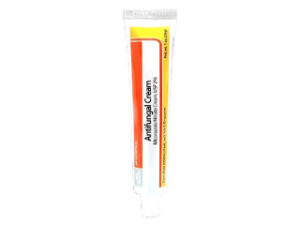
| Forms | Oral tablets (availability varies by brand), and topical products such as creams and shampoos |
| How it works | Reduces fungal growth by blocking key steps in fungal steroid/ergosterol production |
| Typical course | Varies by infection site and severity (often days to weeks) |
| Important safety note | Oral ketoconazole has important liver-related warnings; monitoring may be required |
How Ketoconazole Works (Mechanism of Action)
Fungi need specific chemical processes to survive, including making parts of their cell membrane. Ketoconazole works by inhibiting fungal enzymes involved in the production of ergosterol—a crucial component of fungal cell membranes.
- Disrupts the fungal cell membrane, making it less stable and preventing normal growth.
- Reduces fungal replication, allowing your immune system and the medicine to clear the infection.
Topical ketoconazole (such as shampoos/creams) mainly acts where it’s applied, while oral ketoconazole works throughout the body.
Pharmacokinetics (What Happens to the Medicine in the Body)
Pharmacokinetics describes absorption, distribution, metabolism, and elimination.
Oral ketoconazole (tablets/capsules)
- Absorption: Ketoconazole taken by mouth is absorbed better when stomach acid is present. Anything that reduces stomach acid may reduce absorption.
- Distribution: It spreads into body tissues, including skin and other sites (depending on infection type).
- Metabolism: The liver metabolises ketoconazole.
- Elimination: Metabolites are eliminated primarily via bile and the gastrointestinal tract; kidney elimination can also play a role for some components.
Topical ketoconazole (cream/shampoo)
- Local action: Most effects occur in the treated area.
- Systemic absorption: Generally low compared with oral use, but absorption can be higher if applied to large areas, under occlusion, or on broken skin.
Typical Uses in the UK (Indications)
Which infection ketoconazole is used for depends strongly on the form and the product’s licence/brand guidance. In general, ketoconazole is used for fungal and yeast infections, including conditions affecting skin and scalp.
Common indications (form-dependent)
- Tinea/dermatophyte infections (skin fungal infections) — may be treated with topical products or, in select cases, oral therapy.
- Malassezia-related conditions such as:
- Seborrhoeic dermatitis (itchy, flaky scalp/skin)
- Pityriasis versicolor (often called “tinea versicolor”)
- Yeast infections affecting skin (cream) — depending on product approval and clinical judgement.
- Systemic fungal infections — oral ketoconazole may be considered in specific situations where appropriate alternatives are unsuitable (this is more sensitive due to safety considerations).
Important: Always follow the instructions provided with your specific ketoconazole product in the UK, and consult a healthcare professional for advice if you’re unsure which infection you have.
Dosing and Timing (What’s Typical)
Because ketoconazole exists in multiple forms, dosing varies. The details below are general; your product label and your clinician’s instructions (if applicable) should always be followed.
Oral ketoconazole (tablets)
- Adults: Doses vary by infection and product strength.
- Timing: Usually taken once daily or in divided doses depending on the regimen.
- Course length: Can range from several weeks for skin/scalp infections to longer for certain serious infections.
Administration tip: Oral ketoconazole absorption can be affected by stomach acid, so you may be advised to take it at a time and with a type of food/drink that supports absorption (see food interactions below).
Topical ketoconazole (cream/shampoo)
- Scalp (shampoo): Often used several times per week initially, then less frequently for maintenance/relapse prevention depending on your condition.
- Skin (cream): Applied to affected areas typically once or twice daily for a set number of days.
- Timing during use:
- Shampoo is often left on the scalp for a short period before rinsing.
- Cream is applied in a thin layer and may require gentle spread over affected and nearby areas.
Apply regularly: Fungal infections may look improved before they are fully cleared. Finishing the recommended course helps reduce recurrence.
Food Interactions (Absorption and Stomach Acid)
Oral ketoconazole absorption is influenced by stomach acid. As a result, certain foods and medicines that change acidity can reduce absorption.
General considerations
- Stomach acid reduction can lower ketoconazole levels and reduce effectiveness.
- Some people are advised to take ketoconazole with or without food depending on the product and local guidance.
Examples of what may matter
- Antacids (to relieve indigestion/heartburn)
- Proton pump inhibitors (PPIs) such as omeprazole
- H2 blockers such as cimetidine
- Reduced-acid states (including certain diets/conditions affecting stomach acid)
Practical approach: Tell your pharmacist if you regularly take medicines for acid reflux or indigestion. They can advise on whether spacing doses is needed or whether an alternative antifungal would be safer/more effective.
Alcohol and Medicine Interactions
Alcohol can affect your liver and may increase risk of liver-related side effects, especially with oral antifungal therapy. Ketoconazole is also processed by the liver, so combining alcohol with oral ketoconazole is best approached with caution.
Alcohol
- Recommended: Avoid or limit alcohol during treatment, particularly if you have any history of liver problems.
- Seek advice if you drink heavily or regularly, as your clinician/pharmacist may recommend extra monitoring or a different treatment.
Medicine interactions (oral ketoconazole)
Ketoconazole can interact with many medicines due to effects on liver enzymes involved in drug metabolism and due to potential changes in blood levels of other drugs.
Be careful with:
- Medicines that affect heart rhythm (some can increase risk of QT prolongation)
- Some sedatives and drugs metabolised by the liver
- Anticoagulants (e.g., warfarin), antiplatelet agents and other medicines requiring careful monitoring
- Immunosuppressants (e.g., certain transplant medicines)
- HIV antivirals and other specialty medicines
Always check your full medicine list (including over-the-counter products and herbal remedies). Your pharmacist can help identify interactions and advise on safer timing or alternative options.
Safety Profile: Who Should Be Careful?
Ketoconazole is generally well tolerated when used as directed, but it comes with important safety considerations—especially for oral ketoconazole.
Common side effects
- Topical: skin irritation, redness, itching, or dryness where applied
- Shampoo: dryness or irritation of scalp; sometimes hair/scalp sensitivity
- Oral: nausea, headache, dizziness, abdominal discomfort
Serious risks to know (especially oral ketoconazole)
- Liver injury: Ketoconazole tablets have warnings due to risk of liver problems. Seek urgent advice if you develop symptoms such as:
- yellowing of the skin/eyes (jaundice)
- dark urine
- unusual tiredness
- persistent nausea/vomiting
- upper abdominal pain
- Allergic reactions: swelling of the face/lips, difficulty breathing, widespread rash
- Interactions: because of drug–drug effects, serious side effects may be more likely when combined with certain medicines
Who should discuss alternatives
- People with known liver disease or previously abnormal liver tests
- People taking multiple medicines with known interaction potential
- People with a history of heart rhythm problems or taking medicines that affect heart rhythm
Pregnancy and breastfeeding: Safety may depend on the form and the specific infection. Discuss options with a healthcare professional before use, particularly for oral ketoconazole.
Practical Use Tips (Getting the Best Results)
For topical ketoconazole (cream)
- Clean and dry the affected area before applying.
- Apply a thin layer to the affected skin and a small margin around it.
- Wash hands after use unless the hands are the treated area.
- Avoid getting cream in eyes, mouth, or on broken/oozing skin unless your product guidance specifically permits it.
For ketoconazole shampoo
- Use as directed: often initial frequent use, then less often to prevent recurrence.
- Massage gently into scalp and allow it to sit for the recommended time before rinsing.
- Do not overuse: more product is not always better.
- If you wear hair extensions or have colour-treated hair, check the product guidance and watch for dryness.
For oral ketoconazole tablets
- Take exactly as directed and do not change dose without advice.
- Keep alcohol intake low and avoid heavy drinking during treatment.
- Inform your pharmacist about all other medicines and supplements.
- Report symptoms of liver problems promptly.
Alternative Antifungal Options (What Else May Be Used)
Depending on the infection type and location, several alternatives may be considered. The best option varies by your diagnosis, severity, past treatments, and safety considerations.
Common alternatives
- Other azoles (e.g., itraconazole, fluconazole) — may be used for certain infections, especially systemic fungal disease
- Terbinafine — often used for dermatophyte (“tinea”) infections
- Clotrimazole — commonly used for topical yeast infections
- Anti-dandruff actives for scalp conditions (examples include selenium sulfide, zinc pyrithione, or ketoconazole alternatives)
- For more severe or resistant infections, doctors may recommend different systemic or specialised antifungals
Relapse prevention: For recurrent conditions like seborrhoeic dermatitis, maintenance strategies (such as intermittent medicated shampoo) can help reduce flare-ups. Your pharmacist can advise on a suitable plan based on the product available.
Market and Legal Context in the UK (What to Know)
In the UK, medicines are regulated by the Medicines and Healthcare products Regulatory Agency (MHRA) and used under product-specific licensing. Antifungal selection may also follow guidance from clinical bodies, considering effectiveness and safety.
For oral ketoconazole, regulatory safety communications have emphasised the risk of serious liver injury, and other antifungal medicines may be preferred for many fungal infections. This means that oral ketoconazole may be used more selectively than in the past, while topical formulations may remain widely used for skin and scalp fungal conditions.
Recent guidance (general themes):
- Greater caution with oral ketoconazole due to liver safety and drug interactions
- Preference for alternatives when suitable, depending on the type of infection
- Emphasis on evaluating risk–benefit and reviewing medicine lists for interactions
If you’re buying ketoconazole online, you may notice that the available forms and brand options differ. This can reflect licensing, stock, and product suitability for a given patient group.
Delivery and Availability in the UK
Online pharmacies in the UK typically provide delivery services that vary by supplier and local courier options. Availability of ketoconazole can depend on:
- Product form (tablet vs cream/shampoo)
- Brand and strength
- Current stock levels and distribution timing
Delivery expectations: When you place your order, delivery times usually depend on whether the item is in-stock. Many UK online pharmacies offer standard and express delivery options. Trackable delivery may be provided.
Packaging and storage: Keep medicines in their original packaging, store at appropriate temperatures as directed on the label, and keep out of sight and reach of children.
If you need advice about whether a specific ketoconazole product is suitable for your condition, a pharmacist can help you choose the right form (topical vs oral) and dosing schedule.
FAQ: Ketoconazole (UK)
1) What is ketoconazole used for?
Ketoconazole is an antifungal medicine used to treat certain fungal/yeast infections. In practice, it’s commonly used for scalp and skin conditions such as seborrhoeic dermatitis and pityriasis versicolor, and certain other fungal infections depending on the form (cream/shampoo/tablets).
2) How long does ketoconazole take to work?
Some improvement may be seen within a few days, especially for itch and flaking. However, fungal infections often require the full recommended course to clear. If there’s no improvement after the expected time window, speak to a pharmacist or clinician.
3) Can I use ketoconazole shampoo every day?
Usually, medicated ketoconazole shampoo is not intended for daily use. Many regimens start with several applications per week and then reduce frequency for maintenance. Always follow the product instructions for your specific brand.
4) Is ketoconazole safe for everyone?
Ketoconazole can be safe when used as directed, but oral ketoconazole has important warnings about possible liver injury and interactions with other medicines. People with liver problems or those taking interacting medicines should discuss alternatives.
5) What should I do if I forget a dose?
If you miss a dose of a topical product, apply it when you remember unless it’s close to the next scheduled dose. For oral dosing, follow the product directions; generally do not take double doses. If unsure, ask a pharmacist.
6) Can I drink alcohol while taking ketoconazole tablets?
It’s best to avoid or limit alcohol during oral ketoconazole treatment, due to potential liver risks. If you’re a regular drinker or have liver concerns, seek advice before starting.
7) Does food affect ketoconazole tablets?
Yes. Ketoconazole tablets can be affected by stomach acid levels. Acid-reducing medicines (and sometimes food-related factors) may reduce absorption. If you take medicines for reflux or indigestion, discuss with your pharmacist.
8) What interactions should I be aware of?
Ketoconazole can interact with several medicines, especially those metabolised by the liver and medicines affecting heart rhythm. Provide your full medicine list to your pharmacist so they can check for interactions.
9) What if symptoms get worse?
If your infection appears to worsen rapidly, spreads, becomes very painful, or you develop fever, seek medical advice promptly. For oral ketoconazole, urgent attention is needed if you develop signs of liver problems (jaundice, dark urine, persistent nausea, abdominal pain, severe fatigue).
10) Are there alternatives if ketoconazole isn’t suitable?
Yes. Depending on the infection, alternatives may include other antifungals (such as terbinafine or fluconazole) and different anti-dandruff treatments. Your pharmacist can help you compare options based on your symptoms and product form available in the UK.
When to Seek Urgent Help
Please seek urgent medical advice if you experience:
- Signs of liver injury (jaundice, dark urine, severe or persistent upper abdominal pain, unexplained severe fatigue, persistent vomiting)
- Signs of a serious allergic reaction (swelling of face/lips, difficulty breathing, widespread rash)
- Severe worsening of infection symptoms, rapidly spreading redness, or high fever
Disclaimer: This information is intended for patient education and does not replace professional medical advice. Always read the package leaflet provided with your ketoconazole product and follow the instructions carefully.