
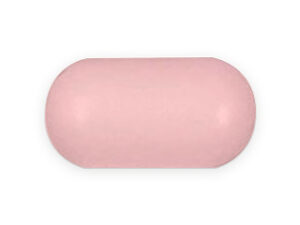
Floxin (Ofloxacin) – Patient-Friendly Guide (UK)
Floxin contains ofloxacin, an antibiotic used to treat certain bacterial infections. This page explains how it works, how it’s typically used, important safety information, and practical tips to help you use it safely. It also covers interactions (including food and alcohol), what to expect, and what alternatives may be considered.
Basic product information
| Product | Active ingredient | Antibiotic type | Common formulation |
|---|---|---|---|
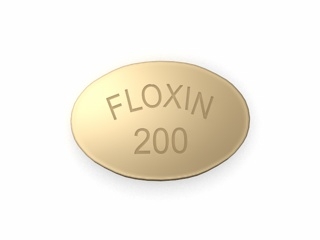
| Floxin | Ofloxacin | Fluoroquinolone | Tablets (strengths may vary by brand/stock) |
Ofloxacin is a prescription-only antibiotic in the UK. Availability and strengths can vary by supplier and local stock.
How Floxin works (mechanism of action)
Ofloxacin belongs to the fluoroquinolone family of antibiotics. It works by interfering with bacterial DNA replication and repair. Specifically, it inhibits key bacterial enzymes needed to copy and maintain DNA, leading to bacterial death.
In simple terms: Floxin targets active bacterial cells by stopping them from reproducing properly.
Pharmacokinetics: how the body handles ofloxacin
Understanding pharmacokinetics can help you use the medicine more effectively.
- Absorption: Ofloxacin is absorbed after being taken by mouth. Taking it at regular intervals helps maintain effective levels.
- Distribution: It can reach a range of tissues and body fluids, including the urinary tract and some sites of infection.
- Metabolism: Only a small proportion is metabolised in the body.
- Elimination: The medicine is cleared mainly by the kidneys. Dose adjustments may be needed in people with reduced kidney function.
- Half-life: The time it takes for the level in the body to reduce by half is approximately about 4–6 hours in many adults, though this may vary.
Practical takeaway: Missing doses can reduce the chance of successful treatment. Completing the course as directed is important even if you start feeling better.
Typical uses and indications (UK context)
Floxin (ofloxacin) is used to treat infections caused by susceptible bacteria. Which infections are appropriate depends on local guidelines, the likely bacteria, and test results when available.
Common indications may include certain urinary tract infections and other bacterial infections in adults, depending on antibiotic stewardship recommendations and resistance patterns.
In the UK, antibiotic choice is guided by evidence-based practice and resistance considerations. Fluoroquinolones are generally reserved for situations where they are appropriate, because of potential side effects and the need to preserve their effectiveness.
- Urinary tract infections (certain types and when appropriate)
- Other bacterial infections where a fluoroquinolone is suitable based on clinical judgement
- Susceptibility matters: the bacteria must be sensitive to ofloxacin for best effect
If your symptoms worsen or do not improve, reassessment may be necessary.
When to take Floxin (timing and schedule)
The exact dosing schedule depends on the infection and your health profile. A common approach is to take tablets at regular intervals (for example, once or twice daily depending on the prescribed regimen).
- Choose a routine: Take it at the same times each day to keep drug levels steadier.
- If you miss a dose: Take it as soon as you remember unless it is close to your next dose. Do not take a double dose.
- Complete the course: Even if you feel better, stopping early can allow bacteria to persist.
Tip: If the medicine is taken twice daily, try to space doses evenly (e.g., morning and evening).
Food interactions: what to know
Ofloxacin can usually be taken with or without food. However, some foods and especially supplements can affect absorption.
- Calcium, iron, magnesium, aluminium (and related products): These can reduce absorption when taken at the same time. If you use supplements or antacids containing these minerals, ask about spacing.
- Multivitamins: If they contain minerals, they may interfere. Consider taking them at a different time than your antibiotic.
Practical spacing suggestion (general): Many medicines in this class are separated from mineral-containing products. A pharmacist can advise an exact interval based on your products.
Alcohol and medicine interactions
Alcohol
There is not always a strict “never” rule for alcohol with every antibiotic, but alcohol can:
- Worsen side effects such as dizziness, nausea, or stomach upset
- Make it harder to stay hydrated when you are unwell
- Reduce recovery by affecting sleep and immune function
For safest use, it’s generally advisable to avoid or limit alcohol while taking Floxin and for a short period after finishing, especially if you experience any side effects.
Other important medicine interactions
Some medicines can change how ofloxacin works or increase side effect risk. Tell a healthcare professional about everything you take, including over-the-counter medicines and supplements.
- Antacids or mineral supplements (calcium/iron/magnesium/aluminium): May reduce absorption of ofloxacin if taken too close together.
- Warfarin and other anticoagulants: Fluoroquinolones may increase bleeding risk in some people. INR monitoring may be required.
- Medicines affecting heart rhythm (QT prolongation): Ofloxacin may increase the risk of an abnormal heart rhythm when combined with certain medicines.
- Anti-diabetes medicines (e.g., insulin or sulfonylureas): There have been reports of blood sugar changes with fluoroquinolones.
- Non-steroidal anti-inflammatory drugs (NSAIDs): Some combinations may increase risk of nervous system stimulation or seizures in susceptible individuals.
- Corticosteroids: There is an increased risk of tendon problems when fluoroquinolones are used with steroids.
Always check: If you are unsure whether a product contains minerals or affects heart rhythm, consult a pharmacist.
How to use Floxin: dosing guidance (general information)
Dosing depends on the specific infection, severity, kidney function, and local treatment guidance. The information below is general and not a substitute for personalised instructions.
- Adults: Doses are typically divided into one or more administrations per day, depending on the regimen.
- Kidney impairment: Because ofloxacin is mainly cleared by the kidneys, dosing may need adjustment.
- Duration of treatment: Varies by infection type and clinical response. Many antibiotic courses last several days, but the exact length should follow clinical guidance.
Practical timing tip: If your regimen is twice daily, try to keep roughly 12 hours between doses.
If you receive a written or printed schedule with your medicine, follow that carefully.
Safety profile: important warnings and side effects
Like all antibiotics, Floxin (ofloxacin) can cause side effects. Many are mild and temporary, but some require prompt action.
Common side effects
- Nausea
- Diarrhoea
- Abdominal pain or indigestion
- Headache
- Dizziness
- Vaginal yeast infection (in some people)
Less common but important side effects
- Tendon pain or swelling (especially the Achilles tendon)
- Numbness, tingling, or burning sensations (possible nerve irritation)
- Photosensitivity (increased sun sensitivity)
- Changes in sleep, mood, or anxiety in some individuals
Seek urgent medical attention if you notice
- Severe allergic reaction: swelling of the face/lips, trouble breathing, or widespread rash
- Tendon rupture symptoms: sudden severe pain, a “snap” feeling, swelling, or difficulty using the limb
- Severe or persistent diarrhoea (especially with blood or mucus) or severe abdominal cramps
- Signs of nerve damage: new weakness, numbness, or progressive tingling
- Unusual heart symptoms: fainting, severe palpitations, or chest pain
- Seizure activity or severe confusion
- Signs of blood sugar problems: marked sweating, shaking, extreme hunger, confusion, or unusual drowsiness
If any of the above occur, contact urgent medical services or a healthcare professional immediately.
Practical use tips for safer, more effective treatment
- Hydrate: Drink enough fluids unless you have been told to restrict fluids.
- Take at consistent times: Helps maintain effective antibiotic levels.
- Avoid overexposure to sunlight: If you experience sun sensitivity, use clothing protection or sunscreen and avoid sunbeds.
- Be cautious with exercise: If you develop tendon pain, stop the activity and seek advice promptly.
- Monitor your symptoms: You should start to notice improvement during treatment. If not, get advice.
- Do not share your antibiotic: Antibiotics are selected for specific infections and bacterial sensitivity.
- Keep a medication list: Include prescription, OTC, and supplements to help avoid interaction issues.
Recent guidance and antibiotic stewardship in the UK
In the UK, antibiotic prescribing is guided by national and regional stewardship programmes. These aim to:
- Use antibiotics only when likely to benefit the patient
- Choose the narrowest effective antibiotic where possible
- Reduce unnecessary exposure to broad-spectrum agents
- Limit the development of antibiotic resistance
Fluoroquinolones (including ofloxacin) are generally reserved for specific situations due to: potential side effects affecting muscles, tendons, nerves, and the nervous system in susceptible individuals, and concerns about resistance development.
If you have been offered Floxin, it is likely considered appropriate based on your clinical situation, allergy history, local resistance patterns, and the suspected or confirmed bacteria.
Alternative options (what might be used instead)
Alternatives depend on the type of infection, bacterial sensitivity, severity, allergy history, and local guidance. Options may include antibiotics from other classes or, in some cases, watchful waiting if infection is not bacterial.
Possible alternatives may include (examples only, not a complete list):
- Nitrofurantoin (often considered for certain uncomplicated urinary tract infections)
- Trimethoprim or cotrimoxazole (where appropriate and sensitive)
- Amoxicillin or other beta-lactams (depending on the infection and suitability)
- Cephalosporins (for selected infections and organisms)
- Other fluoroquinolones (sometimes, but generally treated with similar caution)
A healthcare professional can advise which alternative is most suitable based on your symptoms, history, kidney function, and test results.
Market and legal context for the UK
In the United Kingdom, antibiotics such as ofloxacin are regulated and dispensed under healthcare rules. They are typically prescription-only medicines and are used in line with prescribing standards and stewardship efforts.
For online pharmacy services, availability may depend on stock levels, local compliance requirements, and the correct process for supplying medicines safely.
Always ensure the product you receive is the correct strength and formulation intended for your treatment plan.
Delivery and availability (online pharmacy)
Availability can vary depending on supplier relationships and demand. Common practical points for UK online pharmacy customers include:
- Dispatch times: Some orders are dispatched quickly when in stock; others may take longer if stock needs replenishment.
- Packaging: Medicines are typically packaged to protect them during transport.
- Tracking: Many services offer tracking updates after dispatch.
- Cold-chain: Ofloxacin tablets do not usually require refrigeration, but always follow the packaging instructions.
If you need your medicine by a specific date, check the delivery options shown at checkout or contact customer support.
FAQ: Floxin (ofloxacin)
1) What is Floxin used for?
Floxin (ofloxacin) is an antibiotic used to treat certain bacterial infections. The exact infection type depends on local guidance and the bacteria’s susceptibility to ofloxacin.
2) How long will it take to start working?
Many people begin to notice improvement within 1–3 days. If symptoms are not improving, or they worsen, contact a healthcare professional for advice.
3) Can I take it with food?
Generally, yes. Ofloxacin can usually be taken with or without food. However, mineral-containing products (such as antacids and some supplements) may reduce absorption if taken too close together.
4) What if I forget a dose?
Take it when you remember unless it is close to the next scheduled dose. Do not take a double dose to make up for a missed one.
5) Should I avoid alcohol?
It’s generally best to avoid or limit alcohol while taking Floxin, as alcohol can worsen side effects like dizziness or nausea and may interfere with recovery.
6) Are there any interactions with my other medicines?
Yes. Important interactions can occur with mineral antacids/supplements, blood thinners (such as warfarin), certain heart rhythm medicines, diabetes medicines, and medicines that affect tendon or nervous system risk (including corticosteroids and some anti-inflammatories). Tell your pharmacist or prescriber about all medicines and supplements you use.
7) Who should be extra careful when using ofloxacin?
People with a history of tendon disorders, nerve problems (neuropathy), known heart rhythm issues, significant kidney impairment, or a history of seizures should discuss suitability and risk carefully with a healthcare professional.
8) What side effects are most concerning?
Seek urgent help if you get signs of severe allergy, severe or persistent diarrhoea, tendon rupture symptoms, signs of nerve damage (numbness/weakness), severe dizziness/fainting/palpitations, or seizure-like symptoms.
9) Can Floxin cause sun sensitivity?
Yes. Some people experience increased sensitivity to sunlight. Use protective clothing and sunscreen where appropriate, and avoid sunbeds.
10) What should I do if symptoms return after finishing?
Contact a healthcare professional. The initial infection may not have been fully treated, or a different infection may be present. Antibiotics should not be re-used without reassessment.
Summary
Floxin (ofloxacin) is a fluoroquinolone antibiotic used to treat selected bacterial infections in adults. It works by disrupting bacterial DNA processes. To use it safely, take it at regular times, finish the course, and be mindful of interactions—especially mineral-containing products and certain medicines. If you experience serious side effects such as tendon pain, allergic symptoms, severe diarrhoea, or nerve problems, seek prompt medical advice.
If you have questions about whether ofloxacin is suitable for you, your current medicines, or how to space doses from supplements, consult a pharmacist or healthcare professional.