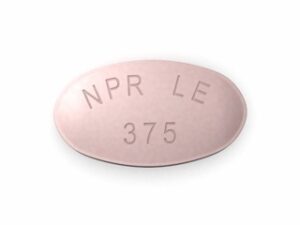
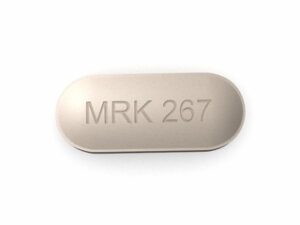
Naprelan (Naproxen) – Patient Information (UK)
Naprelan is a brand of naproxen, a medicine from the non-steroidal anti-inflammatory drug (NSAID) family. It is used to relieve pain and inflammation and is available in a modified-release formulation, designed to provide longer-lasting relief.
This guide explains what Naprelan is, how it works, how it’s taken, common safety points, and how it may interact with food, alcohol and other medicines. It is written to be helpful and easy to understand for people in the United Kingdom.
Basic product information
| Feature | Details |
|---|---|
| Medicine name | Naprelan (naproxen) |
| Medicinal class | NSAID (anti-inflammatory painkiller) |
| Formulation | Modified-release (long-acting) |
| Common uses | Pain with inflammation such as arthritis and musculoskeletal pain |
| How it’s taken | Usually once or twice daily depending on strength/condition |
| Typical onset | Pain relief can begin within hours; full effect may build over time |
Important: Strengths and dosing schedules can vary by product presentation. Always follow the instructions on your medicine pack or your healthcare professional’s advice.
How Naprelan works (mechanism of action)
Naproxen works by reducing production of prostaglandins. Prostaglandins are substances your body produces that contribute to:
- Pain (pain sensitivity)
- Inflammation (swelling, redness)
- Fever (in some conditions)
Specifically, naproxen inhibits enzymes called cyclo-oxygenase (COX-1 and COX-2), which leads to lower prostaglandin levels.
Because Naprelan is a modified-release formulation, it releases naproxen gradually over time to help maintain pain control.
Pharmacokinetics (how the body processes it)
“Pharmacokinetics” describes how the medicine is absorbed, distributed, metabolised and eliminated.
- Absorption: Naprelan’s modified-release design aims for steadier blood levels. Food can influence the rate of absorption, though overall absorption may be less affected than with some other formulations.
- Distribution: Naproxen is widely distributed through the body and can bind to plasma proteins (mainly albumin).
- Metabolism: Naproxen is metabolised primarily in the liver.
- Elimination: Naproxen and its metabolites are eliminated mainly through the kidneys. This is why kidney function can matter for safety.
- Half-life: Naproxen has a relatively long half-life compared with some other painkillers, supporting its less frequent dosing in modified-release form.
Typical uses and indications in the UK
Naprelan is used for conditions where pain and inflammation are part of the problem. Indications can vary by age group and product licence, but common UK uses include:
- Osteoarthritis (joint pain and stiffness)
- Rheumatoid arthritis (inflammatory joint disease)
- Other inflammatory arthritides as advised by a clinician
- Ankylosing spondylitis (inflammatory back pain)
- Musculoskeletal pain such as strains and sprains (when an anti-inflammatory effect is helpful)
- Gout flares may be treated with NSAIDs such as naproxen in some circumstances (local guidance and individual suitability apply)
- Dental pain or other acute pain episodes may be managed with NSAIDs in appropriate people
If you’re unsure whether Naprelan is suitable for your specific condition, speak to a qualified healthcare professional.
When to take Naprelan (timing and routine)
Because Naprelan is modified-release, timing and consistency matter. A simple routine can help you stay within recommended dosing.
- Follow the dosing schedule on the pack: Naprelan may be taken once or twice daily depending on the strength and your condition.
- Take it at the same times each day to maintain steady relief.
- Swallow whole: Modified-release tablets should not usually be crushed or broken unless the product instructions say otherwise.
- Allow time to assess effect: Pain may improve over hours; long-term conditions may require several days to judge response.
Missed dose: If you miss a dose, take it when you remember unless it is close to the next dose. Do not take a double dose to make up for a missed one.
Dosing (general guidance)
Dosage depends on the condition being treated, your age, kidney function, and your risk of side effects. Always use the dose specified for you.
General UK-oriented dosing overview (may vary):
- Adults: commonly once or twice daily with a modified-release schedule.
- Older adults: may require a lower dose or extra caution due to higher risk of gastrointestinal (GI) bleeding and kidney effects.
- Kidney impairment: may require adjustment and monitoring.
Maximum daily dose: Follow the product label or clinician instructions. Exceeding recommended doses increases the risk of serious side effects.
If Naprelan is being used alongside other NSAIDs or painkillers, ensure you are not accidentally doubling up on naproxen or similar medicines.
Food interactions and what to eat
Naproxen can irritate the stomach lining in some people. Taking it with food can reduce stomach discomfort for many users.
- Taking with food: Often helps reduce indigestion, heartburn and stomach pain.
- Milk or antacids: may help some people with symptoms, but don’t replace the need to take the tablet as directed.
- Avoid large alcohol with NSAIDs: see the alcohol section below, as the combination can increase bleeding risk.
- Hydration: staying well-hydrated supports kidney function, particularly if you’re active, unwell, or elderly.
There is no requirement for a specific “diet” while using Naprelan, but consider gentle meals and avoid taking it on an empty stomach if you’ve had stomach problems before.
Alcohol interactions
Combining alcohol with NSAIDs like naproxen can increase the risk of:
- Gastric irritation and ulcers
- Gastrointestinal bleeding
- Kidney strain (especially if you’re dehydrated)
Practical advice: If you choose to drink, keep it modest and consider taking Naprelan with food. If you have a history of ulcers, GI bleeding, or take blood-thinning medicines, it’s especially important to avoid alcohol or discuss suitability with a healthcare professional.
Medicine interactions (important)
Naproxen can interact with other medicines. Some combinations increase the risk of side effects (particularly stomach bleeding, kidney problems or cardiovascular risk), while others may reduce the effect of certain drugs.
Common interaction areas include:
-
Other NSAIDs (e.g., ibuprofen, diclofenac, aspirin for pain):
- Do not combine multiple NSAIDs unless advised.
- Increases the risk of GI ulcers/bleeding and kidney harm.
-
Aspirin (low-dose for heart protection):
- Some people take low-dose aspirin. Do not stop it without professional advice.
- NSAIDs may affect the balance of bleeding risk.
-
Blood thinners (e.g., warfarin, apixaban, rivaroxaban, dabigatran) and
antiplatelet drugs:
- Higher risk of bleeding.
- Extra caution and monitoring may be needed.
-
Diuretics (water tablets) and
ACE inhibitors / ARBs (blood pressure medicines):
- NSAIDs can affect kidney function, especially with diuretics and certain blood pressure drugs.
- Dehydration increases risk.
-
Lithium:
- NSAIDs can raise lithium levels, increasing toxicity risk.
-
Methotrexate:
- NSAIDs may increase methotrexate levels, raising side effects risk.
-
Corticosteroids (e.g., prednisolone):
- Higher risk of stomach irritation and ulceration.
-
SSRIs/SNRIs for depression/anxiety (e.g., sertraline, citalopram, venlafaxine):
- May increase GI bleeding risk when combined with NSAIDs.
-
Digoxin:
- NSAIDs may increase digoxin levels in some circumstances.
-
Kidney/urine-related medicines:
- Always consider kidney function, particularly during illness or dehydration.
Action step: Before starting Naprelan, check with a pharmacist or healthcare professional if you take any regular medicines, including over-the-counter products.
Safety profile: who should be cautious
Like all NSAIDs, naproxen can cause side effects. Many people tolerate it well when used appropriately, but the risk of serious problems is higher in certain groups.
Common side effects
- Indigestion, heartburn
- Stomach pain
- Nausea
- Headache or dizziness
- Fluid retention (mild swelling), especially in some individuals
Serious side effects (seek urgent help)
Stop using the medicine and seek urgent medical advice if you experience signs of serious reactions, such as:
- GI bleeding: black/tarry stools, vomiting blood, or severe stomach pain
- Allergic reaction: swelling of face/lips, wheezing, severe rash
- Severe skin reactions (rare): blistering or widespread rash
- Breathing difficulties (especially if you’ve had asthma triggered by NSAIDs)
- Kidney problems: reduced urine output, swelling of legs/ankles, unusual tiredness
- Chest pain, sudden breathlessness, weakness on one side: possible cardiovascular event symptoms
Groups who need extra caution
- People with a history of stomach ulcers or GI bleeding
- People with kidney disease or reduced kidney function
- People with heart disease or risk factors for cardiovascular events
- Older adults
- People taking blood thinners, steroids, or medicines that increase bleeding risk
- People with certain asthma patterns (e.g., NSAID-sensitive asthma)
Practical use tips (getting the best and safest effect)
- Use the lowest effective dose for the shortest time that controls symptoms (where appropriate for the condition).
- Take with food if you notice stomach discomfort.
- Stay hydrated, particularly if you’re elderly or unwell.
- Do not combine with another NSAID (e.g., ibuprofen or diclofenac) unless a healthcare professional tells you to.
- Check other products (cold/flu remedies) for NSAIDs or aspirin-like ingredients.
- Monitor symptoms: if pain isn’t improving or is worsening after a few days, reassess with a healthcare professional.
- Driving and machinery: if you feel dizzy or unwell, avoid driving.
If you have long-term inflammatory conditions, treatment plans are often reviewed periodically. NSAIDs may be used alongside other therapies such as physiotherapy or disease-modifying medicines (for certain inflammatory joint diseases).
Alternative options
Depending on your condition and risk factors, alternatives may include other analgesics or NSAIDs, non-drug measures, or specialist treatments.
Other medicine options
- Other NSAIDs (e.g., ibuprofen, diclofenac) – may differ in side-effect profile and duration.
- Paracetamol (acetaminophen) – can be useful for pain, though it does not provide the same anti-inflammatory effect as NSAIDs.
- Topical NSAIDs (e.g., gels for localised joint pain) – may reduce systemic side effects for some people.
- In some conditions: targeted therapies such as steroid injections, or disease-specific treatments under specialist care.
Non-medicine approaches
- Heat/cold therapy for musculoskeletal pain
- Gentle stretching and physiotherapy
- Strengthening exercises and ergonomic adjustments
- Weight management (for joint conditions like osteoarthritis)
A pharmacist or clinician can help you weigh benefits versus risks and choose the safest option for your health history.
Market and legal context (UK)
In the United Kingdom, medicine availability can vary by product type, strength, and classification (for example, pharmacy-only or prescription-only). Brand medicines such as Naprelan may be supplied through regulated channels in line with UK medicines legislation.
For online pharmacies, orders must be processed according to UK regulatory requirements, and customers should be encouraged to follow safety guidance and product instructions carefully. Always ensure you buy from a legitimate UK-registered supplier.
Tip: If a website does not provide clear UK contact details, product details, batch/expiry information, and regulated delivery policies, it may not be trustworthy.
Recent guidance and safety updates (UK context)
NSAID safety guidance has consistently emphasised:
- Using the lowest effective dose for the shortest time
- Reviewing ongoing need, especially for long-term use
- Extra caution for people at higher risk of GI bleeding and cardiovascular events
- Staying alert for kidney effects, particularly in dehydration or illness
National and professional advice may be updated over time. If you have questions about NSAID suitability for you personally, check with a pharmacist or healthcare professional and follow any current NHS or MHRA communications.
Delivery and availability (UK)
Online availability varies by supplier and stock levels. In the UK, delivery typically depends on:
- Stock status (in-stock vs. backorder)
- Strength and pack size
- Dispensing and verification processes required by the supplier
- Delivery area and courier service
When ordering, check:
- Estimated delivery time shown at checkout
- Packaging condition and temperature stability (as specified on the product)
- Return/cancellation policy (where allowed)
- Whether a signature is required
Keep Naprelan in a cool, dry place, away from children, and follow the storage instructions on the pack.
FAQ – Frequently asked questions
1) What is Naprelan used for?
Naprelan (naproxen) is used to relieve pain and inflammation. It’s commonly used for conditions such as arthritis and musculoskeletal pain, when an anti-inflammatory effect is needed.
2) How quickly does it work?
Many people notice pain relief within hours. Because Naprelan is modified-release, its effect is designed to be steadier over time. If you don’t notice improvement or your symptoms worsen, seek advice.
3) Can I take Naprelan on an empty stomach?
It may irritate the stomach in some people. Taking it with food can reduce indigestion and stomach discomfort.
4) Can I drink alcohol while taking Naprelan?
It’s best to limit alcohol. Alcohol combined with NSAIDs increases the risk of stomach irritation and GI bleeding.
5) Can I take ibuprofen or other NSAIDs at the same time?
Generally, you should not combine NSAIDs unless a healthcare professional specifically advises it. Using multiple NSAIDs increases the risk of ulcers, bleeding and kidney problems.
6) Is Naprelan safe for everyone?
Not everyone can take NSAIDs. Extra caution is needed if you have a history of ulcers or bleeding, kidney disease, heart disease, asthma triggered by NSAIDs, or if you take medicines that increase bleeding risk.
7) What should I do if I miss a dose?
Take it when you remember unless it’s close to your next dose. Don’t take a double dose.
8) What symptoms mean I should stop and get urgent help?
Seek urgent help if you have signs of serious allergic reaction (swelling, breathing problems), black stools or vomiting blood, severe stomach pain, or symptoms suggestive of a cardiovascular event such as chest pain or sudden breathlessness.
9) Does Naprelan affect driving?
Some people may feel dizzy or unwell. If you experience side effects that affect concentration or reaction time, avoid driving and use caution.
10) What are safer alternatives if NSAIDs aren’t suitable?
Options can include paracetamol, topical pain relief, physiotherapy and other condition-specific treatments. Your best choice depends on the cause of your pain and your medical history.
Always read the pack information: If you’re unsure about how to take Naprelan or whether it’s suitable for you, consult a pharmacist or healthcare professional.