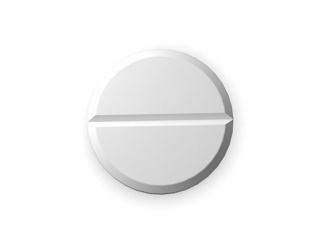
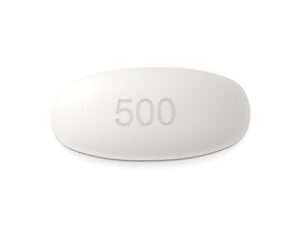

Panadol (Paracetamol) – Patient-Friendly Guide (UK)
Panadol contains paracetamol (also called acetaminophen). It is a widely used over-the-counter medicine in the United Kingdom for pain relief and reducing fever.
This guide explains how Panadol works, how to take it safely, common uses, timing, interactions (including alcohol), and practical tips to help you get the best results. It also covers UK availability and frequently asked questions.
Basic product information
- Active ingredient: Paracetamol
- Common uses: Headache, toothache, muscle aches, period pain, aches and pains, and fever
- Typical forms in the UK: Tablets/capsules and liquid formulations for children (varies by product)
- Legal status (UK): Generally available without prescription as an OTC medicine
Note: Panadol has multiple products. Always check the label on the specific pack you have (e.g., strength per tablet, age suitability, and dosing instructions).
How Panadol works (mechanism of action)
Paracetamol helps to reduce pain and fever. Its exact mechanism is complex, but broadly it:
- Acts within the brain to help lower elevated temperature (antipyretic effect).
- Reduces pain signalling by influencing pathways involved in pain perception.
- Has less effect on inflammation than some other painkillers (for example, ibuprofen), so it may be most helpful for pain and fever rather than swelling due to inflammation.
Pharmacokinetics (how the body handles it)
Understanding pharmacokinetics can help you take paracetamol at the right times and avoid exceeding safe doses.
- Absorption: Paracetamol is absorbed from the stomach and small intestine.
- Onset of effect: Many people feel pain relief and/or fever reduction within about 30–60 minutes, though this varies.
- Peak levels: Blood levels typically peak within about 1–2 hours after a dose.
- Metabolism: Mainly processed in the liver.
- Elimination: Broken-down products are removed mainly via the kidneys.
- Half-life: Often around 2–3 hours in healthy adults, but can be longer with liver impairment or overdose.
Important: Paracetamol overdose can cause serious liver damage, sometimes before symptoms appear. Staying within label dosing limits is essential.
Typical uses and indications
Panadol (paracetamol) is used for:
- Fever (including feverish illness)
- Headache
- Toothache
- Sore throat discomfort (pain relief)
- Muscle aches and body pains
- Back pain (temporary relief)
- Period pain
- Cold and flu symptom relief where pain and fever are present (always check combination products to avoid double-dosing paracetamol)
If you have a condition that may require medical attention (for example, severe or persistent fever, severe pain, or symptoms lasting more than a few days), seek advice from a pharmacist or GP.
When to take Panadol (timing and dose intervals)
Correct timing helps maintain consistent relief and reduces risk.
- Adults and children (age/weight dependent): Follow the dosing instructions on your specific Panadol pack.
- Common interval: Paracetamol is usually taken with a gap of about 4–6 hours between doses, depending on the formulation.
- Maximum daily dose: Do not exceed the maximum stated on the packaging. Exceeding the recommended dose increases the risk of liver injury.
Tip: If symptoms keep coming back, rather than taking extra, consider checking the underlying cause and whether another medicine strategy is more suitable (for example, non-pharmacological measures, or an alternative medicine such as ibuprofen if appropriate for you).
Food interactions
Paracetamol can generally be taken with or without food.
- With food: Often tolerated well.
- Without food: May work slightly faster for some people (varies).
- Stomach upset: Paracetamol is typically easier on the stomach than some anti-inflammatory painkillers, but individual responses vary.
If you experience nausea or stomach discomfort, taking the dose with a small meal or snack may help.
Alcohol and medicine interactions
Alcohol
Be cautious with alcohol when taking paracetamol.
- Regular heavy drinking or binge drinking can increase the risk of liver injury from paracetamol.
- If you drink alcohol, consider avoiding alcohol or keeping it to the lowest amount possible while using paracetamol.
- If you have liver disease, talk to a pharmacist or clinician before using paracetamol.
Other medicines that may interact
Many interactions relate to the risk of exceeding total paracetamol dose or affecting the liver. Key points:
- Do not combine multiple products that contain paracetamol (for example, some cold/flu remedies, combination pain products, and some “night-time” formulations).
- Warfarin (and similar anticoagulants): Regular or long-term use with paracetamol can sometimes affect blood thinning. Occasional doses are often tolerated, but seek advice if you take warfarin or other anticoagulants regularly.
- Medicines that affect the liver: Some medicines may increase liver strain or alter paracetamol metabolism. If you take long-term medicines, check with a pharmacist.
- Metoclopramide and domperidone: May alter how quickly paracetamol takes effect.
- Cholestyramine: May reduce the speed or absorption of paracetamol if taken close together.
Always check labels for paracetamol content. In the UK, “flu/cold” sachets and combination tablets often include paracetamol—this is a common cause of unintentional overdose.
Dosing (general guidance for UK packs)
Follow the dosing instructions on your specific Panadol product label. Doses depend on age, strength, and whether you have tablets or liquid formulations.
Adults (general)
- Typically taken as one or two doses depending on tablet strength and the label guidance.
- Do not exceed the maximum daily dose stated on the pack.
- Use the lowest effective dose for the shortest time needed.
Children
- Child doses are usually based on age and weight and are supplied as liquid formulations for easier measurement.
- Use a child measuring device (for liquids) and follow the dosing table provided.
- Do not use adult products to dose children unless the pack explicitly states it is suitable.
Special situations
- Liver impairment: Some people require reduced dosing or should avoid use. Ask a pharmacist or clinician.
- Underweight or frail elderly: Ask for tailored advice if unsure.
- Dehydration or prolonged fasting: Use caution; consider professional advice.
If you’re uncertain which dose is appropriate, a pharmacist can help interpret the pack instructions.
Safety profile and when to seek advice
Paracetamol is generally safe when used as directed. However, it has important safety considerations.
Common side effects
Most people have no side effects when taking paracetamol correctly. Possible effects can include:
- Mild nausea or stomach discomfort (less common)
- Skin reactions (rare): rash or itching
Serious risk: overdose and liver damage
The most important safety issue is overdose. Too much paracetamol can cause severe liver injury that may not cause immediate symptoms.
- Do not exceed the maximum daily dose on the label.
- Do not take more frequently than instructed.
- Check combination products for paracetamol content.
If you think you may have taken too much: seek urgent medical advice immediately (for example, contact NHS 111 or go to A&E, especially if an overdose is possible).
Allergy and contraindications
Do not take Panadol if you have had a known allergy to paracetamol or any ingredients in that specific product.
Practical use tips (getting the best and safest results)
- Keep a medicine record: If multiple people in the household use paracetamol, note the time and strength of doses to avoid repetition.
- Read labels for “hidden paracetamol”: Cold/flu combination medicines may contain paracetamol.
- Use a consistent schedule: If you need more than one dose per day, space them correctly (as per the pack).
- Stay hydrated: Especially if feverish or unwell.
- Consider non-drug measures: Rest, fluids, cool room temperature, and gentle warming for aches can complement medication.
- For persistent fever or pain: If symptoms last beyond recommended timeframes, consult a pharmacist or GP rather than repeatedly topping up doses.
Alternative options in the UK
Depending on the type of pain and your personal health situation, other options may be considered:
- Ibuprofen (an NSAID): may help pain with inflammation and is commonly used for musculoskeletal aches. Not suitable for everyone (for example, some people with stomach ulcers, kidney issues, or certain medical conditions).
- Other paracetamol brands: Same active ingredient; effectiveness generally similar when doses match.
- Non-medicine approaches: Heat/cold therapy, stretching, rest, dental advice, and treating the cause (for example, addressing a throat infection or tooth problem).
- Topical pain relief (e.g., gels or creams): can help certain localized pains.
If you are unsure which approach fits your symptoms and health history, ask a pharmacist for tailored advice.
Market and legal context in the UK (availability and labelling)
In the UK, paracetamol-containing products such as Panadol are widely available through pharmacies and other retail channels. Medicines are regulated and must meet UK standards for quality, labelling, and consumer safety information.
- OTC access: Panadol products are typically sold without a prescription, following strict pack instructions.
- Pack warnings: UK packs include safety warnings about maximum daily dose, age suitability, and overdose risks.
- “Paracetamol” on combination products: UK regulations support clear ingredient listing to help prevent accidental duplication.
Recent safety themes and guidance (UK): Ongoing UK public health messaging continues to emphasise the importance of:
- Checking cold/flu medicines for paracetamol content
- Staying within dose limits
- Seeking urgent help if overdose is suspected
- Using appropriate dosing for children based on age/weight and correct formulations
Delivery and availability (online pharmacy)
Panadol is commonly stocked by UK pharmacies and is usually available for delivery. Availability can vary by:
- Pack size and formulation (tablets/capsules vs. liquid)
- Strength per dose
- Seasonal demand (for example, winter flu season)
Typical delivery timelines depend on the pharmacy and courier service used. At checkout, you should see:
- Delivery options and estimated dates
- Order cut-off times (if applicable)
- Out-of-stock alternatives if your specific item is temporarily unavailable
FAQ – Panadol (Paracetamol)
1) Can I take Panadol with food?
Yes. Panadol can generally be taken with or without food. If it upsets your stomach, taking it with a meal or snack may help.
2) How long does Panadol take to work?
Many people notice improvement within about 30–60 minutes. Peak effect is often within 1–2 hours.
3) What is the maximum daily dose?
The maximum daily dose depends on the specific Panadol product and strength on your pack. Always follow the dose limit printed on your packaging. Do not exceed it.
4) Can I take Panadol with cold/flu remedies?
Be careful. Many cold/flu products contain paracetamol. Taking both could unintentionally cause an overdose. Check the ingredients on each product to confirm whether paracetamol is included.
5) Is it safe to drink alcohol while taking Panadol?
It’s best to limit or avoid alcohol while taking paracetamol, particularly if you drink heavily or have liver problems. Alcohol can increase the risk of liver injury.
6) Can I take Panadol if I’m pregnant or breastfeeding?
Paracetamol is commonly used during pregnancy and breastfeeding when taken at the recommended dose. If you are pregnant, breastfeeding, or trying to conceive, consider discussing with a pharmacist for personalised advice.
7) Can Panadol be used for children?
Yes, but only the correct children’s formulation and dosing instructions should be used. Doses depend on age and/or weight. Always measure liquid carefully using the dosing device provided.
8) What should I do if symptoms don’t improve?
If pain or fever lasts longer than expected, or if symptoms worsen, stop self-treating and seek advice from a pharmacist or GP. Persistent fever or severe symptoms may require further assessment.
9) What happens if I take too much paracetamol?
Too much paracetamol can cause serious liver damage. If you think an overdose may have occurred, seek urgent medical advice immediately, even if you feel well.
10) Are there alternatives to Panadol?
Depending on your needs, alternatives may include other paracetamol brands (same active ingredient), ibuprofen (if suitable), or non-medicine strategies. A pharmacist can help you choose safely.
Quick reference table
| Topic | Key points for Panadol (paracetamol) |
|---|---|
| What it’s for | Pain relief and reducing fever (e.g., headache, toothache, aches and period pain) |
| How it works | Helps reduce pain signalling and lowers elevated body temperature |
| When it starts working | Often within 30–60 minutes; peak effect about 1–2 hours |
| Dosing interval | Typically 4–6 hours between doses, depending on product guidance |
| Maximum dose | Do not exceed the maximum daily dose stated on your pack |
| Food | Generally can be taken with or without food |
| Alcohol | Use caution; heavy or frequent drinking increases liver risk |
| Common interaction risk | Accidental duplicate paracetamol from cold/flu or combination medicines |
Always read the product label and follow the instructions for your specific Panadol version. If you have questions about dosing, safety, or combining medicines, speak to a pharmacist.