
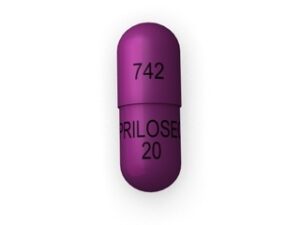
Pepcid (Famotidine) – Patient-Friendly Guide (UK)
Pepcid is a medicine that contains famotidine, used to relieve symptoms caused by excess stomach acid. It belongs to the group of medicines known as H2-receptor antagonists (also called “H2 blockers”).
This guide explains what Pepcid is, how it works, when it’s used, how to take it, and important safety information. It is written for people in the United Kingdom and uses general patient guidance. Always follow the instructions on the pack or given by a healthcare professional.
At a glance
- Active ingredient: Famotidine
- Type of medicine: H2-receptor antagonist (acid-reducing)
- Common uses: Heartburn/acid indigestion, symptoms of reflux
- Usually taken as tablets
- Helps reduce acid to relieve symptoms like burning in the chest and sour taste
Basic product information
| Feature | What it means for you |
|---|---|
| Medicine name | Pepcid (Famotidine) |
| How it works | Reduces acid production in the stomach |
| Typical onset | Often starts working within about 1 hour (varies by person and dose) |
| Duration | May last several hours; dosing depends on the condition being treated |
| Common side effects | Generally mild: headache, dizziness, diarrhoea or constipation in some people |
How Pepcid works (mechanism of action)
Famotidine blocks histamine H2 receptors on the stomach’s acid-producing cells. Under normal conditions, histamine helps stimulate the secretion of stomach acid. By blocking these receptors, Pepcid reduces the amount of acid released into the stomach.
This can help:
- Relieve heartburn and burning sensations
- Reduce acid-related discomfort such as sour regurgitation
- Support reflux symptom control by lowering acidity
Pharmacokinetics (how the body handles it)
Pharmacokinetics describes how the medicine is absorbed, distributed, metabolised, and eliminated. While individual results vary, the following points are important for patients.
Absorption
Famotidine is absorbed after oral dosing. Peak levels typically occur within a few hours, though the exact timing can vary depending on the formulation and your personal physiology.
Distribution
Once absorbed, famotidine distributes through the body and acts primarily on the stomach lining to reduce acid output.
Metabolism and elimination
Famotidine is largely eliminated through the kidneys. Because of this, people with reduced kidney function may need lower doses or longer intervals between doses.
Typical use in the UK
Pepcid is used to treat symptoms related to excessive stomach acid, including:
- Heartburn (burning behind the breastbone)
- Indigestion due to acid
- Gastro-oesophageal reflux disease (GORD) symptoms such as sour taste and regurgitation
- Reflux-related discomfort that improves with acid reduction
In some cases, doctors may use famotidine for specific acid-related conditions. If you are unsure why you have been advised to take Pepcid, check the pack instructions or speak to a pharmacist.
Timing: when to take Pepcid
The best timing depends on what you’re treating. In general, famotidine can be taken:
- For symptoms after meals: taking it before or with meals may help control meal-related heartburn.
- For night-time symptoms: taking it in the evening or at the time suggested on the pack may help reduce nocturnal reflux symptoms.
If you are using it for occasional heartburn, you may notice symptom relief after the first dose. For recurrent symptoms, consistent use according to the recommended schedule is usually more effective.
Food interactions and taking with meals
Famotidine can generally be taken with or without food, and food does not typically prevent it from working. However, your own symptom pattern matters:
- If your symptoms happen after eating, many people find taking Pepcid before meals helpful.
- If symptoms happen at night, taking it as advised by the pack/clinician before bed may be beneficial.
If you notice your symptoms worsen when taking Pepcid at a particular time of day, talk to a pharmacist for practical timing advice.
Alcohol and medicine interactions
Alcohol
Alcohol can worsen heartburn and reflux in many people, regardless of the acid-reducing medicine you take. It may increase stomach irritation and relax the valve between the stomach and the oesophagus, making reflux more likely.
If you drink alcohol, consider limiting intake during treatment, especially if you notice a clear link between alcohol and symptom flare-ups.
Interactions with other medicines
Most people can take famotidine with many commonly used medicines. However, certain interactions may occur, particularly if you take other medicines that depend on stomach acidity for absorption or effect.
Always tell your pharmacist or GP about all medicines you use, including over-the-counter products and herbal remedies. Key points to discuss may include:
- Other acid-related medicines (e.g., antacids, PPIs, other H2 blockers): using multiple acid reducers together may not be necessary.
- Medicines affected by gastric pH: reduced acid levels can change how certain medicines absorb.
- Medicines cleared by the kidneys: because famotidine is removed by the kidneys, your kidney function and other kidney-cleared medicines may be relevant.
If you are taking long-term medication (e.g., for blood pressure, thyroid, diabetes, or blood thinning), it’s especially important to check whether your regimen is compatible with famotidine.
Indications: when Pepcid is used
Pepcid is indicated for conditions where acid reduction helps symptoms. In everyday terms, that usually means:
- Heartburn and acid indigestion
- Reflux symptoms such as burning, sour regurgitation, and discomfort behind the breastbone
- GORD symptom relief (as advised on the pack or by a clinician)
If you have frequent or persistent symptoms, ongoing management strategies may be recommended. Acid reducers can help, but they do not replace lifestyle changes (such as weight management, avoiding late meals, and reducing trigger foods).
Dosing: general guidance for adults
Always follow the dose stated on your pack or the instructions given by a healthcare professional. The correct dose depends on the condition being treated, your age, and your kidney function.
Common adult dosing principles
- Occasional symptoms: some people take a dose at the time symptoms start or before meals that trigger reflux.
- Recurrent symptoms: regular dosing as directed can provide better control.
Because packs and strengths can vary, we cannot safely provide an exact dosing schedule for every product variant here. Check your Pepcid pack for the precise recommended dose and frequency.
Children and young people
Famotidine use in children depends on age, weight, and the specific formulation. If Pepcid is being considered for a child, consult a pharmacist or clinician for appropriate dosing guidance.
Kidney problems
Since famotidine is cleared largely by the kidneys, people with kidney impairment may need a lower dose or less frequent dosing. If you have known kidney problems, ask a pharmacist to review the suitability of the dose on your pack.
Missed dose
If you miss a dose, take it when you remember unless it’s nearly time for the next dose. Do not take a double dose to make up for a missed one.
Safety profile: who should take care
Pepcid is generally well tolerated when used correctly. Like all medicines, it can cause side effects. Most people experience no serious problems, but you should know what to look for.
Common or possible side effects
- Headache
- Dizziness
- Diarrhoea or constipation
- Nausea in some people
Serious side effects (seek urgent advice)
Stop taking Pepcid and seek medical help urgently if you develop symptoms of a serious allergic reaction, such as:
- Swelling of the face, lips, tongue, or throat
- Difficulty breathing or wheezing
- Severe rash or hives
Important precautions
- Unexpected weight loss, vomiting blood, black stools, or difficulty swallowing may indicate a serious condition.
- Persistent symptoms despite treatment should be reviewed by a healthcare professional.
- If you have kidney impairment, your dose and monitoring may need adjustment.
- Inform a clinician if you are pregnant or breastfeeding.
Practical use tips for better symptom control
Pepcid helps reduce acid, but reflux often has multiple causes. These practical tips can improve results:
- Choose the right time: if symptoms follow meals, consider taking Pepcid before food as appropriate.
- Avoid late eating: try not to eat within 2–3 hours of bedtime.
- Elevate if night-time symptoms: raising the head of the bed can reduce reflux while sleeping.
- Identify triggers: common triggers can include spicy foods, fatty meals, chocolate, caffeine, and alcohol.
- Smaller meals: large portions can increase stomach pressure and reflux risk.
- Stop smoking if you do: smoking can worsen reflux.
Remember: if symptoms are frequent (e.g., most days) or you need acid treatment repeatedly, you may benefit from a review rather than continuous self-treatment.
Alternative options to Pepcid
Depending on your symptoms and how often they occur, other medicines may be suitable. In the UK, typical alternatives include:
- Antacids (e.g., calcium or aluminium/magnesium-based): work quickly for occasional heartburn but generally offer shorter relief.
- Alginate-based products (often for reflux): form a protective “raft” that helps reduce regurgitation.
- PPIs (proton pump inhibitors) (e.g., omeprazole, lansoprazole): often used for frequent reflux or more persistent GORD symptoms.
- Other H2 blockers: your pharmacist can advise on available options.
The “best” choice depends on symptom frequency, triggers, and the severity/duration of reflux. If you’re unsure, ask a pharmacist what fits your pattern of symptoms.
UK market and legal context (how Pepcid is typically supplied)
In the United Kingdom, access to medicines depends on product classification and pack status. Acid-related medicines range from pharmacy-only options to general sales (availability may vary by strength and formulation).
When buying Pepcid in the UK, check:
- Pack instructions for strength, approved use, and dose frequency
- Whether it is pharmacy or general sale depending on the product variant
- Expiry date and storage conditions
Regulations may also affect how medicines are supplied online, including pharmacy checks where required.
Recent guidance and clinical considerations
UK-based guidance for reflux and heartburn commonly emphasises:
- Lifestyle measures (diet, portion size, timing of meals, weight management)
- Stepping treatment based on symptom frequency and response
- Review of persistent symptoms rather than indefinite self-treatment
In many people with more frequent or severe GORD, clinicians may prefer a course of a PPI. H2 blockers like famotidine may be used where appropriate, particularly when symptoms respond well to acid suppression or where a PPI is not suitable.
Always seek advice if your symptoms are changing, worsening, or not improving with the approach you’re using.
Delivery and availability (UK)
Pepcid is widely available in the UK through pharmacies and online medicine retailers, subject to stock availability and legal supply requirements. Delivery options and dispatch times vary by supplier.
- Availability: stock levels can change; popular pack sizes may sell out.
- Delivery: most UK online pharmacies offer tracked delivery with estimated timeframes at checkout.
- Packaging: medicines are typically dispatched in secure packaging to protect the product and comply with regulations.
- Temperature: follow storage instructions on the pack (typically store at room temperature away from excess heat).
If you need the medicine urgently, check the retailer’s delivery estimates and consider contacting customer support for real-time stock information.
FAQ
1) How quickly does Pepcid work?
Many people notice relief within about 1 hour, though timing can vary depending on dose, formulation, and whether your symptoms are meal-related.
2) Can I take Pepcid with food?
Yes—famotidine is generally suitable with or without food. If your heartburn tends to happen after meals, taking it before food may help.
3) Should I take Pepcid every day?
It depends on how often you get symptoms and what your pack instructions recommend. If you need it frequently, discuss a longer-term plan with a pharmacist or GP.
4) What if my symptoms come back?
Symptom return can happen if triggers continue (such as late meals or alcohol) or if reflux is persistent. If symptoms keep recurring, ask a pharmacist about the most suitable option and whether you need assessment.
5) Can I drink alcohol while taking Pepcid?
Alcohol may worsen reflux symptoms in many people. Limiting alcohol while you’re being treated may help you get better symptom control.
6) Are there any interactions with other medicines?
Some medicines may be affected by lower stomach acid or by kidney clearance. Tell your pharmacist about all medicines and supplements you take so they can check compatibility.
7) Who should not use Pepcid without advice?
Seek advice if you have kidney problems, are pregnant or breastfeeding, or if you have symptoms suggesting a more serious condition (such as vomiting blood, black stools, unexplained weight loss, or difficulty swallowing).
8) What should I do if I miss a dose?
Take it when you remember unless it’s nearly time for the next dose. Do not double up.
9) When should I contact a healthcare professional?
Contact a healthcare professional if you:
- Have severe or persistent heartburn
- Need acid-suppression frequently over a long period
- Notice new or worsening symptoms
- Have red-flag symptoms (e.g., difficulty swallowing, vomiting blood, black stools, significant unexplained weight loss)
10) What are the lifestyle steps that work best alongside Pepcid?
Often helpful steps include avoiding late meals, reducing trigger foods, managing weight if relevant, elevating the head of the bed, and limiting alcohol. These measures can reduce reflux episodes and improve the effect of treatment.
Important note
This information is for general guidance and does not replace instructions from your pack or advice from a healthcare professional. If you have concerns about symptoms, side effects, or interactions, speak to a pharmacist for personalised advice.