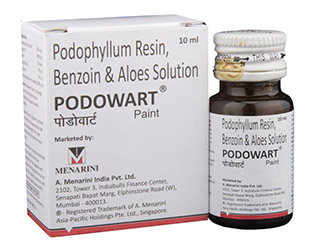
Podowart (Podophyllum resin) – Patient Information for the UK
Podowart contains podophyllum resin, a plant-derived medicine used to treat certain skin growths caused by human papillomavirus (HPV), most commonly genital warts and some other externally located warts. This guide explains what the medicine does, how it works in the body, how to use it safely and effectively, and what to expect.
This information is for general guidance. If you are unsure whether Podowart is suitable for your condition, check the product instructions and speak with a healthcare professional. Always read the patient leaflet supplied with your medicine.
Quick product overview
| Feature | What you should know |
|---|---|
| Medicine | Podowart (podophyllum resin) |
| Common use | External treatment of genital warts (HPV-related) and other suitable warts, as directed in product instructions |
| How it’s applied | A solution is painted/applied directly onto wart tissue (follow instructions carefully) |
| When to use | Typically on a cyclical schedule (commonly several consecutive days followed by a rest period), depending on the leaflet |
| Key safety points | Use only on external skin/warts; avoid eyes, inside the body, broken skin, and widespread application |
| Side effects | Local reactions are most common: redness, soreness, burning, swelling, and skin irritation |
What is Podowart?
Podowart is a topical medicine (applied to the skin) containing podophyllum resin. It is used to treat certain HPV-related wart growths that are located on the body’s outer surfaces.
Podophyllum resin works by interfering with how wart cells divide and multiply. Because it is applied directly to lesions, the goal is to affect the wart tissue while limiting harm to surrounding normal skin.
Mechanism of action (how it works)
Podophyllum resin is a cytotoxic agent. It helps to stop wart tissue from growing by targeting processes needed for cell division. The active components interfere with cellular functions involved in mitosis (cell replication).
In practical terms, this results in:
- Reduced wart growth
- Wart tissue weakening
- Gradual disappearance or shrinking of lesions over time
Pharmacokinetics (what happens in the body)
With topical use, only a limited amount of the medicine is expected to enter the bloodstream. The body’s exposure is generally lower than with systemic medicines taken by mouth.
Key points for patients include:
- Absorption: Absorption through intact skin is typically limited, but risk increases if applied to large areas, broken skin, or mucosal surfaces.
- Distribution: If absorbed, any systemic exposure would distribute through the body similarly to other small organic compounds, but this is expected to be low with correct topical use.
- Metabolism and elimination: Absorbed components are expected to be metabolised and eliminated, but clinical relevance is usually small when used as directed.
Because of the potential for systemic toxicity if misused, it is crucial to follow the leaflet’s instructions exactly and apply only to the prescribed wart area.
Typical uses in the UK
Podowart is used for external wart conditions caused by HPV, most commonly: genital warts on external genital skin.
It may also be used for other types of external warts only if the product leaflet supports that use and your clinician has advised it. If you are unsure whether your wart is suitable for this medicine, do not assume—wart appearance can vary, and not all growths are HPV-related.
Indications (when it is intended to be used)
Podowart is indicated for the treatment of external genital warts and selected external warts in line with the product instructions. Use on:
- External skin surfaces where warts are present
- Wart tissue only, avoiding surrounding normal skin
- Small, visible lesions as directed by the leaflet
Do not use on areas not specified in the leaflet. In particular, avoid applying inside the vagina, rectum, urethra, or other internal mucosal areas unless explicitly instructed by a healthcare professional.
Dosing and how to apply
Always follow the dosing schedule in the official Podowart leaflet included with your pack. The schedules may vary depending on formulation strength and region. Below is a typical approach for topical podophyllum resin wart treatments, provided for patient understanding.
Common dosing pattern (typical)
- Apply the solution directly to the wart(s) using the applicator provided.
- Timing: often applied once daily for a short number of days (for example, several consecutive days), followed by a rest interval of a few days.
- Repeat cycles if needed, according to the leaflet and your response.
Step-by-step practical application tips
- Wash and dry the area thoroughly before application.
- Protect surrounding skin if the leaflet suggests a barrier method (for example, careful use of a protective covering on nearby normal skin).
- Use the applicator carefully to touch only the wart surface. Avoid spreading to healthy skin.
- Allow to dry before getting dressed or contacting clothing.
- If the leaflet instructs that the area should be washed after a set period, follow this exactly. Many patients are advised to apply and then wash later to reduce irritation.
How long does treatment take?
Improvement may be seen over days, but wart clearance typically takes longer and may require multiple treatment cycles. If there is no response after the recommended number of cycles, contact a healthcare professional for review.
Timing: what to expect during treatment
Early changes can include mild to moderate local irritation. Typical timing includes:
- First few days: possible redness, tenderness, or burning sensation on treated tissue.
- During cycles: warts may shrink, scab, or become less prominent.
- After cycles: lesions may clear gradually; complete resolution can take time.
If irritation is severe, the medicine may need to be stopped and medical advice sought. Do not “push through” significant pain or extensive skin damage.
Food interactions
Because Podowart is a topical medicine, it is not usually expected to interact with food. However, the irritation caused by topical treatment can occasionally affect comfort and eating if painful areas interfere indirectly.
Practical guidance: there are no well-known food-related interactions expected with correct topical use. If you notice any unexpected reactions, seek advice.
Alcohol and medicine interactions
Podowart is applied to the skin. With correct use, systemic exposure is generally low, so interactions with alcohol are not commonly expected. That said, avoid alcohol if you feel it worsens side effects such as dizziness, dehydration, or general sensitivity.
Important: The bigger concern is not food or alcohol, but application accuracy and area treated. Misuse (for example, applying to larger areas, broken skin, or mucosal surfaces) can increase absorption and risk of toxicity.
Other medicines
If you are using other topical products on the same area (for example, creams, antiseptics, or other wart treatments), avoid using them together unless the leaflet or a clinician advises. Combining irritants can increase inflammation and delay healing.
- Do not combine with other wart/corrosive products on the same sites.
- Be cautious with products that may irritate skin, including some antiseptics and strong topical treatments.
- If you are taking systemic medicines, there is usually low expectation of direct interaction, but confirm if you have complex medical history.
Safety profile and side effects
Like all medicines, Podowart can cause side effects. Many are local and linked to the treatment effect and irritation of skin.
Common side effects (local)
- Redness
- Burning or stinging
- Soreness or tenderness
- Swelling
- Skin irritation or discomfort
- Crusting/scabbing of wart tissue as it changes
Less common but important reactions
- Ulceration (skin breakdown)
- Severe inflammation of the surrounding skin
- Blistering or significant pain
- Infection if skin is damaged (seek advice if there is increasing pain, pus, or fever)
When to stop and seek urgent medical advice
Contact a healthcare professional promptly if you experience:
- Severe burning or pain
- Widespread skin damage beyond the wart area
- Heavy bleeding or deep ulceration
- Signs of infection (spreading redness, warmth, pus, fever)
- Any reaction affecting eyes or accidental exposure to sensitive areas
Contraindications and who should be extra careful
You should not use Podowart unless it is appropriate for your condition as described in the leaflet. Particular caution is needed if you have:
- Poorly defined lesions where the diagnosis is uncertain (not all lumps are warts)
- Broken skin or open sores at the site of application
- Severe skin conditions (e.g., eczema flare in the area)
- Any history of significant sensitivity to ingredients
- Pregnancy or plans to become pregnant—seek specific medical advice before use, as guidance may differ by situation
If you are unsure, consult a healthcare professional rather than trying to treat an unknown growth.
Practical use tips for best results
- Apply precisely: treat the wart tissue only. Using too much or applying to normal skin increases irritation and risk of complications.
- Keep treatment limited: follow the maximum area and lesion limits in the leaflet.
- Wash your hands after application. Do not touch eyes or other sensitive areas.
- Don’t share applicators and avoid cross-contamination.
- Avoid friction on treated skin (loose clothing can help).
- Sex and skin contact: if you are treating genital warts, friction and irritation may worsen discomfort. Also, while the medicine treats visible warts, it does not remove HPV entirely. Use barrier protection for safer sex as appropriate and follow NHS/local sexual health advice.
Alternative options
Several treatments may be used for genital warts depending on size, location, number of lesions, patient preference, and local healthcare services. If Podowart is not suitable or does not work, alternatives include:
- Other patient-applied topical treatments (choice depends on leaflet suitability and clinician guidance)
- Clinic-based treatments such as cryotherapy (freezing), surgical removal, or other specialist topical therapies
- Combination approaches may be used by clinicians in selected cases
Discuss options with a healthcare professional or sexual health clinic, particularly if warts are extensive, recurring, or in sensitive areas.
Market and legal context for the UK
In the United Kingdom, treatments for warts and HPV-related lesions are provided through a mix of pharmacy services, sexual health clinics, and GP services. Product availability, classification, and guidance can vary by formulation and supplier.
Podophyllum resin products for external warts are generally supplied in line with UK medicines regulations and pharmacy standards. Online pharmacies offering such products should ensure:
- Clear patient information and leaflet access
- Proper identification of the condition being treated
- Safety checks for contra-indications and misuse risks
- Secure ordering, appropriate delivery, and compliant handling
Recent guidance and care considerations (UK)
Over recent years, UK sexual health guidance has emphasised:
- Accurate diagnosis of lesions before treatment (since not all growths are genital warts)
- Patient education on correct application and avoiding mucosal surfaces
- Managing recurrence, since HPV can persist even when visible warts clear
- Safer sexual practices and ongoing testing/clinic review when needed
If warts return, increase in size, or do not respond after the advised course, review with a clinician is recommended.
Delivery and availability (UK)
Podowart may be available through participating online pharmacies in the UK. Availability can depend on stock levels and product format.
Typical delivery expectations include:
- Dispatch: orders are usually dispatched on working days once payment is confirmed.
- Delivery times: depend on the courier service selected at checkout (often within 1–3 working days, but this varies).
- Packaging: medicines are supplied in protective packaging to prevent leaks or damage.
For the most accurate information, refer to the delivery policy shown at checkout.
FAQ
1) Can I use Podowart on any wart anywhere on the body?
Use only as specified in the product leaflet for the type and location of warts. Podowart is intended for external warts, commonly including genital warts on external genital skin. Avoid internal or mucosal areas unless clearly instructed by the product information.
2) How soon will I see results?
Some people notice changes within the first days, but clearance often takes weeks and may require multiple treatment cycles. If there is little or no improvement after the recommended course, seek medical advice.
3) What should I do if the treated area becomes very sore?
Mild irritation can be expected. If soreness becomes severe, blistering occurs, or the healthy surrounding skin is badly affected, stop applying and seek advice from a healthcare professional or pharmacist.
4) Can I wash the area after applying Podowart?
Follow the leaflet exactly. Some regimens instruct washing after a specified period; others require leaving the product in place. Don’t improvise—washing too early or too late can affect both effectiveness and irritation.
5) Does Podowart cure HPV?
Podowart treats visible wart tissue. HPV may still persist in the skin or genital area, so recurrence is possible. Continued safer sexual practices and clinic review can help manage ongoing risk.
6) Is it safe to have sex while using Podowart?
Genital warts and treatments can cause irritation and increased discomfort during contact. Barrier methods (such as condoms) may reduce transmission risk but do not eliminate it. Consider avoiding sex if the area is very sore or irritated, and follow sexual health advice from local services.
7) Can I use other creams with Podowart?
Avoid applying other irritant creams to the same area unless the leaflet or a healthcare professional says it’s safe. Combining products can worsen irritation and complicate assessment of response.
8) What if I accidentally get it somewhere it shouldn’t be?
If Podowart comes into contact with eyes or other sensitive tissues, rinse thoroughly with water immediately and seek urgent medical advice. Also contact a healthcare professional if skin damage occurs beyond the wart area.
9) What if I’m pregnant or breastfeeding?
Pregnancy and breastfeeding require specific medical advice. Check the leaflet and speak with a healthcare professional before use.
10) Are there any signs that my growth might not be a wart?
If the lesion is painful, bleeds easily, changes rapidly, is ulcerated, has an unusual colour, or you’re not sure what it is, seek medical assessment. Not all skin or genital growths are HPV-related warts.
Summary
Podowart (podophyllum resin) is a topical treatment designed to remove certain external warts, most notably genital warts, by interfering with wart cell division. When used correctly—on the right area, at the right time, and in the right amount— many people experience wart shrinkage and clearance. However, because irritation can be significant if used improperly, careful application and prompt attention to severe side effects are essential.
If your symptoms worsen, do not improve after the recommended treatment course, or if you have concerns about diagnosis or suitability, contact a healthcare professional or pharmacist for advice.