Pimecrolimus (for skin use) – Patient-Friendly Guide (UK)
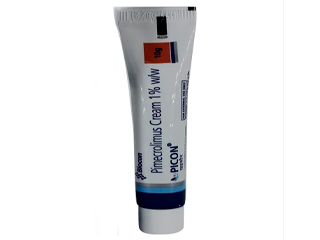
Pimecrolimus is a prescription-strength medicine used to treat certain inflammatory skin conditions. It belongs to a group of medicines called topical calcineurin inhibitors. This guide explains how pimecrolimus works, how it’s typically used, what to expect, and how to use it safely. It also covers important interactions and practical tips for everyday use in the United Kingdom.
Quick product facts
| Feature | Details |
|---|---|
| Generic name | Pimecrolimus |
| Medicine type | Topical anti-inflammatory (calcineurin inhibitor) |
| How it’s used | Applied to affected skin as a cream |
| Common condition treated | Atopic dermatitis (eczema) in selected patients |
| Onset | Some improvement may be seen within days; full effect may take longer |
| Food effects | Generally not relevant with topical use, but always inform healthcare professionals of all medicines |
| Systemic absorption | Low absorption through intact skin |
What is pimecrolimus?
Pimecrolimus is a non-steroid topical treatment used to reduce inflammation in the skin. It is designed to calm the immune response that contributes to eczema flare-ups and persistent itching and redness. Because it targets immune signalling pathways in skin, it may be an option when you want to avoid or reduce steroid use.
How pimecrolimus works (mechanism of action)
Pimecrolimus belongs to the macrolactam class and works by inhibiting a protein called calcineurin inside certain immune cells in the skin. Calcineurin is involved in turning on immune signals (including inflammatory cytokines). By blocking this pathway, pimecrolimus helps to:
- Reduce local inflammation
- Lower immune activation in affected skin
- Help control symptoms such as redness and itch associated with eczema
Pharmacokinetics (how the body handles it)
With topical use, only small amounts of pimecrolimus are expected to enter the bloodstream. Most of the medicine acts locally in the skin. When absorption occurs, it is typically low and short-lived, especially when applied correctly and to small areas.
- Absorption: Low through intact skin; may increase on inflamed or damaged skin.
- Distribution: Limited systemic distribution is expected due to low absorption.
- Metabolism & elimination: Any absorbed drug would be metabolised and cleared by normal body processes. Clinically significant systemic effects are uncommon when used as directed.
In practice, this means you should still follow application instructions carefully, but systemic side effects are less likely than with medicines that are taken by mouth.
What it’s used for (indications)
Pimecrolimus is indicated for the treatment of atopic dermatitis (eczema) in certain groups of patients. It’s also used in selected cases for maintenance to help reduce the risk of flares. The exact age range and treatment approach can vary with local product guidance and your individual situation.
Your clinician or pharmacist will confirm whether pimecrolimus is appropriate for you based on:
- Type and severity of your eczema
- Location and extent of affected areas
- Your age (and for children, their specific circumstances)
- History of other treatments and response
Typical use and timing
Pimecrolimus is applied thinly to the affected skin areas. It’s usually used when symptoms occur (flare treatment) or as advised for prevention/maintenance. Because eczema patterns differ from person to person, the “best” schedule depends on your treatment plan.
Common timing approach (general guidance)
- Start early during a flare: Apply as soon as symptoms appear (e.g., early redness/itch), unless you were told otherwise.
- Follow a set frequency initially: Many regimens involve applying twice daily for flares, then reassessing the need for ongoing use.
- Use on a limited area: Apply to eczema-affected areas rather than the whole body unless directed.
- Stop when clear (unless maintenance is advised): If symptoms settle, you may be advised to stop or reduce frequency.
Important: Always follow the instructions provided with your specific product and the directions given by your healthcare professional.
Dosing – how much to apply
Dosing with topical medicines is typically described using the amount needed to cover a skin area. Your healthcare professional may use a specific dosing schedule for your condition and location.
How much cream?
A commonly used approach for topical skin medicines is the concept of covering the affected area evenly with a thin layer. You should not apply more than required to achieve a thin coating.
- Thin layer: Apply only enough to cover the affected skin lightly.
- Avoid intact mucosa: Don’t apply inside the mouth, eyes, or on broken skin unless instructed.
- Small areas first: If possible, treat clearly affected areas before expanding.
Missed dose
If you forget an application, apply it when you remember. If it’s almost time for the next dose, skip the missed dose and continue as normal. Do not apply extra to make up for a missed application.
Food interactions
Because pimecrolimus is used on the skin, food interactions are not usually expected. Any systemic exposure is generally low, so dietary changes are typically unnecessary.
However, if you are taking other medicines (especially oral immunosuppressants) or have complex medical conditions, it’s still sensible to discuss your full medication list with a pharmacist or clinician.
Alcohol and medicine interactions
Direct alcohol interactions are not commonly expected with topical pimecrolimus. That said, eczema can worsen with irritants, heat, and stress. Alcohol may indirectly affect your eczema in some people by contributing to skin irritation or sleep disruption.
Interactions with other medicines (practical view)
There are no widely expected major drug interactions from topical pimecrolimus in typical use. Nevertheless, interactions can occur in special situations, for example if:
- You are using other topical medicines on the same area
- You are treating a large area, using frequent applications, or applying to broken skin
- You are taking systemic immunosuppressive medicines
To reduce the chance of problems, use a simple routine:
- Inform your pharmacist about all medicines and skin products you use.
- Keep at least short spacing between different topical treatments unless your clinician told you to combine them.
- Do not use pimecrolimus alongside other strong anti-inflammatory skin preparations on the same site unless directed.
Safety profile and side effects
Most people tolerate pimecrolimus well, especially when used as directed. As with all medicines, side effects can occur. If you experience severe or worsening symptoms, contact a healthcare professional promptly.
Common skin-related effects
- Burning or stinging sensation at the application site (often early in treatment)
- Itch or redness in treated areas
- Dry skin or irritation
Less common but important effects
- Skin infection signs such as increasing pain, spreading redness, pus, or crusting
- Swelling or significant worsening of eczema
- Rash beyond the treated area
When to seek medical advice urgently
Seek urgent advice if you have signs of a serious allergic reaction such as:
- Difficulty breathing
- Swelling of the face, lips, tongue, or throat
- Widespread hives
Practical use tips for best results
Good technique matters with topical medicines. The tips below can improve effectiveness and reduce irritation.
- Apply to clean, dry skin: After gently washing, pat dry. Avoid applying onto very wet skin.
- Use a thin layer: A light coating is usually enough—thicker layers don’t necessarily improve outcomes.
- Wash your hands after applying: Unless treating your hands, wash after use to avoid accidental contact with eyes and mouth.
- Don’t cover with occlusive dressings: Unless your clinician instructs it. Occlusion can increase absorption and irritation.
- Use moisturisers wisely: Moisturise regularly (often “sandwiching” may help—moisturiser then pimecrolimus, depending on your plan). If combining products, apply moisturiser first, wait briefly, then apply pimecrolimus.
- Avoid triggers: Fragrance-containing products, harsh soaps, overheating, and rough clothing may worsen eczema.
- Sunlight caution: Protect treated skin from excessive UV exposure, including sunbeds.
How to use alongside moisturisers and other eczema care
Many people with eczema use a moisturiser as their baseline treatment and pimecrolimus as a targeted anti-inflammatory therapy. Consider this general routine:
- Wash gently and pat dry.
- Apply moisturiser to reduce dryness.
- Apply pimecrolimus thinly to active eczema areas as directed.
- Allow it to absorb (a few minutes) before dressing.
If you are also using other creams (for example, antiseptics, antibiotics, or topical steroids), discuss the schedule with a healthcare professional, especially for the same body areas.
Alcohol and eczema: practical considerations
While pimecrolimus does not usually interact directly with alcohol, eczema symptoms may be affected by general health factors. Some people notice that alcohol can trigger flushing, worsen sleep, or aggravate inflammation. If you observe a pattern, consider reducing or avoiding alcohol and monitor your skin response.
Alternative options for eczema treatment (UK)
Eczema management can include several approaches depending on age, severity, infection, and frequency of flares. Alternatives to pimecrolimus may include:
Topical options
- Topical corticosteroids (for short-term flare control, chosen potency based on site and severity)
- Other topical calcineurin inhibitors (e.g., tacrolimus) where appropriate
- Emollients (moisturisers) used consistently as part of maintenance
- Topical antiseptics if infection is suspected (only when advised)
Non-topical and specialist options
- Phototherapy in some chronic cases under specialist care
- Systemic therapies for severe or difficult-to-control eczema (specialist-led)
- Biologic medicines for selected adults and children with moderate-to-severe eczema
If pimecrolimus isn’t working well for you, or your eczema is severe, a clinician can reassess the diagnosis, triggers, infection, and suitability of other treatments.
Market and legal context in the United Kingdom
In the UK, medicines containing pimecrolimus are regulated to meet safety, quality, and effectiveness standards set by UK regulatory bodies. Availability and prescribing rules depend on local product licensing, patient age criteria, and clinical guidelines.
Online pharmacy supply in the UK is subject to strict requirements:
- Supply must be through appropriate channels and within regulatory frameworks.
- Patient information leaflets and clear usage directions should be provided.
- Pharmacies must follow safeguarding procedures, age checks, and medication verification processes.
If you’re buying pimecrolimus online, always ensure the product is provided by a legitimate UK-licensed pharmacy and that packaging clearly identifies the medicine and concentration.
Recent guidance and eczema management trends (UK context)
Eczema care in the UK increasingly emphasises:
- Regular emollient use as a foundation
- Early flare treatment rather than waiting
- Targeted anti-inflammatory therapy tailored to location and age
- Reducing long-term reliance on any single product class where possible
- Assessing infection and triggers (including contact dermatitis) when symptoms worsen
Topical calcineurin inhibitors like pimecrolimus remain part of the toolbox for appropriate patients, particularly where steroid-sparing strategies are needed.
Delivery and availability (UK online pharmacy)
Availability can vary by supplier and concentration/pack size. Most UK online pharmacies can offer delivery to standard UK addresses. Delivery times depend on stock status and carrier services.
- In-stock items: often dispatched quickly according to the pharmacy’s delivery policy.
- Out-of-stock items: may require ordering from the wholesaler, extending delivery times.
- Cold chain: pimecrolimus creams are generally not temperature-sensitive to a “cold chain” level, but always store according to the leaflet.
For the most accurate delivery estimates, check the pharmacy’s product page for current stock status and shipping options.
Storage and handling
- Store at the temperature stated on the product packaging or leaflet.
- Keep the container tightly closed.
- Keep out of sight and reach of children.
- Check the expiry date and do not use after it has passed.
Frequently Asked Questions (FAQ)
1) Is pimecrolimus a steroid?
No. Pimecrolimus is a non-steroid anti-inflammatory medicine. It is classed as a topical calcineurin inhibitor.
2) When will I start to see results?
Some people notice improvement in redness and itch within days. Eczema symptoms can vary, and full calming of flare inflammation may take longer. If there is no improvement after the timeframe advised by your clinician or pharmacist, seek advice.
3) Can I use pimecrolimus on my face?
It can sometimes be used on facial eczema, but the best choice of product and schedule depends on your age, the exact location, and the severity of symptoms. Avoid getting cream near the eyes or inside the mouth.
4) What should I do if it burns when I apply it?
A mild burning or stinging sensation can happen, especially at the start of treatment. If it’s mild and temporary, it may settle as your skin adapts. If it becomes severe, persistent, or accompanied by worsening swelling or rash, stop and consult a healthcare professional.
5) Can I wear moisturiser and makeup?
You can usually use moisturiser as part of eczema care. For makeup, consider that some products may irritate eczema-prone skin. If your skin feels stable, you may use makeup cautiously, but avoid applying over active inflamed areas and remove gently.
6) Can I take a bath or shower after applying?
It’s generally best to apply to clean, dry skin. After applying pimecrolimus, avoid washing the treated area immediately. If you need to wash, do so gently and pat dry.
7) Are there any sun-related concerns?
Try to limit excessive sun exposure on treated areas. Use appropriate skin protection (e.g., clothing and sunscreen as appropriate) and avoid sunbeds. If you get unusual skin reactions after sunlight exposure, seek advice.
8) Can I combine pimecrolimus with topical steroids?
Sometimes clinicians may recommend a plan that uses different treatments at different times or on different body areas. Do not mix or alternate without guidance, because incorrect schedules can increase irritation or reduce effectiveness.
9) Is pimecrolimus safe for children?
Suitability depends on age and individual medical circumstances. If you are using it for a child, ensure you follow the product leaflet and professional instructions closely, and use only on recommended areas.
10) What if my eczema looks infected?
Infection signs can include increased pain, oozing, crusting, spreading redness, fever, or rapidly worsening symptoms. If infection is suspected, contact a healthcare professional promptly, as you may need different treatment.
Summary
Pimecrolimus is a topical, non-steroid anti-inflammatory treatment used for selected cases of eczema. It works by modulating immune signalling in the skin, helping to reduce inflammation that drives symptoms like redness and itch. When used correctly—thinly on affected areas, with consistent eczema care such as moisturising—many people find it helps control flare-ups.
For the best outcome, follow the exact instructions provided with your medicine, protect treated skin from irritants and excessive UV exposure, and seek advice if symptoms worsen, do not improve, or infection is suspected.