
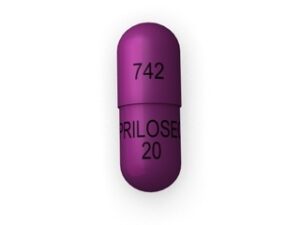
Reglan (Metoclopramide) – Patient Information (UK)
Reglan is a medicine containing metoclopramide. It helps to control nausea and vomiting and can also aid movement of the stomach and upper gut. This guide is designed to help you understand what Reglan is used for, how it works, how to take it safely, and what to expect.
In the UK, metoclopramide is an established medicine. However, it is important to use it only for the indications and for the shortest duration needed, because it can rarely cause serious side effects affecting the nervous system. Always follow the advice given with your supply and read the leaflet provided with your specific product.
Basic product information
- Medicine name: Reglan
- Active ingredient: Metoclopramide
- What it’s used for: Nausea and vomiting; certain problems related to slowed stomach emptying
- Common forms (examples): Tablets and oral formulations, and sometimes injections or oral liquid depending on supply
- Who it’s for: Adults and (in some situations) children—only when appropriate and age-suited
How Reglan works (mechanism of action)
Metoclopramide works in two main ways:
- It blocks dopamine receptors (D2): This helps reduce nausea and vomiting by acting on the brain’s vomiting centre.
- It increases stomach and bowel motility (prokinetic effect): It helps the stomach empty more effectively and can improve symptoms linked to slow gastric emptying.
The combination of anti-nausea (antiemetic) and prokinetic activity is why Reglan is used for certain types of nausea, vomiting, and stomach emptying problems.
Pharmacokinetics (how the body handles it)
“Pharmacokinetics” describes how the medicine is absorbed, distributed, metabolised, and eliminated. While exact values can vary by person and formulation, the overall picture is:
- Absorption: Metoclopramide is absorbed after oral dosing (tablets/liquid). Food can affect how quickly it starts working.
- Distribution: It can reach the central nervous system, which is part of why it can affect nausea and why nervous-system side effects (rare, but important) can occur.
- Metabolism: Metoclopramide is metabolised in the body.
- Elimination: It is eliminated mainly by the kidneys. People with reduced kidney function may need careful adjustment.
Your prescriber or pharmacist may take account of kidney function, age, and other medicines you take when advising dosing.
Typical uses in the UK
Reglan (metoclopramide) is used to treat:
- Nausea and vomiting in certain clinical situations
- Symptoms related to delayed gastric emptying, such as feeling sick, vomiting, or upper abdominal fullness, depending on the diagnosis
- Sometimes, it may be used as part of a broader treatment plan for gastrointestinal symptoms where a prokinetic/antiemetic effect is needed
Specific indications can depend on the product licence and patient group. If you’re unsure why it was chosen for you, ask your pharmacist or the clinician who recommended it.
When it starts working (timing)
Many people begin to feel improvement within 30–60 minutes of an oral dose, though this varies by individual, the underlying cause, and whether food has been taken.
- If vomiting is severe: oral absorption may be reduced if you cannot keep fluids down.
- If symptoms are persistent: ongoing use should not replace medical assessment—prolonged or repeated use should be guided by healthcare professionals.
How to take Reglan: practical dosing guidance
Dosing depends on age, the condition being treated, kidney function, and other medicines. Always follow the instructions provided with your product.
General information (please read with the leaflet):
- Use the lowest effective dose for the shortest possible time.
- Do not exceed the recommended frequency or duration.
- Continue only as advised if symptoms improve—do not “keep taking” longer just to prevent relapse.
Adults (typical approach)
In many common UK practice settings, adult dosing is taken a few times per day. Your exact dose will be written on your packaging or given by a healthcare professional. If the instructions you have are different from the general ranges you may read elsewhere, follow your provided instructions.
Children and adolescents
Metoclopramide may be used in children only in specific circumstances and with careful age-appropriate dosing. Because of safety considerations (especially neurological side effects), paediatric use should be guided closely by healthcare professionals.
Missed dose
- If you miss a dose, take it when you remember unless it’s almost time for the next dose.
- Do not take a double dose to make up for the missed one.
Stopping
If you develop side effects or symptoms worsen, stop taking the medicine and seek medical advice promptly. Sudden stopping is usually not an issue for short-term use, but do not delay getting advice if you are concerned.
Food interactions and absorption
Food can influence how quickly metoclopramide starts working and how well it is tolerated.
- Taking with food: Food may delay the onset of effects for some oral products, but it can improve tolerability if nausea is mild or you’re prone to stomach upset.
- If you are actively vomiting: oral intake may be difficult; speak to a pharmacist for advice on timing and alternative forms.
A practical approach is to take your dose as directed on the pack. If your clinician has advised a specific schedule (e.g., before meals), follow that guidance.
Alcohol interactions
It’s generally advisable to avoid or limit alcohol while taking Reglan. Alcohol can:
- Increase the risk of drowsiness or dizziness
- Make it harder to judge whether nausea or vomiting is improving
- Worsen dehydration if vomiting persists
If you’re unsure about alcohol with your situation or other medicines, ask a pharmacist.
Interactions with other medicines
Metoclopramide can interact with other medicines, especially those affecting the brain and nervous system, and medicines that influence stomach movement.
Medicines that may increase neurological risk
- Other dopamine antagonists/antipsychotics
- Medicines that increase dopamine blockade (raising risk of movement disorders)
- Some antidepressants or other neuroactive drugs (individual risk varies)
Medicines that can also affect the gut
- Anticholinergics or medicines that slow gut motility may oppose prokinetic effects.
- Some medicines with absorption that depends on gastric emptying may be affected.
Other considerations
- Central nervous system depressants (e.g., sedatives) may increase drowsiness.
- If you take medicines for Parkinson’s disease, there may be important antagonism because metoclopramide blocks dopamine receptors.
To help prevent problems, inform your pharmacist about all medicines you take, including:
- Over-the-counter medicines
- Herbal products and supplements
- Any recent antibiotics or anti-fungal medicines
Safety profile: important warnings
Most people tolerate metoclopramide well when used appropriately and for the shortest time. However, there are important potential risks that should be understood.
1) Nervous system side effects (rare but serious)
Metoclopramide can cause extrapyramidal symptoms (movement-related side effects) such as:
- Acute dystonia (sudden, sustained muscle contractions—e.g., twisting of the neck or abnormal eye movements)
- Akathisia (restlessness and inability to sit still)
- Parkinsonism-like symptoms (shuffling gait, stiffness, tremor)
- Tardive dyskinesia (involuntary movements, usually after longer use)
These effects are less likely with short-term use and are the reason metoclopramide should not be used longer than advised. Seek urgent advice if you notice:
- Uncontrolled movements
- Stiffness or spasms
- Severe restlessness
- Abnormal facial or neck movements
2) Drowsiness and dizziness
- Some people may feel drowsy or dizzy.
- Avoid driving or operating machinery if you feel affected.
3) Allergic reactions
- Stop taking the medicine and seek medical help if you develop signs of allergy, such as swelling of the face/lips, rash, or breathing difficulty.
4) Heart rhythm (QT prolongation)
In certain circumstances, medicines in this class can affect heart rhythm. Risk may be higher in people with existing heart rhythm problems, low potassium/magnesium, or when combined with other QT-prolonging medicines. If you have heart rhythm concerns, discuss with your pharmacist.
5) Kidney impairment
- Because elimination involves the kidneys, metoclopramide may build up in kidney impairment.
- Dosage and frequency may need adjustment.
Pregnancy and breastfeeding (general considerations)
The safety of metoclopramide during pregnancy and breastfeeding depends on dose, timing, and the individual situation. If you are pregnant, trying to conceive, or breastfeeding, talk to a pharmacist or healthcare professional before use.
Indications and who may benefit
Reglan is typically considered when:
- Nausea and vomiting are present and a medicine that reduces vomiting and improves stomach emptying is needed.
- There are symptoms consistent with delayed gastric emptying (for example, significant post-meal fullness, nausea, or vomiting due to slowed stomach motility).
It may not be suitable for everyone. Your pharmacist can advise if your symptoms suggest a different treatment may be more appropriate.
Dosing overview (summary table)
Doses vary by age, formulation, and clinical indication. Use this table as a general reminder to check the label instructions you received.
| Patient group | General dosing approach | Key safety reminder |
|---|---|---|
| Adults | Often taken multiple times per day for a limited period | Use the lowest effective dose and do not extend beyond advised duration |
| Children & adolescents | Only when appropriate, with careful age-appropriate dosing | Increased caution due to neurological side effects—follow professional guidance |
| People with kidney impairment | Dose/frequency may need adjustment | Risk of accumulation—seek pharmacist advice |
Practical use tips (to get the best results safely)
- Use on a clear schedule: Taking it regularly as directed helps maintain symptom control.
- Keep it short: If you’re using Reglan for nausea/vomiting, reassess if symptoms persist. Prolonged use increases risk of movement disorders.
- Stay hydrated: If vomiting is present, take small sips of water or oral rehydration solution if you can.
- Track triggers: Note what was happening when symptoms started—this can help identify whether the cause is medication, food, infection, or another condition.
- Be cautious with driving: If you feel drowsy or dizzy, avoid driving.
- Know when to stop: Stop and seek advice if you notice unusual muscle contractions, severe restlessness, or involuntary movements.
Alternative options
Alternatives depend on the cause of nausea/vomiting or the underlying gastrointestinal problem. Depending on your symptoms and diagnosis, your pharmacist or clinician may consider:
- Other antiemetics (e.g., medicines with different mechanisms)
- For reflux-related symptoms: acid-suppressing options or motility alternatives
- For gastroenteritis/viral illness: supportive care and rehydration; antiemetics may be considered if appropriate
- For migraine-associated nausea: specific migraine regimens and supportive anti-nausea options
If Reglan hasn’t helped, or if your symptoms are recurring, it may be more effective to look for the root cause rather than repeatedly using the same medicine.
Market and legal context in the UK
In the UK, metoclopramide is a recognised medicine supplied under standard medicines regulations. Availability and prescribing/dispensing practices can vary by formulation and clinical circumstance. Pharmacists follow national safety guidance, including:
- Medicines safety updates issued by relevant UK authorities
- Restricted duration principles to reduce neurological side effect risk
- Age-related cautions where applicable
You can ask your pharmacist about the specific product supplied and what the current local guidance means for your situation.
Recent guidance and safety messages (high level)
Ongoing safety communications in Europe and the UK have emphasised:
- Metoclopramide should be used with caution and for the shortest duration necessary.
- Adults and children should be monitored for neurological symptoms, especially early in treatment.
- Patients should be informed about warning signs requiring urgent advice.
If you are currently taking metoclopramide or considering it, it’s wise to review your plan with a pharmacist—particularly if symptoms are ongoing.
Delivery and availability (UK online pharmacy)
Reglan (metoclopramide) is typically available through UK-registered pharmacies. Availability may depend on:
- Formulation (tablets/liquid/injection)
- Strength
- Current stock levels
- Age-specific product requirements
When ordering online, your pharmacy will usually provide:
- Estimated delivery times for your postcode area
- Temperature and packaging guidance where relevant
- Information to help you store the medicine safely
If you need it urgently, check the estimated delivery options at checkout and contact customer support if you have concerns.
Storage
- Store in the original packaging to protect from light and to identify the product.
- Keep out of the sight and reach of children.
- Follow the storage conditions on the pack (e.g., room temperature and away from moisture).
FAQ about Reglan (metoclopramide)
1) What is Reglan used for?
Reglan (metoclopramide) is used to help control nausea and vomiting and can support stomach emptying in certain conditions. The exact use depends on your diagnosis and the licensed indication for the product you receive.
2) How quickly does it work?
Many people feel an effect within 30–60 minutes after taking it by mouth. If you cannot keep food or drink down, absorption may be reduced.
3) Can I take Reglan with food?
You may take it with food if it helps you tolerate it, but food can affect how quickly it works. Follow the instructions on your pack or from your healthcare professional.
4) Is it safe to drink alcohol while taking Reglan?
It’s generally recommended to avoid or limit alcohol because it may increase dizziness or drowsiness and worsen dehydration if vomiting continues.
5) What are the main side effects?
Commonly, some people experience tiredness, dizziness, or gastrointestinal discomfort. Rarely, it can cause movement-related neurological side effects such as dystonia or akathisia. Seek advice promptly if you notice unusual movements, severe restlessness, or muscle spasms.
6) How long can I take it for?
Metoclopramide should be used for the shortest duration needed. If symptoms persist, worsened, or keep recurring, you should speak to a pharmacist or clinician rather than continuing long-term.
7) Who should take extra care?
Extra caution is advised if you have kidney problems, a history of movement disorders, significant heart rhythm issues, or if you take medicines that affect the nervous system or heart rhythm. Discuss with your pharmacist.
8) Can Reglan affect driving or cycling?
It can. If you feel drowsy or dizzy, avoid driving, cycling, or using machinery until you feel safe to do so.
9) Are there alternatives to Reglan?
Yes. Alternatives depend on what is causing the nausea or delayed gastric emptying. Your pharmacist can suggest options based on your symptoms and current medicines.
10) What should I do if I miss a dose?
Take it when you remember unless it’s close to the next dose. Don’t take a double dose.
When to seek urgent medical help
Seek urgent medical advice if you develop:
- Signs of an allergic reaction (e.g., swelling of the face/lips, difficulty breathing)
- Severe or persistent movement symptoms (uncontrolled muscle contractions, severe restlessness)
- Fainting, severe dizziness, or chest symptoms
- Vomiting that cannot be controlled or signs of dehydration
If you are worried or symptoms are unexpected, contacting a pharmacist is a good first step.