Tazorac (Tazarotene) – Patient Information (UK)
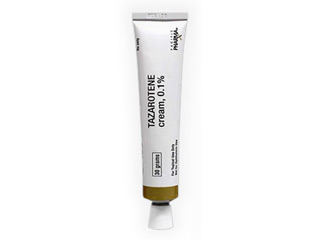
Tazorac is a topical medicine containing tazarotene, a form of vitamin A (a retinoid). It is used to treat certain skin conditions, most commonly acne and psoriasis, by helping to normalise skin cell turnover and reduce inflammation.
This guide is written to be patient-friendly and practical. It summarises how Tazorac works, how to use it safely, what to expect, and where to find relevant UK context and guidance.
Basic product information
| Item | Details |
|---|---|
| Medicinal ingredient | Tazarotene |
| Medicine type | Topical retinoid (vitamin A derivative) |
| Common strengths/forms | Available as topical gel/cream products depending on brand/presentation |
| How it’s applied | Thin layer to affected skin (and sometimes a small surrounding area) |
| Typical frequency | Often once daily, usually in the evening |
| Where it works | Skin (local effect) |
Brand names and formulations can vary. Always check the exact strength and form listed on the pack you receive.
How Tazorac works (mechanism of action)
Tazarotene works by binding to retinoid receptors in the skin. This helps to:
- Normalise skin cell production, reducing abnormal keratinisation (tight, scaly build-up).
- Reduce “clogging” of pores in acne by helping prevent the blockage process.
- Lower inflammation that contributes to redness and swelling.
- Improve skin texture gradually, as the treated area renews over time.
Because it changes how skin cells behave, Tazorac can initially cause irritation (dryness, redness, peeling) before benefits become clearly visible.
Pharmacokinetics (how the body handles it)
Tazarotene is applied to the skin. Most of the activity is local to the skin; only a small amount is absorbed into the bloodstream under normal use.
- Absorption: Typically limited. Absorption may increase if applied over large areas, on broken skin, under occlusion (covering), or if used more than recommended.
- Metabolism: Absorbed tazarotene is rapidly converted in the body to metabolites.
- Elimination: Metabolites are cleared mainly via the liver and then eliminated through the body’s normal excretion routes.
In practice, because systemic exposure is generally low when used correctly, side effects are usually related to local skin irritation rather than whole-body effects.
Typical uses in the UK
The exact licensed indications depend on the product strength and formulation. Common approved uses include:
- Acne vulgaris (to help reduce comedones—clogged pores—and inflammation)
- Plaque psoriasis (particularly mild to moderate plaque areas, depending on treatment plan)
Some people also use retinoid products for sun damage or fine lines; however, those uses may be off-label and should be discussed with a healthcare professional.
When to use it: timing and routine
Tazorac is commonly applied once daily and often preferred at night, because:
- It can reduce irritation during the day for some people.
- Skin is usually less exposed to sunlight when at home.
If you are new to retinoids, start slowly to improve tolerance:
- First 1–2 weeks: apply every other night or as directed by your prescriber/label instructions.
- Then: increase to once daily if your skin tolerates it.
Always apply to clean, dry skin. Avoid applying immediately after washing if your skin is still damp; let it dry fully.
Food interactions
Because Tazorac is applied to the skin, it has no known direct food interactions. Dietary factors do not generally affect how well it works.
If you are using other medicines (especially for acne or psoriasis), those may have dietary considerations that are unrelated to Tazorac itself.
Alcohol interactions and combined medicine interactions
Alcohol
There is usually no direct interaction between topical tazarotene and alcohol. However, since irritation can occur from treatment, you may notice that alcohol (or alcohol-related dehydration) indirectly makes skin feel drier. If your skin becomes very dry or inflamed, consider reducing irritation triggers and speak to a healthcare professional if needed.
Medicines that may interact
With topical retinoids, systemic interactions are uncommon due to limited absorption. Still, interactions may occur indirectly through:
- Using other exfoliating or irritating skin products at the same time (see “Practical use tips”).
- Concurrent topical treatments (e.g., strong acne treatments) that increase irritation.
Tell a pharmacist or healthcare professional about any medicines you use, including:
- Other topical acne/psoriasis treatments
- Medicines applied to the same area of skin
- Sunbeds or light therapy (relevant for skin sensitivity)
Important: Tazarotene is a retinoid. People with a history of retinoid intolerance should be cautious and seek advice. Also, because retinoids can be harmful in pregnancy, avoid use if there is any possibility of pregnancy and follow UK safety guidance.
Indications and who may benefit
Tazorac is typically considered for people who have:
- Acne vulgaris (especially when comedones and inflammation need targeted treatment)
- Plaque psoriasis in areas suitable for topical retinoid therapy
Your skin condition, severity, previous treatments, and tolerance will influence the best plan. Some people may combine a retinoid with other topical therapies to improve outcomes, while others need a gentler start to minimise irritation.
Dosing and how to apply (typical regimen)
Always follow the dosing instructions on your medicine label or the information supplied with your product. The guidance below provides common practical patterns.
Typical dose
- Acne: commonly applied once daily as a thin layer to affected areas.
- Psoriasis (plaque): commonly applied once daily to plaques as directed.
Amount to use
Use only a thin layer. More is not better; excessive use increases irritation without improving results. For face areas, many people use a very small amount (often described as a “pea-sized” amount for the whole face), then adjust based on product instructions and skin response.
Application steps (practical technique)
- Wash with a gentle cleanser and pat dry.
- Wait until skin is fully dry.
- Apply a thin layer to affected skin (and possibly a small margin around it if advised).
- Wash hands after applying.
- Avoid contact with eyes, mouth, corners of the nose, and broken skin.
If you accidentally get some in your eyes, rinse thoroughly with lukewarm water and seek advice if irritation continues.
Safety profile and common side effects
Like all topical medicines, Tazorac can cause side effects—most commonly local skin reactions. Many improve as your skin adapts.
Common side effects
- Dryness
- Redness
- Peeling or flaking
- Burning or stinging sensation
- Itching
- Sensitivity to sunlight
Less common but important
- Severe irritation or blistering
- Worsening rash that doesn’t settle
- Allergic-type reactions (swelling, hives, significant rash)
If you develop severe symptoms (for example, marked swelling, blistering, or an extensive rash), stop using the product and contact a healthcare professional for advice.
Who should take extra care
- People with very sensitive skin
- Those using other strong skin treatments (risk of irritation)
- People with eczema/dermatitis on affected areas
- Pregnancy and breastfeeding: retinoids can be harmful to an unborn baby. Follow UK safety guidance closely.
Practical use tips to reduce irritation
Tazorac can work very well, but comfort matters. These tips can help improve tolerance.
- Start slowly: every other night for the first week or two can improve “retinoid skin”.
- Use a moisturiser: apply a bland moisturiser after Tazorac (or “sandwich” method—moisturiser, Tazorac, moisturiser) if your skin is dry.
- Consider the “buffer” method: some people apply moisturiser first, let it absorb, then apply Tazorac.
- Avoid irritating products: try not to use simultaneously with scrubs, strong acids, or medicated cleansers unless advised.
- Sun protection is essential: use a broad-spectrum sunscreen (SPF 30+ or per label) and protective clothing.
- Don’t apply to broken skin: avoid open sores, sunburn, or areas with active irritation.
If you experience significant burning, reduce frequency (e.g., use every third night) and focus on moisturising. If symptoms are persistent, stop and seek advice.
What to expect: timing of results
Improvement typically happens gradually. A realistic expectation for many people:
- Early changes: irritation and dryness may appear within days.
- Skin texture improvement: may be noticed after a few weeks.
- Clearer results: commonly after 8–12 weeks of consistent use.
Acne often worsens temporarily at the start (“retinoid purging”) in some individuals, though this is not always the case. Don’t stop the product early without advice if your skin is manageable—however, stop if irritation becomes severe.
Food, drink, and skin comfort considerations
There is no direct food interaction, but lifestyle factors can affect how your skin feels while using retinoids:
- Hydration: staying well-hydrated may help reduce perceived tightness from dryness.
- Harsh skincare: avoid over-cleansing or multiple exfoliating steps.
- Weather: cold, dry weather can increase dryness—consider adjusting moisturiser use.
Alcohol and therapy comfort
While alcohol is not a direct interaction, it may indirectly affect skin by worsening dryness or irritation in some people. If you drink alcohol and notice your acne or psoriasis becomes more inflamed, consider reducing intake and focusing on moisturising and sun protection.
Recent guidance and UK context
In the UK, acne and psoriasis management generally follows evidence-based approaches recommended by dermatology and primary care. Topical retinoids (including tazarotene or other retinoids depending on local availability) are commonly used as part of a stepwise strategy that may include:
- skin care and gentle cleansing
- topical anti-inflammatory and anti-occlusive treatments
- careful escalation if symptoms persist
- consideration of tolerability and local skin barrier support
For psoriasis, topical therapies are often selected based on the extent and location of plaques and the expected balance between benefit and irritation. If you have extensive disease or treatment-resistant plaques, specialist review may be appropriate.
Always check the current product leaflet for the specific up-to-date safety information and licensed indications for your exact Tazorac presentation.
Alternative options
If Tazorac isn’t suitable or you don’t tolerate it, there are other treatment approaches, depending on your diagnosis. Alternatives may include:
For acne
- Other topical retinoids (e.g., adapalene or tretinoin in some settings)
- Benzoyl peroxide (often used to reduce acne bacteria and inflammation)
- Topical antibiotics in selected cases, usually with benzoyl peroxide to reduce resistance
- Azelaic acid (helpful for both redness and acne in many people)
For plaque psoriasis
- Topical corticosteroids (common first-line option for many)
- Vitamin D analogues (e.g., calcipotriol/betamethasone combinations where appropriate)
- Emollients and barrier care to reduce dryness and scaling
The best alternative depends on the site of disease, severity, and how sensitive your skin is. If you’re unsure, ask a pharmacist for guidance on compatibility with your current regimen.
Market/legal context in the United Kingdom
Medicines in the UK are regulated to ensure quality, safety, and effectiveness. Topical retinoids like tazarotene are subject to UK medicines licensing and patient-safety requirements, including packaging and patient information leaflets.
Availability can vary by formulation and local supply. Online pharmacies in the UK should provide accurate product details, clear instructions, and reliable delivery options.
Because retinoids carry important safety concerns for pregnancy, UK regulations and clinical practice typically emphasise clear patient counselling and safe use.
Note: This page is not a substitute for the official Patient Information Leaflet (PIL) supplied with your product.
Delivery and availability (UK)
Delivery timeframes depend on the pharmacy’s dispatch schedule and the courier used. Many UK online pharmacies offer:
- Standard delivery (commonly a few working days)
- Express/next-day options where available
- Tracking so you can monitor your parcel
Availability can also depend on the exact strength and base (gel vs cream). If your usual strength is temporarily out of stock, customer support may be able to advise on the closest equivalent option.
FAQ
1) Is Tazorac safe for everyone?
Not necessarily. The main concern is irritation and retinoid-related safety. People who are pregnant or trying to conceive should avoid retinoids. If you have eczema, sensitive skin, or severe irritation, speak to a pharmacist or healthcare professional before starting.
2) How long does it take to work?
Many people notice changes over 8–12 weeks. Expect possible dryness and redness earlier. Consistency is important, but so is protecting skin barrier function.
3) What if my skin burns or becomes very red?
Reduce how often you apply it (for example, skip a day or two), moisturise more regularly, and avoid other irritating products. Stop and seek advice if irritation is severe, blistering occurs, or symptoms worsen.
4) Can I use moisturiser with Tazorac?
Yes. Moisturiser can reduce dryness and improve comfort. Many people find the “sandwich” method helpful: moisturiser → Tazorac → moisturiser.
5) Can I use Tazorac with sunscreen?
Yes, and it’s strongly recommended. Tazarotene can increase sun sensitivity. Use broad-spectrum sunscreen and consider hat/protective clothing.
6) Can I shave or use hair removal methods after applying it?
Try to avoid applying Tazorac immediately before shaving or hair removal, as it can increase irritation. If your skin feels sensitive, delay hair removal until the treated area settles and moisturise afterwards.
7) Is it okay to combine Tazorac with other acne treatments?
Some combinations can work well, but they may also increase irritation. If you use benzoyl peroxide, salicylic acid, glycolic acid, or strong cleansers, consider spacing products out and introducing them gradually. If you’re unsure, ask a pharmacist for advice based on your current routine.
8) Can I drink alcohol while using Tazorac?
There is usually no direct interaction. However, alcohol may indirectly worsen dryness or flare-ups in some people. If you notice a pattern, consider reducing alcohol and focusing on gentle skincare.
9) Can I use Tazorac on the whole face?
This depends on the condition and how it’s been prescribed or recommended. For acne, some people apply to affected areas only (or a thin layer to the “T-zone” or entire face if advised). Avoid getting it too close to eyes and lips.
10) What should I do if I miss a dose?
Apply it when you remember unless it’s close to the next dose. If it’s near the next scheduled application, skip the missed dose and continue normally. Do not apply extra product to make up for it.
Summary
Tazorac (tazarotene) is a topical retinoid used for conditions such as acne and plaque psoriasis. It helps by normalising skin cell turnover and reducing inflammation. When used correctly and consistently—often once daily in the evening—it can improve symptoms over several weeks. The most common issues are local dryness and irritation, which many people can manage with a gentle skincare routine, moisturiser support, slow dose escalation, and strict sun protection.
For the safest and most effective results, always read the product leaflet supplied with your Tazorac and follow the specific instructions for your skin condition.