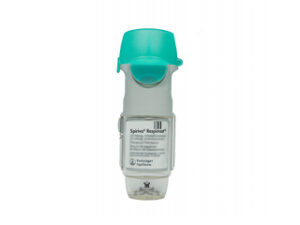
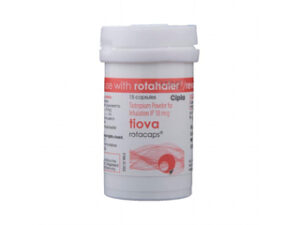
Tiova Inhaler (Tiotropium Bromide) – Patient Information (UK)
Tiova Inhaler contains tiotropium bromide, a medicine used to help improve breathing in certain long-term lung conditions. This guide is written to be patient-friendly and explains how the inhaler works, how and when to use it, what to expect, and important safety information.
In the UK, Tiova Inhaler is generally supplied in a convenient inhaler form designed to deliver medicine directly to the airways. It is commonly used as part of long-term management for people with chronic respiratory disease.
Basic Product Information
- Medicine name: Tiova Inhaler
- Active ingredient: Tiotropium bromide
- Medicine type: Long-acting muscarinic antagonist (LAMA)
- How it works: Relaxes airways by blocking specific nerve signals that tighten breathing tubes
- Common conditions treated: Chronic obstructive pulmonary disease (COPD) (and in some settings, other chronic airway conditions per clinical advice)
- Route of administration: Inhalation
Always follow the specific instructions provided with your inhaler and any advice from your healthcare professional.
How Tiova Inhaler Works (Mechanism of Action)
Tiotropium bromide is a long-acting bronchodilator. It belongs to a group of medicines called antimuscarinic or anticholinergic drugs.
In the airways, natural chemicals called acetylcholine can cause the muscles around the airways to tighten and can also increase mucus production. Tiotropium blocks muscarinic receptors (especially the M3 subtype) on airway smooth muscle.
- Airway relaxation: Less tightening of the airway muscles
- Improved airflow: Helps reduce breathlessness over time
- Long duration: Designed to provide symptom control for an extended period
Tiotropium does not act like a “rescue” medicine for sudden breathlessness. It is intended for ongoing, long-term control.
Pharmacokinetics (What the Body Does to the Medicine)
“Pharmacokinetics” describes how the body absorbs, distributes, metabolises, and eliminates a medicine.
Absorption
- Tiotropium is inhaled, delivering the medicine mainly to the lungs.
- Some medicine may be swallowed and absorbed through the gut, but this is generally not the main route for its therapeutic effect.
Distribution
- After absorption, tiotropium distributes into tissues including the lungs.
- It tends to stay active in the airways for a long time due to its long receptor binding.
Metabolism
- Tiotropium is minimally metabolised compared with some medicines.
Elimination
- It is mainly eliminated by the kidneys.
- This matters if you have kidney problems, as your clinician may monitor you more closely.
Because this is a long-acting inhaled medicine, consistent daily use is typically important for best results.
Typical Use and When You’ll Notice Effects
Tiova Inhaler is used to manage symptoms and improve breathing in long-term lung disease, most commonly COPD.
Many people notice improvement gradually. Some may feel benefits within the first days, but for sustained symptom control, it’s usually taken regularly rather than only when symptoms flare.
- Helps: reduce breathlessness, support daily activities, improve lung function
- Does not: usually relieve sudden attacks of breathlessness immediately
Indications (What It’s Used For in the UK)
The primary approved/recognised use for tiotropium inhalers in the UK is:
- COPD: Symptomatic treatment of chronic obstructive pulmonary disease to improve lung function and symptoms.
For other conditions, use may depend on individual clinical assessment and local guidance. If you’re unsure whether Tiova is intended for you, check with your healthcare professional or review your treatment plan.
Dose and How to Take Tiova Inhaler (Timing and Routine)
Dosing can vary depending on the exact device strength and formulation. The most common tiotropium inhaler regimens are once daily, but you should confirm your specific schedule on your product label or in your instructions.
| Condition | Typical regimen | Key timing points |
|---|---|---|
| COPD (long-term control) | Often once daily (exact dose as per device) | Take at the same time each day; if you miss a dose, take it when remembered unless close to the next dose |
How to use your inhaler (practical overview)
Different tiotropium inhalers may have different designs. Always use the technique described in your leaflet. In general, inhaler technique usually involves:
- Preparing: If required, prime the device or check it’s ready for use.
- Breathing out first: Breathe out gently away from the mouthpiece.
- Seal and inhale: Place the mouthpiece between your lips and inhale steadily and deeply.
- Hold your breath: Hold breath for as long as comfortable (commonly ~10 seconds if you can).
- Close and store: Replace caps and store as directed.
If you have trouble using your device, ask your pharmacist or nurse to watch your technique—small improvements can make a big difference to how well the dose reaches the lungs.
Missed dose guidance
- If you miss a dose, take it as soon as you remember.
- Do not take a double dose to make up for a missed one.
- If it’s close to your next scheduled dose, skip the missed dose and continue as normal.
Food Interactions
Tiova Inhaler works mainly in the lungs when inhaled. In general, food is not expected to have a clinically important effect on how tiotropium works.
That said, good overall adherence matters: try to take your inhaler at a consistent time each day. If your inhaler is prescribed alongside other medicines (e.g., inhaled steroids or rescue bronchodilators), follow the specific timing instructions given for those products.
Alcohol Interactions
There is typically no direct interaction between tiotropium inhalers and alcohol described in standard use. However, alcohol may worsen breathing in some people by affecting sleep quality, reflux, or coordination of inhaler technique.
- If you notice alcohol makes your symptoms worse, consider limiting intake and discuss it with a clinician.
- If you feel faint, dizzy, or unusually unwell after drinking, seek medical advice.
Medicine Interactions (What to Tell Your Healthcare Team)
Tiotropium can interact with other medicines mainly due to effects on the nervous system receptors in the airways.
Important interaction considerations
- Other anticholinergic medicines: Using more than one anticholinergic (including some other inhalers or medicines for bladder issues) may increase the risk of anticholinergic side effects.
- Other COPD inhalers: Your treatment plan may include combination inhalers. If you’re using multiple inhalers, confirm you’re using them correctly and not duplicating therapy.
- Eye-related concerns: If you have narrow-angle glaucoma or eye symptoms, be careful to avoid inhaler mist getting into the eyes.
Always review your full medication list with your pharmacist, especially if you take:
- Medicines for urinary symptoms (antimuscarinics)
- Other inhaled antimuscarinics
- Any medicines that have anticholinergic effects
If you are unsure whether another medication might interact, consult your pharmacist before starting or changing medicines.
Safety Profile (Common, Serious, and When to Seek Help)
Like all medicines, Tiova Inhaler can cause side effects. Not everyone gets them. Side effects are usually mild and may improve as your body adjusts, but some symptoms require prompt medical attention.
Common side effects
- Dry mouth
- Sore throat or irritation in the mouth
- Constipation in some people
- Cough after inhalation
Less common but possible effects
- Dizziness (if you feel unwell, stop and seek advice)
- Urinary retention (difficulty passing urine), particularly in people predisposed to bladder emptying problems
- Blurred vision or eye discomfort if mist gets into the eye
Serious side effects – get urgent medical help
Seek urgent advice if you develop signs of a severe allergic reaction (for example, swelling of the face/lips, breathing difficulty, or widespread rash), or if you experience:
- Severe eye pain with blurred vision or halos around lights (possible acute narrow-angle glaucoma)
- Severe difficulty breathing that is sudden and not relieved by your usual rescue medicine
- Persistent or worsening difficulty urinating
Who needs extra caution?
- People with glaucoma, especially narrow-angle glaucoma
- People with enlarged prostate / urinary retention risk
- People with kidney impairment (your clinician may advise monitoring)
- People prone to allergic reactions
If you experience side effects, you can report them via the UK patient reporting routes (and tell your healthcare professional). Reporting helps improve medicine safety information.
Practical Use Tips for Better Control
- Use the correct technique: Poor inhaler technique can reduce the amount of medicine reaching your lungs.
- Check your schedule: Choose a consistent time (e.g., morning or evening) so you don’t miss doses.
- Don’t mix up devices: If you use multiple inhalers, label them or store them separately.
- Keep your mouth comfortable: If your mouth feels dry or sore, sipping water after inhalation may help (unless your treatment plan says otherwise).
- Avoid getting mist in your eyes: Close your eyes during inhalation if you tend to get irritation in the eyes.
- Monitor symptom changes: Track breathlessness, wheeze, and activity tolerance. If symptoms steadily worsen, contact your healthcare professional.
When Tiova Inhaler may not be enough
If you notice increased breathlessness, more frequent symptoms, or limitations in daily activities, your COPD plan may need adjusting. Tiova is typically a maintenance inhaler and may be combined with other treatments depending on severity.
Alternative Options (Other COPD Maintenance Medicines)
If Tiova Inhaler isn’t suitable or isn’t controlling symptoms well, several alternatives may be considered by clinicians in the UK. The choice depends on your symptoms, lung function, exacerbation history, and other medical factors.
Common alternative classes
- Other LAMA inhalers: Similar antimuscarinic long-acting medicines.
- LABA inhalers (long-acting beta-2 agonists): Improve airflow by relaxing airway muscles via a different mechanism.
- ICS (inhaled corticosteroids): Reduce inflammation; usually considered for specific patient groups.
- LAMA/LABA combination inhalers: Combine both mechanisms in one device.
- Short-acting relievers: Used for sudden symptoms (examples include short-acting bronchodilators). These do not replace maintenance therapy.
Your prescriber/pharmacist can advise what alternatives fit your personal situation and how to transition safely between medicines.
UK Market and Legal/Guidance Context
In the UK, tiotropium-containing inhalers are widely used in the management of COPD and are supported by national and professional guidance for long-term inhaled therapy. COPD treatment in the UK is commonly guided by:
- National guidance (e.g., recommendations from professional bodies and clinical practice frameworks)
- Local NHS prescribing pathways
- Shared decision-making based on symptoms and risk factors
Product availability and specific device options can vary. Pharmacists can help you choose the correct device strength and ensure you’re using it properly.
“Recent guidance” (high-level overview)
In recent years, UK COPD management has continued to emphasise:
- Inhaler technique checks and adherence support
- Stepwise escalation of maintenance therapy according to symptom burden and exacerbation risk
- Personalised selection of bronchodilator combinations where appropriate
- Smoking cessation support and vaccinations as key parts of overall COPD care
For the most current recommendations, rely on the latest professional guidance and discuss changes with your healthcare professional.
Delivery and Availability (UK Online Pharmacy)
Tiova Inhaler is commonly available via UK pharmacies and can be supplied by online retailers depending on stock levels and product availability. Delivery times may vary by region and carrier.
- Availability: Subject to stock; some strengths/devices may have limited availability.
- Dispatch: Typically within 24–48 hours on business days (varies by supplier).
- Delivery options: Standard and, in some cases, express delivery may be offered.
- Packaging: Medicines are usually shipped in tamper-evident packaging.
If you need the inhaler urgently (e.g., running out), contact customer support or choose an expedited delivery option where available.
Storage Advice
- Store at room temperature, away from extreme heat.
- Keep the inhaler in its packaging or as directed.
- Protect from moisture and direct sunlight.
- Keep out of the reach of children.
Always check the leaflet for device-specific storage instructions.
FAQ – Tiova Inhaler (Tiotropium Bromide)
1) What is Tiova Inhaler used for?
Tiova Inhaler is used for long-term management of breathing problems, most commonly COPD, to improve symptoms and lung function.
2) How often should I use Tiova?
Many tiotropium inhalers are used once daily. Your exact dosing schedule depends on the device you have—follow the label and instructions supplied with your inhaler.
3) Is Tiova a reliever inhaler for sudden breathlessness?
Usually no. Tiova is a maintenance inhaler. For sudden symptoms, you typically need a separate reliever inhaler as part of your COPD plan.
4) What should I do if I miss a dose?
Take it when you remember unless it’s close to the next dose. Do not take a double dose.
5) Can I take Tiova with food?
Food is not expected to significantly affect tiotropium inhalation. Take it at your usual time and follow your inhaler instructions.
6) Does alcohol affect Tiova?
No direct interaction is usually expected, but alcohol can worsen breathing in some people and may make inhaler technique harder. If you notice a link with symptoms, reduce alcohol and discuss it with your healthcare professional.
7) What side effects are most common?
Common side effects include dry mouth and throat irritation. If side effects are troublesome, speak to a pharmacist or clinician.
8) Can Tiova cause problems with my eyes?
In rare cases, inhaler mist may enter the eyes and cause symptoms. If you develop eye pain, blurred vision, or halos around lights, seek urgent medical advice.
9) Is Tiova safe for people with kidney problems?
Tiotropium is largely eliminated by the kidneys. If you have kidney impairment, you should get medical advice about suitability and monitoring.
10) How can I improve how well my inhaler works?
Use correct inhaler technique, inhale steadily and deeply, and check your technique regularly with a pharmacist or nurse. Consistent daily use is also important.
Important Reminder
This information is intended to help you understand Tiova Inhaler and how it is used in the UK. It is not a substitute for advice from a healthcare professional. If you have any concerns about side effects, worsening breathing, or how to use your inhaler, contact a qualified clinician or pharmacist promptly.