Ventolin Inhaler (Salbutamol) – Patient Guide (UK)
Ventolin Inhaler contains salbutamol, a medicine used to relieve breathing difficulties caused by airway narrowing (bronchospasm). It is commonly used for conditions such as asthma and chronic obstructive pulmonary disease (COPD). This guide explains what Ventolin is for, how it works, how to use it correctly, key safety information, and what to consider regarding interactions, timing, and availability in the United Kingdom.
Note: Always follow the instructions supplied with your inhaler and any advice from your healthcare professional. If you are unsure how to use your inhaler, seek help from a pharmacist or nurse.
Quick Facts
- Medicinal ingredient: Salbutamol
- Type of medicine: Short-acting bronchodilator (SABA)
- Main use: Relief of sudden breathing problems/wheezing
- Common situations: Asthma symptoms, COPD flare-ups, prevention of exercise-induced symptoms (when advised)
- How it works: Relaxes muscles around the airways to improve airflow
- Typical onset: Often within minutes (individual response varies)
Basic Product Information
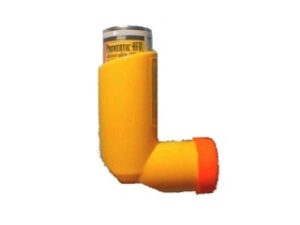
Ventolin Inhaler is a metered-dose inhaler (MDI) designed to deliver salbutamol directly to the lungs. The device delivers a measured amount of medicine with each actuation, helping target the medication where it is needed.
Depending on the exact Ventolin product you have, the strength and number of doses may vary. For example, in the UK many Ventolin MDIs contain 100 micrograms of salbutamol per actuation. Check the label on your inhaler box for your specific strength.
What you may notice
- A press-and-breathe action (or “actuation”) to release the medicine
- A mist that you inhale into your lungs
- Relief of symptoms such as wheezing and shortness of breath
How Ventolin Works (Mechanism of Action)
Salbutamol belongs to the class of medicines known as beta2-adrenoceptor agonists. It works primarily by stimulating beta2 receptors in the smooth muscle surrounding the airways. This leads to relaxation of bronchial smooth muscle, which helps open the airways and makes breathing easier.
Key effects include:
- Bronchodilation: Wider airways and improved airflow
- Reduced bronchospasm: Less tightness and wheeze
- Improved ventilation: Often helps symptoms within a short time
Ventolin is a short-acting medicine, meaning it is designed for rapid relief of symptoms rather than long-term control. People with asthma typically use a preventer (controller) inhaler such as an inhaled corticosteroid in addition to reliever therapy.
Pharmacokinetics (What the Body Does to Salbutamol)
“Pharmacokinetics” describes how the body absorbs, distributes, metabolises, and eliminates a medicine. With inhaled salbutamol:
- Absorption: Much of the dose reaches the lungs; some may be swallowed and absorbed from the gut.
- Metabolism: Salbutamol is mainly metabolised in the body, particularly in the liver.
- Elimination: Metabolites and small amounts of unchanged drug are removed from the body, mainly via the kidneys.
- Onset and duration: Effects begin quickly after inhalation; the medicine’s “relief window” is shorter than long-acting inhalers.
Individual response can vary depending on inhaler technique, airway conditions, and whether symptoms are due to asthma, COPD, or other causes.
Typical Uses in the UK
Indications (When Ventolin is used)
Ventolin Inhaler may be used for:
- Asthma symptom relief (e.g., wheeze, coughing, chest tightness, shortness of breath)
- Prevention of exercise-induced bronchoconstriction if advised by a clinician
- COPD symptom relief in people who experience reversible bronchospasm
Ventolin is typically used as a reliever. If symptoms happen frequently or reliever use increases, it may indicate your underlying condition needs better control. In asthma, over-reliance on reliever inhalers can be a sign of worsening control.
When to Use Ventolin (Timing & How Often)
Ventolin is intended for rapid symptom relief. How and when you take it depends on your condition, your action plan, and your clinician’s advice.
Common timing scenarios
- Sudden symptoms: Use at the start of wheeze/tightness/shortness of breath.
- Before exercise (as advised): You may be instructed to take a dose shortly before activity to help prevent symptoms.
- During flare-ups: You may need repeated doses as directed in your asthma/COPD plan.
If you find you need Ventolin more often, or symptoms are not improving after using it, seek medical advice promptly. Severe or worsening breathing can be an emergency.
Dosing: Adults, Adolescents, and Children
Dosing depends on the age of the person, the condition (asthma or COPD), and symptom severity. Many people receive personalised instructions through an inhaler plan.
The figures below are general examples to help you understand typical use patterns in the UK. Always follow the directions on your prescription label or your healthcare professional’s plan.
Typical dosing examples (general guidance)
| Patient group | Common reliever dose (MDI) | Notes on use |
|---|---|---|
| Adults | Often 1–2 inhalations when symptoms occur | May be repeated if symptoms persist, following an action plan |
| Children | Often 1 inhalation when symptoms occur (sometimes 1–2 depending on plan) | Technique and correct use are especially important; consider a spacer as advised |
| COPD (adults) | Often 1–2 inhalations as needed for symptoms | Use within limits set by your clinician; may not replace long-acting therapy |
Maximum use and when to stop self-managing
There are safe-use limits for reliever inhalers. If you need Ventolin more frequently than usual, if it is not providing relief, or if you are waking at night with symptoms, your condition may be poorly controlled and you may need review of your treatment.
Seek urgent medical help if:
- You are struggling to breathe, unable to speak full sentences, or symptoms are rapidly worsening
- Your reliever is not working or you need repeated doses much more than normal
- You have signs of severe asthma/COPD flare (e.g., extreme breathlessness, bluish lips, marked drowsiness)
Food Interactions
Salbutamol inhalers are delivered to the lungs, and food interactions are generally not a major concern. Any swallowed medicine may be absorbed from the gut, but in typical inhaled dosing, food does not usually affect effectiveness in a clinically meaningful way.
That said, if you experience stomach upset, reflux, or nausea when using an inhaler, speak to a pharmacist for tips. Correct inhaler technique (including using a spacer if suitable) can reduce the amount deposited in the mouth/throat.
Alcohol and Medicine Interactions
Alcohol
Moderate alcohol consumption does not typically have a direct interaction with inhaled salbutamol. However, alcohol may worsen asthma symptoms in some people by affecting sleep quality, hydration, or triggering reflux. If alcohol affects your breathing, consider limiting intake and discuss with a clinician.
Other medicines (possible interactions)
The main interaction considerations for salbutamol relate to medicines that may affect heart rhythm or influence potassium levels, and medicines for blood pressure or heart conditions. Always check with a pharmacist if you take other drugs, especially:
- Beta-blockers (including some eye drops for glaucoma): can reduce the effect of salbutamol or worsen bronchospasm in susceptible people.
- Other beta-agonists: combining can increase side effects such as tremor and palpitations.
- Diuretics (“water tablets”) and steroids (especially if used in high doses): may increase the risk of low potassium (hypokalaemia) when combined with beta-agonists.
- Digoxin: low potassium levels may increase the risk of digoxin-related effects.
- Antiarrhythmics or medicines that affect heart rhythm: increased risk of rhythm changes, particularly if high doses are used.
This is not a complete list. Provide your pharmacist with a full list of medicines, including over-the-counter products and herbal remedies.
Safety Profile: Common Side Effects & Warnings
Common side effects
Like all medicines, Ventolin may cause side effects. Common ones often occur because beta2 stimulation can affect other parts of the body. Many side effects improve as your breathing symptoms stabilise or as your dose is optimised.
- Tremor (shakiness), particularly in the hands
- Headache
- Fast heartbeat (palpitations)
- Muscle cramps
- Feeling restless or slightly anxious
Less common but important effects
- Low potassium (hypokalaemia): more likely with higher doses or frequent use; can contribute to weakness or muscle cramps.
- Heart rhythm changes: rare, but risk may increase with high doses or in people with underlying cardiac conditions.
When to get medical help
Contact urgent medical services or seek urgent advice if you experience:
- Chest pain or a very fast/irregular heartbeat
- Severe dizziness, fainting, or significant weakness
- Allergic-type reactions such as swelling of the face/lips or difficulty breathing that is not relieved by your inhaler
- Breathing becomes worse despite using Ventolin
Who should take extra care?
- People with heart rhythm problems or significant heart disease
- People with hyperthyroidism (overactive thyroid)
- People with diabetes (beta-agonists can potentially affect blood sugar)
- People with a history of low potassium
- Children and older adults (inhaler technique and monitoring are important)
Practical Use Tips (How to Get the Best From Your Inhaler)
Correct inhaler technique is essential to ensure the right amount of medicine reaches your lungs. If the spray hits the back of the throat instead, you may get less relief and more side effects.
Step-by-step guide for a typical press-and-breathe MDI
- Remove the cap and check the mouthpiece for any blockage.
- Shake the inhaler (unless the device instructions state otherwise).
- Breathe out fully away from the inhaler.
- Place the mouthpiece between your lips and close your lips firmly.
- Start to breathe in slowly, then press the canister once to release the dose.
- Keep breathing in steadily and deeply.
- Hold your breath for as long as comfortable (often around 10 seconds, or as advised), then breathe out slowly.
- If more than one puff is needed, wait about 1 minute (or as advised) before the next dose, and repeat.
Using a spacer (often helpful)
A spacer is an attachment that can make it easier to coordinate pressing and breathing. Spacers can improve delivery to the lungs and reduce throat deposition. Ask your pharmacist whether a spacer is suitable for you and which type to use.
Rinse after inhaled corticosteroids (not usually needed for Ventolin alone)
Ventolin is not an inhaled corticosteroid. If you also use a preventer steroid inhaler, follow the advice for that specific device (some people are advised to rinse their mouth after steroid inhalers to reduce thrush risk).
Check your technique
- Many people do not use their inhalers optimally at first.
- Regular technique checks at pharmacy or clinic visits can improve control and reduce flare-ups.
Alternative Options (Relievers and Other Bronchodilators)
There are several medication options for relieving bronchospasm or asthma/COPD symptoms. Alternatives may include:
- Other salbutamol inhalers (same active ingredient) from different brands
- Terbutaline inhalers (another short-acting bronchodilator, depending on availability and suitability)
- Short-acting antimuscarinics (often used in COPD; selection depends on your diagnosis and treatment plan)
- Combination inhalers for some patients, especially when a preventer and reliever are used in a structured plan
Your best alternative depends on your diagnosis, symptom pattern, and any past response to medicines. A pharmacist can help compare options available in the UK.
UK Market & Legal/Quality Context
In the UK, inhaled medicines including salbutamol are widely used and supported by established clinical practice. Ventolin Inhaler is an established product with regulatory oversight, quality standards, and pharmaceutical manufacturing requirements.
Availability can vary by pharmacy and stock levels, but Ventolin is generally accessible through UK pharmacies and online dispensaries where permitted by law and regulations. Packaging and dosing may differ between product strengths and inhaler types.
If you are changing brands, strengths, or inhaler devices, keep an eye on:
- How many inhalations per dose
- Whether a spacer is recommended
- Your symptom response
- Any side effects (e.g., tremor/palpitations)
Recent Guidance & Treatment Principles (UK Overview)
UK asthma and COPD care emphasises good symptom control, correct inhaler technique, and appropriate use of reliever medicines. Key principles commonly include:
- Asthma: Reliever-only treatment is usually not sufficient for long-term control. Inhaled corticosteroids are often required to reduce airway inflammation.
- Regular review: If reliever use increases, symptoms persist, or nighttime symptoms occur, a treatment review is recommended.
- Inhaler technique: Mistakes are common and can lead to poor outcomes even when taking correct medicines.
- COPD: Treatment is typically tailored to reduce symptoms and exacerbations, often using long-acting bronchodilators for ongoing control, with relievers for breakthrough symptoms.
If you have an asthma action plan or COPD plan, follow it. If your plan is outdated or you do not have one, ask your GP practice or pharmacist for guidance.
Delivery & Availability in the UK
Ventolin Inhaler is commonly available through UK pharmacies. Online pharmacies may offer:
- Home delivery to UK addresses (availability and courier options vary)
- Standard and express delivery depending on distance and stock
- Stock checks prior to dispatch
Availability can be affected by demand and supply timelines. When ordering, check:
- The product strength and inhaler type listed
- The quantity (number of doses)
- Delivery timeframe shown at checkout
Storage and Handling
- Store at room temperature, away from excessive heat or direct sunlight.
- Keep the inhaler in its protective case when provided.
- Check expiry date on the label.
- Do not puncture or throw the canister into fire, even when empty.
FAQ – Ventolin Inhaler (Salbutamol)
1) How quickly does Ventolin work?
Many people feel relief within minutes after inhaling. The exact speed depends on your condition and inhaler technique. If you do not feel any benefit, or symptoms are worsening, seek medical advice.
2) Can I use Ventolin every day?
Some people use a reliever frequently during periods of symptoms, but frequent or increasing reliever use can indicate that underlying control needs review. Follow your asthma/COPD plan and discuss increased use with a healthcare professional.
3) Should I shake my Ventolin inhaler?
Many MDIs should be shaken before use. Check the leaflet or instructions for your specific Ventolin inhaler model.
4) Can I use Ventolin with a spacer?
Often yes, and spacers can improve effectiveness, especially for children or anyone who finds coordination difficult. Ask a pharmacist to recommend an appropriate spacer and to show the technique.
5) Will Ventolin interact with my other inhalers?
Ventolin may be used alongside preventer inhalers (such as inhaled corticosteroids) in many treatment plans. However, it can interact with certain medicines such as beta-blockers. Always share your full medication list with a pharmacist.
6) Is Ventolin safe for children?
Ventolin is used in children when clinically appropriate. Correct technique and dose guidance are important. If using for a child, consider a spacer if recommended and ensure the child can use the inhaler correctly.
7) What should I do if my symptoms return after Ventolin?
Symptoms may return if the underlying cause is not controlled (for example, in asthma with ongoing inflammation). If reliever doses are becoming frequent or symptoms persist, arrange a review of your treatment plan.
8) Can I drive or operate machinery after using Ventolin?
Many people can drive safely after using Ventolin. However, side effects such as tremor or palpitations can occur. If you feel unwell, dizzy, or unusually affected, avoid driving and seek advice.
9) What if I accidentally take too many puffs?
Using more than intended can increase side effects such as fast heartbeat, tremor, and low potassium. If you think you may have taken too much, contact a pharmacist or urgent medical advice. Keep the product packaging available.
10) Does Ventolin work for all breathing problems?
Ventolin helps bronchospasm-related symptoms (e.g., asthma or COPD flare-ups). If your breathlessness has a different cause (such as infection, heart problems, or blood clots), Ventolin may not be sufficient. Seek urgent advice if you are worried.
When to Seek Urgent Help
If you have severe breathlessness, cannot speak in full sentences, your lips or face look blue/grey, or symptoms are rapidly worsening and not relieved by your inhaler, seek emergency medical assistance immediately.
Summary
Ventolin Inhaler (salbutamol) is a short-acting bronchodilator used in the UK to quickly relieve symptoms of asthma and COPD caused by airway narrowing. It relaxes the muscles around the airways, helping you breathe more easily. For best results, use correct inhaler technique, consider a spacer when appropriate, and pay attention to changes in your reliever use—frequent symptoms often mean your overall control plan needs review.