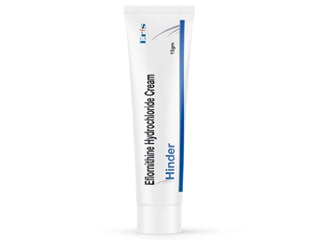
Vaniqa (Eflornithine) Cream – Patient Information (UK)
Vaniqa is a prescription skin cream containing eflornithine, an ingredient designed to help slow down the growth of unwanted facial hair in eligible people. It works at the level of the hair growth process so that hairs typically become finer and fewer over time.
This page explains how Vaniqa works, how to use it, what to expect, and important safety and interaction information—written for patients in the United Kingdom.
Quick product facts
- Medicine name: Vaniqa
- Active ingredient: Eflornithine
- Medicinal form: Cream (topical)
- What it is used for: Reducing unwanted facial hair growth in adult women with conditions such as facial hirsutism
- Typical treatment approach: Applied regularly to the affected skin to slow hair growth
- What to expect: Results usually take time; visible improvement often begins after several weeks
What Vaniqa is used for (indications)
In the UK, Vaniqa is used to help reduce unwanted facial hair growth in adult women with excessive facial hair (hirsutism). It is intended for use on the face only and is not a general “hair removal” product.
Important: Vaniqa does not remove existing hair instantly. Instead, it helps slow down new growth, which can make hairs look finer and less noticeable over time.
How Vaniqa works (mechanism of action)
Eflornithine works by interfering with an enzyme involved in the production of polyamines, which are important for cell growth. In hair follicles, this leads to slowing of hair shaft production.
In simple terms:
- Hair growth requires active follicle cells.
- Eflornithine reduces the biochemical steps needed for rapid hair growth.
- With consistent application, hair growth slows and treated hairs become less coarse.
Because hair grows in cycles, consistent use is needed to see change.
Pharmacokinetics (what happens in the body)
Vaniqa is applied to the skin. Most of the active ingredient remains local to the area of application, with limited systemic absorption compared with medicines taken by mouth.
Key points:
- Absorption: Generally low through intact skin, but can be higher if applied to large areas or broken/irritated skin.
- Distribution: Only small amounts reach the bloodstream.
- Metabolism and elimination: Systemic eflornithine is cleared by the body through normal elimination pathways.
If you have kidney problems or significant skin inflammation, ask your healthcare professional for personalised advice, as the balance of absorption and clearance may be affected.
Typical treatment expectations (timing and results)
Vaniqa works gradually. Many people notice improvement in hair reduction and hair thickness after:
- 4–8 weeks for early signs
- 8–12 weeks for clearer, more stable results
Hair shedding vs regrowth: Even after improvement, hairs may continue to grow slowly. Ongoing use helps maintain the reduced growth rate.
After stopping: Effects gradually wear off over time as normal hair growth cycles resume.
Dosing and how to use Vaniqa (UK patient guidance)
Always follow the directions provided by your healthcare professional and the medicine carton/leaflet.
Typical dose
- Apply a thin layer to the affected facial areas.
- Frequency: Usually twice daily (for example, morning and evening), with at least several hours between applications.
How to apply (practical steps)
- Wash hands before application.
- Wash and dry the affected area gently.
- Apply the cream in a thin layer using clean fingers or as directed.
- Avoid getting it into the eyes, eyelids, inside the nose, mouth, or on open wounds.
- Wash hands again after applying.
- Allow the cream to absorb before applying makeup.
When to start seeing improvement
- Continue twice-daily use consistently for the first few months to judge effectiveness.
- If no improvement is seen after the recommended trial period, speak to your healthcare professional.
What to do if you miss a dose
- Apply it when you remember unless it is close to the next scheduled application.
- Do not apply a double amount to make up for a missed dose.
Timing with shaving, plucking and hair removal
Vaniqa slows hair growth, but many users also remove unwanted hair by other methods. Your timing can help minimise irritation:
- Shaving: You may shave before applying Vaniqa if your skin is calm and not irritated. Avoid re-applying immediately after a rough shave if the skin feels sore.
- Waxing/plucking/threading: These methods can irritate the skin and may increase side effects. Avoid using Vaniqa on freshly irritated skin.
- Trimming: Generally less irritating than shaving or plucking; you can usually continue Vaniqa with normal care.
If you notice burning, significant redness, or peeling, pause other hair-removal methods until the skin settles and seek advice.
Food interactions
Vaniqa is applied to the skin, so food interactions are not expected. However, overall skin health may be influenced by nutrition and hydration, and certain foods can trigger acne or sensitivity in some people—this is individual.
If you are taking other medications that affect your skin, ask a healthcare professional or pharmacist for combined guidance.
Alcohol and medicine interactions
Alcohol: Because Vaniqa is topical with limited systemic absorption, no specific alcohol interaction is expected. Still, alcohol can worsen dehydration and skin irritation in some individuals—particularly if your skin is sensitive or prone to dryness.
Other medicines: Interaction risk is generally low for topical treatments, but it depends on how much is absorbed and the condition of your skin.
- Topical products: Be cautious when using other creams, gels or exfoliants on the same area (e.g., strong acids, retinoids, medicated acne products, or frequent scrubs), as the combination may increase irritation.
- Skin treatments: If you use steroid creams, antibiotics, or other dermatology medicines, coordinate timing and monitor for irritation.
- Systemic medicines: If you are taking medicines that affect rapidly dividing cells or immune function, ask your healthcare professional for personalised advice—especially if your skin barrier is compromised.
Safety profile and side effects
Most people tolerate Vaniqa well when used correctly. However, topical medicines can cause local skin reactions.
Common or expected side effects
- Skin irritation (burning, stinging, or discomfort)
- Redness and mild inflammation
- Dryness or scaling
- Itching
- Acne-like breakouts or follicle irritation in some users
Less common but important reactions
- Severe rash, swelling, or blistering
- Worsening burning that doesn’t settle
- Allergic-type symptoms such as marked itching, hives, or facial swelling
Seek urgent medical help if you develop signs of a serious allergic reaction (for example, swelling of the face/lips, difficulty breathing, or widespread blistering).
Who should be extra cautious
- People with sensitive skin or eczema affecting the face
- People with broken skin or active infections in the treatment area
- Those with kidney problems should discuss suitability with a healthcare professional
Practical use tips to reduce irritation
- Use a thin layer: More cream does not improve results and may increase side effects.
- Let it dry and absorb: Apply on clean, dry skin and wait before using moisturisers or makeup if irritation occurs.
- Avoid eyes and mucous membranes: Misapplication can cause stinging.
- Start slowly if sensitive: If your skin is prone to irritation, speak to a healthcare professional about a safer approach.
- Moisturise appropriately: Gentle moisturisers may reduce dryness. Apply after Vaniqa has absorbed, unless your clinician advises otherwise.
- Pause if severe reactions occur: If you experience intense burning or significant rash, stop and seek advice.
Alternative options for unwanted facial hair (UK overview)
Vaniqa is one approach. Depending on your preferences, hair type, skin sensitivity and cost, alternatives include:
Mechanical hair removal
- Shaving: Fast, but hair may regrow quickly; can cause irritation.
- Threading/waxing/plucking: Can reduce hair visibility temporarily but may irritate or cause ingrown hairs.
Cosmetic devices and procedures
- Laser hair reduction: Targets pigment in hair; results vary by skin/hair colour; typically requires multiple sessions.
- Intense pulsed light (IPL): Similar concept; often requires repeated treatments.
- Electrolysis: Useful for a wide range of hair colours, but can be time-consuming.
Medicines
- Some hormonal treatments may be used in specific circumstances (for example, underlying causes of hirsutism), usually under specialist guidance.
- Other topical regimens may be used depending on local clinical advice.
Tip: Many people combine a slow-growth medicine approach with gentle hair removal methods for appearance while waiting for results.
Market and legal context in the UK
In the United Kingdom, Vaniqa (eflornithine) is regulated as a medicinal product and is supplied according to UK healthcare requirements. Availability may vary by pharmacy and clinical criteria.
Online pharmacies in the UK may require appropriate screening steps to ensure the medicine is suitable and safe for the individual, and that it is used for its licensed indications.
Recent guidance considerations: In practice, UK prescribing and supply decisions follow local clinical recommendations, the product’s licensed use, and current safety monitoring. If you have questions about eligibility for Vaniqa or alternative care pathways for hirsutism, speak with a qualified healthcare professional.
Delivery and availability
Availability may depend on stock levels and local supply chains. Most online pharmacies aim to dispatch orders promptly once payment and any required checks are completed.
- Standard delivery: Typically 2–5 working days (may vary by provider).
- Express options: Sometimes available depending on location and stock.
- Packaging: Usually discreet packaging for privacy.
Storage: Keep the cream as directed on the carton/leaflet, typically at room temperature and out of direct sunlight. Keep away from children.
FAQs about Vaniqa (Eflornithine)
1) Is Vaniqa a hair removal cream?
No. Vaniqa is designed to slow unwanted facial hair growth. It does not remove hair instantly. You should continue hair removal methods only as advised and avoid irritation.
2) How long does Vaniqa take to work?
Many people notice changes after 4–8 weeks, with clearer results often by 8–12 weeks. Consistent twice-daily use is important.
3) How should I apply it—before or after moisturiser?
Apply Vaniqa to clean, dry skin. Allow it to absorb. If you use moisturiser, apply it after Vaniqa has settled unless your healthcare professional advises otherwise. If you get irritation, you may need to adjust the routine.
4) Can I wear makeup?
Yes, usually once the cream has absorbed and the skin feels comfortable. Avoid applying makeup immediately if your skin is irritated.
5) What if I get burning or redness?
Mild irritation can occur. If symptoms are mild, ensure you apply a thin layer to dry skin and avoid contact with the eyes. If burning is strong, swelling occurs, or the rash is severe, stop using the cream and seek advice promptly.
6) Can I use Vaniqa on areas other than the face?
Vaniqa is intended for facial use only as directed by the product information. Do not apply to other body areas unless your healthcare professional specifically advises it.
7) Is it safe to use with other skincare products?
Be cautious with potentially irritating products (strong exfoliants, retinoids, medicated acne treatments). Combining products can increase irritation. Introduce one product at a time and monitor your skin.
8) Does Vaniqa work for men?
Vaniqa is licensed for use to reduce unwanted facial hair growth in adult women under its stated indications. If you are male and considering treatment, discuss options with a healthcare professional.
9) Will I need to use it forever?
Vaniqa helps maintain a reduced growth rate while you use it regularly. When you stop, hair growth generally returns gradually. Your healthcare professional can advise on long-term planning.
10) Are there any food or alcohol concerns?
No specific food interaction is expected. With alcohol, no specific interaction is expected, but alcohol may worsen skin irritation in some people.
Summary
Vaniqa (eflornithine) cream is a facial topical medicine used in eligible adults to help reduce unwanted facial hair growth. It works by slowing the biochemical steps that support rapid hair growth. Results typically take several weeks, so consistent twice-daily use and careful application are key.
If you experience significant skin reactions, or if you have concerns about suitability or other medicines you are using, speak to a healthcare professional or pharmacist for personalised guidance.
Note: This information is for patient education and does not replace advice from a healthcare professional. Always read the patient leaflet supplied with your medicine.