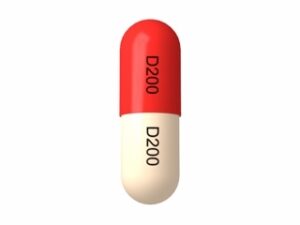
Cyklokapron (Tranexamic acid) – Patient Information (UK)
Cyklokapron is a medicine containing tranexamic acid, used to help the blood clot more effectively in specific situations where excessive bleeding is a problem. It works by reducing the breakdown of blood clots, which can help reduce bleeding and improve symptoms.
This page is written to be patient-friendly and focuses on how Cyklokapron works, when it’s used, typical dosing, practical tips, and important safety information. For the best results, follow the directions given with your medicine or by your healthcare professional.
Product Overview
| Feature | Information |
|---|---|
| Medicine name | Cyklokapron |
| Active ingredient | Tranexamic acid |
| What it does | Helps stabilise formed blood clots by inhibiting fibrinolysis (clot breakdown) |
| Common uses | Heavy menstrual bleeding (in selected cases), certain bleeding conditions as advised |
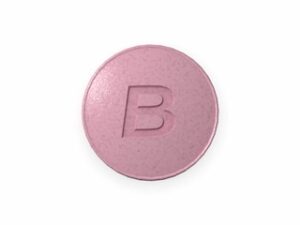
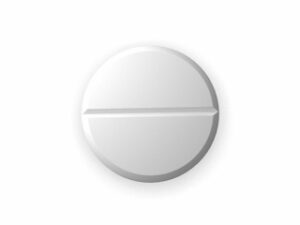
| Typical presentation | Tablets (strengths may vary by pack) |
How Cyklokapron Works (Mechanism of Action)
When bleeding occurs, the body forms a clot to stop or limit blood loss. Clots are later broken down so that blood flow can return to normal. Tranexamic acid works by blocking plasminogen activation and reducing the activity of plasmin, a key enzyme involved in fibrinolysis (the breakdown of clots).
In simple terms: Cyklokapron helps blood clots stay in place longer, which can reduce ongoing bleeding. This is especially useful in settings where bleeding is driven by faster-than-needed clot breakdown.
Pharmacokinetics (How the Body Handles the Medicine)
Pharmacokinetics describes how the medicine is absorbed, distributed, and eliminated. While individual results vary, the typical pattern for tranexamic acid is summarised below.
- Absorption: When taken by mouth, tranexamic acid is absorbed into the bloodstream.
- Distribution: It circulates in the blood and can reach tissues where clotting is needed.
- Elimination: Tranexamic acid is mainly cleared by the kidneys. If kidney function is reduced, levels may build up, so dosing may need adjustment.
- Duration: The effect lasts for a period after each dose, which is why dosing is typically spaced across the day.
If you have kidney problems, discuss the appropriate dose with your healthcare professional or follow the directions provided with your medicine.
Typical Indications (When Cyklokapron Is Used)
Cyklokapron is used to treat or reduce bleeding in a variety of circumstances where excessive bleeding occurs due to increased clot breakdown. In the UK, it is commonly discussed in relation to heavy menstrual bleeding and other bleeding conditions where tranexamic acid is considered appropriate.
Examples of situations where tranexamic acid may be used include:
- Heavy menstrual bleeding (to reduce menstrual blood loss in selected patients)
- Other bleeding disorders as determined by clinical assessment
- Bleeding related to certain procedures or events, where appropriate clinical use is advised
Indications can vary depending on product availability, local guidance, and your individual medical history. Always use the medicine in the way described for your specific situation.
Dosing – What Is Typical?
Dosing depends on why you are taking Cyklokapron, your age, kidney function, and other medicines you may be using. Many patients will be given a schedule that is either:
- Short-term (for a defined bleeding episode)
- Targeted to the period of bleeding (for example, during heavy menstrual bleeding)
General information (patient-level)
- Use the dose and schedule provided with your medicine or by your healthcare professional.
- Space doses evenly through the day unless instructed otherwise.
- If you miss a dose, follow the instructions from your healthcare professional or the leaflet; generally, do not take extra to make up for a missed dose.
Important: Because dosing can differ by indication and by tablet strength, always check your own pack label and the leaflet information that comes with Cyklokapron.
Timing – When to Take Cyklokapron
The “best time” to take Cyklokapron depends on what it’s treating. Common timing principles include:
- For bleeding episodes: start when bleeding begins, as advised.
- For heavy menstrual bleeding: it is typically taken during the days when bleeding is heavy, as instructed.
- Try to keep consistent intervals: follow the dosing frequency on your instructions.
If you’re unsure when to start or stop, check your medicine leaflet or speak to a healthcare professional/pharmacist.
How to Take Cyklokapron (Practical Use Tips)
Take tablets correctly
- Swallow tablets with water.
- Try to take doses at the same times each day.
- If you have difficulty swallowing, discuss options with a pharmacist.
Track your bleeding symptoms
If you’re taking tranexamic acid for heavy menstrual bleeding or another recurring issue, keeping a simple record can help you and your healthcare team judge whether it’s effective. Consider noting:
- Day-by-day bleeding amount (e.g., number of pads/tampons)
- Duration of bleeding
- Any side effects
- Any clots or severe pain (seek advice if symptoms are concerning)
Hydration and comfort
Drink water normally unless you’ve been told to restrict fluids for another condition. If you feel unwell or develop warning symptoms, contact a clinician promptly.
Food Interactions – Can I Take It With Meals?
In many cases, tranexamic acid can be taken with or without food. However, individual product leaflets may offer more precise guidance. A practical approach:
- If it upsets your stomach: take it with a light meal or after food.
- Be consistent: take it the same way each time to help predict side effects.
Always check your leaflet for the most accurate instructions for your specific Cyklokapron tablets.
Alcohol and Medicine Interactions
There isn’t typically a specific “absolute” interaction between tranexamic acid and moderate alcohol in the way there may be with some other medicines. However, alcohol can worsen some bleeding-related issues for certain people (for example, it may indirectly affect hydration, stomach irritation, or overall wellbeing).
General advice
- If you drink alcohol, keep it moderate.
- Avoid binge drinking while taking any medicine intended to manage bleeding.
- If you notice dizziness, nausea, or worsening symptoms, avoid alcohol and seek advice.
Also, check interactions with your other medications carefully—especially those affecting blood clotting or blood vessel health.
Medicine Interactions (Key Considerations)
Tranexamic acid can interact with certain medicines because of effects on clotting and bleeding pathways. Tell your pharmacist or healthcare professional about all medicines you use, including over-the-counter products and herbal remedies.
Medicines to discuss urgently with a pharmacist
- Hormonal treatments (e.g., combined oestrogen-containing contraceptives or hormone therapy): the combination may increase the risk of clotting in some people.
- Anticoagulants or clotting-related medicines: interactions depend on the specific drug and your condition.
- Other medicines that affect clotting: some combinations may be unsuitable.
This is not a complete list. Your pharmacist can check your specific medicines for interactions and suitability.
Safety Profile – What Should You Know?
Like all medicines, Cyklokapron can cause side effects. Many people experience none or only mild effects, but it’s important to know what to watch for.
Common possible side effects
- Nausea
- Stomach discomfort
- Vomiting (less commonly)
- Diarrhoea (less commonly)
- Headache
- Dizziness (uncommon)
Seek urgent medical help if you experience warning signs
Although tranexamic acid is used to reduce bleeding, it may (in some situations) increase clotting risk in people with certain risk factors. Contact urgent medical services if you have signs suggestive of a blood clot such as:
- Chest pain, sudden breathlessness, coughing blood
- One-sided weakness, facial drooping, difficulty speaking
- Sudden severe headache with other neurological symptoms
- Painful swelling in one leg, warmth or redness
- Visual disturbances (e.g., sudden vision changes)
Special care / when Cyklokapron may be unsuitable
Tranexamic acid is not suitable for everyone. You should discuss use with a pharmacist or healthcare professional if you have, or have had:
- Active or previous blood clots (e.g., deep vein thrombosis or pulmonary embolism)
- Problems with clotting in general or a strong personal/family clotting history
- Kidney impairment (because the kidneys clear the medicine)
- Conditions where clot formation may be harmful
- Allergy to tranexamic acid or any tablet ingredients
Pregnancy, breastfeeding, and fertility (general guidance)
If you are pregnant, trying to conceive, or breastfeeding, check with a healthcare professional before taking tranexamic acid. The suitability depends on the indication and your health history.
Kidney Function and Dose Adjustment
Because tranexamic acid is eliminated mainly by the kidneys, kidney impairment may increase medicine levels in the body. This can increase the likelihood of side effects. In these cases, dosing may require adjustment or close monitoring.
If you have reduced kidney function, make sure this is known to your healthcare professional before using Cyklokapron.
Recent Guidance and UK Considerations (Overview)
In the UK, the management of heavy menstrual bleeding and other bleeding concerns is guided by evidence-based clinical practice. Tranexamic acid is widely used as a treatment option for heavy menstrual bleeding in selected patients, and it may be offered when appropriate.
Recommendations can evolve over time as new evidence and updated guidance become available. If your bleeding symptoms are persistent, severe, or associated with other concerning features, you may need further assessment to rule out underlying causes.
Alternative Options
Depending on your diagnosis and health history, alternatives to tranexamic acid may include other treatments aimed at reducing blood loss or addressing the underlying cause. Your pharmacist/GP can help tailor the most suitable option.
Common alternatives (depending on indication)
- Hormonal treatments (for heavy menstrual bleeding, depending on suitability)
- Non-steroidal anti-inflammatory drugs (NSAIDs) (some people find these help reduce menstrual blood loss)
- Surgical or procedural options (if appropriate for specific causes)
- Iron supplementation if you have iron deficiency or anaemia from ongoing blood loss
The best choice depends on factors such as age, medical history, severity, and whether you have any contraindications to specific treatments.
When to Contact a Healthcare Professional
Contact a clinician promptly if:
- Your bleeding does not improve or keeps returning
- You have very heavy bleeding (e.g., soaking through pads/tampons quickly)
- You develop symptoms of anaemia such as unusual tiredness, breathlessness, dizziness, or paleness
- You have bleeding after menopause, between periods, or after sex
- You have severe pelvic pain or new concerning symptoms
Don’t ignore serious symptoms. Early assessment can identify treatable underlying causes.
Delivery and Availability in the UK
Cyklokapron (tranexamic acid) may be available through UK pharmacy channels depending on stock levels and pack size. Online pharmacy availability can vary, so delivery times may differ by location and courier service.
What to expect
- Availability checks: your order may be confirmed once stock and eligibility checks are completed.
- Packaging: medicines are usually supplied in tamper-evident packaging.
- Delivery: standard and express delivery options may be available. Tracking information may be provided.
- Storage: store tablets as directed on the label/leaflet (typically at room temperature, away from moisture and heat).
For the most accurate information on dispatch times and delivery cost, refer to the delivery information shown at checkout.
UK Market and Legal Context (High-level)
In the UK, medicines are regulated and made available through approved supply channels. Online pharmacies operate under applicable UK rules and typically provide patient information and support to help you use medicines safely.
Product availability, naming, and tablet strengths can vary. Always verify that the medicine you receive matches the intended product and strength. If anything differs from what you ordered, contact the pharmacy support team before use.
Storage and Disposal
- Storage: keep out of sight and reach of children. Store as instructed on the pack.
- Do not use after expiry: check the expiry date on the packaging.
- Disposal: return unused medicine to a pharmacy for safe disposal where facilities are available.
FAQ
1) What is Cyklokapron used for?
Cyklokapron (tranexamic acid) is used to reduce excessive bleeding by helping clots stay in place longer. It is commonly used for heavy menstrual bleeding in selected patients and for other bleeding conditions as advised by clinicians.
2) How quickly does it work?
Many people notice reduced bleeding within the first days of treatment, depending on the cause and timing of when doses are started. If your symptoms do not improve as expected, seek advice.
3) Can I take Cyklokapron with food?
Often it can be taken with or without food. If it upsets your stomach, take it with food. Always check your leaflet for the most accurate guidance.
4) Can I drink alcohol while taking Cyklokapron?
Moderate alcohol is not usually singled out as a specific direct interaction, but alcohol may worsen wellbeing or indirectly affect bleeding-related symptoms. If you’re unsure, ask your pharmacist, especially if you drink regularly or in larger amounts.
5) Are there any medicines I should not combine with tranexamic acid?
Some medicines can increase clotting risk or have interaction concerns. Examples include certain hormonal treatments and clot-related medicines. Share a full list of your medicines (including OTC and herbal products) with a pharmacist for a personalised safety check.
6) Who should take extra care?
Extra caution is needed if you have kidney impairment, a history of blood clots, clotting disorders, or any previous adverse reactions to tranexamic acid. If you’re unsure, ask a clinician or pharmacist before using Cyklokapron.
7) What should I do if I miss a dose?
Follow the instructions in your medicine leaflet. In general, do not take an extra dose to compensate for a missed one unless advised.
8) What side effects are common?
Possible side effects include nausea, stomach discomfort, headache, or dizziness. Seek medical help if you experience severe or unusual symptoms, particularly signs suggestive of a blood clot or allergic reaction.
9) Is it safe to keep taking Cyklokapron?
Use tranexamic acid for the duration and pattern advised for your specific indication. If bleeding persists, worsens, or keeps recurring, you may need reassessment rather than simply continuing.
10) What are the alternatives to Cyklokapron?
Alternatives depend on your cause of bleeding and personal medical history. Options may include hormonal treatments, NSAIDs, iron supplementation, or procedural approaches when appropriate.
Important Disclaimer
This information is provided for general guidance to help you understand Cyklokapron (tranexamic acid). It does not replace advice from a healthcare professional. If you have questions about suitability, dosing, or interactions for your circumstances, contact a pharmacist or clinician.