
Femara (Letrozole) — Patient-Friendly Guide (UK)
Femara is a medicine containing letrozole, used to treat certain types of hormone-dependent breast cancer. This guide explains how Femara works, how it is usually taken, key safety information, and practical advice for day-to-day use in the United Kingdom.
Important: Always follow the advice of your healthcare professional. Information below is designed to help you understand the medicine and prepare for safe use.
1) Basic product information
- Medicine name: Femara
- Active ingredient: Letrozole
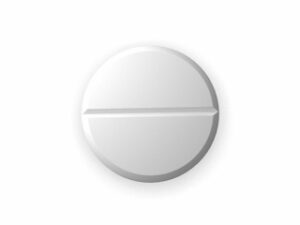
- Common form: Oral tablets
- Typical strength: Often supplied as 2.5 mg tablets
- Drug class: Aromatase inhibitor (AI)
Brand availability may vary by supplier. Your pharmacist can confirm the exact product you will receive.
2) How Femara works (mechanism of action)
Many breast cancers grow in response to oestrogen. In postmenopausal women, much of the body’s oestrogen is produced when enzymes called aromatase convert other hormones into oestrogen.
Letrozole works by blocking aromatase. This leads to a reduction in oestrogen levels, which helps slow or stop the growth of hormone-sensitive breast cancer.
Key points:
- Femara lowers oestrogen production in the body.
- This helps treat oestrogen-receptor positive (ER+) breast cancer, including certain early and advanced settings.
- It is not a chemotherapy medicine; it is targeted hormone therapy.
3) Pharmacokinetics (how the body handles Femara)
Understanding pharmacokinetics can help explain dosing frequency and potential interactions.
- Absorption: Letrozole is absorbed after oral dosing.
- Peak levels: Blood concentrations rise to highest levels typically within a few hours (commonly around 2 hours after a dose).
- Steady state: With daily use, blood levels approach a steady range after repeated dosing.
- Metabolism: Letrozole is primarily metabolised in the liver.
- Elimination: It is cleared from the body through metabolic pathways; metabolites are excreted mainly via urine and faeces.
- Half-life: The drug persists long enough to support once-daily dosing in many regimens.
Practical takeaway: Because Femara works by continuously lowering oestrogen, it’s usually taken regularly each day rather than “as needed”.
4) Typical use and timing
Femara is commonly taken as a once-daily tablet. The exact plan depends on your cancer type and treatment stage.
When to take it
- Usually: Take your dose at the same time each day.
- With or without food: You can typically take it either way (see food section for more detail).
- If you miss a dose: Take it as soon as you remember on the same day. If it is nearly time for the next dose, skip the missed dose and continue your regular schedule. Do not double up.
What to do if you feel side effects
Some people experience hot flushes, joint aches, or fatigue. Do not stop Femara suddenly without medical advice. Many side effects can be managed (see the safety profile section).
5) Indications (what Femara is used for in the UK)
Letrozole is used for breast cancer where oestrogen plays a role. Your specialist will determine whether Femara is appropriate for your situation.
Common indications include:
- Adjuvant treatment of early breast cancer in postmenopausal women (reducing the risk of recurrence).
- Extended adjuvant therapy after initial treatment to further reduce recurrence risk.
- First-line treatment of advanced or metastatic breast cancer in postmenopausal women (often ER+ and/or progesterone receptor positive).
- Treatment of advanced breast cancer after progression on other hormone therapies (depending on clinical circumstances).
For premenopausal or perimenopausal patients, aromatase inhibitor use may involve additional ovarian suppression strategies; this must be determined by a specialist.
6) Dosing (usual adult dosing)
Typical recommended dose: 2.5 mg once daily.
Duration: Duration varies by indication (for example, months to years in adjuvant/extended settings). Your healthcare team will provide the exact timeframe.
Dose adjustments
- Kidney problems: Letrozole is often used without major adjustment in mild to moderate impairment, but your doctor will assess your individual situation.
- Liver problems: May require additional caution and monitoring.
- Children: Femara is generally not used for children.
Do not change the dose unless your prescriber advises it.
7) Food interactions and practical eating advice
Letrozole may be taken with or without food. Food is not typically a key driver of whether Femara works, but there are still practical considerations.
Food-related tips:
- If you feel nauseated when taking tablets, try taking Femara after a meal.
- Maintain a balanced diet to help manage weight changes and bone health.
- If you are at risk of bone thinning, consider discussing calcium and vitamin D with your healthcare professional.
Special diets: Unless your clinician has advised otherwise, letrozole can usually be continued on standard UK diets.
8) Alcohol and medicine interactions
Alcohol
Alcohol is not known to have a direct “dangerous” interaction with letrozole for most people, but drinking alcohol can worsen common side effects such as:
- fatigue
- hot flushes
- sleep disturbance
- stomach upset
Practical advice: If you choose to drink, do so in moderation and note whether symptoms worsen. If you have liver issues, discuss alcohol use with your clinician.
Medicine interactions
Letrozole is metabolised mainly in the liver, so medicines that affect liver enzymes may influence levels. Tell your pharmacist or clinician about all medicines you take, including over-the-counter products and herbal supplements.
Examples of interaction categories to discuss:
- Hormonal therapies (other endocrine treatments): your cancer team will coordinate what to take together.
- Liver enzyme inducers: may alter blood levels.
- Liver enzyme inhibitors: may alter blood levels.
- Bone-protecting medicines: some people may take bisphosphonates or other agents alongside Femara.
- Anticoagulants (“blood thinners”) and antiplatelet medicines: if you take these, your healthcare team may monitor you more closely.
Always check: If you start or stop any medicine—such as antibiotics, antifungals, anti-seizure medicines, or herbal products—ask your pharmacist if it could interact with Femara.
9) Safety profile (what to expect and when to seek help)
Like all medicines, Femara can cause side effects. Not everyone will experience them, and many are manageable.
Common side effects
- Hot flushes
- Joint stiffness or arthralgia (aches, pains in joints)
- Fatigue
- Headache
- Nausea or stomach discomfort
- Muscle aches (myalgia)
- Swelling (fluid retention may occur)
- Vaginal dryness or changes in vaginal bleeding pattern (depending on baseline)
Important risks to be aware of
- Bone thinning (osteoporosis) and fracture risk: Aromatase inhibitors can reduce oestrogen, which may weaken bones.
- Cardiovascular risk: Some patients may have changes in cholesterol or increased risk factors depending on their health profile.
- Raised liver enzymes: Rarely, changes in liver function may be seen.
- Allergic reactions: Seek urgent advice if you develop swelling of the face/lips, difficulty breathing, or severe rash.
Seek urgent medical help if you experience
- Signs of a severe allergic reaction (e.g., swelling of face/tongue, breathing difficulty)
- Severe chest pain, sudden shortness of breath, or symptoms of stroke
- Yellowing of skin/eyes (jaundice), dark urine, or severe abdominal pain
- Unexplained severe bone pain or suspected fracture
Managing side effects
Never stop Femara on your own. Instead, discuss symptoms early. Your clinician can suggest supportive treatments such as:
- pain management strategies for joint symptoms
- exercise programs to maintain mobility
- support for hot flushes
- bone monitoring and preventive measures (e.g., bone density scans)
10) Practical use tips for everyday life
Build a routine
- Choose a consistent time each day (morning or evening).
- Use a pill box or smartphone reminder.
- Keep your tablet packaging to help identify the strength and batch information.
Bone health support
Because oestrogen levels are reduced, bone health monitoring is important.
- Ask about bone density testing if you haven’t had it.
- Ask whether you should take calcium and vitamin D supplements.
- Engage in appropriate weight-bearing exercise if safe for you.
Joint and muscle symptoms
- Gentle stretching and low-impact exercise (e.g., walking, swimming) may help.
- Report severe or rapidly worsening pain to your clinician.
- A symptom diary (when pain occurs, what helps) can be useful.
Hot flushes and sleep
- Keep your room cool and use breathable clothing.
- Avoid triggers that worsen hot flushes (common triggers include spicy foods or hot beverages).
- Discuss persistent sleep problems with your healthcare professional.
When to tell your clinician
Contact your healthcare team if you develop new or worsening symptoms, particularly:
- significant new pain
- unexpected bleeding changes
- breathlessness, chest pain, or leg swelling
- signs of infection or allergic reaction
11) Alternative options (what else may be considered)
Cancer treatment choices depend on many factors, including tumour hormone receptor status, stage, previous therapies, menopausal status, and overall health.
Possible alternatives your team may discuss include:
- Other aromatase inhibitors (depending on availability and your treatment plan).
- Tamoxifen, a selective oestrogen receptor modulator (used in some settings).
- Ovarian suppression in appropriate pre/perimenopausal situations (often combined with endocrine therapy).
- Fulvestrant in certain advanced hormone receptor-positive cases.
- For some patients, other systemic treatments may be used alongside endocrine therapy.
Note: If you are comparing options, ask your clinician about expected benefits, side effect differences (especially bone/joint symptoms), and monitoring plans.
12) UK market and legal context (what it means for patients)
In the United Kingdom, medicines like Femara are regulated by the Medicines and Healthcare products Regulatory Agency (MHRA) and are supplied via licensed channels. The product is classed as a prescription-only medicine in the UK.
Online pharmacy services in the UK follow strict rules to ensure medicines are obtained and supplied lawfully, with appropriate checks.
Pharmacovigilance: If you suspect a side effect, it can be reported through the UK’s yellow card scheme. Your pharmacist can also help you report concerns.
Recent guidance and monitoring: Current practice commonly includes routine monitoring of symptoms and consideration of bone health (e.g., calcium/vitamin D discussion and bone density assessment) for patients taking aromatase inhibitors.
13) Delivery and availability in the UK
Availability can vary between online pharmacies and by local supply. Femara (letrozole) is widely used, and many pharmacies keep it in stock.
- Processing time: Orders are typically processed promptly once payment and eligibility checks are completed.
- Delivery: Options may include standard and express delivery depending on the supplier.
- Packaging: Tablets are supplied in secure, pharmacist-supplied packaging suitable for safe transport.
- Cold chain: Letrozole tablets do not usually require cold storage; follow the label instructions.
Tip: If you’re approaching your next dose, consider ordering early to avoid running out, especially if delivery timelines vary.
14) FAQ
Is Femara the same as letrozole?
Yes. Femara is a brand name; the active ingredient is letrozole. Different brands or generics may exist, but the active substance is the same (if they are legally equivalent).
How long does Femara take to start working?
Femara lowers oestrogen levels quickly after dosing. Whether it improves outcomes depends on the cancer type and the treatment plan. Your oncology team will monitor response using clinical follow-up and scans or tests where appropriate.
Can I take Femara with food?
Generally, yes. Femara can usually be taken with or without food. If you have nausea, taking it after a meal may help.
What should I do if I miss a dose?
Take it as soon as you remember on the same day. If it is nearly time for the next dose, skip the missed dose and continue as normal. Do not double doses.
Can I drink alcohol while taking Femara?
Moderate alcohol is not typically contraindicated for most people, but it may worsen side effects such as fatigue or hot flushes. If you have liver disease or experience significant symptoms, discuss alcohol with your healthcare professional.
Does Femara cause hair loss?
Hair loss can occur with some cancer treatments, but aromatase inhibitors more commonly cause joint aches, hot flushes, and fatigue. If you notice hair changes, tell your clinician so they can assess and advise.
Will Femara affect my bones?
It can. Lower oestrogen may lead to bone thinning over time. Your healthcare team may recommend bone density checks and preventive measures.
What medicines should I avoid?
Do not start or stop medicines without advice. Tell your pharmacist about everything you take, including herbal supplements. Some medicines can affect liver enzymes that metabolise letrozole, potentially changing drug levels.
When should I contact my doctor urgently?
Seek urgent help for possible severe allergic reaction, stroke-like symptoms, severe chest pain/shortness of breath, signs of serious liver problems, or a suspected fracture.
Can I stop Femara if I feel better?
Do not stop without medical advice. Femara is often taken for a planned period to reduce recurrence risk or control hormone-sensitive disease.
Are there alternatives if side effects become difficult?
Yes—options may include changing endocrine treatment within your care plan, adding supportive therapies for symptoms, or switching to a different class of hormone treatment when appropriate.
Final reminder: This information is for general guidance. If you have questions about your specific treatment schedule, dosing, side effects, or interactions, speak to a qualified healthcare professional or your pharmacist.