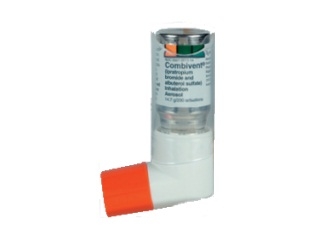

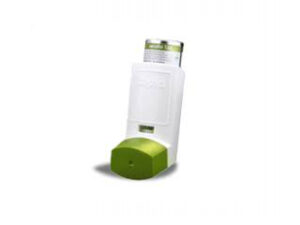
Combivent (Levosalbutamol / Ipratropium bromide) – Patient Guide (UK)
Combivent is a bronchodilator medicine used to help relax the airways and make breathing easier. It combines levosalbutamol (a fast-acting “reliever” beta2-agonist) with ipratropium bromide (a fast-acting antimuscarinic/anticholinergic). Together, they work in complementary ways to ease symptoms such as wheeze and shortness of breath in people with obstructive airway diseases.
Quick overview
- Medicines in one: Levosalbutamol + Ipratropium bromide
- How it helps: Opens the airways by two mechanisms
- Common conditions: Chronic obstructive pulmonary disease (COPD) and related bronchospasm
- Typical form: Inhaled medicine (device type varies by pack)
- When it works: Often starts working within minutes
Basic product information
| Category | Details |
|---|---|
| Brand name | Combivent |
| Active ingredients | Levosalbutamol / Ipratropium bromide |
| Drug class | Inhaled bronchodilators (beta2-agonist + antimuscarinic) |
| Main benefits | Relieves bronchospasm; improves airflow and breathlessness |
| Common use in UK | For symptomatic relief in obstructive airway disease (often COPD) |
How Combivent works (mechanism of action)
Combivent contains two medicines that target different parts of the airway “spasm” process:
1) Levosalbutamol (beta2-agonist)
- Stimulates beta2 receptors in the airway smooth muscle.
- This leads to relaxation of the airway muscles.
- The result is bronchodilation—wider airways and easier airflow.
2) Ipratropium bromide (antimuscarinic)
- Blocks muscarinic receptors (mainly M3) in the airways.
- Reduces the effects of acetylcholine, which can tighten airway passages and increase secretions.
- Helps maintain airway opening by reducing bronchoconstriction.
Because these medicines work by different pathways, the combination can provide greater relief than either medicine alone for many people.
Pharmacokinetics (how the body handles it)
Pharmacokinetics can vary with inhalation technique and device delivery, but the general picture for inhaled bronchodilators is as follows:
- Onset: Both components can start working quickly because they are delivered directly to the airways. Clinical effect is typically noticed within minutes.
- Absorption: After inhalation, a portion of the dose reaches the lungs; the rest may be swallowed. Absorption into the bloodstream is generally limited compared with oral medicines.
- Distribution: Beta2-agonists and antimuscarinics distribute throughout the body, but inhaled delivery aims to localise effects in the lungs.
-
Metabolism and elimination:
- Levosalbutamol is metabolised primarily in the body and excreted mainly via urine.
- Ipratropium is poorly absorbed into the bloodstream, and if absorbed it is metabolised and excreted.
If you have kidney or liver problems, your prescriber may still choose Combivent, but you should follow their advice and the instructions provided with your medicine. Inhaled medicines usually involve less systemic exposure than tablets.
What Combivent is used for (indications)
In the UK, Combivent is used to help relieve symptoms caused by airway narrowing and bronchospasm. It is commonly considered for people with COPD or other obstructive airway conditions where symptoms persist. Use can differ depending on local prescribing pathways and product licences.
It is generally used as part of an overall treatment plan that may also include maintenance inhalers. If you are unsure whether Combivent is appropriate for your condition, speak to a healthcare professional.
Typical timing and how quickly it works
Combivent is an inhaled bronchodilator. Timing may vary by person and by inhaler technique, but typical expectations include:
- Onset of action: often within a few minutes
- Duration of relief: varies; many people notice improvement for several hours
- Use in symptom flare-ups: can be used to relieve sudden breathlessness/wheeze as advised
Dosing: common guidance and important notes
Dosing depends on the product presentation (e.g., whether your Combivent pack uses a metered dose inhaler or a specific nebuliser/spray format) and your individual condition. Always follow the dose described on your medicine label or in the instructions supplied with your pack.
General practical dosing principles
- Use the lowest effective dose that controls symptoms.
- Do not exceed the recommended maximum daily dose.
- If symptoms are not improving or you need frequent doses, seek medical advice promptly.
- If you miss a dose, don’t double up unless advised.
When to take your dose
Many people take Combivent when they feel symptoms starting, or on a regular schedule if that is how it was recommended. If your symptoms are worse at particular times (e.g., evenings, during infections, or after exertion), your clinician may suggest a schedule.
Food interactions
Food does not usually affect inhaled bronchodilators to a clinically important extent. Because Combivent is delivered via inhalation, swallowing of some medicine may occur, but it is typically not affected by meals.
Practical advice: you can generally take Combivent with or without food. If you notice stomach discomfort from swallowed medicine, consider timing around meals and discuss concerns with a pharmacist.
Alcohol interactions
There are no well-known direct interactions between alcohol and inhaled levosalbutamol/ipratropium that apply to everyone. However, alcohol can worsen breathing for some people by affecting sleep quality, reducing respiratory drive, or irritating reflux-related symptoms.
- If you have COPD or frequent breathlessness, avoid heavy drinking and monitor how alcohol affects you.
- Alcohol may also worsen dehydration and can contribute to side effects such as dizziness—this matters if you experience these with your medicine.
If you want personalised advice, speak to a clinician or pharmacist, especially if you are taking other medicines for lung disease.
Medicine interactions (important)
Interaction risk depends on what else you take. Tell a healthcare professional about all medicines you use, including over-the-counter products. The most relevant potential interactions for Combivent include:
Other bronchodilators
- Beta-agonists: Using additional beta-agonists may increase the chance of side effects such as tremor or palpitations.
- Anticholinergics: Combining with other anticholinergic medicines may increase dryness or urinary retention risk (particularly in older people).
Heart medicines and rhythm drugs
- Beta-blockers (including some eye drops): Non-selective beta-blockers can reduce the effect of beta-agonists. Your clinician may choose a cardioselective option if needed.
- Medications affecting heart rhythm: If you take drugs that can affect cardiac rhythm, your clinician may monitor you more closely.
Diuretics and steroid tablets
Beta-agonists can, in some circumstances, lower potassium levels. This is more likely if you also take:
- Diuretics (“water tablets”)
- High-dose corticosteroids (especially oral steroids)
Routine inhaled steroid therapy typically poses less risk than long courses of oral steroids, but individual assessment is important.
Teething points to remember
- If you have heart disease, an abnormal heart rhythm, overactive thyroid, or narrow-angle glaucoma, ask your healthcare professional whether Combivent is suitable and what precautions apply.
- If you are not sure whether a medicine is an anticholinergic or beta-blocker, check with a pharmacist.
Safety profile: who should be careful and what to watch for
Combivent is generally well tolerated, but like all medicines it can cause side effects. Most are mild and temporary, but some require urgent attention. The sections below are not a substitute for advice from a healthcare professional—use them to understand what to look out for.
Common side effects
- Tremor (shaking)
- Headache
- Dry mouth
- Nervousness or jitteriness
- Increased heart rate (palpitations may occur)
- Sore throat or throat irritation
Less common but important
- Muscle cramps (may be related to potassium changes)
- Raised pressure in the eye symptoms if anticholinergic medicine affects the eye (see “urgent” section)
- Urinary retention, especially in people with an enlarged prostate or bladder outflow obstruction
Seek urgent medical help if
- Breathing suddenly worsens, or relief is poor after using the medicine as directed
- Chest pain, severe palpitations, fainting, or severe dizziness occur
- Signs of an allergic reaction such as swelling of the face/lips, rash, or difficulty breathing
- Eye symptoms occur after inhalation/spray (e.g., eye pain, blurred vision, halos around lights, red eye) — particularly if you have glaucoma
- Very low potassium symptoms occur (marked weakness, persistent cramps), especially if you have risk factors
Special populations
- Children and young people: use depends on indication and product licence; follow healthcare advice.
- Pregnancy and breastfeeding: discuss with a clinician—benefit must be balanced against risks.
- Older adults: more attention may be needed for urinary retention and dry mouth.
- Glaucoma or prostate problems: may require additional precautions.
Practical use tips (getting the most from your inhaler)
Good inhaler technique is crucial. Incorrect technique can reduce the amount of medicine reaching your lungs, leading to poorer symptom control and more side effects. If you are unsure how to use your specific Combivent device, ask a pharmacist or respiratory nurse to check your technique.
General steps you can apply (device-dependent)
- Read the patient instructions included with your pack—device types differ.
- Check your breathing before inhaling: try to inhale steadily and deeply once the dose is released (if your device requires this).
- Hold your breath briefly after inhalation (if advised by your device instructions) to help medicine settle in the airways.
- Rinse your mouth with water after use if your device instructions recommend it (this can help minimise throat irritation).
- Avoid getting medicine in your eyes. If the device is a spray/metered inhaler, be careful with head position.
- Keep track of doses. If you need it much more often than usual, it may signal worsening disease.
What to do if it doesn’t seem to work
- Stop and reassess your inhaler technique (a healthcare professional can help).
- Check the dose has been taken correctly and the device is functioning as expected.
- If breathlessness is severe or rapidly worsening, follow your emergency action plan and seek urgent care.
Alternative options
Depending on your diagnosis, symptom pattern, and current maintenance treatment, alternatives may include combinations of other inhaled bronchodilators or add-on therapies. Examples (not exhaustive) include:
Other bronchodilator combinations
- SABA + antimuscarinic combinations (similar aim to Combivent)
- LAMA/LABA maintenance regimens (long-acting therapies used for prevention rather than quick relief)
- Short-acting and long-acting inhaler strategies tailored to severity
Anti-inflammatory add-ons for COPD/asthma overlap (as appropriate)
- Some people may need inhaled corticosteroids as part of control therapy, especially if there are frequent exacerbations or specific risk factors.
Your best alternative depends on your underlying condition (e.g., COPD vs asthma), previous response to inhalers, and your overall treatment plan. If you want a comparison, ask a pharmacist which options might suit your diagnosis and symptoms.
UK market and legal context (availability and how it’s used)
In the UK, medicines are regulated by the Medicines and Healthcare products Regulatory Agency (MHRA) and supplied through licensed channels. Inhaled medicines like Combivent are intended to be used safely within product guidance and UK clinical practice.
Availability in the UK may vary by pharmacy stock, pack size, and current supply conditions. Many medicines are distributed through authorised wholesalers and dispensed by pharmacies in line with regulatory requirements.
Recent guidance and how it may affect use
UK clinical guidance for obstructive airway diseases (especially COPD) emphasises:
- Using correct inhaler technique as a core step in symptom management.
- Reviewing symptoms and inhaler needs regularly.
- Ensuring appropriate maintenance therapy (for prevention) and not relying solely on reliever inhalers.
- Seeking help promptly for exacerbations—worsening symptoms can indicate infection or disease flare that may require additional treatment.
If you have frequent flare-ups or changing symptoms, it’s important to have your treatment reviewed rather than increasing doses on your own. Your healthcare professional may adjust your regimen to better match current recommendations.
Delivery and availability (what to expect when ordering online)
Online pharmacies in the UK typically offer:
- Home delivery within stated timeframes (commonly 1–3 working days, depending on the courier and location)
- Tracking updates once the order is dispatched
- Packaging that protects inhalers from damage (especially important for pressurised or sensitive devices)
- Stock availability that can change—if an item is temporarily unavailable, the pharmacy may offer alternatives or delivery options
Always check the product name, strength, and pack form (inhaler/nebuliser format) when ordering, and keep the leaflet for reference. If you require a particular device type, confirm it before purchase.
FAQ
Is Combivent a reliever or a maintenance inhaler?
Combivent is used to relieve symptoms by opening the airways. Depending on your condition and plan, it may be used as a reliever and/or on a regular schedule. Many people still require separate maintenance inhalers for long-term control.
How fast should I feel better after using it?
Many people notice improvement within minutes. If you do not get adequate relief, double-check your technique and the device instructions. If symptoms are severe or rapidly worsening, seek urgent medical advice.
Can I use Combivent with my other inhalers?
Often, people use multiple inhalers as part of a personalised regimen. However, mixing bronchodilators can increase side effects in some cases. If you tell a pharmacist which inhalers you use, they can help check for practical safety considerations.
What should I do if I miss a dose?
If you miss a scheduled dose, take it when you remember unless it’s close to the next dose. If you’re unsure, follow your instructions or ask a pharmacist. Do not take extra doses to make up for a missed one.
Does Combivent interact with food?
Food is unlikely to affect Combivent significantly because it is inhaled. You can usually use it with or without meals.
Can I drink alcohol while using Combivent?
Moderate alcohol may not directly interact with Combivent, but alcohol can worsen breathing in some people. If alcohol triggers symptoms or makes you feel unwell, limit or avoid it and discuss with a healthcare professional.
What are the most important side effects to watch for?
Tremor, headache, dry mouth, and palpitations can occur. Seek urgent help if you experience severe chest pain, fainting, severe palpitations, signs of allergy, or eye symptoms suggestive of glaucoma.
Can Combivent cause eye problems?
Anticholinergic ingredients can rarely cause eye effects if the medicine gets into the eyes. If you have blurred vision, eye pain, or red eye after inhalation, seek prompt advice.
How should I store Combivent?
Follow the storage instructions on your pack. In general, keep medicines: away from heat, away from moisture, and out of reach of children. For pressurised inhalers, avoid extreme temperatures.
When should I contact a healthcare professional?
Contact your healthcare professional if:
- Your symptoms are not improving with correct use
- You need Combivent much more often than usual
- You have side effects that worry you or persist
- You have signs of an exacerbation (worsening breathlessness, increased cough, fever, or changes in sputum)
Important reminder
This guide is for general information about Combivent (levosalbutamol/ipratropium bromide) and does not replace the patient information leaflet or advice from a qualified healthcare professional. If you have questions about suitability, technique, or interactions with your other medicines, speak to a pharmacist or clinician.