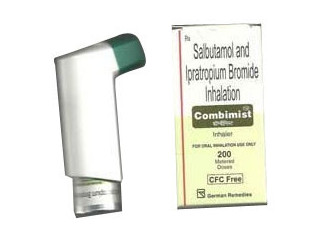

Combimist L Inhaler (United Kingdom) — Patient-Friendly Guide
Combimist L Inhaler is a combination inhaler used to help control breathing problems in people who have conditions such as chronic obstructive pulmonary disease (COPD) or other airflow-related lung conditions as advised by a healthcare professional. It contains two medicines delivered directly to the airways: one helps relax airway muscles to keep the airways open, and the other reduces inflammation to help prevent symptoms from flaring.
This page explains how Combimist L works, how it is typically used, what to expect, and key safety information. It is written for patients in the UK and is intended to be easy to read. If you are unsure whether this inhaler is right for you, speak with a pharmacist or clinician.
Quick overview
- Medicine name: Combimist L Inhaler
- Type: Inhaled combination therapy (two medicines delivered to the lungs)
- Common uses: Long-term control of airflow symptoms (e.g., in COPD) as directed
- Main benefits: Helps keep airways open and reduces airway inflammation, helping improve breathing and reduce flare-ups
- How it’s used: Inhaled by mouth using the device correctly each time
- Important note: Not usually intended for rapid relief of sudden breathlessness
What is Combimist L Inhaler?
Combimist L is an inhaled combination medicine. By delivering the active ingredients directly to the lungs, it can act where needed with typically lower whole-body exposure compared with some tablet medicines.
What it contains (in general terms):
- A bronchodilator component to relax airway muscles (often from the class of long-acting beta2-agonists or similar).
- An anti-inflammatory component to reduce airway inflammation (often from the class of inhaled corticosteroids).
Because strengths and exact ingredient names may vary by product presentation, always check the label/outer carton for the specific active ingredients and strength.
How it works (mechanism of action)
Breathing symptoms in COPD and similar conditions often involve both:
- Airway narrowing (bronchospasm and mucus-related blockage)
- Ongoing inflammation that can make airways reactive and prone to flare-ups
Combimist L targets both aspects:
- Bronchodilator action: Helps relax smooth muscle in the airways, improving airflow and making breathing easier over time.
- Anti-inflammatory action: The inhaled corticosteroid helps reduce inflammation in the airways, which can lower the frequency and severity of flare-ups (exacerbations) for many patients.
The combined effect supports long-term symptom control. Some effects may be felt sooner, but the full benefit—especially from the anti-inflammatory component—may take days to weeks.
When and how it’s typically used (indications)
In the UK, inhaled combination therapies such as Combimist L are generally used for:
- Maintenance treatment of COPD in patients who need regular therapy to control symptoms and reduce flare-ups.
- Other airflow-related conditions where a clinician judges that a bronchodilator plus anti-inflammatory therapy is appropriate.
Important: Combimist L is usually a controller medicine. It is typically not the medicine you use for sudden attacks of breathlessness. If you have a rescue inhaler (for example a short-acting bronchodilator), use it for sudden symptoms as instructed by your healthcare professional.
Dosing and timing
Follow your label and the advice given by your healthcare professional. Doses can differ depending on your diagnosis, symptom severity, and inhaler strength.
Typical adult dosing pattern
Many patients use combination inhalers on a regular schedule, often twice daily or as directed. Your exact dosing instructions should be written on the product packaging or provided by your clinician.
- Take it at the same times each day to maintain consistent medication levels in the lungs.
- If you miss a dose, take it when you remember unless it is close to your next dose. Do not take a double dose to make up for a missed one.
How long does it take to work?
- Bronchodilator effect: Some patients notice improved breathing relatively quickly after inhalation.
- Corticosteroid/anti-inflammatory effect: Full benefit may take longer (often days to weeks), especially for reducing flare-ups.
Pharmacokinetics (what happens in the body)
Because Combimist L is inhaled, much of the activity occurs locally in the lungs.
- Absorption: The medicine is deposited in the airways and absorbed through lung tissue and, to a lesser extent, swallowed into the digestive tract.
- Distribution: Small amounts that reach the bloodstream can distribute to other tissues. However, the primary goal is local lung action.
- Metabolism: Any portion absorbed systemically is typically metabolised by the body, commonly involving liver pathways.
- Elimination: Metabolites are usually removed from the body via the kidneys and/or bile. The exact pattern depends on the specific ingredients and your individual health.
Practical takeaway: Correct inhaler technique matters. Better deposition in the lungs can improve effect and reduce unnecessary medication elsewhere.
Food interactions
Most inhaled medicines have limited food interactions because the medication is delivered to the lungs rather than absorbed through the gut in large amounts.
- Generally: You can take Combimist L with or without food.
- Swallowing residue: Some inhaled medication may be swallowed. This usually does not require special timing with meals.
Tip: If you find your throat feels dry or irritated, consider drinking water after use (and use the rinsing steps below).
Alcohol interactions
There is usually no direct alcohol interaction with inhaled combination therapies of this type. However:
- Alcohol can worsen sleep, dehydration, and can indirectly trigger breathing problems in some people.
- Combining alcohol with other medicines (such as sedatives or cough medicines) may increase side effects.
If you drink alcohol, keep it moderate and discuss with your pharmacist if you have liver disease or take multiple medicines.
Medicine interactions (general guidance)
Combimist L contains medicines that may interact with other drugs. Always tell your pharmacist about:
- Any other inhalers or nebulised treatments
- Tablets for asthma/COPD
- Medicines for heart rhythm, blood pressure, diabetes, infection, or depression
- Herbal products (including St John’s Wort)
Common interaction types to discuss (depending on the exact ingredients in your inhaler):
- Other bronchodilators: Using additional long-acting or short-acting inhalers may increase side effects such as a fast heartbeat.
- Medicines affecting the heart rate: Some medicines can increase palpitations or changes in heart rhythm.
- Medicines that affect steroid metabolism: Some medications can alter how corticosteroids are processed in the body.
- Infections and antifungals/antibiotics: Some treatments can influence steroid levels or immune response.
Do not stop or change your medicines without advice. If you experience new symptoms after starting another medicine, contact a healthcare professional.
Safety profile and side effects
Like all medicines, Combimist L can cause side effects. Many people tolerate it well, especially with correct technique and regular use as prescribed.
Common side effects
- Throat irritation or hoarseness (common with inhaled corticosteroids)
- Oral thrush (a fungal infection in the mouth)
- Dry mouth
- Cough or mild breathing discomfort after inhalation
- Headache or mild dizziness in some people
How to reduce risk of thrush/hoarseness
- Rinse your mouth with water after each use.
- Spit the water out (do not swallow).
- Check your inhaler technique—poor technique increases residue in the mouth.
Less common but important side effects
- Palpitations, tremor, or feeling “on edge” (may occur from bronchodilator components)
- Increased blood sugar (especially relevant if you have diabetes)
- Higher risk of infections (inhaled steroids may slightly increase susceptibility)
- Low potassium (rare, but important if you have severe COPD or take certain tablets like diuretics)
Seek urgent help if
- There are signs of a severe allergic reaction (swelling of face/lips, severe rash, difficulty breathing beyond your usual symptoms)
- Your breathing worsens suddenly and you need emergency treatment
Long-term safety considerations
Inhaled corticosteroids can be associated with longer-term effects at higher doses, such as cataracts or effects on bone density. Risk varies widely between individuals. Your clinician will balance benefits vs risks and use the lowest effective dose where possible.
Practical tips for using Combimist L correctly
Correct inhaler technique is one of the most important factors in treatment success.
General best practice
- Check the device: Make sure the inhaler is in good condition and not blocked.
- Prepare the dose: Follow the instructions on your specific inhaler packaging (some require priming).
- Exhale fully: Breathe out away from the mouth before inhaling the dose.
- Seal lips around the mouthpiece: Create a good seal to ensure the medicine enters your lungs.
- Inhale slowly and deeply: This helps deposition in the airways.
- Hold your breath: If your device guidance allows, hold for about 5–10 seconds to allow medicine to settle.
- Repeat if more than one puff is prescribed: Wait briefly between puffs as instructed.
- Rinse and spit after corticosteroid-containing inhalers to help prevent thrush.
Common technique problems
- Inhaling too quickly or not deeply enough
- Not holding breath long enough
- Not sealing lips around the mouthpiece
- Forgetting to rinse the mouth afterward
If you want, ask your pharmacist or a nurse to watch your technique. Even small adjustments can make a big difference.
What to expect during treatment
- You may have better day-to-day breathing with regular use.
- Flare-ups should become less frequent over time.
- Your clinician may review your inhaler technique, symptoms, and lung function at follow-up appointments.
Do not stop your controller inhaler suddenly unless advised. Stopping can lead to symptom worsening or increased flare-ups.
Alternative options (UK context)
Your clinician may choose different inhaler strategies depending on your diagnosis, symptom severity, and how you respond to treatment. Alternatives may include:
- Single bronchodilator inhalers (e.g., long-acting muscarinic antagonists or long-acting beta2-agonists alone)
- Different steroid-containing combinations if you need anti-inflammatory treatment
- Other inhaler devices (e.g., dry powder vs metered-dose; some people find one easier)
- Nebulised medicines for those who cannot use inhalers effectively
If you experience frequent side effects or poor symptom control, ask your pharmacist or prescriber about options that suit your breathing and device preference.
Market and legal context in the United Kingdom
In the UK, inhaled medicines for respiratory conditions are used according to national clinical guidance and licensed indications. Treatment is typically supported by services such as:
- NHS respiratory care pathways for COPD and asthma management
- Regular review of inhaler technique and adherence
- Smoking cessation support (for COPD and asthma patients who smoke or use nicotine)
Combimist L is supplied through standard UK medicine supply channels. Availability may vary by local supply and pack size.
Note: Always check the specific pack details provided by the seller or on the packaging to confirm the correct formulation and strength.
Recent guidance and monitoring (high-level)
Clinical practice in the UK for COPD and similar conditions often emphasises:
- Regular review of symptom control and flare-up history
- Checking inhaler technique at follow-up visits
- Tailoring therapy (choosing controller combinations that best fit the individual risk profile)
- Preventive strategies including vaccinations and managing triggers
Because inhalers and guidance can be updated over time, your pharmacist or clinician can confirm the most relevant approach for you.
Delivery and availability
Online pharmacies in the UK typically deliver respiratory inhalers to addresses within the UK. Delivery options and times may vary by provider and location. When ordering:
- Check availability: If the inhaler is temporarily out of stock, your provider may offer an alternative or notify you.
- Confirm the pack size: Different pack sizes may change how long your supply lasts.
- Verify the strength and formulation: Ensure it matches what your healthcare professional recommended.
Many online retailers deliver within standard courier timelines. Some may offer tracked delivery and dispatch updates by email or SMS.
FAQ — Common patient questions
1) Is Combimist L used for sudden breathlessness?
Usually, no. Combimist L is typically a controller medicine used regularly to maintain control. For sudden symptoms, you may need a separate reliever inhaler as advised by your healthcare professional.
2) How should I take Combimist L each day?
Use it exactly as directed on your label or by your clinician. Many patients take it on a regular schedule (often twice daily), but your personal dose may differ.
3) What if I miss a dose?
If you remember later, take it as soon as practical. If it is almost time for your next dose, skip the missed dose and continue your normal schedule. Do not double up unless instructed.
4) Will I taste medicine or feel it in my throat?
It’s common to notice a taste or mild throat sensation after using inhalers. If you feel persistent irritation, hoarseness, or develop mouth soreness, rinse and spit after use and contact a healthcare professional if symptoms persist.
5) How can I prevent thrush?
Rinse your mouth with water and spit it out after each use. Ensure correct inhaler technique and consider checking technique with a pharmacist.
6) Can I eat or drink normally with Combimist L?
Yes. Food interactions are generally not a major issue with inhaled medicines. Alcohol is also usually not directly interactive, but moderation is sensible, especially if you notice it worsens symptoms.
7) Can I drive or operate machinery?
Combimist L is generally not expected to impair driving ability. However, if you feel dizzy, unwell, or your breathing is unstable, avoid driving until you feel safe.
8) Are there long-term risks?
Long-term use of inhaled corticosteroid medicines may carry small risks, such as cataracts or bone effects, particularly at higher doses. Your clinician will aim for the lowest effective dose and monitor you when needed.
9) What should I do if my symptoms get worse?
If you notice worsening breathlessness, increased cough, chest tightness, or more frequent flare-ups, seek medical advice promptly. Keep using Combimist L unless told otherwise, and use your reliever inhaler for acute symptoms as directed.
10) How do I know my inhaler is empty?
Many inhalers have a dose counter or indicator. Check the device markings and follow the pack instructions. When you’re running low, reorder to avoid running out.
Product information summary
| Category | What to know |
|---|---|
| Medicine type | Inhaled combination therapy (bronchodilator + anti-inflammatory component) |
| Primary benefit | Long-term control of airflow symptoms and reduced flare-ups for suitable patients |
| How to use | Inhale by mouth using correct technique; rinse and spit after use |
| Typical timing | Regular schedule (often twice daily), per your label |
| Food/alcohol | Usually no major food interactions; alcohol typically not directly interactive |
| Key side effects | Hoarseness, throat irritation, thrush; possible palpitations/tremor in some cases |
| Important safety | Not usually for sudden symptoms—use reliever as advised; seek urgent help for severe allergic reaction or severe breathing deterioration |
Final reminders
Combimist L Inhaler can be an effective part of long-term respiratory care when used correctly and consistently. For best results:
- Use it every day at the right times.
- Use correct inhaler technique—ask to have it checked if you’re unsure.
- Rinse your mouth and spit after each dose to reduce thrush risk.
- Contact a pharmacist or clinician if symptoms worsen, you experience side effects, or you think you may be having an infection.
Always read the patient information leaflet supplied with your medicine for the most accurate and personalised guidance, including the exact dosing schedule for your specific product strength.