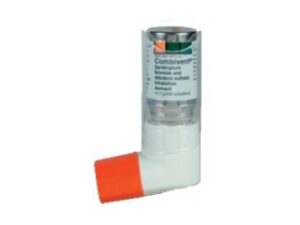
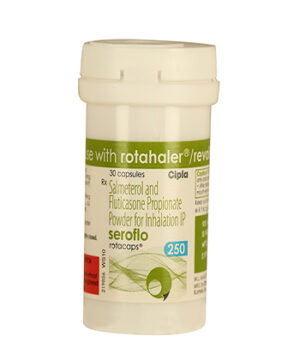
Fluticasone + Salmeterol (Fluticasone + Salmeterol) — Patient Guide (UK)
Fluticasone + Salmeterol is a combination inhaler medicine used to help control long-term breathing problems, particularly asthma and chronic obstructive pulmonary disease (COPD). It contains two active ingredients that work together to improve symptoms, reduce flare-ups, and help you breathe more comfortably.
This guide explains, in clear and practical terms, how the medicine works, how it is typically used in the United Kingdom, what to expect, important safety information, and answers to common questions.
Basic Product Information
- Medicinal name: Fluticasone + Salmeterol
- Active ingredients: Fluticasone (inhaled corticosteroid) + Salmeterol (long-acting bronchodilator)
- Medicinal form: Inhaler (often a metered-dose inhaler or dry powder inhaler depending on brand/presentation)
- How it’s used: Regular inhaled treatment for maintenance control
- Typical target conditions (UK): Asthma and COPD (as advised by your clinician)
Important: Different strengths and inhaler devices exist. Always follow the instructions supplied with your specific inhaler and the dose your healthcare professional recommends for you.
How Fluticasone + Salmeterol Works (Mechanism of Action)
Fluticasone + Salmeterol brings together two complementary medicines:
1) Fluticasone (inhaled corticosteroid)
- Reduces airway inflammation.
- Helps decrease swelling and irritation in the lungs.
- Over time, improves symptom control and lowers the risk of asthma attacks and COPD exacerbations.
2) Salmeterol (long-acting beta2-agonist, LABA)
- Relaxes the muscles around the airways.
- Helps keep air passages open for a long period after each dose (typically 12 hours).
- Improves breathing and reduces breathlessness and wheeze.
Why the combination matters: Asthma and COPD involve both inflammation and airway tightening. Using an anti-inflammatory (fluticasone) plus a long-acting reliever (salmeterol) provides stronger long-term control than either component alone for many patients.
Pharmacokinetics (Absorption, Distribution, Metabolism, Elimination)
When inhaled, the medicine acts mainly within the lungs. The exact proportions reaching the bloodstream vary depending on inhaler type and your inhalation technique.
Absorption
- Inhaled fluticasone: Part of the dose is deposited in the lungs; some is swallowed and absorbed through the gut.
- Inhaled salmeterol: Deposits in the airways with some swallowed portion; systemic absorption occurs to a lesser extent than lung deposition.
Distribution
- Both components may bind to plasma proteins (particularly relevant for corticosteroids).
Metabolism
- Fluticasone and salmeterol are metabolised mainly by liver enzymes (notably CYP3A4 for fluticasone).
Elimination
- Metabolites are mainly eliminated via the faeces and urine pathways.
Clinical meaning: Because metabolism is enzyme-related, some medicines can raise or lower levels of these inhaled drugs (see “Medicine interactions” below).
Typical Use in the UK (Indications)
In the UK, combinations of inhaled corticosteroids and long-acting bronchodilators are commonly used for:
- Asthma: for ongoing control in people whose symptoms are not adequately controlled with inhaled corticosteroid alone (or where combination therapy is appropriate).
- COPD: for maintenance treatment in selected patients with symptoms and reduced lung function, often alongside other COPD therapies.
Not for immediate relief: Fluticasone + salmeterol is intended for maintenance. It is generally not the right medicine for sudden breathlessness during an acute flare—your reliever inhaler (often a short-acting bronchodilator) is usually used for quick symptom relief.
When and How to Take It (Timing & Dosing)
Your exact dose depends on your diagnosis, symptom control, and the specific product strength you are using. Many fluticasone + salmeterol regimens are taken twice daily, but follow your personal instructions.
Typical timing
- Twice daily dosing: Morning and evening, ideally around 12 hours apart.
- Consistency is key: Try to use it at the same times each day.
Typical dosing ranges (general guidance)
Because multiple strengths exist across brands and devices, it’s not appropriate to state one universal dose. Instead, use the dose written on your specific inhaler packaging and the plan provided by your clinician.
| Condition | Typical role | General dosing pattern | Notes |
|---|---|---|---|
| Asthma | Long-term controller therapy | Often twice daily | Regular use helps prevent symptoms and flare-ups |
| COPD | Maintenance therapy | Often twice daily | Used for stable disease; may help reduce exacerbations |
Practical inhaler technique tips
- Use the device correctly: Even the right medicine won’t work well if the inhalation technique is off.
- Rinse and spit after use (especially important with fluticasone): This reduces the risk of mouth/throat side effects like thrush or hoarseness.
- Don’t stop suddenly without advice: Maintenance medicines help keep symptoms controlled.
Food Interactions
Food is not generally expected to affect inhaled fluticasone + salmeterol in a clinically significant way. Because the medicine is inhaled and works locally in the lungs, meal timing typically isn’t crucial.
Swallowed portion: Some inhaled medication may be swallowed, but this is usually not a reason to avoid or time meals.
Practical advice: Maintain your usual eating pattern. If your clinician advises any dietary restrictions for other conditions, follow those recommendations.
Alcohol Interactions
There are no well-established direct, clinically significant interactions between alcohol and inhaled fluticasone + salmeterol for most people.
- Moderation is sensible: Alcohol can worsen breathing for some individuals (for example by affecting sleep, reflux, or overall respiratory status).
- Be cautious if you have COPD: In severe COPD, anything that impairs breathing can be problematic.
If you notice alcohol triggers breathlessness, wheezing, or reflux symptoms, consider reducing intake and discuss this with a clinician.
Medicine Interactions (Including Important Cautions)
Some medicines can affect how fluticasone and salmeterol are metabolised, potentially changing their effect or increasing side effects.
Potentially important interactions
- CYP3A4 inhibitors (can increase fluticasone exposure): examples include certain antifungals and some antibiotics.
- Examples (not exhaustive): ketoconazole, itraconazole, ritonavir/cobicistat-containing regimens.
- Other beta2-agonists (increased risk of side effects): excess use may increase tremor, palpitations, or lower potassium.
- Diuretics (water tablets) and steroids taken by mouth/systemic steroids: may increase risk of low potassium (hypokalaemia), which can affect heart rhythm in susceptible individuals.
- Non-selective beta blockers (may reduce bronchodilator effect): discuss with your clinician if you take medicines such as propranolol (this is particularly relevant for people with asthma).
Always check before combining medicines
If you’re taking multiple medicines, including over-the-counter products and herbal remedies, it’s helpful to review them with a pharmacist. This ensures interaction risks are identified early.
Safety Profile (What to Watch For)
Like all medicines, fluticasone + salmeterol can cause side effects. Many are mild and manageable, but some require prompt medical attention.
Common or relatively frequent side effects
- Throat irritation or hoarseness.
- Oral thrush (a fungal infection) or mouth soreness—risk is reduced by rinsing and spitting after use.
- Tremor or shakiness.
- Headache.
- Palpitations (awareness of heartbeat), usually mild.
- Muscle cramps (less common).
Less common but important risks
- Low potassium (hypokalaemia), especially if you have additional risk factors or take certain medicines (e.g., diuretics).
- Raised blood sugar in some people, particularly if you have diabetes or are prone to it.
- Systemic corticosteroid effects (generally lower with inhaled steroids than tablets, but risk increases at higher doses or with long-term use): possible effects include easy bruising, cataracts/glaucoma over time, and adrenal suppression (uncommon but monitored in clinical practice).
- Heart rhythm effects in susceptible individuals (rare).
Seek urgent medical help if
- Breathing suddenly worsens rapidly or you feel severely short of breath.
- You develop chest pain, fainting, or severe palpitations.
- You have signs of a severe allergic reaction: swelling of face/lips, rash, or difficulty breathing beyond your typical symptoms.
- You get signs of significant infection (e.g., persistent fever, worsening cough with purulent sputum) that require medical review.
Practical Use Tips for Best Results
1) Use it every day (even when you feel well)
Fluticasone + salmeterol works as a controller. Symptoms may improve, but the underlying inflammation and tendency to flare can remain.
2) Keep your inhaler technique under review
- Have a pharmacist, nurse, or clinician check your technique at appointments—many people can improve results with small technique adjustments.
- If your symptoms are not controlled, technique problems and inhaler timing are common causes.
3) Don’t use it instead of your reliever
Your reliever inhaler is for quick relief during sudden symptoms. Fluticasone + salmeterol is designed for regular control.
4) Track symptoms and flare-ups
- Note how often you use your reliever.
- Consider a symptom diary (breathlessness, night symptoms, activity limitation).
- Seek medical review if control worsens or you need the reliever more often.
5) Manage mouth side effects early
- Rinse and spit after each dose.
- If you develop persistent hoarseness or a white coating in the mouth, seek advice promptly.
Alternative Options (Depending on Your Condition)
There are several types of inhaled therapies available in the UK. The best option depends on your diagnosis, severity, and how you respond to treatment.
Common alternatives to consider with your clinician/pharmacist
- Inhaled corticosteroid (ICS) alone (for some asthma patients).
- ICS/LABA combinations (other LABAs paired with different ICS molecules).
- LAMA (long-acting muscarinic antagonist) for COPD, sometimes in triple therapy.
- Triple therapy (ICS + LABA + LAMA) for selected COPD patients.
- Nebulised or oral options in specific situations (typically if inhaler technique is difficult or for certain exacerbation plans).
If you’re changing therapy, do not stop one inhaler and start another without a clear plan. Step changes are usually guided by symptom control and risk of exacerbations.
Market and Legal Context in the UK
In the United Kingdom, inhaled therapies like fluticasone + salmeterol are widely used under established asthma and COPD management pathways. Medicines are regulated by the Medicines and Healthcare products Regulatory Agency (MHRA), and prescribing/prioritisation is supported by guidance from professional bodies and the National Health Service (NHS).
Guideline-based care: Asthma and COPD treatment strategies are typically guided by clinical assessment, including symptom frequency, lung function testing, and exacerbation history. Inhaler selection may also depend on the device type most suited to the patient.
Supply and availability: Inhaler availability can vary due to manufacturing schedules, packaging updates, and device supply chains. Online pharmacy availability may also depend on strength and device type.
Recent Guidance (High-Level Overview)
Ongoing UK care focuses on:
- Regular review of asthma control and inhaler technique.
- Minimising exacerbations by optimising controller therapy.
- Appropriate step-up/step-down based on symptom control and risk, rather than using higher doses unnecessarily.
- Addressing modifiable factors such as smoking, adherence, inhaler technique, and trigger management.
For COPD, emphasis typically includes tailored maintenance therapy, prevention of exacerbations, pulmonary rehabilitation where appropriate, and vaccination advice.
Note: Guidance evolves as new evidence emerges. Your clinician can advise on the most up-to-date approach for your individual situation.
Delivery and Availability (Online Pharmacy Considerations)
Availability of specific fluticasone + salmeterol products can depend on:
- Strength and device type (e.g., metered-dose vs dry powder inhaler)
- Packaging and manufacturer
- Current stock levels
Typical delivery expectations in the UK:
- Orders are usually dispatched quickly when in stock.
- Delivery times vary by courier and service level offered by the pharmacy.
- Some areas may experience slightly longer shipping windows during busy periods.
What you can do: If you need a specific strength/device, check that the online listing matches what you currently use. If you’re unsure, contact the pharmacy’s customer support before ordering.
Safety and Handling Notes
- Store correctly: Keep your inhaler in a safe place away from heat and moisture, following the instructions on the pack.
- Check expiry dates: Do not use past the expiry date.
- Keep out of reach of children.
- Report persistent symptoms: If symptoms are not improving or you need your reliever more frequently, seek advice rather than increasing doses on your own.
FAQ (Frequently Asked Questions)
1) Is fluticasone + salmeterol the same as a reliever inhaler?
No. Fluticasone + salmeterol is a controller medicine used regularly to maintain control. It is generally not intended for rapid relief of sudden symptoms. Most people also need a separate reliever for quick action.
2) How long does it take to work?
Some symptom improvement may be noticed within days, mainly due to the bronchodilator effect. However, the anti-inflammatory benefit of fluticasone may take longer—often several weeks—to reach full effect. If you’re not seeing improvement, it’s important to review technique and your overall treatment plan.
3) What if I miss a dose?
If you miss a dose, take it when you remember unless it is close to the time of your next dose. Do not double up. Follow the instructions on your medicine label and consult a pharmacist if you’re unsure.
4) Should I rinse my mouth after using it?
Yes. Rinse and spit after inhalation to reduce the risk of thrush and hoarseness.
5) Can I use it with other inhalers?
Often yes, but it depends on what other medicines you use. Some combinations are specifically used together in asthma/COPD care. Always confirm the correct schedule (which inhaler first, spacing if needed) with a pharmacist or clinician.
6) Will it affect my heart or cause palpitations?
Salmeterol can occasionally cause palpitations or tremor. If you experience severe or persistent symptoms, chest pain, fainting, or worsening breathing, seek urgent medical advice.
7) Are there any foods I must avoid?
No specific food restrictions are generally required. For most patients, meals do not significantly affect inhaled fluticasone + salmeterol.
8) Can I drink alcohol while using it?
Moderate alcohol intake is not usually a direct interaction concern. However, alcohol may worsen breathing in some people, particularly in COPD or if it affects sleep or reflux.
9) What side effects should worry me?
Seek urgent help for severe allergic reactions, marked worsening of breathing, chest pain, fainting, or severe palpitations. For less severe but persistent issues like hoarseness or mouth symptoms, contact a pharmacist or clinician promptly.
10) What alternative medicines exist if this doesn’t suit me?
Alternatives include different ICS/LABA combinations, ICS alone (for some asthma patients), or LAMA and triple therapy for COPD. The choice depends on your diagnosis and control level.
Key Takeaways
- Fluticasone + salmeterol helps control long-term asthma/COPD by reducing inflammation (fluticasone) and keeping airways open (salmeterol).
- Use it regularly as directed; it’s not usually for sudden symptom relief.
- Rinse and spit after each dose to reduce mouth side effects.
- If you notice worsening control, increased reliever use, or concerning symptoms, seek medical review rather than adjusting doses yourself.
- Check for potential medicine interactions, especially with drugs that affect liver enzymes such as CYP3A4.
Disclaimer: This information is intended to support understanding and safe use. It does not replace advice from a healthcare professional. Always read the patient information leaflet supplied with your specific inhaler.