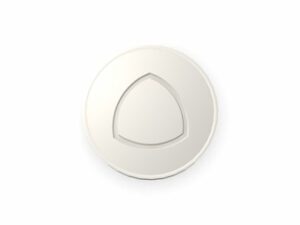
Indapamide (for high blood pressure and related fluid retention)
Indapamide is a medicine commonly used in the UK to help control high blood pressure (hypertension) and, in some people, to reduce excess fluid (oedema) associated with certain heart conditions. It belongs to a group of medicines known as thiazide-like diuretics (“water tablets”).
This guide explains what indapamide is, how it works, how it’s taken, key safety information, and practical tips. Always follow the instructions provided with your medicine and speak to a healthcare professional for personal advice.
Basic product information
| Category | Details |
|---|---|
| Generic name | Indapamide |
| Medicine type | Thiazide-like diuretic (water tablet) |
| Common uses | Hypertension; sometimes fluid retention (oedema) in selected conditions |
| Forms | Immediate-release and modified-release (depending on brand/strength) |
| Typical dosing frequency | Often once daily (especially for modified-release forms) |
| How it’s sold in the UK | Available through pharmacies under UK medicine regulations |
How indapamide works (mechanism of action)
Indapamide helps lower blood pressure and reduce fluid retention through two related effects:
- Diuretic effect: it acts on the kidneys to increase the removal of salt and water, which can reduce the volume of fluid in the bloodstream.
- Vessel-relaxing effect: it can also help blood vessels relax, contributing to blood pressure reduction.
By promoting fluid and salt excretion, indapamide may also influence levels of certain blood minerals, particularly potassium, sodium, and sometimes magnesium.
Pharmacokinetics (how the body handles it)
Pharmacokinetics describes what happens to a medicine in the body—absorption, distribution, metabolism, and elimination.
- Absorption: Indapamide is absorbed from the gut after you take it by mouth.
- Modified-release vs immediate-release: Some formulations release the medicine more slowly (modified-release), which can support once-daily dosing and steadier blood levels.
- Onset: The effect on urine output can begin within hours, while blood pressure lowering develops over days to weeks.
- Distribution: It circulates in the body and binds to plasma proteins.
- Metabolism and excretion: The medicine is processed by the body and eliminated mainly through the kidneys, with a portion cleared through the liver/other pathways.
Your individual response may vary based on kidney function, age, other medicines, and whether you’re taking immediate-release or modified-release indapamide.
Typical uses (indications)
In the UK, indapamide is used for:
- Hypertension (high blood pressure): to reduce the risk of stroke, heart attack, and other complications of high blood pressure.
- Fluid retention in selected cases: in people who have oedema related to certain medical conditions, as decided by their healthcare professional.
If you’re taking indapamide for blood pressure, it’s usually part of a longer-term management plan rather than a short course.
How and when to take indapamide (timing)
Many people take indapamide . The best time can depend on formulation and your personal tolerance of increased urination.
- Once-daily routine: Try to take it at the same time each day.
- Morning is often preferred: Because diuretics can increase urination, taking it in the morning may reduce the chance of night-time trips to the bathroom.
- Modified-release tablets: Swallow whole—don’t crush or chew unless specifically instructed by your prescriber or pharmacist.
- With or without food: Usually it can be taken with or without food, but food can affect tolerability (see “Food interactions” below).
Dosing: what’s typical in the UK
Doses vary based on the specific product strength and whether it is immediate-release or modified-release. Healthcare professionals decide the most appropriate dose for you.
Common dosing approach:
- Hypertension: often once daily, with the exact dose dependent on the tablet strength and formulation.
- Fluid retention: dosing may be adjusted according to response and blood test results.
Important: Do not change your dose without medical advice. If you miss a dose, follow the guidance provided with your medicine or consult your pharmacist for advice tailored to your situation.
Food interactions (and practical eating guidance)
Food doesn’t usually “block” indapamide in the way that some medicines do, but a few diet-related points are important:
- Maintain balanced salt intake: Very high salt intake can make blood pressure harder to control. Some people may be advised to moderate salt.
- Potassium-containing foods: Indapamide may lower potassium in some people. Eating a balanced diet—including foods that provide potassium (such as fruit, vegetables, and potatoes)—can help support normal levels, but do not rely on diet alone if blood tests show low potassium.
- Take note of stomach sensitivity: If you experience nausea or stomach upset, taking indapamide with food may improve comfort.
Your clinician may check electrolytes (sodium, potassium, and sometimes magnesium) and kidney function—particularly after starting treatment or when doses change.
Alcohol and medicine interactions
Alcohol can affect blood pressure and may worsen side effects such as dizziness or light-headedness—especially when starting or increasing dose. Alcohol may also increase the risk of dehydration, which can be relevant for diuretics.
- Advice: If you drink alcohol, do so in moderation and be cautious about symptoms like dizziness on standing.
- Avoid dehydration: Ensure you’re drinking enough fluids unless you’ve been told to restrict fluid intake for a medical reason.
- When to seek help: If you feel faint, severely unwell, or develop muscle weakness/cramps, get medical advice promptly—these can be signs of electrolyte imbalance.
Medication interactions (other common medicines)
Indapamide can interact with several medicine types. This may change the effects of indapamide or increase side effects. Always tell your healthcare professional about all medicines, supplements, and herbal products you use.
Examples of medicines that may interact include:
- Lithium: may increase lithium levels and toxicity risk.
- NSAIDs (e.g., ibuprofen, naproxen): can reduce the blood pressure-lowering effect and may affect kidney function in some people.
- Other blood pressure medicines: can have additive blood pressure-lowering effects (sometimes beneficial, but watch for dizziness).
- Potassium-lowering medicines: may increase the risk of low potassium.
- Medicines affecting heart rhythm: low potassium or magnesium may increase rhythm disturbance risk.
- Diabetes medicines: some people may notice changes in blood sugar control.
Interaction risk is higher when indapamide is combined with multiple medicines that affect electrolytes or kidney function. Your pharmacist can advise on specific combinations.
Safety profile: side effects and who should be extra careful
Most people tolerate indapamide well, but like all medicines it can cause side effects. Some side effects relate to diuretic action and electrolyte changes.
Common and possible side effects
- Increased urination (especially soon after starting)
- Dizziness or light-headedness, particularly when standing up quickly
- Headache
- Muscle cramps or weakness (may be linked to electrolyte changes)
- Fatigue
Electrolyte and laboratory effects
Indapamide may reduce sodium and potassium. It may also affect magnesium levels and kidney function in susceptible individuals. This is why blood tests are sometimes needed.
Seek urgent medical advice if you experience
- Severe or persistent dizziness/fainting
- Signs of an electrolyte problem such as marked weakness, severe cramps, confusion, or abnormal heartbeat symptoms
- Uncontrolled vomiting or inability to keep fluids down
- Allergic reaction symptoms such as swelling of the face/lips, rash, or difficulty breathing
Who should be extra careful
- People with kidney disease or reduced kidney function
- People with a history of low potassium or low sodium
- People with heart rhythm conditions
- Older adults (higher chance of dizziness and electrolyte changes)
- People taking multiple medicines that affect kidneys or electrolytes
If you are pregnant or planning a pregnancy, or if you have breastfeeding concerns, discuss your treatment with a healthcare professional.
Practical use tips (making treatment easier)
The following tips can help you get the most from indapamide and reduce avoidable problems:
- Start with a simple routine: Take it at the same time each morning.
- Stand up slowly: If you feel light-headed, sit for a moment before standing.
- Be aware of early bathroom changes: Increased urination is more noticeable when you first start.
- Hydration matters: Unless you’ve been told to restrict fluids, drink adequately—especially during hot weather.
- Attend blood tests/check-ups: These help monitor electrolytes and kidney function.
- Don’t skip or double doses: If you miss a dose, check advice from your healthcare professional or pharmacist rather than taking an extra one.
- Keep a medication list: Include over-the-counter pain relief (especially NSAIDs), herbal products, and supplements.
Recent guidance and monitoring approach in the UK
In the UK, management of hypertension typically involves a combination of lifestyle measures and medicines, with regular follow-up. Many medicines used for blood pressure—including diuretics like indapamide—are associated with monitoring of:
- Blood pressure response
- Kidney function (especially after starting or increasing dose)
- Electrolytes (notably sodium and potassium)
Recommendations can evolve as new evidence and safety updates become available. Your pharmacist can advise how monitoring applies to your situation, and your GP or specialist may tailor the plan.
Delivery and availability in the United Kingdom
Indapamide is available through UK pharmacy channels. Availability may vary by brand, strength, and formulation (immediate-release vs modified-release).
- Stock checks: Online pharmacies commonly check availability at order time.
- Generic and branded options: The active ingredient is the key factor, but tablet strength and release type matter.
- Delivery: Delivery timing depends on service level, location, and courier coverage. Orders are typically processed on working days.
- Packaging and privacy: Medicines are usually delivered in discreet packaging.
If you’re planning travel or long absences, allow extra time for delivery and consider ordering before you run out.
Alternative options to consider
Indapamide is one option for blood pressure control and related fluid management. If it isn’t suitable due to side effects, interactions, or inadequate effect, healthcare professionals may consider alternatives from similar or different medicine classes.
Other medicine options commonly used for hypertension
- ACE inhibitors (e.g., ramipril, lisinopril)
- Angiotensin receptor blockers (ARBs) (e.g., losartan, candesartan)
- Calcium channel blockers (e.g., amlodipine)
- Other diuretics (depending on suitability, such as bendroflumethiazide or loop diuretics in certain conditions)
- Beta-blockers (for selected patients, especially with certain heart conditions)
Alternatives depend on your diagnosis, other medical conditions, kidney function, electrolytes, and how you respond to current treatment. Always consult a healthcare professional before switching.
FAQ about indapamide
1) What is indapamide used for?
Indapamide is used to treat high blood pressure. In some circumstances it may also help with fluid retention (oedema) related to certain medical conditions, as directed by a healthcare professional.
2) When should I take indapamide?
It is commonly taken once daily. Many people prefer taking it in the morning to reduce the likelihood of needing the toilet at night. Follow the instructions supplied with your specific product (especially if it is modified-release).
3) Can I take it with food?
Generally, indapamide can be taken with or without food. If it upsets your stomach, taking it with food may help.
4) Does alcohol affect indapamide?
Alcohol may increase the chance of dizziness or dehydration. If you drink, keep it moderate and be cautious—especially when you first start treatment or after dose changes.
5) What side effects should I watch for?
Common effects include increased urination and possibly dizziness. Seek prompt medical advice if you develop severe dizziness/fainting, signs of electrolyte imbalance (e.g., marked weakness, persistent muscle cramps, confusion), an allergic reaction, or unusual heartbeat symptoms.
6) Will indapamide affect my potassium level?
It can lower potassium in some people. That’s why blood tests may be recommended, particularly at the start of treatment or after changes to dose or related medicines.
7) How long does it take to work?
Urine output may increase within hours, but blood pressure improvements typically develop over days to weeks. Keep taking it regularly as directed even if you don’t feel any immediate difference.
8) What if I miss a dose?
If you miss a dose, don’t take a double dose. Check the advice provided with your medicine or contact your pharmacist for guidance based on your timing and product type.
9) Can I take ibuprofen or other painkillers?
Some painkillers (notably NSAIDs like ibuprofen or naproxen) may affect kidney function and the blood pressure-lowering effect in certain people. It’s best to ask your pharmacist or healthcare professional before using NSAIDs regularly.
10) Are there alternatives if indapamide isn’t suitable?
Yes. Depending on your needs, clinicians may consider other blood pressure medicines or different diuretics. The best choice depends on your health profile and monitoring results.
Important notes
- Do not stop indapamide suddenly without medical advice.
- Report new symptoms, especially after starting or changing dose.
- Keep appointments for blood tests and blood pressure reviews when requested.
If you have questions about your specific tablet strength, release type (modified-release vs immediate-release), or how to manage side effects, speak to your pharmacist. They can also help check potential interactions with the medicines you already take.