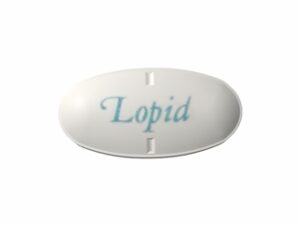

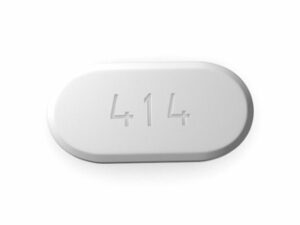

Fenofibrate: Patient-Friendly Guide (United Kingdom)
Fenofibrate is a medicine used to help improve blood fat levels, particularly when triglycerides are high and/or when cholesterol patterns are abnormal. This guide explains what fenofibrate does, how it works, how the body processes it, typical uses, timing, food and alcohol interactions, safety considerations, practical tips, and what alternatives may be available. It also includes information relevant to the UK medicines landscape and delivery/availability.
This information is designed to help you understand fenofibrate. It does not replace the advice of a healthcare professional. If you have questions about your suitability for fenofibrate, your dose, or how to take it alongside other medicines, speak to your clinician or pharmacist.
Basic product information
| Category | Details |
|---|---|
| Generic name | Fenofibrate |
| Medicinal class | Fibrate (lipid-regulating medicine) |
| Common strengths | May vary by product (for example, 67 mg, 145 mg, or other formulations) |
| Common formulations | Tablets/capsules including modified-release options depending on brand |
| Typical storage | Store below 25°C (unless your specific product label says otherwise) |
| Use for | High triglycerides and mixed dyslipidaemia under clinical guidance |
How fenofibrate works (mechanism of action)
Fenofibrate belongs to the fibrate group of lipid-lowering medicines. It works mainly by activating a nuclear receptor called PPAR-α (peroxisome proliferator-activated receptor alpha). When activated, this changes gene expression involved in fat metabolism, leading to:
- Reduced triglycerides: It increases the breakdown of triglyceride-rich particles and improves their clearance.
- Modest increases in HDL (“good” cholesterol): HDL levels often rise slightly.
- Variable effect on LDL (“bad” cholesterol): LDL may fall or stay similar depending on your starting pattern.
In people with high triglycerides, fenofibrate can reduce the risk of complications linked to severe hypertriglyceridaemia, including pancreatitis risk when triglycerides are very high.
Pharmacokinetics (how the body processes it)
“Pharmacokinetics” describes absorption, distribution, metabolism, and elimination. While exact values vary by formulation and individual factors, the key points for fenofibrate are:
- Absorption: Fenofibrate is absorbed from the gastrointestinal tract. Some formulations are designed for improved or sustained release.
- Conversion to active form: Fenofibrate is metabolised into an active metabolite (commonly fenofibric acid), which exerts most of the lipid effects.
- Peak levels: Blood concentrations rise after a dose, reaching peak levels within hours depending on formulation.
- Protein binding: The active metabolite shows high plasma protein binding.
- Elimination: The active metabolite is primarily eliminated via the kidneys. This makes kidney function an important safety consideration.
- Half-life: The active metabolite has a relatively prolonged half-life, allowing many regimens to be once daily (depending on the product).
Typical uses in the UK
Fenofibrate is used to treat abnormal blood lipid levels, most commonly:
- High triglycerides (hypertriglyceridaemia), particularly when triglycerides are significantly elevated.
- Mixed dyslipidaemia when cholesterol and triglyceride abnormalities occur together and a fibrate is considered appropriate.
- Reducing complications risk in selected patients with severe hypertriglyceridaemia, where lowering triglycerides is a clinical priority.
It is usually used alongside lifestyle changes, such as dietary adjustments, weight management, regular exercise, and reducing alcohol intake if triglycerides are elevated. Your clinician may also consider other medicines depending on your lipid profile and overall cardiovascular risk.
Timing: when to take fenofibrate
Many fenofibrate products are taken once daily. The best timing depends on the specific formulation you are given. Follow your product label instructions or healthcare professional advice.
General practical guidance
- Take at the same time each day to help maintain consistent levels.
- Use the timing specified for your brand (some may be recommended with food).
- If you miss a dose, take it when you remember
Food interactions: does fenofibrate need to be taken with meals?
Food can affect how some lipid-lowering medicines are absorbed. For fenofibrate, many product instructions recommend taking doses with food, which may improve absorption for certain formulations.
What to do: Check your individual product leaflet for the exact advice. If your brand is recommended with food, taking it with a meal or shortly after eating may be beneficial.
If you are unsure whether your specific formulation should be taken with food, ask your pharmacist.
Alcohol and medicine interactions
Alcohol
Alcohol can raise triglyceride levels in some people, particularly with frequent intake or heavy drinking. Since fenofibrate is often used to reduce triglycerides, it’s generally recommended to limit or avoid alcohol if your triglycerides are high or if you have a history of pancreatitis.
Alcohol also increases the risk of liver irritation and can worsen overall metabolic health. If you drink alcohol, discuss a safe level with your clinician.
Drug interactions (important examples)
Fenofibrate can interact with several other medicines. The most important interactions include:
- Statins (e.g., simvastatin, atorvastatin): Combining a fibrate with a statin may increase the risk of muscle-related side effects (myopathy/rhabdomyolysis). If used together, it typically requires careful selection, dose consideration, and monitoring.
- Anticoagulants (e.g., warfarin): Fenofibrate may increase the effect of warfarin, raising bleeding risk. Monitoring of INR (a blood clotting test) is commonly required if these are used together.
- Other lipid medicines: Some combinations may heighten side effect risks; your prescriber should assess benefits and safety.
- Immunosuppressants and certain antivirals/antifungals: Interactions may affect drug levels or muscle toxicity risk. Always check with your pharmacist if you take long-term or specialist medicines.
- Diabetes medicines: Fenofibrate may influence glucose control in some people. If you have diabetes, you may need closer blood sugar monitoring when starting or adjusting therapy.
This is not an exhaustive list. Always review your full medicine list (including over-the-counter products and herbal remedies) with a pharmacist before starting fenofibrate or changing doses.
Indications: when fenofibrate is considered
In clinical practice in the UK, fenofibrate is considered for patients with lipid abnormalities where:
- Triglycerides are elevated to levels that increase risk, or
- There is mixed dyslipidaemia that has not responded sufficiently to lifestyle measures and/or other options,
- A fibrate is judged to be appropriate based on your overall risk profile and tolerability.
Your clinician will interpret your lipid results (including triglycerides, HDL, LDL, and total cholesterol) and decide on the most suitable approach. Treatment is usually individualised.
Dosing: usual adult dosing approach
The exact dose depends on your product strength and formulation, your kidney function, and your clinician’s assessment. Below is patient-friendly guidance on how dosing is commonly approached.
Typical adult dosing
- Once daily is common for many fenofibrate formulations.
- Modified-release or specific strengths may allow once-daily dosing with different mg amounts.
- Kidney function may require dose adjustment or avoidance in certain severe impairment scenarios.
How to take your dose
- Swallow tablets/capsules whole with water unless your product instructions say otherwise.
- Follow any instructions about whether it should be taken with food.
- Do not alter the dose yourself without medical guidance.
Monitoring
Clinicians commonly monitor lipid levels and may also check:
- Liver enzymes (to detect possible liver-related side effects)
- Kidney function (particularly important since fenofibrate is mainly cleared by the kidneys)
- Muscle-related symptoms if you develop pain, weakness, or dark urine—especially if also taking a statin
Safety profile: who should take extra care?
Like all medicines, fenofibrate can cause side effects. Many people tolerate it well, but it’s important to know the key safety points.
Common or known possible side effects
- Stomach or digestive symptoms (for example, nausea, abdominal discomfort)
- Headache
- Increased liver enzymes on blood tests (often detected during monitoring)
- Changes in kidney function tests in some individuals (your clinician will interpret results in context)
Important risks to discuss with your clinician
- Muscle problems: Seek urgent medical advice if you develop unexplained muscle pain, tenderness, weakness, or dark-coloured urine, particularly if you take a statin or have kidney problems.
- Liver issues: If you develop symptoms such as yellowing of the skin/eyes (jaundice), persistent severe fatigue, or dark urine, contact a healthcare professional promptly.
- Gallbladder problems: Some fibrates can increase the risk of gallstones. Symptoms may include right upper abdominal pain, pain after meals, or nausea/vomiting.
- Pancreatitis risk: While fenofibrate is used to reduce triglycerides, pancreatitis is still possible if triglycerides remain extremely high. Severe abdominal pain should be assessed immediately.
Contraindications and precautions (general)
Fenofibrate may not be suitable for some people, depending on the product and medical history. Extra caution may be needed if you have:
- Severe kidney impairment (dose adjustment or alternative may be needed)
- Active liver disease or persistently raised liver enzymes
- Known hypersensitivity to fenofibrate or formulation components
- High risk of muscle toxicity (for example, certain drug combinations or pre-existing risk factors)
Your prescriber will evaluate your health history, blood test results, and other medicines before recommending fenofibrate.
Practical use tips for best results
Fenofibrate works best when combined with lifestyle measures. Use these practical tips to maximise benefit and support safety.
- Keep lifestyle changes consistent: Diet and exercise improvements can significantly enhance lipid control.
- Adjust diet to reduce triglycerides: If your triglycerides are high, reducing sugary foods and drinks, refined carbohydrates, and excess saturated fats may help.
- Manage body weight: Even modest weight loss can improve triglycerides and insulin sensitivity.
- Stay active: Regular physical activity supports lipid and metabolic health.
- Limit alcohol: Particularly important if triglycerides are elevated.
- Don’t stop suddenly: If you’re tolerating the medicine, continue as advised and review progress at follow-up.
- Attend monitoring appointments: Blood tests help ensure safe ongoing use.
- Report symptoms early: Contact your clinician if you experience muscle pain/weakness, signs of liver trouble, or severe abdominal pain.
What to expect: onset of effect and follow-up
Lipid improvements usually take time. Many clinicians review blood results after a period of therapy (commonly several weeks to a few months) to confirm the response and decide whether changes are needed.
If your triglycerides are very high, your clinician may monitor more closely, especially early in treatment.
Alternative options (UK context)
Depending on the reason for treatment and your lipid profile, alternative approaches may include:
- Lifestyle measures alone or with additional support (dietitian-led programmes, structured exercise, alcohol reduction).
- Statins (often first-line for LDL-related risk reduction; choice depends on your cardiovascular risk and lipid pattern).
- Other triglyceride-lowering strategies (examples may include omega-3 fatty acid preparations or other prescription options, where clinically appropriate).
- Different fibrate choices or formulations depending on local product availability and patient tolerability.
The “best” alternative depends on your exact blood test results, your medical history, and which medicines you already take. A healthcare professional can guide you on the most suitable option.
Market and legal context for the UK
In the United Kingdom, fenofibrate is an established medicine within lipid management. Availability, brand naming, and formulation details can vary. Medicines used in the UK are regulated by the Medicines and Healthcare products Regulatory Agency (MHRA) and must follow UK quality, safety, and labelling requirements.
For online pharmacy supply, medicines are provided in accordance with UK regulations and pharmacy standards. Eligibility to purchase and any clinical checks (where required by law) may vary by online service and by the medicine classification.
Recent guidance (what patients should know)
Over recent years, UK lipid management has emphasised:
- Personalised cardiovascular risk assessment (not one-size-fits-all).
- Lifestyle-first principles alongside medicines when indicated.
- Use of triglyceride-lowering strategies particularly when triglycerides are high enough to increase risk of complications.
- Safer prescribing and monitoring, especially for medicines with muscle/liver considerations and for people with kidney impairment.
Recommendations continue to evolve as new evidence becomes available. Your clinician can explain how current guidance applies to your situation.
Delivery and availability (online pharmacy)
Availability of fenofibrate may differ depending on:
- Specific product strength and formulation (for example, standard vs modified-release)
- Local stock levels and supplier timelines
- Demand in the UK market
Many UK online pharmacies provide discreet packaging and deliver to UK addresses. Typical delivery times vary by provider and postcode, and may include options such as standard and express delivery.
Tip: If you need a particular strength, check the exact product listed. If a substitution is considered, it should follow the pharmacy’s relevant regulations and your clinician’s instructions.
Storage and handling
- Store in the original packaging to protect from moisture and light.
- Keep out of sight and reach of children.
- Do not use after the expiry date printed on the pack.
- If tablets/capsules look damaged or discoloured, do not take them—speak to your pharmacist.
FAQ about fenofibrate
1) What is fenofibrate used for?
Fenofibrate is used to help lower blood triglycerides and improve lipid patterns in selected people with abnormal cholesterol/triglyceride levels, particularly when triglycerides are high.
2) How long does it take to work?
Lipid levels may begin to improve within weeks. Clinicians typically reassess blood results after an interval (often several weeks to a few months) depending on your starting triglyceride level and overall risk.
3) Should I take fenofibrate with food?
Many fenofibrate products are recommended to be taken with food to support absorption. However, the exact advice depends on the formulation. Always follow the instructions on your specific pack or the guidance given by your pharmacist.
4) Can I drink alcohol while taking fenofibrate?
It’s generally advisable to limit alcohol, especially if your triglycerides are high, because alcohol can raise triglyceride levels in some people. If you drink, discuss a safe approach with your clinician.
5) What foods should I avoid?
For high triglycerides, reducing sugar and refined carbohydrates, limiting excess saturated fats, and following a balanced diet can be helpful. Your clinician may suggest specific dietary changes based on your results.
6) What are the signs of serious side effects?
Contact a healthcare professional promptly if you develop:
- Severe or persistent muscle pain/weakness, or dark urine
- Yellowing of the skin/eyes, severe fatigue, or dark urine
- Severe abdominal pain (especially if it is persistent)
7) Can fenofibrate be taken with a statin?
It may be possible in some cases, but the combination can increase the risk of muscle-related side effects. If a statin and fenofibrate are used together, clinicians generally choose doses carefully and monitor symptoms and relevant blood tests.
8) What if I miss a dose?
Take it when you remember unless it’s close to your next dose. Do not take a double dose. If you’re unsure, ask your pharmacist for advice tailored to your dosing schedule.
9) Who should take extra care?
People with kidney impairment, liver disease, a history of muscle problems, or those taking interacting medicines may require extra monitoring or may not be suitable. Always review your medical history and current medicines with a pharmacist.
10) What are alternatives if fenofibrate isn’t suitable?
Alternatives depend on why you’re taking it. Options may include statins (especially for LDL-related risk), other triglyceride-lowering treatments, or lifestyle-led strategies. Your clinician can recommend the most appropriate plan for your lipid profile.
Summary
Fenofibrate is a fibrate medicine used to improve blood fat levels, particularly to lower triglycerides and support healthier lipid patterns. It works by influencing fat metabolism pathways and is processed in the body through metabolism into an active form, with kidney function playing an important role in safety. To achieve the best results, combine fenofibrate with lifestyle changes, take it consistently (and with food if your product advises it), limit alcohol, and attend regular monitoring. Seek urgent medical help if you experience symptoms suggestive of muscle injury, liver problems, or severe abdominal pain.