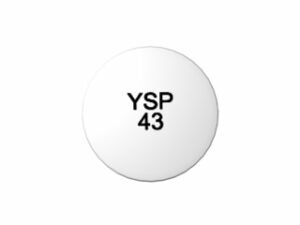


Cytotec (Misoprostol) — Patient-Friendly Guide (UK)
Cytotec contains misoprostol, a medicine used to reduce stomach acid and—at higher, carefully selected dosing regimens—support certain women’s health and miscarriage-related medical approaches. This guide explains what Cytotec is, how it works, how it is used, and key safety points. It is written to be easy to read and practical.
| Category | Details |
|---|---|
| Active ingredient | Misoprostol |
| Common formulation | Tablets (brand Cytotec) |
| Uses | Prevention of NSAID-related stomach ulcers; specific obstetric/gynecological uses under appropriate clinical guidance |
| How it works | Prostaglandin E1 (PGE1) analogue |
| Main side effects | Diarrhoea, abdominal cramps, nausea, headache; in women’s health uses: bleeding/cramping |
Basic product information
Cytotec is the brand name for misoprostol. It is used in two broad settings:
- Gastrointestinal protection: to prevent stomach ulcers and complications (for example, ulcers) in people taking certain anti-inflammatory painkillers (NSAIDs), especially those at higher risk.
- Women’s health (obstetric/gynecological) applications: misoprostol can help the cervix and uterus respond in certain clinical situations. The exact regimen and appropriateness depend on the individual case.
In the UK, medicine availability and the way it is supplied can vary depending on the indication, prescribing practice, and local pathways. If you are unsure which use applies to you, speak with a qualified clinician.
How Cytotec (misoprostol) works (mechanism of action)
Misoprostol is a prostaglandin E1 analogue. Prostaglandins are natural chemicals that affect many body systems. Misoprostol works by:
- Reducing stomach acid: it decreases acid secretion from the stomach.
- Protecting the stomach lining: it increases mucous and bicarbonate production and supports the integrity of the gastric protective barrier.
- Uterine and cervical effects (in relevant settings): it can soften the cervix and stimulate uterine contractions.
These uterine and cervical effects are the reason misoprostol is used for certain medical approaches in obstetrics. The dosing and timing are critical for safety and effectiveness.
Pharmacokinetics (how the body handles misoprostol)
Pharmacokinetics describes what happens to a medicine after it is taken: absorption, distribution, metabolism, and elimination.
- Absorption: misoprostol is absorbed from the gastrointestinal tract.
- Activation: misoprostol is converted in the body to its active metabolite(s), primarily misoprostol acid.
- Onset: effects can begin within about 30 minutes for many uses, though timing varies by dose and route.
- Duration: biological effects typically last a limited time; multiple dosing may be used depending on indication.
- Elimination: metabolites are cleared by the kidneys (urine).
Because timing matters, it’s important to follow the schedule given for your specific treatment plan.
Typical use in the UK
1) Prevention of NSAID-related gastric ulcers
Cytotec is used to help prevent gastric and duodenal ulcers in people taking NSAIDs (anti-inflammatory medicines like ibuprofen, naproxen, and others), particularly if they are at increased risk for ulcers.
2) Women’s health indications (clinical setting)
Misoprostol may be used for specific obstetric/gynecological reasons, such as preparing the cervix or helping in medical management scenarios. These uses require careful clinical assessment and an individualised plan.
If you are seeking information for a women’s health use, it’s especially important to understand:
- the stage of pregnancy (if applicable),
- possible contraindications,
- the expected bleeding/cramping timeline, and
- when to seek urgent help.
Timing: when to take Cytotec and how it fits into a regimen
Timing differs by indication. Below are general, patient-friendly pointers—always follow the schedule given for your situation.
For ulcer prevention (NSAID protection)
- Misoprostol is often taken with food to reduce stomach upset.
- Dosing schedules for ulcer prevention are commonly divided through the day (for example, twice daily), depending on the regimen.
For women’s health uses
- Regimens typically specify exact dosing times and may involve repeated doses at set intervals.
- Because uterine response varies, timing and follow-up assessments are critical.
- It’s helpful to plan for rest and access to support, as bleeding and cramping commonly occur after dosing.
If you miss a dose or are unsure how to proceed, seek advice promptly rather than improvising.
Food interactions: what to expect with meals
Food can influence tolerability, particularly for ulcer-prevention dosing:
- Take with food: misoprostol is commonly recommended with meals to reduce nausea and diarrhoea.
- Hydration: if diarrhoea occurs, drink fluids and consider electrolyte replacement if needed.
For women’s health regimens, food effects may be less important than timing, but remaining hydrated and having a light meal beforehand can help many people manage nausea.
Alcohol and medicine interactions
Alcohol
There is no universally strict “do not drink” rule for misoprostol, but alcohol can worsen side effects such as:
- dizziness or fatigue,
- nausea, and
- diarrhoea.
If you are taking misoprostol, it’s generally safest to avoid or limit alcohol, especially when your body is experiencing cramps, bleeding, or gastrointestinal upset.
Interactions with other medicines
Misoprostol can interact with other medicines indirectly through effects on the stomach or through prostaglandin-related pathways. Common considerations include:
- NSAIDs: misoprostol is often used alongside NSAIDs; this combination is part of its ulcer-prevention role. However, dosing and suitability depend on your overall risk profile.
- Medicines affecting blood clotting: if you are on anticoagulants or antiplatelet drugs, any procedure-related bleeding considerations may be relevant in women’s health uses. Discuss your medication list with a clinician.
- Gastroprotective drugs: if you are taking medicines such as PPIs (proton pump inhibitors) or H2 blockers, your clinician may determine whether misoprostol is necessary and how it fits your regimen.
- Other medicines with diarrhoea or GI effects: combining multiple medicines that cause diarrhoea may increase gastrointestinal discomfort.
Always review your full medication list (including over-the-counter products and herbal remedies) with a healthcare professional.
Indications (what Cytotec is used for)
In clinical practice in the UK, Cytotec (misoprostol) may be indicated for:
- Prevention of NSAID-associated gastric and duodenal ulcers in people at risk.
- Selected obstetric/gynecological indications that require careful medical assessment and appropriate dosing regimens.
Misoprostol’s uterotonic effects mean it is not a “one-size-fits-all” medication. Suitability depends on factors such as medical history and the specific clinical goal.
Dosing: general information and what to expect
Dosing must be individualised. The information below describes typical dosing approaches to help you understand what clinicians often consider; it is not a personal instruction.
Ulcer prevention (NSAID-related)
- Dosing is commonly divided across the day.
- Many regimens are taken with food to reduce side effects.
- Diarrhoea may limit tolerability; dose adjustment may be considered by a clinician if side effects are troublesome.
Women’s health regimens
- Dose and timing depend on the specific reason for use, clinical assessment, and local protocol.
- Patients are typically given clear guidance on what to expect (bleeding, cramping), what to do next, and when to seek help.
- Do not change the regimen without appropriate advice.
If you have been given misoprostol, follow the plan you received exactly. If you are uncertain about dosing instructions, contact a healthcare professional urgently.
Safety profile: side effects and risks
Common side effects
Many side effects are related to prostaglandin activity and can be dose-dependent.
- Diarrhoea
- Abdominal cramps
- Nausea
- Headache
- Dizziness
- Flatulence or indigestion
In ulcer-prevention use, diarrhoea is a well-known issue. Taking with food and staying hydrated can improve tolerability.
Side effects specific to women’s health uses
Uterine and cervical effects commonly cause:
- Vaginal bleeding
- Cramping
- Passing tissue (which may be expected depending on the clinical scenario)
Serious warnings — seek urgent medical help
You should seek urgent medical assistance if you develop any of the following:
- Heavy bleeding (for example, soaking through pads rapidly or feeling faint)
- Severe or worsening abdominal pain that does not ease
- Fever or chills, especially if persistent
- Foul-smelling discharge
- Severe weakness, dizziness, or fainting
These symptoms may indicate complications requiring prompt assessment.
Who should take extra caution?
Misoprostol may not be suitable for everyone. Extra caution is needed if you have:
- significant cardiovascular disease,
- inflammatory bowel disease or severe gastrointestinal conditions,
- kidney problems, since metabolites are cleared by the kidneys,
- known hypersensitivity to misoprostol or excipients,
- other conditions where bleeding and cramping risks would be unacceptable.
If you have questions about your suitability, speak to a clinician before using Cytotec.
Practical use tips for patients
Improve tolerability (especially for ulcer prevention)
- Take with food as advised to reduce stomach upset.
- Stay hydrated, particularly if you develop diarrhoea.
- Choose a convenient schedule so you can manage potential GI side effects at home.
- Know what “normal” looks like: mild diarrhoea or mild cramps can occur; severe symptoms should be assessed.
When using for women’s health regimens
- Plan for rest and have support available if possible.
- Prepare supplies (for example, appropriate sanitary protection).
- Track timing of doses and any bleeding/pain changes.
- Follow follow-up guidance if advised, since confirmation may be needed.
- Use pain relief appropriately if recommended for your situation.
Storage and handling
- Store according to the label (typically at room temperature, away from excess heat and moisture).
- Keep out of reach of children.
- Check the expiry date before use.
Alternative options (depending on the indication)
Alternatives vary widely by whether you are using misoprostol for ulcer prevention or for women’s health reasons.
For NSAID ulcer prevention
- Proton pump inhibitors (PPIs) (commonly used gastroprotection options)
- H2 receptor blockers
- Switching NSAID type/dose where appropriate
For obstetric/gynecological medical management
Alternatives may include other medicines or procedural options, depending on the clinical situation. Choice is influenced by medical history, gestational age, access to follow-up, and safety considerations.
A clinician can advise on the safest and most appropriate alternative for your circumstances.
Market and legal context in the UK
In the United Kingdom, the availability, supply routes, and clinical use of medicines are governed by UK medicines regulation, including:
- MHRA (Medicines and Healthcare products Regulatory Agency) oversight for product licensing and safety monitoring,
- GPhC standards for pharmacy practice,
- NHS guidance and professional bodies’ recommendations for clinical care,
- and additional regulations affecting supply for specific indications.
Guidance and pathways may change over time. If you are purchasing or using Cytotec, ensure you are using it within the framework of UK-approved supply and advice for your situation.
Recent guidance and updates (general information)
Clinical guidance relating to medicines used in women’s health and miscarriage-related care can be updated as evidence evolves. In the UK, relevant updates may come from professional bodies, NICE, Royal Colleges, and NHS services. For the most current advice:
- consult your local NHS service or a clinician,
- check official NHS/clinical resources provided through reputable healthcare channels,
- and follow the instructions that accompany your medicine supply.
Because guidance can differ by indication and patient circumstances, it’s important not to rely on outdated online material.
Delivery and availability (UK)
Availability of Cytotec (misoprostol) products can vary between pharmacies and online pharmacy services. Delivery options in the UK typically include:
- Standard delivery (a few working days)
- Express delivery options (where available)
- Tracking for parcel shipments
When ordering online, consider:
- ensuring the product is the correct strength and formulation,
- checking pack size and expiry date,
- reviewing storage instructions, and
- allowing extra time for delivery if you need the medicine for a scheduled clinical plan.
If you have urgent needs, choose a delivery method that provides the timeframe you require.
FAQs
1) What is Cytotec used for?
Cytotec (misoprostol) is used to help prevent NSAID-related stomach ulcers. In selected obstetric/gynecological settings, it may also be used under a defined clinical regimen.
2) How quickly does misoprostol start working?
Effects can begin within about 30 minutes for many patients, but the exact onset varies by dose and purpose.
3) Should I take it with food?
For ulcer prevention, taking misoprostol with meals is commonly recommended to reduce stomach upset and diarrhoea.
4) Can I drink alcohol while taking Cytotec?
It’s generally safest to avoid or limit alcohol, because alcohol may worsen dizziness, nausea, and diarrhoea.
5) What side effects are most common?
The most common include diarrhoea, abdominal cramps, nausea, and headache. For women’s health uses, bleeding and cramping may be expected as part of the medicine’s action.
6) When should I seek medical help urgently?
Seek urgent help if you experience heavy bleeding, severe or worsening pain, persistent fever, foul-smelling discharge, or fainting/severe weakness.
7) Are there medicines that shouldn’t be combined with Cytotec?
Misoprostol can interact with other medicines indirectly, and the safest combination depends on your full medication list and your indication. If you are taking anticoagulants, medicines affecting the GI tract, or other regular drugs, discuss your plan with a clinician or pharmacist.
8) What if I miss a dose?
The best response depends on why you are taking misoprostol and your dosing schedule. Do not guess—contact a healthcare professional or follow the guidance provided with your treatment plan.
9) How should I store Cytotec?
Store according to the label instructions (typically at room temperature, away from moisture and heat). Keep out of the reach of children.
10) Is Cytotec available in the UK?
Product availability varies by supplier and indication. Reputable UK pharmacies may stock misoprostol, but supply routes and availability can change.